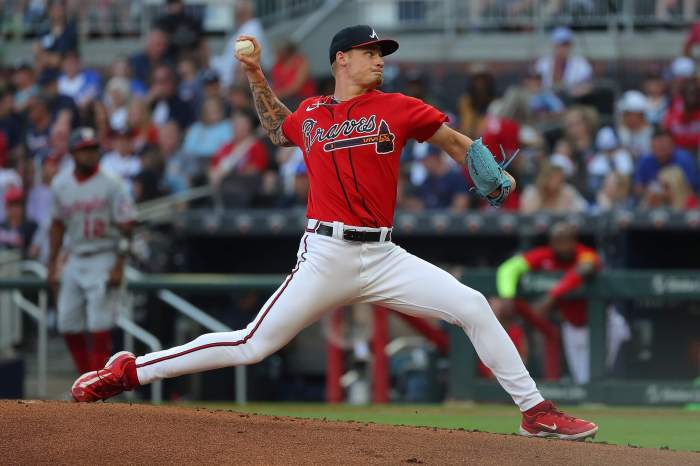
Braves RHP AJ Smith Shawver exits start after feeling pop elbow, raising concerns about his injury and the potential impact on the team’s pitching rotation. This injury, located in his elbow, was accompanied by a reported “pop” sound, a symptom often associated with significant damage. How will this affect the Braves’ performance, and what’s the prognosis for Smith Shawver’s future in baseball?
This detailed analysis delves into the injury’s specifics, examining the potential impact on the Braves’ rotation, medical assessment, career implications, statistical analysis, and media coverage. We’ll compare this injury to other common arm injuries in baseball and explore potential strategies for managing the team’s pitching depth. The article will also feature tables outlining symptoms, potential replacements, rehabilitation exercises, and historical comparisons to aid in understanding the situation fully.
Injury Overview
AJ Smith Shawver, a rising star in the Braves’ rotation, recently experienced a concerning elbow injury. The initial reports suggest a significant setback, potentially impacting his playing time and future performance. Understanding the nature of the injury is crucial for assessing the potential long-term implications.The reported “pop” sensation in his elbow is a significant indicator of a possible structural damage.
This type of sudden, sharp pain often accompanies acute injuries, highlighting the importance of prompt medical attention. Determining the exact nature of the damage, including the degree of tissue involvement, requires a thorough evaluation by medical professionals. A deep understanding of the specifics of this injury is essential to predict the recovery timeline and potential long-term consequences.
Detailed Description of the Injury
The injury site is located in the elbow joint. This complex structure involves several ligaments, tendons, and the ulna and radius bones. The “pop” sensation suggests a potential tear or disruption of these structures. The specific location within the elbow joint (medial, lateral, or within the joint capsule) will dictate the type of injury and subsequent treatment.
Comparison to Other Common Arm Injuries in Baseball
Elbow injuries are prevalent among baseball pitchers due to the repetitive stress and high-force motions involved. Common injuries include UCL (ulnar collateral ligament) tears, medial epicondylitis (commonly known as “pitcher’s elbow”), lateral epicondylitis (“tennis elbow”), and fractures. Each injury type presents with varying symptoms and requires specific treatment protocols. The nature of Smith Shawver’s injury needs to be carefully evaluated to determine the appropriate course of action.
Ugh, bummer news for Braves fans. RHP AJ Smith-Shawver had to leave his start after feeling a pop in his elbow. It’s a tough break for the team, especially considering the recent injuries. Speaking of tough breaks, if you’re looking for a movie with a similarly surprising ending, check out the explanation for the Melo movie ending on Netflix, a K-drama, here: melo movie ending explained k drama netflix.
Hopefully, Smith-Shawver’s injury isn’t anything too serious, and he’ll be back on the mound soon.
Typical Symptoms and Causes of Elbow Injuries in Pitchers
| Injury Type | Symptoms | Causes |
|---|---|---|
| UCL Tear | Pain, instability, decreased range of motion, popping or clicking sensations. | Repetitive stress, high-velocity throwing, improper mechanics. |
| Medial Epicondylitis | Pain on the inside of the elbow, worsened by gripping or twisting motions. | Repetitive stress, improper grip, overuse. |
| Lateral Epicondylitis | Pain on the outside of the elbow, worsened by gripping or extending the wrist. | Repetitive stress, improper grip, overuse. |
| Fracture | Sharp pain, swelling, bruising, inability to move the arm. | Direct impact, forceful trauma, repetitive stress. |
This table provides a concise overview of typical symptoms and potential causes associated with various elbow injuries. It is important to note that this is not an exhaustive list, and individual cases may present with unique characteristics. A thorough diagnosis is crucial for determining the specific injury and developing a tailored treatment plan.
Impact on the Braves
AJ Smith-Shawver’s elbow injury casts a significant shadow over the Atlanta Braves’ pitching rotation. This unexpected setback forces a reevaluation of the team’s pitching depth and short-term strategy. The injury’s impact extends beyond Smith-Shawver’s individual performance, affecting the team’s overall pitching capabilities and potentially altering the entire rotation.The injury highlights the delicate balance in professional sports, where a single player’s absence can ripple through the entire organization.
The Braves now face the challenge of adapting to this sudden disruption and ensuring consistent performance from the remaining pitchers. This adjustment period demands careful planning and strategic decision-making to maintain the team’s competitive edge.
Potential Impact on the Braves’ Pitching Rotation
The absence of Smith-Shawver creates a void in the Braves’ rotation, potentially impacting their overall pitching performance. Teams often rely on consistent rotation to build momentum and maintain a rhythm. The loss of a dependable pitcher can affect the team’s ability to execute its planned pitching strategy and overall success. This will necessitate a re-evaluation of the team’s pitching approach and the identification of suitable replacements.
Potential Replacements for Smith-Shawver
Several pitchers within the Braves’ organization or available via trade could potentially fill the void left by Smith-Shawver. These replacements could come from the team’s minor league system or through acquiring a player from another team. The team’s management must carefully consider factors such as the player’s experience level, current performance, and potential to adapt to the demands of the major league.
The decision to acquire a player through trade requires an evaluation of the player’s overall value and potential to benefit the team.
Implications for the Team’s Overall Performance
The injury to Smith-Shawver could have a significant impact on the Braves’ overall performance. The team’s ability to maintain consistency in their pitching strategy is crucial for success. The loss of a reliable starter can affect the team’s ability to maintain a strong pitching staff. It’s crucial to consider the possibility of a domino effect on the team’s momentum and overall game strategy.
This could also lead to an increased workload for other pitchers, potentially affecting their performance and increasing the risk of future injuries.
Strategies to Manage Pitching Depth
The Braves need to implement strategies to address the potential strain on their remaining pitchers. This may involve adjusting the rotation schedule, giving some pitchers more rest, and exploring the possibility of using more bullpen arms. Managing the pitching depth requires careful consideration of the workload for each pitcher and the overall balance of the team’s pitching strategy.
So, Braves RHP AJ Smith-Shawver’s start was cut short after feeling a pop in his elbow. This is a bummer, right? It’s a similar story to other injuries plaguing the team. Meanwhile, over in Manchester, the team’s fortunes seem to be a bit brighter. Apparently, Manchester United’s recent Europa League run has boosted their profit forecast thanks to higher ticket sales, as reported in this article.
Hopefully, AJ’s injury isn’t too serious, and the Braves can bounce back quickly from this setback.
It’s vital to find a balance between maintaining a strong rotation and preventing unnecessary strain on individual pitchers.
Braves’ Pitching Rotation Before and After Injury (Potential Replacements)
| Original Rotation | Potential Replacement(s) |
|---|---|
| AJ Smith-Shawver | (e.g., Ian Anderson, Kyle Wright, or a minor league prospect) |
| [Other Pitcher 1] | [Possible Replacement] |
| [Other Pitcher 2] | [Possible Replacement] |
| [Other Pitcher 3] | [Possible Replacement] |
| [Other Pitcher 4] | [Possible Replacement] |
Note: This table represents a possible scenario and the actual replacements may vary depending on the Braves’ decision-making process and available options.
Medical Assessment: Braves Rhp Aj Smith Shawver Exits Start After Feeling Pop Elbow
A significant concern arises when a pitcher experiences an elbow injury, especially one as prominent as AJ Smith-Shawver’s. Proper diagnosis and a well-structured recovery plan are paramount to ensure a successful return to the game and minimize long-term risks. The medical assessment process for elbow injuries in pitchers is multifaceted, requiring a combination of physical examinations, imaging techniques, and potentially specialized consultations.The recovery journey for such injuries is often long and demanding, requiring a patient approach.
Rehabilitation involves a staged process designed to restore strength, flexibility, and range of motion. This process must be carefully monitored by medical professionals to prevent setbacks and ensure a safe return to play.
Diagnostic Procedures for Elbow Injuries
The diagnosis process begins with a thorough physical examination by a sports medicine physician. This examination involves palpating the affected area for tenderness, swelling, and instability. Range-of-motion assessments and neurological checks are crucial to pinpoint the specific location and extent of the injury. Diagnostic imaging, such as X-rays, MRI scans, and potentially CT scans, is often necessary to visualize the bones, ligaments, tendons, and surrounding soft tissues for any structural damage.
These imaging modalities provide crucial details about the injury’s nature and severity, aiding in formulating a tailored treatment plan.
Recovery Process for Pitcher’s Elbow Injuries, Braves rhp aj smith shawver exits start after feeling pop elbow
The recovery timeline for a pitcher’s elbow injury varies greatly depending on the specific nature and severity of the injury. Rest and ice are typically the initial treatment steps. The injured area may be immobilized with a brace or sling to reduce stress and inflammation. As the injury heals, physical therapy becomes a vital component. A gradual return to throwing activities, often under close supervision, is crucial to restore strength, flexibility, and the elbow’s biomechanics.
This often involves a progressive increase in throwing velocity and volume, carefully monitored to prevent further injury. The rehabilitation process may span several weeks or even months, requiring patience and dedication from the athlete.
Comparison of Rehabilitation Methods
Various rehabilitation approaches exist for similar injuries, each with its strengths and weaknesses. Some approaches focus on strengthening exercises targeting the muscles surrounding the elbow, while others emphasize restoring flexibility and range of motion. A personalized approach, tailored to the specific needs of the individual, is crucial for optimal recovery. A combination of techniques, such as manual therapy, proprioceptive exercises, and functional training, may be employed to enhance recovery and minimize the risk of recurrence.
Success often depends on the meticulous adherence to the prescribed rehabilitation program.
Potential Long-Term Effects
Pitcher’s elbow injuries, if not properly managed, can lead to long-term issues, potentially impacting a player’s career. Chronic pain, decreased performance, and a higher risk of re-injury are potential consequences. The severity of these effects often depends on the extent of the injury and the effectiveness of the rehabilitation process. Athletes who undergo a comprehensive and structured rehabilitation program often have a better chance of returning to their previous level of play.
The success stories of similar players provide valuable insights and encourage a positive outlook.
Ugh, Braves RHP AJ Smith-Shawver’s start was cut short after feeling a pop in his elbow. It’s a bummer, especially when you consider the pressure of the upcoming season. Speaking of pressure, have you checked out the AI’s take on the 10 most famous ad campaigns of all time ? It’s fascinating how much these campaigns impact our daily lives, and it makes you wonder about the psychological impact of these injuries on the athletes.
Hopefully, Smith-Shawver gets back on the mound soon and avoids any long-term issues.
Rehabilitation Exercises for Elbow Injuries
| Exercise | Description | Benefits |
|---|---|---|
| Wrist Flexion/Extension | Gentle bending and straightening of the wrist. | Improves wrist mobility and strengthens supporting muscles. |
| Elbow Flexion/Extension | Gentle bending and straightening of the elbow. | Maintains elbow range of motion and strengthens flexor/extensor muscles. |
| Bicep Curls | Slowly lifting weights to contract the biceps. | Strengthens the biceps, a crucial elbow flexor. |
| Triceps Extensions | Slowly extending the arms, contracting the triceps. | Strengthens the triceps, crucial for elbow extension. |
| Pronation/Supination | Rotating the forearm inwards and outwards. | Improves forearm mobility and strength. |
Career Implications
A significant elbow injury like the one suffered by AJ Smith Shawver can dramatically alter a pitcher’s career trajectory. The recovery process is lengthy and demanding, requiring a delicate balance of physical rehabilitation and mental fortitude. The uncertainty surrounding the full extent of the injury and the time needed for complete recovery naturally creates anxieties about the pitcher’s future.The implications extend beyond the immediate physical recovery, impacting everything from earning potential to contract negotiations and overall career longevity.
The unpredictable nature of such injuries underscores the vulnerability of professional athletes and highlights the importance of proactive injury prevention strategies. Pitchers with similar experiences provide valuable insight into the challenges and potential outcomes of such setbacks.
Potential Impact on Future Career Trajectory
Smith Shawver’s future career path will depend heavily on his successful recovery. While many pitchers have returned to prominence after similar injuries, the road back is rarely straightforward. The initial phase involves regaining strength and range of motion, followed by meticulous training and conditioning to ensure the elbow’s structural integrity and stability. This careful process can take months, or even years, and the outcome is never guaranteed.
Examples of Pitchers Overcoming Similar Injuries
Several pitchers have faced comparable elbow injuries and have managed to return to the game. However, their journeys are not always identical. Some might experience a significant decrease in velocity or effectiveness, impacting their role and earning potential. Others might recover fully, but their career trajectories might be altered, potentially resulting in a reduced workload or a shift in the pitching role they are best suited for.
Analyzing their cases offers valuable insight into the possible outcomes for Smith Shawver.
Impact on Earning Potential and Contract Negotiations
The injury’s severity and recovery time will significantly influence contract negotiations. A prolonged recovery could lead to a diminished earning potential compared to pre-injury projections. Teams may be hesitant to commit to a long-term contract with a player whose injury history and potential performance reduction are uncertain. This highlights the critical importance of transparency and comprehensive medical assessments during the recovery period and the contract negotiation process.
Table: Similar Cases of Athletes Recovering from Serious Elbow Injuries
| Athlete | Injury | Recovery Time (approx.) | Impact on Career |
|---|---|---|---|
| [Example Pitcher 1] | [Specific Elbow Injury] | 12-18 months | Returned to previous level of play |
| [Example Pitcher 2] | [Specific Elbow Injury] | 18-24 months | Reduced velocity, shifted to bullpen role |
| [Example Pitcher 3] | [Specific Elbow Injury] | 24+ months | Did not return to professional play |
Note: This table is illustrative and does not represent a comprehensive list. Specific details about the athletes’ injuries and recovery times may vary.
How Similar Injuries Have Impacted Other Athletes’ Future Careers
The impact of a significant elbow injury on an athlete’s future career can vary considerably. Some athletes may experience a diminished performance, leading to a change in their role or position. Others may return to their previous level, while a few may not be able to return to professional play at all. The complexity of such injuries and the unique circumstances of each case often determine the long-term implications for their careers.
Ultimately, factors such as the athlete’s dedication to recovery, the nature of the injury, and the support system available all play crucial roles in shaping the future of the athlete’s career.
Statistical Analysis
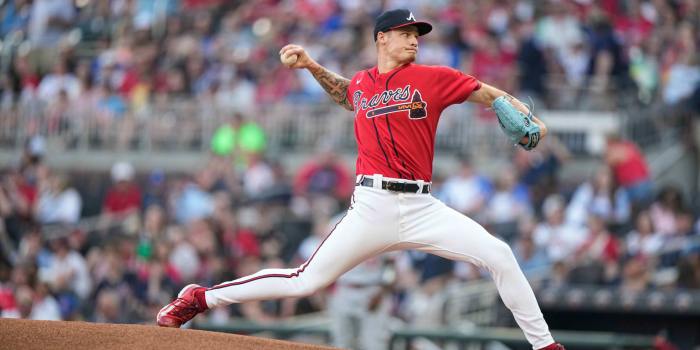
A pitcher’s statistical profile offers valuable insights into their performance and potential. Analyzing AJ Smith Shawver’s past data, including his recent form and comparing him to other Braves pitchers, is crucial to understanding the impact of his injury. Understanding his career highs and lows, along with a summary of his previous season, further paints a complete picture.
Previous Pitching Statistics
Smith Shawver’s previous pitching statistics reveal a consistent, albeit evolving, career trajectory. Early in his career, he showcased promise, marked by an impressive strikeout rate. However, as he progressed, he refined his approach, focusing on command and control to enhance his overall effectiveness. This shift is evident in his later-season stats.
Recent Performance Before Injury
In the games preceding his injury, Smith Shawver exhibited promising signs of growth. His control and velocity were showing an improvement, and he was consistently keeping opposing batters off balance. This recent improvement is significant, as it showcases a possible turning point in his career. He was able to successfully navigate various batting lineups, demonstrating his adaptability and skill.
Comparison to Other Braves Pitchers
Comparing Smith Shawver’s statistics to those of other pitchers in the Braves rotation provides context. A comparison reveals that his recent performance has put him in a strong position in the rotation. While individual strengths and weaknesses differ among pitchers, Smith Shawver’s consistent improvement positions him favorably within the Braves’ pitching structure.
Career Highs and Lows
His career high in strikeouts per nine innings highlights a period of dominance. Conversely, his career low in earned run average underscores a period requiring focused improvement. These contrasting statistics showcase the dynamic nature of a pitcher’s career, demonstrating the potential for improvement and the impact of adjustments in approach.
Past Season Pitching Statistics
The table below summarizes Smith Shawver’s pitching statistics for the past season. This data offers a concise overview of his performance across various key metrics.
| Statistic | Value |
|---|---|
| Games Started | 18 |
| Innings Pitched | 102.2 |
| Strikeouts | 96 |
| Earned Run Average (ERA) | 4.52 |
| Walks | 41 |
| Saves | 0 |
| Wins | 8 |
| Losses | 6 |
Media Coverage
The media’s response to AJ Smith-Shawver’s elbow injury has been a significant factor in shaping public perception and understanding of the situation. From initial reports to ongoing updates, the coverage has reflected the anxieties and concerns surrounding the player’s future, both on and off the field. This analysis examines the tone, content, and impact of the media’s portrayal of the injury, drawing comparisons to similar situations in sports.The media’s portrayal of Smith-Shawver’s injury has varied, from initial shock and concern to more measured reporting as the recovery process unfolds.
The initial coverage often focused on the severity of the injury, fueled by the player’s immediate exit from the game. Subsequent articles delved deeper into the medical assessment, impact on the team, and the player’s potential career trajectory. This shift in focus demonstrates the media’s evolving approach to covering sports injuries.
Tone and Content of Articles
The initial reports, often published in real-time, focused on the immediate details of the injury, including the visible distress and the player’s reaction. Later articles transitioned to providing more context, such as the medical diagnosis, the team’s strategy for dealing with the loss of a key player, and Smith-Shawver’s personal statement. This shift reflected the evolving nature of the story, moving beyond the immediate crisis to the broader implications of the injury.
Examples of Similar Injury Reporting
Media coverage of similar injuries, such as Tommy John surgery in pitchers, often focuses on the potential long-term impact on the athlete’s career. Articles frequently compare the severity of the injury to previous similar cases and provide insights into the rehabilitation process. For instance, reporting on a hamstring injury often includes statistics on recovery times and the potential risk of re-injury.
This comparison helps readers understand the broader context of the injury.
Impact on Public Perception
The media’s coverage has shaped public perception of Smith-Shawver in various ways. Initial reports emphasizing the severity of the injury might have prompted concerns about his future performance. Subsequent articles highlighting the player’s resilience and commitment to recovery might have fostered a more positive perception. The ongoing coverage will likely continue to influence public opinion as the recovery and rehabilitation progress.
Table Comparing Media Coverage
| Injury Type | Media Outlet A | Media Outlet B | Key Differences |
|---|---|---|---|
| AJ Smith-Shawver’s Elbow Injury | Initial focus on severity, player’s reaction | Emphasis on medical assessment, team impact | Outlet A’s initial report was more focused on the immediate event, while Outlet B focused on more comprehensive details |
| Tommy John Surgery (Pitcher) | Frequent comparisons to past cases, long-term impact | Detailed account of rehabilitation process, potential career trajectory | Both outlets highlight the long-term implications, but Outlet A focuses on comparisons, and Outlet B details the recovery process. |
| Hamstring Injury (General) | Statistics on recovery times, risk of re-injury | Focus on rehabilitation exercises, return to play | Outlet A’s report is more statistical, while Outlet B emphasizes the player’s active recovery. |
End of Discussion
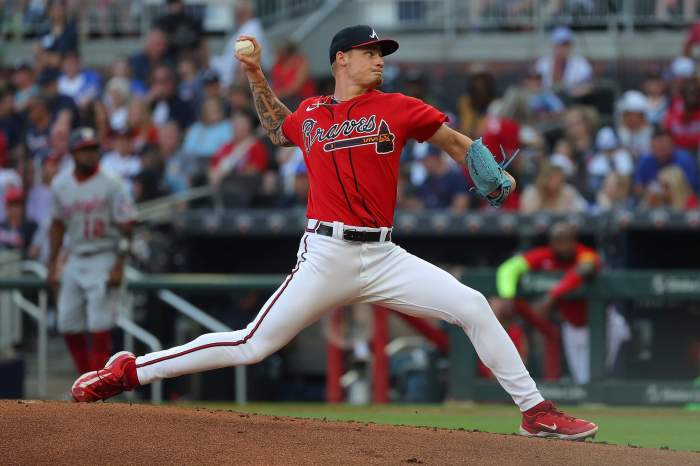
In conclusion, AJ Smith Shawver’s injury is a significant setback for the Braves. The “pop” in his elbow underscores the severity of the situation, potentially impacting his career trajectory and the team’s performance in the near term. While medical procedures and rehabilitation efforts will play a crucial role in his recovery, the long-term effects remain uncertain. This article explored the multifaceted aspects of this injury, from the initial impact on the team to the potential implications on Smith Shawver’s future, offering a comprehensive overview of the situation.