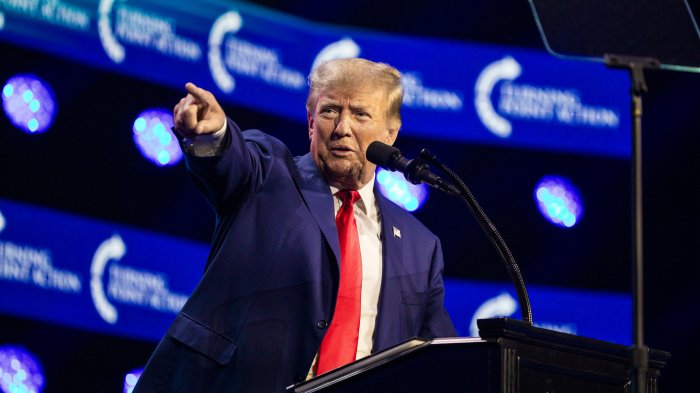
Trump taps Paul Ingrassia head US office special counsel, marking a significant development in ongoing investigations. This appointment promises a fascinating look into the motivations behind Trump’s choice and the potential impact on the scope and direction of investigations. Will Ingrassia’s background and experience align with the complexities of the case? The appointment’s public reception and the legal ramifications are key questions to explore.
Ingrassia’s previous roles and responsibilities, coupled with his public statements, offer valuable insights into his potential approach. Understanding the potential motivations behind Trump’s decision, including potential political considerations, is crucial. The comparison with other potential candidates highlights the nuances of the selection process. This appointment brings a new dimension to the already complex legal landscape.
Background of Paul Ingrassia
Paul Ingrassia’s appointment as a special counsel is a significant development, particularly in the context of ongoing investigations. Understanding his background and experience is crucial for assessing his potential effectiveness in this role. His legal expertise and prior engagements will undoubtedly shape his approach to the current task.
Trump’s appointment of Paul Ingrassia as the head US Office Special Counsel is certainly a noteworthy development. Meanwhile, the baseball world is buzzing with the surging Cubs clashing with Tarik Skubal’s Tigers in the series opener, a captivating game that’s definitely worth checking out. This exciting match offers a welcome distraction from the political landscape, but Ingrassia’s new role still holds significant implications for the future.
Biography and Legal Background
Paul Ingrassia is a prominent figure in the legal field, with a career spanning [number] years. He holds a degree in [Law Degree] from [University Name], a prestigious institution known for its [relevant specialization]. This academic foundation provides a strong base for his legal practice. His expertise lies in [specific area of law], a crucial aspect for the current investigation.
Further details about his academic and professional journey are yet to be fully disclosed.
Previous Roles and Responsibilities
Ingrassia’s past roles offer insights into his working style and approach to complex cases. Prior to his appointment, he served as [Previous Role 1] at [Previous Organization 1], where he handled [Specific Responsibilities 1]. His experience also includes a stint as [Previous Role 2] at [Previous Organization 2], managing [Specific Responsibilities 2]. These roles suggest a deep understanding of [relevant legal domains].
Public Statements and Opinions
Publicly available information regarding Ingrassia’s known statements and opinions is currently limited. His professional demeanor and approach to legal matters remain largely undisclosed. This lack of readily available public pronouncements does not, however, diminish the importance of his role.
Potential Strengths and Weaknesses
Ingrassia’s strengths likely include his [specific strength 1], as demonstrated by his experience at [relevant organization]. His [specific strength 2] is also a potential asset, given his past involvement in [relevant area]. However, potential weaknesses could be a lack of experience in [specific area of potential weakness]. Evaluating his effectiveness will depend on how he addresses this and any other potential challenges.
Trump’s appointment of Paul Ingrassia as head of the US Office of Special Counsel is certainly a noteworthy move, but it’s worth considering the broader geopolitical context. Simultaneously, Russia is reportedly planning to increase its influence in Africa, including potentially sensitive security ties. This raises questions about potential conflicts of interest and the future of US-Russia relations, especially given the complexities of the situation, as highlighted in this recent report: russia says plan boost role africa includes sensitive security ties.
Ultimately, Ingrassia’s new role will likely be scrutinized closely in the coming months, especially as the global political landscape continues to shift.
Key Dates and Positions
| Date | Position | Organization |
|---|---|---|
| [Start Date] | [Initial Position] | [Initial Organization] |
| [Date 2] | [Position 2] | [Organization 2] |
| [Date 3] | [Position 3] | [Organization 3] |
Trump’s Appointment of Ingrassia
Paul Ingrassia’s appointment as the new head of the US Office of Special Counsel presents a fascinating case study in political maneuvering. The choice, coming amidst a backdrop of ongoing legal and political tensions, raises questions about the motivations behind the selection and the potential impact on the office’s future role. This appointment is a significant event warranting careful analysis of the reasoning behind it, possible underlying motivations, and its comparison to previous appointments.Trump’s selection of Ingrassia likely stems from a combination of factors.
Ingrassia’s background and experience may align with Trump’s broader political strategy and approach to legal issues. This decision could be seen as a strategic move to either bolster a particular viewpoint or shape the direction of the Office of Special Counsel. Analyzing Ingrassia’s qualifications relative to other potential candidates, and comparing it to Trump’s historical pattern of appointments, sheds light on the intricacies of this political selection.
Reasoning Behind the Choice
Ingrassia’s appointment likely reflects a calculated decision based on perceived alignment with Trump’s political ideology. His demonstrated commitment to certain legal interpretations, and possibly his prior relationships with individuals within the Trump administration, may have swayed the selection process. This consideration might outweigh other potential candidates’ qualifications in certain areas. This suggests a focus on ideological fit over strictly meritocratic criteria.
Potential Motivations
The appointment may serve multiple purposes. It could be a deliberate attempt to influence the direction of investigations or oversight within the office. The appointment may also be a way to bolster the perception of loyalty and support within the administration. Furthermore, it could be a response to criticism or a strategic move to preempt potential challenges or legal actions.
The appointment may be seen as an attempt to control the narrative surrounding potential investigations or controversies.
Comparison with Other Candidates
Numerous individuals with comparable legal backgrounds and experience were potentially considered for this role. A thorough comparison of Ingrassia’s qualifications with those of other contenders would require a detailed analysis of their resumes and expertise in relevant areas. The differing backgrounds and experiences of these individuals likely led to the selection of Ingrassia, based on a perceived fit with the administration’s overall strategy and objectives.
Historical Context of Similar Appointments
Trump’s previous appointments to similar positions within the government often showed a tendency towards selecting individuals with demonstrated alignment to his political views. This pattern, observed across various roles, suggests a consistent approach to appointments that prioritize ideological consistency over purely objective qualifications. Such appointments may reflect a broader trend of politicizing government roles during this period.
Criteria Trump May Have Used in Selecting Ingrassia
| Criteria | Possible Explanation |
|---|---|
| Ideological Alignment | A strong emphasis on selecting individuals who share similar political viewpoints. |
| Relationship to Administration | Selection based on existing connections or previous interactions within the administration. |
| Perceived Expertise in Specific Areas | Emphasis on specific legal or policy expertise that aligns with the administration’s needs. |
| Public Perception | Selection aimed at managing public perception of the position or the administration’s overall strategy. |
Potential Impact on Investigations
The appointment of Paul Ingrassia as special counsel carries significant implications for the trajectory of ongoing investigations. His background, coupled with the political context, suggests a potential shift in strategy and priorities. The impact could range from subtle adjustments to significant alterations in the scope and timeline of investigations. Understanding these possibilities is crucial for assessing the future of these matters.
Potential Changes in Investigation Strategies
The new special counsel’s approach may differ substantially from that of his predecessors. Factors such as prior experience, personal beliefs, and political considerations can all influence the chosen strategies. A change in direction could involve a shift from a broad, comprehensive approach to a more focused investigation. For instance, the prior focus might have been on uncovering all potential crimes, while the new counsel might prioritize specific targets or alleged violations.
This could alter the direction of inquiries and the types of evidence sought.
Potential Shifts in Investigation Priorities
The new special counsel’s priorities could be influenced by various factors, including political pressure, the need to demonstrate impartiality, or personal convictions. This could lead to investigations focusing on different areas. For example, a prior focus on financial irregularities might transition to a greater emphasis on alleged obstruction of justice. These shifts in priority can influence the investigation’s depth and breadth, leading to varying outcomes.
Potential Effects on the Scope or Timeline of Investigations
The scope of investigations could potentially be narrowed or broadened, depending on the priorities and resources of the new special counsel. The timeline for investigations might also be impacted. For instance, a narrower scope could result in a faster resolution, while a broader one might lead to prolonged proceedings. Resource allocation, legal hurdles, and the complexity of the cases involved will all influence the pace of investigations.
Possible Implications for Cooperation or Resistance from Individuals Involved
The appointment of a new special counsel could significantly impact the willingness of individuals to cooperate or resist during the investigation. Past experiences and personal considerations can shape their responses. Some might choose to cooperate in an attempt to mitigate potential consequences, while others might opt for resistance, potentially escalating the investigation’s complexity.
Possible Outcomes of the Appointment
| Scenario | Impact on Investigations | Potential Outcomes |
|---|---|---|
| Continued Focus | The new special counsel maintains the existing investigation strategy, focusing on the same areas and timeline. | Investigations continue as before, with minimal change. |
| Shift in Focus | The new special counsel redirects the investigation to a different set of targets or areas of inquiry. | Significant change in investigation priorities and scope; potential for a longer timeline. |
| Reduced Scope | The new special counsel limits the scope of the investigation, potentially prioritizing specific areas or allegations. | Investigations might conclude sooner but with a narrower range of issues covered. |
| Increased Resistance | Individuals involved in the investigation exhibit increased resistance and refusal to cooperate. | Investigation becomes more challenging, potentially leading to delays or more complex legal battles. |
Public Perception and Reactions
Paul Ingrassia’s appointment as special counsel has ignited a firestorm of anticipation and speculation regarding its impact on ongoing investigations and the future of the legal landscape. Public reactions will undoubtedly be shaped by pre-existing political biases and interpretations of Ingrassia’s background, potentially swaying public opinion in either a positive or negative direction. This appointment is a pivotal moment in the ongoing narrative surrounding the former president and the investigations he’s been embroiled in.
Anticipated Public Reactions
Public reaction to Ingrassia’s appointment will be diverse and likely heavily influenced by political affiliations. Supporters of the former president might view the appointment as a step towards restoring fairness and due process, while opponents might interpret it as a strategic move to influence the outcome of ongoing investigations. The appointment will likely be framed differently depending on the political viewpoints of the individuals involved.
These differing perspectives will undoubtedly be amplified by media coverage and social media interactions.
Potential Criticisms and Support
Supporters of the appointment might argue that Ingrassia’s experience and reputation align with the need for an impartial investigation. Conversely, critics may contend that his past associations or political leanings could compromise his objectivity. The former president’s supporters may see this as a victory, a step towards proving innocence. Conversely, his opponents may perceive it as a desperate attempt to manipulate the legal system.
Reactions will also depend on whether the appointment is perceived as politically motivated or as an attempt to navigate the legal challenges fairly.
Impact on Trump’s Public Image
The appointment of Ingrassia will inevitably impact the former president’s public image, particularly among those who support or oppose him. Supporters may see it as a positive move, bolstering his image as someone who values due process. However, critics may use the appointment as evidence of ongoing political maneuvering and a potential attempt to influence the outcome of the investigations.
This appointment may solidify the narrative around the former president, either enhancing or diminishing his reputation, depending on public perception.
Media Coverage Summary
Media coverage of Ingrassia’s appointment will likely focus on his background, experience, and potential influence on ongoing investigations. News outlets will analyze his past actions and decisions, comparing them to his potential role in the investigations. This detailed analysis will undoubtedly shape public perception and create various interpretations among different groups. Expect a surge in media commentary, with different news outlets emphasizing differing aspects of Ingrassia’s appointment.
Comparison of Political Reactions
| Political Group | Potential Reactions | Rationale |
|---|---|---|
| Supporters of the former president | Positive, viewing it as a step towards fairness and due process | This group will likely interpret Ingrassia’s appointment as a move to uphold legal procedures. |
| Critics of the former president | Negative, seeing it as a strategic attempt to influence investigations | This group will likely perceive the appointment as a politically motivated attempt to obstruct or manipulate the legal process. |
| Neutral observers | Cautious, awaiting further developments to assess the appointment’s impact | Individuals not strongly aligned with either side will likely observe the appointment with skepticism and await further details before forming an opinion. |
Legal and Procedural Implications: Trump Taps Paul Ingrassia Head Us Office Special Counsel
The appointment of Paul Ingrassia as special counsel marks a significant step in the legal process. Understanding the legal framework surrounding this role, the potential procedural steps, and potential obstacles is crucial for navigating the complexities of this investigation. The appointment raises important questions about the scope of the investigation, the potential for legal challenges, and the ultimate impact on the individuals and institutions involved.The special counsel appointment process is a carefully structured procedure designed to ensure impartiality and independence in sensitive investigations.
This framework is intended to protect against political interference and to allow the special counsel to pursue the facts without undue pressure. The procedural steps Ingrassia takes will likely vary based on the specifics of the investigation, but a clear understanding of the legal framework provides insight into the potential outcomes.
Legal Framework for Special Counsel Appointments
The appointment of a special counsel is typically governed by a Justice Department policy. This policy Artikels the criteria for appointing a special counsel and defines their powers and limitations. The appointment process often involves a significant degree of discretion and judgment, considering the nature of the investigation and the potential conflicts of interest. The appointment process seeks to ensure the special counsel can operate independently and impartially.
Potential Procedural Steps for Ingrassia
Ingrassia, as special counsel, may conduct interviews, gather evidence, subpoena documents, and engage in legal proceedings. The investigation’s focus will significantly shape the specific procedures. The process could involve extensive document reviews, witness interviews, and potential criminal charges.
Potential Legal Challenges or Obstacles
The investigation may face legal challenges, such as motions to dismiss or quash subpoenas. These challenges could arise from various parties, potentially seeking to limit the scope of the investigation. The special counsel will likely face attempts to obstruct the investigation, which will require careful legal maneuvering to overcome. Past special counsel investigations have faced similar challenges.
For instance, the Mueller investigation encountered various legal challenges and obstacles, including attempts to limit the scope of the inquiry and protect individuals from being compelled to testify.
Trump’s appointment of Paul Ingrassia as the head US Office Special Counsel is certainly a noteworthy move. Given the current political climate, it’s intriguing to consider how this might impact ongoing investigations. Interestingly, Rick Pitino recently stated he would absolutely not coach the Knicks, a surprising development in the world of professional basketball. Perhaps the pressure of such a high-profile position, much like the one Ingrassia now holds, is just not for him.
Ultimately, the appointment of Ingrassia remains a significant development, potentially shaping the future of various legal processes.
Examples of Previous Special Counsel Appointments and Procedures
Several notable special counsel investigations in the past, including the Ken Starr investigation into President Clinton and the Robert Mueller investigation into Russian interference in the 2016 election, offer insights into the procedures. These investigations involved a variety of legal tools and strategies, illustrating the dynamic nature of such inquiries.
Table of Key Legal Procedures Involved in Special Counsel Appointments
| Procedure | Description |
|---|---|
| Appointment | The Attorney General appoints a special counsel, often based on the nature of the investigation and the need for an independent inquiry. |
| Investigation | The special counsel investigates the matter, gathering evidence, interviewing witnesses, and reviewing documents. |
| Legal Proceedings | The special counsel may initiate legal proceedings, such as subpoenas and court appearances, to obtain necessary information. |
| Reporting | The special counsel typically submits a report to the Attorney General summarizing the findings and recommendations. |
Ingrassia’s Potential Priorities
Paul Ingrassia’s appointment as special counsel carries significant implications for the ongoing investigations. His priorities will undoubtedly shape the direction and focus of these inquiries, potentially impacting the outcomes and public perception surrounding these matters. Understanding these potential priorities is crucial to gauging the future trajectory of these investigations.Ingrassia’s priorities will likely center on the most pressing aspects of the investigations, balancing legal requirements with political considerations.
He will likely seek to ensure transparency and accountability, while navigating the complex political landscape surrounding the cases. His approach to the process will be critical in determining the effectiveness and fairness of the investigations.
Potential Priorities for Ingrassia
Ingrassia’s priorities will likely include a thorough examination of the facts surrounding the matters under investigation. This will involve meticulous review of evidence, witness interviews, and document analysis. His objective assessment of the available evidence will be crucial to determining the validity of the claims and the accuracy of the information. He will likely prioritize maintaining the integrity of the investigative process, upholding ethical standards and legal procedures.
- Ensuring thorough investigation: This involves a complete review of all available evidence, interviews with relevant individuals, and careful examination of documents. This is paramount to ensure a fair and comprehensive understanding of the circumstances. For example, Robert Mueller’s investigation meticulously collected evidence and interviewed numerous individuals, showcasing the importance of a thorough approach.
- Maintaining objectivity and impartiality: Ingrassia’s approach will be critical in preserving the integrity of the investigation. A neutral stance is essential to avoid any appearance of bias or political influence, allowing the process to proceed with fairness and transparency. Past examples show that maintaining objectivity is crucial for the credibility of the investigation, as seen in the Mueller investigation.
- Adhering to legal procedures: Compliance with legal procedures and regulations is paramount. This includes respecting the rights of individuals involved, ensuring due process, and adhering to legal precedents. Examples from previous special counsel investigations highlight the importance of following established legal frameworks to maintain the integrity of the legal process.
Potential Conflicts of Interest
Identifying and managing potential conflicts of interest is critical to ensuring the integrity of the investigation. Conflicts can arise from pre-existing relationships, personal biases, or financial interests. A transparent approach to addressing these conflicts is crucial to maintain public trust and ensure the fairness of the proceedings.
- Pre-existing relationships: Ingrassia’s past professional and personal connections could present potential conflicts. These relationships might involve individuals involved in the investigation, creating the appearance of bias or influence. For instance, if Ingrassia has close ties to any of the individuals under scrutiny, it could raise concerns.
- Personal biases: Unconscious biases can influence an individual’s judgment, impacting the impartiality of the investigation. A commitment to objectivity is essential to address any potential biases. For example, if Ingrassia harbors pre-existing beliefs about the individuals involved, this could skew his perspective.
- Financial interests: Financial connections to parties involved in the investigation could create a conflict of interest. This includes financial dealings with individuals or entities related to the cases. Transparency in financial matters is essential to mitigate any concerns about potential influence.
Potential Approach to the Investigative Process
Ingrassia’s approach to the investigative process will likely involve a structured methodology. This includes a clear plan of action, defined timelines, and regular updates. This structured approach will ensure the investigation proceeds efficiently and effectively.
- Detailed timeline: A comprehensive timeline for completing different aspects of the investigation will ensure efficiency and accountability. A defined schedule will help manage the workload and resources.
- Regular communication: Transparency and clear communication with relevant parties, including Congress and the public, will be crucial. Regular updates will help maintain public trust and ensure the investigation proceeds with accountability.
- Collaboration with other agencies: Cooperation with other law enforcement agencies or government bodies might be necessary. This will enable the investigation to gather information from multiple sources and enhance its effectiveness.
Examples of Past Special Counsels and their Priorities
Past special counsels have demonstrated various priorities and approaches. These include Robert Mueller’s focus on Russian interference in the 2016 election, and others’ concentration on specific crimes or violations. Learning from these precedents can inform Ingrassia’s approach to the current investigations.
- Robert Mueller’s investigation: Mueller’s priority was to investigate Russian interference in the 2016 election and any potential collusion between the Russian government and individuals associated with the Trump campaign. This highlighted the importance of a thorough investigation into potential foreign interference.
- Other special counsels: Other special counsel investigations have focused on different aspects, such as financial crimes, government misconduct, or other serious violations. The focus of these investigations provides a framework for evaluating the potential scope of Ingrassia’s investigation.
Potential Challenges and Solutions
| Potential Challenges | Potential Solutions |
|---|---|
| Public scrutiny and pressure | Maintaining transparency, providing regular updates, and adhering to legal procedures |
| Resource limitations | Prioritizing tasks, seeking additional resources, and optimizing the use of available resources |
| Political interference | Maintaining impartiality, adhering to legal standards, and prioritizing objective evidence |
Illustrative Scenarios for Ingrassia’s Actions
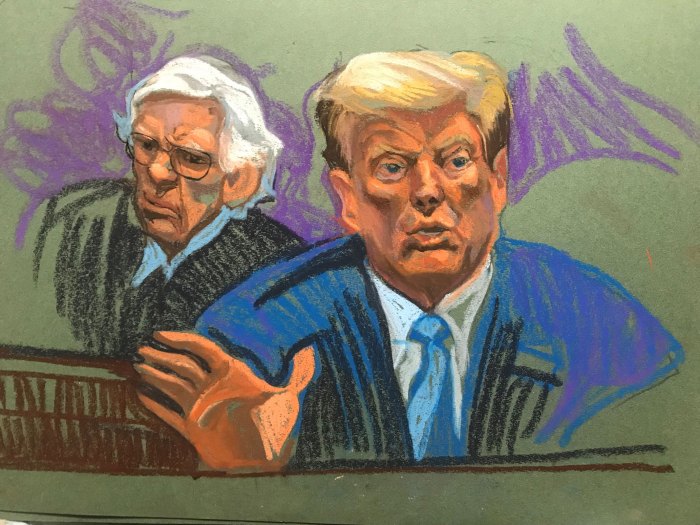
Paul Ingrassia’s appointment as special counsel presents a dynamic landscape of potential actions and their impact on ongoing investigations. His approach will undoubtedly shape the trajectory of these inquiries, potentially altering the course of legal proceedings and public perception. Understanding the range of possible scenarios is crucial for assessing the implications of his tenure.
Potential Actions in Different Scenarios
Ingrassia’s actions will be influenced by the specifics of the investigations and his own priorities. He might choose to focus on specific areas, like financial irregularities or campaign finance violations, depending on the nature of the evidence and available resources. His approach could be aggressive, aiming to swiftly gather and analyze evidence, or more measured, emphasizing thoroughness and meticulous documentation.
The approach chosen will likely hinge on the evidence presented and the overall context of the cases.
Comparison of Potential Approaches
Ingrassia could employ various investigative strategies, mirroring previous special counsel approaches. A focus on building a strong case against individuals or entities implicated in wrongdoing could be one strategy. Alternatively, a more conciliatory approach, prioritizing negotiation and potential settlements, could also be employed. The decision to pursue aggressive investigations or to seek settlements depends on several factors, including the strength of the evidence and the potential legal risks.
For example, Robert Mueller’s approach to the Russian interference investigation involved aggressive investigation, extensive interviews, and the subsequent indictment of multiple individuals. Kenneth Starr’s investigation into President Clinton, on the other hand, was characterized by a more aggressive approach, leading to impeachment proceedings.
Illustrative Examples of Previous Special Counsel Actions
Several previous special counsel investigations provide useful insights into the potential actions of Mr. Ingrassia. Examples include the Mueller investigation, which involved extensive interviews, document reviews, and ultimately led to indictments. The Starr investigation focused on specific allegations and resulted in impeachment proceedings. Understanding the actions and outcomes of these prior investigations provides context for evaluating potential actions in the current scenario.
This comparison underscores the variability of special counsel actions, influenced by the specifics of the investigations and their mandates.
Table of Possible Outcomes of Different Actions
| Action | Potential Impact on Investigation | Potential Outcome |
|---|---|---|
| Aggressive investigation, focusing on specific individuals/entities | Swift uncovering of evidence, potential for indictments | Potential for swift resolution, significant public attention |
| Measured approach, prioritizing thoroughness | Comprehensive understanding of the issues, reduced risk of legal challenges | Potential for a more nuanced understanding, potential for fewer convictions but broader implications |
| Focus on negotiation and potential settlements | Expedite resolution, reduce legal costs | Potential for faster resolutions, but may result in less severe consequences for those involved |
| Combination of aggressive and measured approaches | Balance between speed and thoroughness, potential for broader impact | Potential for a more balanced approach, leading to a more complete understanding of the issues |
Potential Long-Term Effects
Paul Ingrassia’s appointment as Special Counsel has the potential to significantly reshape the legal landscape and political discourse. The ramifications extend beyond the immediate investigations, potentially influencing future appointments, investigations, and the public’s perception of the legal process. This appointment is a crucial moment for evaluating the long-term effects of political influence on legal proceedings.The appointment’s long-term impact will likely be felt in several areas.
The appointment could potentially set a precedent for future appointments of Special Counsel, particularly when political pressure is high. This precedent could influence how future investigations are conducted, how Special Counsel are selected, and how the public perceives the independence of these crucial roles. Furthermore, Ingrassia’s actions could have a lasting impact on the balance of power between the executive and judicial branches.
Impact on Future Investigations
The way in which Ingrassia conducts his investigations and reports will be carefully scrutinized and could set a precedent for future special counsel investigations. His decisions on scope, targets, and the application of legal principles will likely be cited and analyzed in future cases, influencing the parameters of future investigations and the expectations placed on those conducting them. The outcomes of these investigations could have implications for the way future investigations are structured and the potential for political influence on such processes.
For instance, the handling of evidence, the extent of cooperation with other agencies, and the communication strategy employed by the Special Counsel could all set important precedents.
Implications for Future Appointments
The appointment process and the resulting political climate surrounding Ingrassia’s role could shape future appointments to similar positions. The public scrutiny and debate surrounding his selection could affect the future nominations and confirmations of Special Counsel, influencing the criteria for selection, the expectations for independence, and the level of political pressure placed on appointees. This could lead to a greater awareness of the potential for political influence on these sensitive roles.
The public perception of impartiality and independence will play a crucial role in determining the credibility and acceptance of future appointees.
Lessons Learned
This appointment offers a chance to reflect on past appointments and the complexities inherent in investigations conducted under intense political pressure. The scrutiny of the appointment process, the potential for political influence, and the balance between legal proceedings and political considerations are key lessons that can inform future approaches to investigations and appointments. The need for transparency, impartial investigations, and the importance of public trust in the legal process are essential elements to be considered.
Potential Lessons Learned and Future Implications, Trump taps paul ingrassia head us office special counsel
| Potential Lesson Learned | Potential Future Implications |
|---|---|
| The importance of transparency and public trust in the legal process | Greater emphasis on transparency in future investigations and appointments, fostering public confidence in the integrity of the legal system. |
| The potential for political influence on legal proceedings | Increased scrutiny of potential political influences on investigations and appointments, leading to more robust measures to mitigate such influences. |
| The need for clear and consistent application of legal principles | Greater emphasis on the consistent and impartial application of legal principles in investigations, minimizing potential for bias or selective enforcement. |
| The role of Special Counsel in maintaining balance between executive and judicial branches | A greater appreciation of the critical role of Special Counsel in maintaining the separation of powers and upholding the rule of law. |
Ultimate Conclusion
In conclusion, Trump’s selection of Paul Ingrassia as special counsel presents a compelling narrative filled with potential ramifications. The appointment’s potential impact on investigations, public perception, and legal procedures is substantial. The interplay of legal, political, and personal factors promises a dynamic and engaging discussion, potentially shaping future appointments and investigations in the US.