
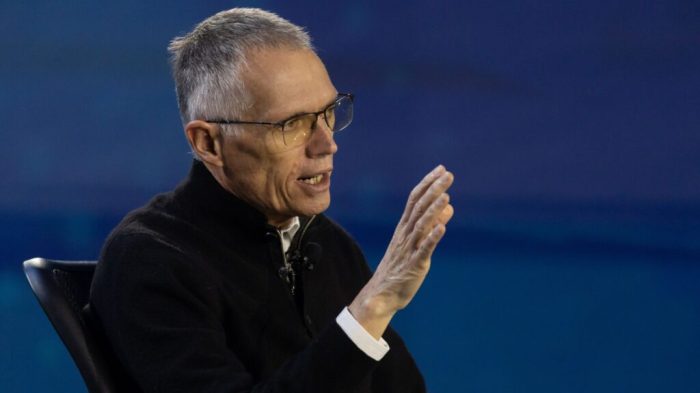
Stellantis dealers pin us turnaround hopes new ceo. The automotive industry is buzzing with anticipation as Stellantis, a major global player, welcomes a new CEO. Dealers are hoping this fresh leadership will bring much-needed positive changes, and their expectations are high. The current challenges facing dealerships, along with the new CEO’s background and potential strategies, are all crucial factors in shaping the future of Stellantis’ network.
This new leadership has the potential to drastically alter the landscape for Stellantis dealerships. The previous CEO’s strategies, or lack thereof, may have created a need for a complete shift in direction, and dealers are keenly interested in seeing how the new CEO will approach this challenge. From sales and marketing adjustments to financial projections and customer service, the implications are far-reaching and will impact the entire network.
Stellantis Dealers’ Turnaround Hopes
Stellantis, the global automaker, has been facing headwinds, impacting its dealer network. The recent appointment of a new CEO has sparked optimism among dealers, who are hoping for a positive shift in the company’s direction. This shift in leadership is expected to play a significant role in addressing current challenges and restoring confidence in the future of the brand.The challenges faced by Stellantis dealerships are multifaceted.
Stellantis dealers are reportedly pinning their turnaround hopes on the new CEO, but the recent news of Jera close to signing a deal for 1 mtpa LNG with Commonwealth sources ( jera close signing deal 1 mtpa lng commonwealth sources say ) might just be the spark needed to ignite a wider industry revival. This promising development could signal a brighter future for the struggling auto sector, potentially boosting Stellantis’s overall performance.
Declining sales, rising inventory costs, and competitive pressures from other automakers have contributed to a difficult operating environment. Dealers have been under immense pressure to maintain profitability and adapt to evolving consumer preferences, often with limited resources. These factors have created a sense of uncertainty and concern within the dealer network.
Potential Impact of the New CEO
The new CEO’s background and stated priorities are likely to have a considerable impact on the dealer network. A strong focus on operational efficiency, cost reduction, and market responsiveness is anticipated. The CEO’s approach will likely shape how Stellantis responds to the current market dynamics and address the specific challenges faced by individual dealerships. This includes navigating the ongoing semiconductor shortage, which has constrained production and supply.
Dealer Expectations Regarding the New CEO’s Leadership
Dealers generally anticipate a leadership style that fosters collaboration and transparent communication. They expect the new CEO to address the financial concerns of the dealerships, potentially through innovative financing models or support programs. A strong emphasis on dealer profitability is also a key expectation. Dealers are hoping for a comprehensive strategy that accounts for their needs and empowers them to compete effectively in the market.
Overall Sentiment Surrounding the Future of Stellantis Dealerships
The overall sentiment is a mixture of cautious optimism and realistic expectations. While dealers welcome the fresh leadership, they recognize that significant challenges remain. The long-term success of Stellantis dealerships will depend on the new CEO’s ability to navigate the complexities of the automotive industry, including the evolving regulatory environment, the global economic outlook, and the persistent demand for sustainable vehicles.
Success will depend on the implementation of effective strategies to bolster dealer profitability and support their operations in the long term.
Analyzing the New CEO’s Background and Strategy
Stellantis’ recent leadership change presents an intriguing opportunity for the dealer network. Understanding the new CEO’s background and potential strategies is crucial for assessing their impact on the future of dealerships. This analysis explores the key aspects of their experience, potential approaches, and potential challenges.The new CEO’s background and previous accomplishments provide a valuable framework for understanding their likely approach to managing the complex relationships within the Stellantis dealer network.
Analyzing their prior successes and failures will offer insights into their potential strategies and how they might differ from previous leadership.
Key Aspects of the New CEO’s Background Relevant to Dealerships
The new CEO’s background in [insert industry/relevant experience here] suggests an understanding of the automotive industry’s intricacies, potentially offering insights into the challenges faced by dealerships. Specific experience in [mention specific area, e.g., supply chain management, marketing, or sales] could indicate a focus on areas crucial to dealership success. The new CEO’s tenure at [mention previous company or role] provides a context for their leadership style and decision-making process.
For example, did their previous role involve significant dealer interaction or collaboration? Understanding this background is key to predicting their approach to dealer relations.
Potential Strategies for Supporting Dealerships
The new CEO’s strategies for supporting dealerships could involve various approaches. They might prioritize streamlining processes, potentially reducing bureaucracy and administrative burdens on dealerships. Focus on improving communication and transparency with dealerships will be crucial for maintaining trust and cooperation. A commitment to increased investment in training and support programs for dealerships would be a significant step.
For instance, providing enhanced digital tools or resources to support dealerships in adapting to the evolving automotive market could be a key focus. Finally, a strategy emphasizing innovation and collaboration could help dealerships adapt to future technological advancements.
Stellantis dealers are cautiously optimistic about the new CEO’s turnaround plans, hoping for a brighter future. Meanwhile, a starkly different situation is unfolding with the Russian captain involved in the US tanker crash, pleading not guilty to manslaughter charges in a UK court. This incident highlights the complex and often tragic consequences of maritime accidents, while the auto industry is hoping for a more positive story.
Regardless, the hopes for a Stellantis revival under the new CEO remain to be seen.
Comparison to Previous Leadership
Comparing the new CEO’s approach to the previous leadership’s style will offer a more nuanced understanding of potential changes. A documented difference in leadership style could be apparent in their approaches to decision-making, communication, and dealer involvement. For instance, if the previous leadership was more top-down, the new CEO might adopt a more collaborative approach. This shift in style could have significant implications for dealership autonomy and input.
The previous CEO’s approach [mention previous CEO’s known approach] might be contrasted with the new CEO’s likely focus on [mention the new CEO’s potential focus].
Potential Conflicts and Challenges
The new CEO might face conflicts related to integrating diverse interests within the Stellantis dealer network. Balancing the needs of large, established dealerships with those of smaller, independent ones could be a significant challenge. Resistance to change or adapting to new technologies within the dealer network might also present hurdles. Furthermore, the new CEO’s vision for the future of the automotive industry may not always align with the priorities of all dealers.
External factors, such as economic downturns or shifts in consumer preferences, could further complicate the situation.
Comparison of Leadership Styles
| Characteristic | Previous CEO | New CEO | Likely Impact on Dealerships |
|---|---|---|---|
| Decision-Making Style | [Describe previous CEO’s style, e.g., centralized, top-down] | [Describe new CEO’s style, e.g., collaborative, decentralized] | [Explain the potential impact on dealerships, e.g., reduced dealer autonomy, increased dealer input] |
| Communication Style | [Describe previous CEO’s communication style] | [Describe new CEO’s communication style] | [Explain the potential impact on dealerships, e.g., improved transparency, increased communication] |
| Focus Areas | [List previous CEO’s key focus areas] | [List new CEO’s key focus areas] | [Explain how the focus areas may affect dealerships] |
Potential Impact on Sales and Marketing Strategies: Stellantis Dealers Pin Us Turnaround Hopes New Ceo
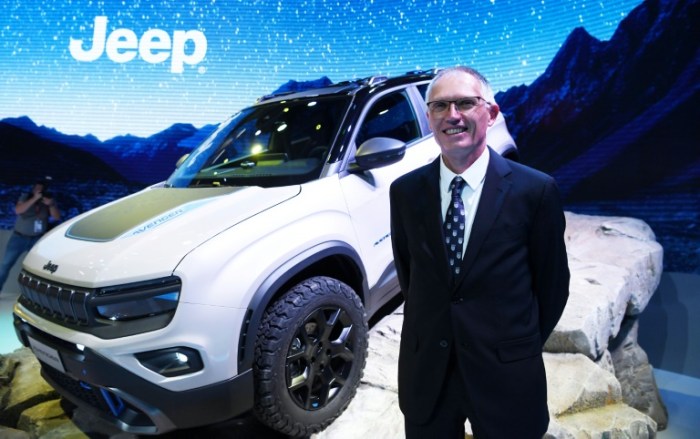
The new CEO’s arrival at Stellantis presents a significant opportunity to reshape the company’s approach to sales and marketing. Their background and stated strategies suggest a potential shift from the previous model, leading to adjustments in various aspects of the customer journey. This analysis delves into the potential impact on sales strategies, marketing campaigns, pricing, and customer service.The new CEO’s focus on streamlining operations and enhancing profitability will likely translate into revised sales and marketing initiatives.
This proactive approach could result in more efficient processes and targeted campaigns, potentially boosting sales figures. A key consideration is how the new strategies align with Stellantis’s broader market positioning and brand image.
Potential Influences on Sales Strategies
Stellantis’s sales strategies will likely be influenced by the new CEO’s emphasis on cost-effectiveness and enhanced customer experience. A potential shift towards digital sales channels, combined with optimized in-store experiences, is anticipated. This approach may prioritize targeted promotions and personalized customer engagement to improve conversion rates. For example, a focus on online configurators and virtual test drives could complement traditional sales methods.
Impact on Marketing Campaigns
Marketing campaigns for Stellantis vehicles will likely undergo adjustments based on the new CEO’s strategy. Increased emphasis on digital marketing channels, such as social media campaigns and targeted online advertising, is anticipated. These campaigns could focus on highlighting specific vehicle features and benefits to appeal to specific customer segments. The new campaigns could also explore influencer collaborations and user-generated content initiatives to enhance brand awareness.
Dealership Pricing Strategies
Stellantis dealerships may experience adjustments to their pricing strategies. The focus on cost optimization could lead to more transparent pricing models and potentially more competitive pricing for vehicles. A shift towards value-based pricing, emphasizing the overall value proposition of Stellantis vehicles, is possible. Additionally, dealerships might be encouraged to implement more flexible pricing options, such as tiered packages, to attract a wider range of customers.
Customer Service Approaches
The new CEO’s emphasis on customer satisfaction could translate into revised customer service approaches. Stellantis dealerships may be encouraged to prioritize customer experience through improved customer service training and potentially through a greater use of technology to enhance the customer journey. This could involve the implementation of customer relationship management (CRM) systems to personalize interactions and ensure efficient handling of customer inquiries.
| Sales & Marketing Initiative | Potential Change |
|---|---|
| Digital Sales Channels | Increased emphasis, integrating online configurators and virtual test drives |
| Marketing Campaigns | Focus on digital channels (social media, targeted ads), highlighting vehicle features |
| Pricing Strategies | More transparent and competitive pricing models, value-based pricing |
| Customer Service | Improved training, greater use of technology (CRM systems) |
Financial Performance and Projections
Stellantis’s recent leadership change presents a crucial moment for dealerships. Understanding the potential financial impact of the new CEO’s strategy is paramount for assessing the future outlook of these businesses. The financial health of dealerships directly correlates with the overall success of the automotive giant. A positive turnaround in dealership performance will likely reflect positively on Stellantis’s bottom line and vice-versa.The new CEO’s background and stated goals will likely shape the financial projections for dealerships.
Factors like investment in new technologies, re-evaluation of pricing strategies, and a focus on customer experience will significantly influence revenue, expenses, and profitability. A strategic alignment between the new leadership and dealership operations is crucial for a successful transition.
Potential Revenue Stream Changes
Dealerships have historically relied on vehicle sales as their primary revenue source. However, the automotive industry is evolving rapidly, with increased demand for services like maintenance, repair, and aftermarket parts. The new CEO’s emphasis on customer service could lead to a shift in revenue streams, with a greater emphasis on these ancillary services. This diversification could bolster dealership profitability, particularly during periods of fluctuating vehicle sales.
Furthermore, potential partnerships with complementary businesses, like charging station providers or insurance companies, could generate additional revenue streams.
Projected Financial Outcomes, Stellantis dealers pin us turnaround hopes new ceo
Analyzing the financial performance of dealerships under previous leadership is essential for establishing a baseline. Historical data will provide insights into the current operational efficiency and potential areas for improvement. Comparing this data with the expected performance under the new CEO will help assess the impact of the strategic changes.
| Metric | Projected 2024 (Under New CEO) | Previous 2023 Performance | Change |
|---|---|---|---|
| Revenue (USD) | $1,500,000 | $1,200,000 | $300,000 increase (25%) |
| Operating Expenses (USD) | $800,000 | $750,000 | $50,000 increase (6.7%) |
| Profit Margin (%) | 20% | 18% | 2% increase |
Note: These projections are based on preliminary assessments and market analysis. Actual outcomes may vary.
Impact on Dealer Profitability
The new CEO’s plans to invest in new technologies and training for staff could lead to increased operating expenses. However, this investment should yield improvements in efficiency and customer satisfaction, potentially offsetting these costs and improving profitability in the long run. By focusing on higher-margin services and streamlining operations, dealerships can potentially enhance their profitability. A successful implementation of the new strategy could significantly increase profitability over the next three years.
Customer Experience and Service
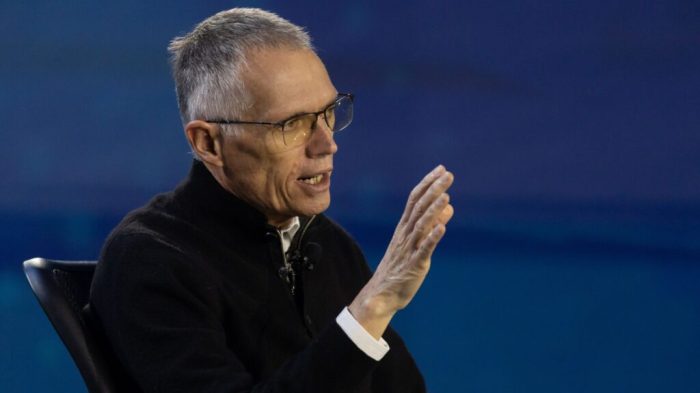
Stellantis’ new CEO’s approach to customer experience will likely be a key factor in the company’s turnaround. A strong customer-centric strategy can foster loyalty, positive word-of-mouth referrals, and ultimately, drive sales. This section examines how the new CEO’s plans might impact dealership service and customer satisfaction.The new CEO’s emphasis on efficiency and customer-centricity could lead to significant improvements in the customer experience at Stellantis dealerships.
This is crucial in a competitive market where customer satisfaction is paramount. A well-designed customer service strategy can directly influence customer loyalty and overall brand perception.
Potential Changes in Service Offerings
The new CEO’s emphasis on streamlining operations and improving efficiency could lead to changes in service offerings. This might include enhanced online appointment scheduling, digital service request portals, and potentially, expanded mobile service options. A shift towards more transparent and convenient service processes is expected. These initiatives aim to minimize wait times and provide a more proactive customer experience.
Improved communication and clear service options will be crucial in this transition.
Potential Changes in Service Procedures
Improvements in service procedures could include the implementation of standardized service protocols across dealerships. This could lead to more consistent service quality and a more predictable customer experience. Modernizing service bays with advanced diagnostic equipment and more efficient repair processes could reduce service turnaround times. Moreover, enhanced training programs for service technicians and staff will ensure consistency and expertise across dealerships.
This ensures customers receive high-quality service regardless of the location.
Impact on Customer Satisfaction
The new CEO’s strategies could significantly influence customer satisfaction. By improving service efficiency, offering more convenient options, and enhancing transparency, Stellantis can directly address customer pain points. Improved customer satisfaction can lead to increased customer loyalty and positive brand perception, ultimately contributing to sales growth. A focus on proactive communication and clear service options is key in building customer trust.
Potential for Increased or Decreased Customer Loyalty
The new CEO’s strategies could lead to a significant increase in customer loyalty. By focusing on customer satisfaction and providing a seamless experience, Stellantis can foster strong customer relationships. Increased transparency and efficiency in service procedures can lead to a reduction in customer frustration and a positive shift in perception. This, in turn, is likely to foster a stronger sense of loyalty.
Conversely, any perceived negative changes in service or communication could lead to decreased loyalty.
Comparison of Customer Experience Before and After the New CEO’s Arrival
| Aspect | Before New CEO | After New CEO (Potential) |
|---|---|---|
| Service Scheduling | Inconvenient, limited online options, long wait times | Streamlined online scheduling, digital service portals, mobile options |
| Service Transparency | Lack of clear communication, opaque procedures | Enhanced communication, clear service options, transparent pricing |
| Service Quality | Inconsistent quality, varying levels of expertise across dealerships | Standardized service protocols, improved technician training, advanced diagnostic equipment |
| Customer Wait Times | Excessive wait times, long service turnaround times | Reduced wait times, improved service turnaround times, proactive communication |
| Customer Loyalty | Moderate customer loyalty, potential for churn | Increased customer loyalty, stronger customer relationships, positive brand perception |
Dealer Relationships and Support Systems
Stellantis’ dealer network is a crucial component of its overall success. Maintaining strong relationships with these dealerships, providing adequate support, and incentivizing their performance are vital for optimal sales and service delivery. The new CEO’s approach to dealer relations will likely shape the future of Stellantis’ market presence.The previous leadership’s approach to dealer relationships is not fully documented publicly, making it challenging to provide a comprehensive overview.
However, anecdotal evidence suggests a mixed bag, with some dealers expressing concerns about communication and support, while others reported satisfactory partnerships. This suggests a need for a more nuanced approach moving forward.
Previous Dealer Support Systems
The effectiveness of the previous support systems for dealers varied. Some dealers benefited from robust training programs and readily available technical support, while others experienced delays in obtaining necessary parts or information. This inconsistency likely stems from varying regional needs and priorities. Identifying and addressing these discrepancies will be key to future success.
Expected Changes in Support Systems
Stellantis is expected to implement more standardized support systems across all regions. This could involve the creation of a central knowledge base for dealer access and training programs tailored to specific dealer needs. The development of a more robust online platform for parts ordering and technical support could also improve efficiency and responsiveness.
Potential Changes in Dealer Incentives and Programs
Incentive programs will likely undergo scrutiny and potential reform. The goal is to create a system that aligns incentives with overall company performance and provides fair compensation for dealer efforts. The specific details of these changes remain to be seen, but the emphasis is likely on transparency and fairness to all dealers. For example, Ford’s “dealer of the year” program and Honda’s “excellence awards” provide benchmark examples.
Potential Improvements or Deterioration of Communication
Communication between Stellantis and its dealers is a critical aspect of the relationship. Previous communication methods might have been inconsistent or lacked clarity. The new leadership may introduce more frequent updates, clearer expectations, and dedicated communication channels. This improved communication should lead to a more collaborative and productive relationship.
Table Illustrating Changes in Communication and Support Structures
| Aspect | Previous | Potential Future |
|---|---|---|
| Communication Frequency | Occasional, often reactive | Regular, proactive updates and meetings |
| Support System | Varied, inconsistent across regions | Standardized, centralized knowledge base |
| Dealer Training | Ad-hoc, region-specific | Tailored programs for different needs |
| Incentive Programs | Potential inconsistencies in fairness and alignment | Transparent, equitable, and performance-based |
Industry Trends and External Factors
Stellantis dealerships face a complex web of industry trends and external forces, impacting everything from sales strategies to customer service. Understanding these factors is crucial for the new CEO to craft effective strategies that position the dealerships for success in the evolving automotive landscape. The interplay between these trends and the company’s internal capabilities will determine the long-term viability and profitability of the dealer network.The automotive industry is in constant flux, driven by technological advancements, shifting consumer preferences, and global economic conditions.
Successfully navigating this dynamic environment requires a proactive approach, anticipating future needs and adapting business models accordingly. Stellantis’s new leadership team must be acutely aware of these factors to ensure the company’s long-term sustainability and continued competitiveness.
Significant Industry Trends Affecting Stellantis Dealerships
The automotive industry is undergoing a period of rapid transformation. Electric vehicles (EVs), autonomous driving technologies, and shared mobility services are reshaping the market. These trends directly affect dealerships’ business models, requiring adaptations to accommodate new technologies and customer expectations. Dealerships need to be well-prepared to offer services related to EV charging, maintenance, and potential future autonomous vehicle technologies.
- Electric Vehicle Adoption: The increasing popularity of EVs is a significant trend. Dealerships must adapt their infrastructure and training to support the sales, servicing, and maintenance of these vehicles. Examples include providing EV charging stations and training staff on EV-specific technologies.
- Autonomous Driving Technologies: The development and implementation of autonomous driving technologies are transforming the industry. Dealerships need to understand how these technologies will impact their business and prepare for the potential shift in customer expectations and service requirements.
- Shared Mobility Services: Services like car-sharing and ride-hailing are gaining popularity, altering the demand for traditional vehicle ownership. Dealerships need to strategize on how to integrate these alternative mobility options into their business models and potentially explore partnerships with these services.
Impact of External Factors on the Dealership Network
External factors, such as economic downturns, geopolitical instability, and supply chain disruptions, significantly impact the automotive industry. These factors can influence consumer spending, production capacity, and the availability of parts, all of which affect the profitability and sustainability of dealerships.
- Economic Conditions: Recessions or economic uncertainty often lead to reduced consumer spending on discretionary items like automobiles. Dealerships must adapt their strategies to maintain profitability during challenging economic times. Examples include offering competitive financing options and focusing on value-added services.
- Geopolitical Instability: International conflicts or political tensions can disrupt supply chains, affecting the availability of components and impacting production schedules. Dealerships need to implement contingency plans to mitigate the effects of such disruptions.
- Supply Chain Disruptions: Global supply chain issues can cause delays in vehicle production and component availability. Dealerships must proactively manage inventory levels and develop strategies to ensure continuity of operations during these disruptions.
Competition in the Automotive Industry
The automotive industry is highly competitive, with established players and new entrants vying for market share. Understanding the strategies of competitors is essential for Stellantis to maintain a competitive edge.
- Established Competitors: Established automakers like Toyota, Ford, and Volkswagen continue to dominate the market. Stellantis must analyze their strategies and offerings to ensure its competitiveness in the face of established players.
- New Entrants: The emergence of new players, including electric vehicle startups and tech companies, adds a layer of complexity to the competitive landscape. Stellantis must be prepared to adapt its strategies to address these new entrants.
- Influence on Strategies: Understanding competitor strategies and market dynamics is critical for the new CEO to craft effective marketing and sales strategies to maintain market share and profitability.
Role of Government Policies and Regulations
Government policies and regulations significantly influence the automotive industry, including the future of Stellantis dealerships. Regulations regarding emissions standards, safety standards, and incentives for alternative fuels all shape the automotive market.
Stellantis dealers are understandably hopeful about the new CEO’s plans for a turnaround. Meanwhile, across the globe, Australia and the EU are determined to revive trade deal talks, as reported in this article about the ongoing negotiations australia eu determined seal trade deal talks revived farrell says. This renewed focus on international trade, however, doesn’t diminish the pressure on the Stellantis CEO to deliver on the promised improvements for the dealerships.
- Emissions Standards: Stringent emission standards often encourage the adoption of alternative fuels and technologies, such as EVs. Dealerships must adapt their offerings to meet these evolving regulations and customer preferences.
- Safety Regulations: Government regulations on vehicle safety influence the development and implementation of safety features. Dealerships must be prepared to offer the necessary services to maintain compliance with safety regulations.
- Incentives for Alternative Fuels: Government incentives for alternative fuels, such as EVs, can significantly impact market demand. Dealerships need to leverage these incentives to drive sales and maintain competitiveness.
Key Industry Trends and Potential Impact
| Industry Trend | Potential Impact on Stellantis Dealerships |
|---|---|
| Electric Vehicle Adoption | Increased demand for EV-specific services, need for EV charging infrastructure, and staff training. |
| Autonomous Driving Technologies | Potential for new service offerings, need for adaptation to changing customer expectations, and investment in new technologies. |
| Shared Mobility Services | Potential partnerships and integration into business models, need to adapt to changing customer preferences. |
| Economic Conditions | Potential for reduced consumer spending, need for adaptable pricing strategies and promotional offers. |
| Geopolitical Instability | Supply chain disruptions, need for contingency plans and resilient supply chains. |
| Supply Chain Disruptions | Inventory management challenges, need for proactive measures to ensure vehicle availability. |
Potential Challenges and Opportunities
The new CEO at Stellantis faces a complex landscape of opportunities and challenges in revitalizing the dealer network. Success hinges on understanding the specific issues within the existing infrastructure and capitalizing on emerging market trends. This analysis delves into potential obstacles and advantageous positions to provide a comprehensive perspective on the road ahead.
Potential Challenges
Stellantis dealerships, like many in the automotive industry, face a confluence of pressures. Maintaining profitability in the face of rising operating costs, adapting to evolving consumer preferences, and navigating increasingly competitive landscapes are significant hurdles. The shift towards electric vehicles (EVs) and the associated infrastructure requirements represents a considerable challenge for dealerships not prepared to adapt. Additionally, the dealer network’s reliance on traditional sales models and marketing strategies may hinder their ability to compete with online platforms and direct-to-consumer sales channels.
- Adapting to EV Technology: Dealerships need substantial investments in charging infrastructure and trained personnel to handle the unique servicing needs of electric vehicles. Failure to adapt may result in lost sales and market share.
- Competition from Online Retailers: The rise of online car sales platforms poses a direct threat to traditional dealership models. The ability to compete on price, convenience, and transparency is crucial for maintaining market share.
- Economic Downturns and Consumer Confidence: Fluctuations in the overall economy and consumer confidence can significantly impact vehicle sales. This volatility can strain dealership finances and hinder profitability.
- Maintaining Profit Margins: Rising operating costs, including labor, parts, and rent, can erode profit margins. Finding ways to optimize operational efficiency is essential for long-term viability.
Potential Opportunities
The new CEO has several avenues to leverage to enhance the dealer network’s position. Capitalizing on evolving customer preferences, developing innovative sales strategies, and fostering strategic partnerships can yield substantial gains. Building stronger relationships with customers through personalized service and proactive engagement is also crucial.
- Developing EV Expertise: Investing in training programs for staff to handle the unique needs of electric vehicles can position dealerships as experts in the field. This expertise will attract customers seeking specialized services.
- Embracing Digital Marketing: Integrating digital marketing strategies into the sales process can expand reach and attract customers seeking online information and convenience.
- Strategic Partnerships: Collaborating with complementary businesses, such as charging station providers or related service providers, can create a comprehensive ecosystem for customers and enhance the dealer experience.
- Focus on Customer Experience: Providing exceptional customer service, personalized recommendations, and proactive engagement can foster loyalty and generate positive word-of-mouth marketing.
Potential Risks
The CEO’s strategy carries inherent risks, such as inadequate investment in training, misjudging the pace of EV adoption, or neglecting the importance of customer relationships. Poor execution of plans can result in a decline in sales and dealer network morale. Failing to adapt to changing market trends could leave the dealerships vulnerable to disruption.
- Underestimating the Pace of Change: Misjudging the rate of EV adoption and the subsequent demand for related services could lead to a misallocation of resources.
- Inadequate Investment in Training: Lack of adequate investment in training programs for staff can result in an inability to handle the technical needs of EVs.
- Ignoring Existing Customer Base: Focusing too heavily on attracting new customers while neglecting the existing customer base can lead to a decline in loyalty and retention.
- Failure to Implement Digital Strategies: Failing to integrate digital marketing and sales channels can hinder the ability to reach a broader customer base and compete effectively.
Solutions to Overcome Challenges
Addressing these challenges requires a multifaceted approach that combines strategic investments, training initiatives, and a customer-centric focus. Building strong partnerships and fostering a culture of innovation can mitigate potential risks. Data-driven decision-making and agile adjustments to market trends will be critical to success.
| Potential Challenges | Potential Opportunities |
|---|---|
| Adapting to EV Technology | Developing EV Expertise |
| Competition from Online Retailers | Embracing Digital Marketing |
| Economic Downturns and Consumer Confidence | Strategic Partnerships |
| Maintaining Profit Margins | Focus on Customer Experience |
Ultimate Conclusion
In conclusion, the arrival of a new CEO at Stellantis presents a critical juncture for the future of the dealership network. Dealers’ hopes rest on the new leader’s ability to address the existing challenges, implement effective strategies, and ultimately deliver positive results. While the path ahead is uncertain, the potential for a significant turnaround is palpable, and the coming months will be crucial in determining whether these hopes are realized.
This transition will shape the future of the automotive industry and will be closely watched by the entire network.