
Italy urges Israel stop offensive gaza respect humanitarian law, escalating the international pressure on Israel’s recent military actions in Gaza. This call highlights a growing concern over the humanitarian consequences of the conflict and the imperative to uphold international law. The situation underscores a complex interplay of historical tensions, geopolitical strategies, and the fundamental need for a peaceful resolution to this protracted crisis.
The Israeli-Palestinian conflict has a long and complicated history, marked by cycles of violence and diplomatic efforts. This recent escalation presents a critical moment for international intervention and the protection of civilians.
Italy’s position, alongside those of other nations, reflects a global consensus on the importance of upholding humanitarian law and protecting civilians during armed conflicts. This conflict has devastating consequences for the people of Gaza and underscores the urgent need for a ceasefire and a sustainable resolution to the ongoing conflict. The international community must work together to ensure that humanitarian aid reaches those in need and that all parties adhere to international law.
Background of the Conflict
The Israeli-Palestinian conflict, a protracted and complex geopolitical struggle, has deep historical roots, significantly impacting the current situation in Gaza. The conflict’s origins are entwined with competing claims to the land, religious significance, and historical narratives. Understanding these underlying factors is crucial to comprehending the current tensions and the ongoing humanitarian crisis.The conflict’s history is marked by periods of escalating violence, punctuated by attempts at peace negotiations and international intervention.
The current situation in Gaza is a direct consequence of decades of unresolved issues, deeply rooted in the political and social landscape of the region.
Historical Overview of the Israeli-Palestinian Conflict
The conflict’s roots trace back to the late 19th and early 20th centuries, with the rise of Zionist aspirations for a Jewish homeland in Palestine, a region already inhabited by Palestinian Arabs. The Balfour Declaration in 1917, supporting a national home for the Jewish people in Palestine, played a pivotal role in shaping the conflict’s trajectory. The subsequent British Mandate over Palestine further complicated matters, fostering increasing tensions between Jewish and Arab communities.
The 1948 Arab-Israeli War, the creation of Israel, and the displacement of Palestinian populations marked a turning point, with lasting consequences for both sides.
Key Events Leading to the Current Situation in Gaza
Several pivotal events have significantly shaped the current situation in Gaza. The 1967 Six-Day War resulted in Israel’s occupation of the Gaza Strip, and the West Bank. The 1990s Oslo Accords, intended to bring peace, ultimately failed to resolve the core issues, leading to continued conflict and instability. The 2006 Hamas victory in Palestinian elections and the subsequent Israeli blockade of Gaza further exacerbated the situation, creating severe humanitarian conditions and deepening the political divide.
The 2014 Gaza War and other instances of escalation have solidified the cycle of violence and suffering.
Role of International Organizations in Previous Conflicts
Numerous international organizations have attempted to mediate and address the Israeli-Palestinian conflict throughout its history. The United Nations, the League of Arab States, and various international NGOs have played roles in humanitarian aid, peace negotiations, and conflict resolution. However, these efforts have often been hampered by the lack of a unified stance and the deep-seated mistrust between the parties involved.
The UN Relief and Works Agency for Palestine Refugees in the Near East (UNRWA) has provided critical support to Palestinian refugees, a testament to the enduring humanitarian needs of the region.
Different Perspectives on the Conflict
The Israeli perspective often emphasizes the security concerns stemming from decades of violence and attacks. The Palestinian perspective highlights the need for self-determination, an end to the occupation, and a resolution that addresses the loss of land and displacement. Other stakeholders, including neighboring countries and international actors, have varied perspectives influenced by their geopolitical interests and values.
Geopolitical Implications of the Current Situation
The ongoing conflict in Gaza has significant geopolitical implications for the entire Middle East region. The instability in the region can influence regional relations, impacting international security and trade routes. The conflict also attracts global attention, influencing international policy and diplomacy. Regional powers often intervene in the conflict, showcasing the interwoven nature of regional and global politics.
Key Dates and Events in the Conflict
| Date | Event | Affected Parties |
|---|---|---|
| 1917 | Balfour Declaration | British Government, Zionist Movement, Palestinian Arabs |
| 1948 | Arab-Israeli War | Israel, Arab states, Palestinian Arabs |
| 1967 | Six-Day War | Israel, Egypt, Jordan, Syria, and other Arab states |
| 1993 | Oslo Accords | Israel, Palestine Liberation Organization |
| 2006 | Hamas victory in Palestinian elections | Palestinian Authority, Hamas, Israel |
Italy’s Position and Stance: Italy Urges Israel Stop Offensive Gaza Respect Humanitarian Law

Italy’s recent call for a ceasefire in Gaza reflects a complex interplay of domestic political pressures, historical ties with the region, and a desire to uphold international humanitarian law. The Italian government, navigating a delicate balance between its strategic interests and its moral obligations, is attempting to mediate a resolution to the escalating conflict. This stance is not without potential ramifications for Italy’s international relations.Italy’s foreign policy regarding the Israeli-Palestinian conflict has traditionally been characterized by a commitment to a two-state solution and a strong emphasis on humanitarian concerns.
This position, while not unequivocally pro-Palestinian or pro-Israeli, prioritizes the protection of civilians and the avoidance of further escalation. This nuanced approach distinguishes it from some other European nations.
Italy’s Past Statements and Actions
Italy has consistently voiced concerns about the humanitarian crisis in Gaza, often emphasizing the need for a cessation of hostilities. Specific examples include statements by high-ranking officials condemning the violence and calling for a negotiated settlement. These actions are not isolated incidents; they are part of a pattern of advocating for peaceful resolutions and humanitarian aid in the region.
Furthermore, Italy’s participation in international forums has consistently included calls for accountability and adherence to international humanitarian law.
Comparison with Other European Nations
A comparison of Italy’s position with those of other European nations reveals some variations in approach. While many European nations share Italy’s concern for the humanitarian situation, some may prioritize different aspects of the conflict. France, for instance, has traditionally been a strong supporter of Israel, though this support hasn’t necessarily been unconditional. The United Kingdom, while sharing concerns about the human cost, may have a slightly different focus on security implications.
Italy’s call for Israel to halt its offensive in Gaza and respect humanitarian law is definitely a serious issue. While the world watches, baseball’s excitement continues, as Bo Naylor’s stellar performance helped the Guardians slip past the Astros 4-2. This game highlights the need for a focus on the field, just as Italy’s call for a cessation of hostilities underscores the need for a respect of international humanitarian law in the region.
Hopefully, these parallel situations can inspire a better path forward in both sports and global affairs.
This diverse range of perspectives highlights the complexity of the issue.
Potential Motivations for a Ceasefire Call
Italy’s call for a ceasefire likely stems from a combination of factors. Firstly, the escalating humanitarian crisis in Gaza is a significant concern, motivating a response focused on alleviating suffering. Secondly, Italy may also seek to safeguard its economic and political interests in the region. Thirdly, a commitment to upholding international law and promoting peaceful conflict resolution is likely also a key driver.
Potential Consequences for Italy’s International Relations
Italy’s actions could potentially impact its relations with both Israel and other European nations. A strong stance against Israeli actions may strain relations with Israel, while a nuanced approach could be perceived differently by other nations. Maintaining balance in such a complex situation requires careful diplomacy. A nuanced approach may be more effective than taking an overtly pro-Palestinian stance, as this could alienate some important allies.
Comparison Table: Italy, US, France, and UK
| Country | Stance on Israeli-Palestinian Conflict | Key Considerations |
|---|---|---|
| Italy | Commitment to a two-state solution, humanitarian concerns paramount. | Balancing humanitarian concerns with economic and political interests. |
| US | Strong historical support for Israel, with recent calls for de-escalation. | Maintaining strategic alliances with Israel, safeguarding regional stability. |
| France | Support for Israel, but also vocal about humanitarian concerns. | Maintaining its role as a key player in the Middle East. |
| UK | Concerned about the humanitarian situation and security implications. | Maintaining its global role and strategic relationships. |
Israel’s Actions and Justification
Israel’s actions in Gaza have been met with significant international concern and condemnation, particularly regarding the humanitarian impact. Understanding Israel’s perspective requires a nuanced examination of its justifications for military operations, its security concerns, and the potential humanitarian consequences. This examination must be placed within the broader context of the ongoing conflict and the applicable international humanitarian law.Israel’s military actions in Gaza have involved a range of operations, including airstrikes, ground incursions, and the blockade of the Gaza Strip.
The intensity and duration of these actions have varied over time, with periods of heightened violence punctuated by periods of relative calm. The aim of these actions, according to Israel, is to counter Hamas’s actions and protect Israeli civilians from rocket attacks and other forms of violence.
Summary of Israel’s Actions in Gaza
Israel’s military actions in Gaza have been characterized by a range of tactics. Airstrikes targeting Hamas infrastructure and military positions have been a recurring feature, alongside ground operations aimed at disrupting Hamas’s activities. The blockade of the Gaza Strip has severely limited the movement of people and goods, impacting the humanitarian situation. Israel maintains that these actions are necessary for its security.
Israel’s Justifications for Military Actions, Italy urges israel stop offensive gaza respect humanitarian law
Israel’s justifications for its military actions often center on the perceived threat posed by Hamas and other militant groups in Gaza. Israel argues that these groups launch attacks on Israeli civilians, including rocket fire and other acts of violence. These actions are presented as a direct threat to Israeli security. The need for self-defense is frequently cited as a justification.
Israeli Perspective on the Conflict and Security Concerns
From the Israeli perspective, the conflict in Gaza is a struggle for its very survival. The consistent threat of rocket attacks and other acts of violence, emanating from Gaza, are viewed as a constant and immediate security concern. Israel emphasizes the need to deter these attacks and protect its citizens. The presence of Hamas and other militant groups, along with their ability to launch attacks, is a major security concern, and Israel maintains that the current actions are necessary to protect its citizens.
Potential Humanitarian Consequences of Israel’s Actions
Israel’s military actions in Gaza have resulted in significant humanitarian consequences. The targeting of civilian infrastructure and the disruption of essential services have had a profound impact on the civilian population. The blockade of Gaza has exacerbated the humanitarian crisis, leading to shortages of food, medicine, and other essential supplies. The potential consequences of these actions for the civilian population include displacement, injury, and loss of life.
Italy’s call for Israel to halt its offensive in Gaza and respect humanitarian law is a crucial step. While the world focuses on these urgent humanitarian issues, it’s inspiring to see athletes like Simone Biles using their platform to inspire positive change, as exemplified by her recent Simone Biles Impact Award. Ultimately, the international community must continue to advocate for peace and accountability in the region.
Comparison of Israel’s Actions with International Humanitarian Law
International humanitarian law (IHL) imposes limitations on the conduct of hostilities. Israel’s actions are subject to scrutiny under IHL, particularly regarding the distinction between combatants and civilians and the proportionality of military actions. The potential violation of IHL principles, if any, is a critical point of contention in the ongoing debate.
Table: Israel’s Claims Regarding Military Operations and Humanitarian Impact
| Israel’s Claim | Potential Humanitarian Impact |
|---|---|
| Targeting Hamas military infrastructure to prevent attacks on Israeli civilians. | Potential collateral damage to civilian infrastructure and potential civilian casualties. |
| Blockade of Gaza to restrict the flow of weapons to Hamas. | Significant humanitarian consequences due to the shortage of essential goods and services. |
| Self-defense against rocket attacks from Hamas. | Potential disproportionate response to the attacks and potential violation of IHL regarding proportionality. |
Humanitarian Impact of the Offensive
The relentless Israeli offensive in Gaza has unleashed a catastrophic humanitarian crisis. The sheer scale of destruction and suffering is staggering, impacting every facet of life for civilians caught in the crossfire. This section delves into the reported consequences, highlighting the urgent need for international intervention and sustained support.The ongoing conflict has resulted in a devastating humanitarian crisis, with widespread displacement, loss of life, and destruction of essential infrastructure.
Humanitarian organizations are working tirelessly to provide aid, but their efforts are often hampered by the complex security situation and restricted access to affected areas.
Reported Civilian Casualties
The death toll among civilians has risen sharply, with many more injured. Reports indicate a significant number of women and children among the casualties, highlighting the disproportionate impact on vulnerable populations. Accurate figures are difficult to obtain due to ongoing conflict and restrictions on access. However, independent organizations and international bodies continue to monitor the situation closely.
Displacement and Destruction of Infrastructure
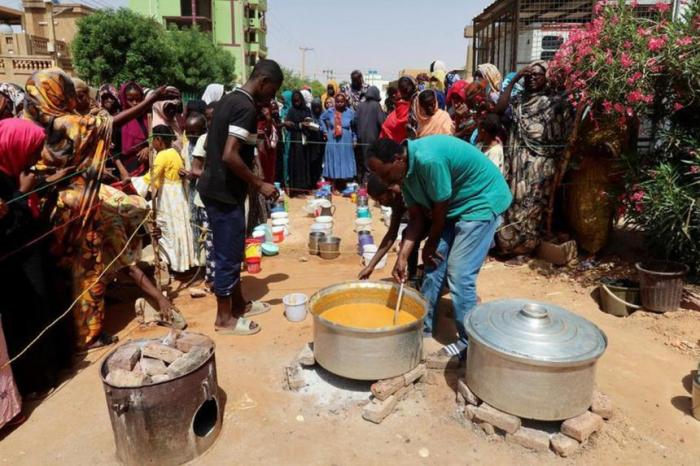
The relentless bombardment has forced tens of thousands of Palestinians to flee their homes, creating a massive displacement crisis. Homes, schools, hospitals, and other essential infrastructure have been significantly damaged or destroyed, severely impacting the ability of the population to meet basic needs. The disruption to essential services, such as water and sanitation, exacerbates the already dire situation.
Role of Humanitarian Organizations
Numerous humanitarian organizations, including the United Nations Relief and Works Agency for Palestine Refugees in the Near East (UNRWA) and various international NGOs, are working tirelessly to deliver aid to affected populations. Their efforts include providing emergency medical assistance, food, shelter, and essential supplies. However, their access to affected areas is often limited, hindering their ability to fully address the needs of the displaced and injured.
The constant threat of violence and insecurity creates significant challenges for humanitarian workers.
Potential Long-Term Effects
The long-term consequences of this conflict are likely to be profound and far-reaching. The destruction of infrastructure and the displacement of populations will undoubtedly hinder economic recovery and development in Gaza for years to come. The trauma suffered by individuals and communities will have lasting psychological effects, and the erosion of trust in institutions will require sustained efforts to rebuild.
Potential Humanitarian Aid Needs in Gaza
- Emergency Medical Assistance: The urgent need for medical supplies, equipment, and trained personnel to treat the wounded and sick is paramount. This includes hospitals, ambulances, and essential medications.
- Food Security: Ensuring access to sufficient food supplies for the displaced and vulnerable populations is critical to preventing malnutrition and starvation. Food distribution networks and food banks need to be expanded.
- Shelter and Accommodation: The provision of temporary and permanent housing for the displaced is crucial. This includes tents, shelters, and other forms of emergency housing.
- Clean Water and Sanitation: Access to clean water and sanitation facilities is essential to prevent the spread of disease, particularly in crowded and displaced communities.
- Psychosocial Support: Addressing the psychological trauma experienced by individuals and communities is critical. Mental health services and psychosocial support programs are needed.
Destruction of Infrastructure in Gaza
| Type of Infrastructure | Estimated Number of Structures Damaged/Destroyed | Description |
|---|---|---|
| Hospitals | 2+ | Essential medical facilities are targeted, limiting access to critical care and treatment for the injured. |
| Schools | 10+ | Educational facilities are destroyed, hindering the ability of children and youth to access education. |
| Homes | Thousands | The extensive destruction of homes displaces families and leads to a profound loss of shelter and security. |
| Essential Infrastructure (Water, Power, Sanitation) | Multiple | The damage to water, power, and sanitation systems severely limits the ability of civilians to meet basic needs. |
International Response and Pressure
The international community’s response to the escalating conflict in Gaza has been a complex tapestry of condemnation, diplomatic efforts, and humanitarian appeals. A myriad of voices, from individual nations to supranational organizations, have weighed in, though the effectiveness of these interventions remains a subject of ongoing debate. Varying levels of engagement and differing priorities have contributed to a fragmented response, with some nations taking a more proactive role than others.The response to the conflict has been largely characterized by a desire to mitigate the humanitarian crisis and pressure both sides to de-escalate the situation.
However, the divergence in national interests and geopolitical considerations often complicate these efforts, leading to a situation where unified action is challenging to achieve.
Reactions of Other Countries and International Organizations
Various nations have voiced their concerns and taken actions in response to the events. These range from strong condemnations of Israel’s actions to calls for a ceasefire and humanitarian aid. The degree of condemnation and the specific actions taken have differed, reflecting the complex geopolitical landscape and existing relationships.
Examples of Diplomatic Efforts and Pressure
Numerous diplomatic initiatives have been undertaken by various actors. These efforts include high-level talks, phone calls, and joint statements aiming to persuade both sides to engage in de-escalation. Specific examples include mediation attempts by neighboring countries, as well as direct appeals from international organizations.
Role of the UN and Other International Bodies
The UN, particularly the UN Security Council and the UN Human Rights Council, have played a central role in addressing the crisis. These bodies have issued statements, held meetings, and attempted to facilitate dialogue between the warring parties. Other international organizations, such as the Red Cross and various humanitarian aid groups, have been actively involved in delivering aid and providing support to the affected population.
Potential Consequences of Inaction by the International Community
Failure by the international community to act decisively and effectively could lead to further escalation of the conflict, a worsening humanitarian crisis, and a broader destabilization of the region. Past instances of inaction in similar situations have often resulted in prolonged conflicts and a greater loss of life. The absence of a strong international response can embolden aggressive actors and undermine the principles of international law and human rights.
Potential Obstacles to Resolving the Conflict
Several factors impede the resolution of the conflict. These include the deeply rooted political grievances, the presence of entrenched positions, and the complex interplay of regional rivalries. A lack of trust between the parties and a reluctance to compromise are also significant obstacles. Furthermore, the influence of external actors and the presence of competing geopolitical interests can complicate negotiations.
International Statements and Actions
| Country/Organization | Statement/Action |
|---|---|
| United States | Issued statements condemning violence and calling for de-escalation. |
| European Union | Issued joint statements expressing concern and calling for a ceasefire. |
| UN Security Council | Held multiple meetings and issued statements demanding respect for international humanitarian law. |
| Human Rights Watch | Released reports documenting human rights abuses and called for accountability. |
| Red Cross | Increased humanitarian aid efforts and provided emergency assistance to affected populations. |
Legal Implications and International Law
The ongoing conflict in Gaza raises profound legal questions under international humanitarian law (IHL). Scrutinizing Israel’s actions through this lens is crucial to understanding the potential ramifications and the path towards accountability. The principles of IHL are designed to mitigate the suffering of civilians during armed conflict and ensure respect for human dignity.International humanitarian law is a complex web of treaties and customary rules, meticulously crafted to regulate the conduct of warfare.
Italy’s call for Israel to halt its offensive in Gaza and respect humanitarian law is crucial. Meanwhile, the US approval of Sempras Port Arthur Phase 2 to export LNG, as detailed in this article , highlights the complex interplay of geopolitical factors. Ultimately, the international community must prioritize upholding humanitarian standards in Gaza.
It aims to balance the legitimate military objectives of states with the imperative to protect civilians and civilian infrastructure. Failure to adhere to these principles can have serious consequences, potentially leading to legal challenges and accountability mechanisms.
Relevant Provisions of International Humanitarian Law
International humanitarian law encompasses a broad range of provisions aimed at safeguarding civilians during armed conflict. These provisions address the distinction between combatants and civilians, the protection of civilians, and the prohibition of certain weapons and tactics.
- The principle of distinction requires armed forces to distinguish between combatants and civilians. Attacks must be directed at military objectives, avoiding harm to civilians and civilian objects. This principle, codified in the Geneva Conventions, is fundamental to IHL. Failure to adhere to this principle can lead to accusations of war crimes.
- Protection of civilians is paramount. IHL prohibits the targeting of civilians and the infliction of unnecessary suffering. The protection extends to hospitals, schools, and other essential civilian infrastructure. Attacks on these sites are considered violations of IHL.
- Prohibition of indiscriminate attacks: Attacks that are not directed at a specific military objective, or that employ weapons that cannot distinguish between combatants and civilians, are considered indiscriminate. These are violations of IHL.
Obligations of States Under International Law
States have specific obligations under international law when engaging in armed conflict. These obligations are derived from various treaties and customary rules.
- Respect for IHL: All states involved in an armed conflict are obligated to respect and comply with the provisions of IHL. Failure to do so constitutes a violation of international law.
- Duty to investigate alleged violations: States are obligated to investigate allegations of IHL violations within their jurisdiction. This includes ensuring that perpetrators are brought to justice. The investigation process must be transparent and impartial.
- Duty to ensure accountability: States must ensure that those responsible for violations of IHL are held accountable. This may involve criminal prosecutions in national courts or referral to international tribunals.
Potential Legal Ramifications for Israel’s Actions
Israel’s actions in Gaza are subject to scrutiny under international humanitarian law. Violations could lead to various legal ramifications, ranging from diplomatic pressure to international criminal prosecution.
- War crimes: If Israel’s actions are found to have violated the fundamental principles of IHL, such as the targeting of civilians or the use of indiscriminate weapons, it could face accusations of war crimes.
- Violation of the right to self-defense: While states have a right to self-defense, this right is not absolute. The use of force must be proportionate to the threat and comply with IHL. Excessive force could be considered a violation of the right to self-defense.
- Liability for damages: IHL recognizes the possibility of compensation for damages caused to civilians and their property as a result of violations. Compensation could be sought from the responsible party.
Role of International Courts and Tribunals in Conflict Resolution
International courts and tribunals play a vital role in resolving conflicts and ensuring accountability under IHL. These bodies can investigate, prosecute, and adjudicate cases involving violations of international law.
- International Criminal Court (ICC): The ICC has jurisdiction to investigate and prosecute individuals for war crimes, crimes against humanity, and genocide. The ICC can investigate potential violations in Gaza.
- International Court of Justice (ICJ): The ICJ can rule on disputes between states regarding the interpretation and application of international law, including IHL. The ICJ’s role in conflict resolution is often focused on the diplomatic aspects.
- National courts: National courts can also play a role in investigating and prosecuting violations of IHL. Domestic legal systems can contribute to ensuring accountability.
Comparison of IHL Application to Different Conflicts
The application of IHL varies depending on the specifics of each conflict. Factors like the nature of the conflict, the involvement of non-state actors, and the geopolitical context can influence the application of IHL. This makes each case unique and requires careful consideration.
Key International Laws and their Relevance to the Conflict
| Law/Convention | Relevance to Gaza Conflict |
|---|---|
| Geneva Conventions (especially Conventions I-IV) | Addresses the protection of civilians, wounded soldiers, and prisoners of war. Crucial in evaluating compliance with IHL. |
| Additional Protocols to the Geneva Conventions | Provides further detail on IHL and addresses issues such as internal conflicts. Relevant to the situation in Gaza. |
| Rome Statute of the International Criminal Court | Establishes the ICC’s jurisdiction over war crimes, crimes against humanity, and genocide. Potential for the ICC to investigate alleged violations. |
Potential Solutions and Diplomatic Strategies
The escalating conflict in Gaza demands immediate and comprehensive diplomatic efforts. Finding a path towards de-escalation and a sustainable resolution requires a multifaceted approach involving various actors, recognizing the complex interplay of political, social, and humanitarian factors. A concerted effort by international mediators, regional powers, and the involved parties is crucial to prevent further suffering and pave the way for a lasting peace.A successful diplomatic strategy must address the root causes of the conflict, fostering trust and understanding between the opposing sides.
This requires a focus on addressing the legitimate grievances of both Israelis and Palestinians, while ensuring accountability for violations of international law.
Potential Strategies for De-escalation and Conflict Resolution
Diplomatic engagement is paramount in de-escalating tensions. Mediation efforts, facilitated by neutral parties, can create a platform for dialogue and negotiation. These negotiations should involve direct talks between Israeli and Palestinian representatives, facilitated by trusted mediators. This approach aims to build trust and identify common ground for compromise.
Examples of Successful Diplomatic Interventions in Similar Situations
Several instances illustrate the potential of diplomatic intervention in similar conflicts. The Oslo Accords, while not a perfect solution, demonstrate how negotiations, even under intense pressure, can achieve incremental progress towards peace. The Dayton Agreement, which ended the Bosnian War, showcases the role of international mediation in achieving a cease-fire and a framework for future cooperation. Careful consideration of these precedents can inform the development of strategies for the current situation.
The Role of Mediation and Negotiation in Achieving a Peaceful Resolution
Mediation and negotiation are essential tools in achieving a lasting peace. Mediators act as neutral facilitators, encouraging communication and compromise. Effective negotiation strategies include identifying shared interests, exploring potential trade-offs, and developing mutually acceptable solutions. The involvement of trusted mediators can foster a sense of trust and encourage the parties to engage in good-faith negotiations.
Potential Obstacles to Implementing These Strategies
Despite the potential of diplomatic solutions, several obstacles may hinder their implementation. Mutual distrust and deeply entrenched political positions can create significant roadblocks to negotiations. External pressures and regional dynamics can also influence the willingness of parties to compromise. A lack of political will from key actors can also obstruct the process. The need for accountability for past actions, including human rights abuses, is another important consideration, and a critical factor for trust-building.
Proposed Plan for a Peaceful Resolution (Steps and Timelines)
This plan Artikels a phased approach to achieve a peaceful resolution.
- Phase 1 (Immediate): Ceasefire and humanitarian aid access. This involves immediate negotiations between Israel and Palestine for a ceasefire, ensuring humanitarian aid reaches those in need, and allowing for the safe passage of people and goods. This phase should be implemented within 72 hours.
- Phase 2 (Short-term): Establishment of a joint monitoring mechanism to oversee the ceasefire and ensure compliance with international humanitarian law. This mechanism, involving international observers, should be established within 14 days of the ceasefire.
- Phase 3 (Medium-term): Initiation of direct negotiations between Israeli and Palestinian representatives under the supervision of international mediators. These talks should focus on core issues such as borders, security, and the status of Jerusalem. This phase should commence within 30 days of the establishment of the joint monitoring mechanism.
- Phase 4 (Long-term): Implementation of a comprehensive peace agreement addressing the underlying causes of the conflict, including a just solution for refugees, and creating conditions for lasting peace. This phase requires ongoing engagement and diplomatic efforts, possibly lasting for several years. A time frame cannot be precisely defined, but a roadmap for a long-term solution needs to be developed.
Potential Diplomatic Strategies and Their Potential Impact
| Diplomatic Strategy | Potential Impact |
|---|---|
| International Mediation by UN or other neutral actors | Could facilitate dialogue, build trust, and potentially lead to a ceasefire and negotiated solution. |
| Targeted Sanctions on Individuals or Groups Involved in Violence | Could potentially deter further violence and hold accountable those responsible for violations of international law. |
| Economic Incentives for Cooperation | Could create opportunities for mutual gain, encouraging both sides to engage in peace processes. |
| Regional Conferences | Could foster a wider regional approach to the conflict and encourage cooperation among regional actors. |
Illustrative Examples

The ongoing conflict in Gaza, marked by intense Israeli military action, underscores the devastating humanitarian consequences of armed conflict. Understanding these impacts requires examining similar situations in other regions to glean valuable insights. Drawing comparisons, while not a direct equivalence, can illuminate the gravity of the situation and highlight the urgency of preventing such crises.This section explores illustrative examples of humanitarian crises in other regions, compares the impact of the Gaza offensive with other conflicts, and delves into specific military tactics, their impact on civilians, historical precedents, and the long-term consequences for the affected populations.
These examples are meant to underscore the universal need for respect for humanitarian law and the imperative to find peaceful resolutions to conflict.
Humanitarian Crises in Other Regions
The devastating impact of conflict extends far beyond Gaza. Numerous conflicts around the world have resulted in significant humanitarian crises. The Syrian civil war, for instance, has led to millions of displaced people and widespread suffering. The ongoing conflicts in Yemen and Afghanistan have also caused immense human suffering, including widespread food insecurity and disease outbreaks. These examples demonstrate the enduring nature of humanitarian crises, their long-lasting effects, and the importance of preventive measures.
Comparison of Humanitarian Impact
Comparing the humanitarian impact of the Gaza offensive with other conflicts is complex. Direct quantitative comparisons are challenging due to the different contexts and methodologies of data collection. However, the scale of displacement, the loss of life, and the destruction of infrastructure in Gaza are comparable to, and in some cases exceed, those seen in other recent conflicts. A crucial difference lies in the disproportionate impact on civilians in Gaza, raising serious questions about the adherence to international humanitarian law.
Impact of a Particular Military Tactic on Civilians
The use of indiscriminate air strikes, a tactic frequently employed in modern conflicts, is a prime example of how military actions can disproportionately harm civilians. Such strikes often fail to distinguish between combatants and non-combatants, leading to devastating casualties among civilians and the destruction of essential infrastructure. This lack of precision in targeting has severe humanitarian consequences, causing widespread suffering, displacement, and undermining the ability of affected populations to recover.
The impact of such tactics extends beyond immediate casualties, affecting the long-term physical and mental well-being of individuals and communities.
Historical Precedent for a Similar Conflict Resolution
While no conflict is exactly identical, the Israeli-Palestinian conflict has parallels with other historical conflicts involving protracted disputes and limited diplomatic solutions. The Bosnian War, for example, presented a similar scenario of ethnic tensions and the need for international intervention. The international community’s response to the Bosnian crisis, though not without its shortcomings, highlights the importance of international pressure and the potential for negotiated settlements.
Long-Term Impacts on the Affected Population
The long-term impacts of conflict extend far beyond the immediate aftermath. Displacement, trauma, and loss of livelihoods create lasting social and economic hardship for individuals and families. The destruction of homes, schools, and hospitals hinders the development of communities and undermines their capacity to rebuild. These long-term effects often create a cycle of poverty and instability, impacting generations to come.
Summary Table: Historical Precedents and Comparisons
| Conflict | Key Characteristics | Humanitarian Impact | Resolution Attempts |
|---|---|---|---|
| Bosnian War | Ethnic tensions, international intervention | Mass displacement, civilian casualties | International pressure, peace agreements |
| Gaza Offensive | Israeli military action, Palestinian resistance | High civilian casualties, widespread destruction | International condemnation, calls for cease-fire |
| Syrian Civil War | Protracted civil war, foreign intervention | Millions displaced, widespread violence | Limited success in finding resolution |
Final Review
In conclusion, Italy’s call for Israel to cease its offensive in Gaza and respect humanitarian law underscores the urgent need for a peaceful resolution to the Israeli-Palestinian conflict. The humanitarian crisis in Gaza demands immediate attention and action from the international community. The long-term implications of inaction are profound, and the need for a diplomatic solution is paramount.
This situation underscores the importance of upholding international law and protecting civilians during armed conflict.