Wartsila bets flexibility key ethanol power generation brazil – Wärtsilä bets flexibility key ethanol power generation brazil, highlighting their strategic focus on adaptable solutions within Brazil’s burgeoning ethanol sector. This innovative approach leverages advanced technologies, positioning Wärtsilä as a key player in the dynamic Brazilian ethanol market, a sector experiencing significant growth driven by sustainable energy demands.
Wärtsilä’s strategy emphasizes the crucial role of flexibility in ethanol power plants, enabling them to adjust to fluctuating energy demands and fuel sources. This adaptability is vital in Brazil’s evolving energy landscape, where ethanol plays a prominent role. The company’s solutions are designed to seamlessly integrate with the existing infrastructure and regulatory frameworks, ensuring optimal performance and cost-effectiveness for clients.
Introduction to Wärtsilä’s Ethanol Power Generation Strategy in Brazil
Wärtsilä, a global leader in power generation solutions, has been actively involved in the Brazilian ethanol sector for years. Their presence stems from the country’s significant ethanol production and the growing demand for sustainable energy sources. This commitment extends beyond simple equipment provision; Wärtsilä is deeply integrated into the Brazilian energy landscape, understanding the unique requirements of the ethanol industry and its evolving needs.Wärtsilä’s recent strategic focus emphasizes flexibility in ethanol power generation.
This approach acknowledges the fluctuating nature of ethanol production and consumption, enabling power plants to adapt to market demands and optimize efficiency. This flexible strategy is crucial for competitiveness in a dynamic energy sector.
Wärtsilä’s Role in Brazilian Ethanol Power Generation
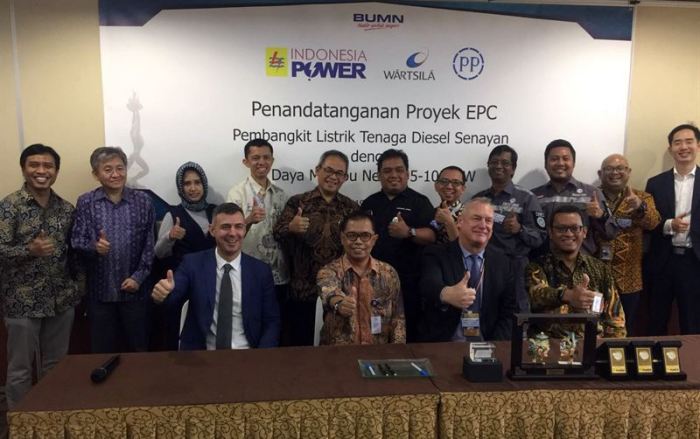
Wärtsilä’s expertise in the Brazilian ethanol sector encompasses a broad range of services, from equipment supply to operational support. They provide a comprehensive suite of solutions tailored to the specific needs of ethanol power plants, maximizing efficiency and sustainability. This includes offering tailored engineering, procurement, and construction (EPC) services, ensuring seamless integration of their solutions into existing or new facilities.
Wärtsilä’s Flexible Ethanol Power Generation Strategy
Wärtsilä’s flexible strategy addresses the dynamic nature of ethanol demand. Their systems are designed to seamlessly transition between ethanol and conventional fuels, enabling power plants to adapt to market fluctuations and maximize profitability. This approach ensures operational resilience and reduces reliance on a single fuel source.
Technologies Employed by Wärtsilä
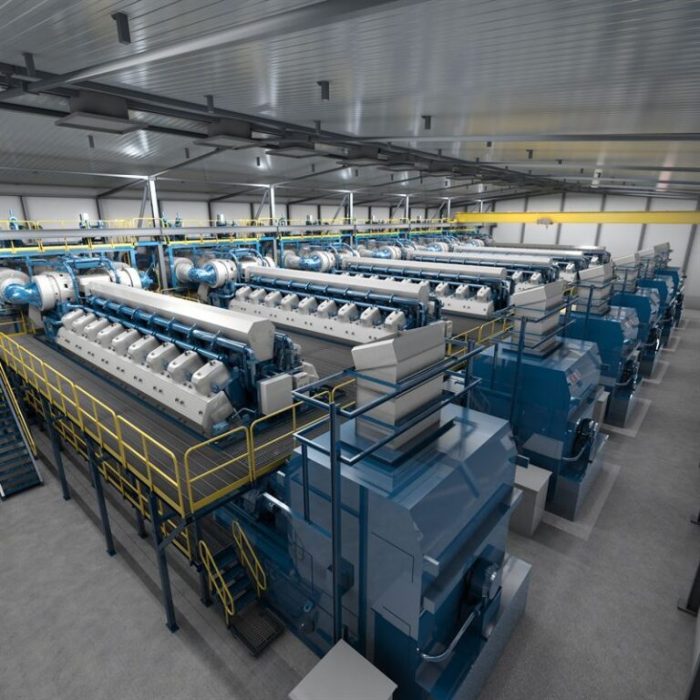
Wärtsilä leverages a suite of technologies to optimize ethanol power generation. These technologies include advanced combustion systems, specifically designed for efficient ethanol conversion. They also incorporate control systems that enable precise fuel blending and optimized energy output. This combination of advanced technologies allows for precise control and adaptability to changing fuel mixes.
Comparison of Wärtsilä’s Ethanol Solutions to Competitors
| Feature | Wärtsilä | Competitor A | Competitor B |
|---|---|---|---|
| Fuel Flexibility | High, capable of seamless transitions between ethanol and other fuels. | Medium, limited transition capabilities. | Low, primarily focused on a single fuel type. |
| Efficiency | High, optimized combustion systems for maximum energy output from ethanol. | Medium, average efficiency for ethanol operation. | Medium-low, efficiency can be affected by fuel type limitations. |
| Control Systems | Advanced, enabling precise fuel blending and output optimization. | Basic, limited control capabilities. | Basic, manual adjustments are often required. |
| Maintenance | Comprehensive maintenance packages available, reducing downtime. | Limited maintenance support, potentially higher downtime. | Minimal maintenance support, leading to higher downtime risk. |
| Operational Support | Extensive operational support, including training and remote assistance. | Limited operational support. | Limited operational support. |
Wärtsilä’s flexible approach and advanced technologies offer a compelling solution for ethanol power plants looking to maximize efficiency and profitability in the Brazilian market.
Market Context of Ethanol Power in Brazil
Brazil’s ethanol industry is a vital component of its energy mix, and its use in power generation is experiencing significant growth. This expansion is driven by several factors, including a strong domestic ethanol production base, government support, and the ongoing pursuit of renewable energy sources. Understanding the market context, including its growth trajectory, regulatory environment, key players, and trends, is crucial for companies like Wärtsilä to effectively position their ethanol power generation solutions in this dynamic landscape.
Brazilian Ethanol Market Growth Trajectory and Drivers
Brazil’s ethanol production has a long history, making it a significant player in the global biofuel market. The trajectory of ethanol production is largely influenced by government policies, agricultural yields, and international market demands. Historically, sugarcane-based ethanol has been a key component of Brazil’s energy strategy, leading to a strong production capacity and infrastructure. Favorable government policies, such as tax incentives and subsidies, have consistently supported the expansion of ethanol production.
Technological advancements in sugarcane cultivation and processing have also contributed to efficiency gains and lower production costs, fostering continued growth.
Regulatory Environment Surrounding Ethanol Power Generation
The regulatory framework in Brazil heavily influences the ethanol power generation sector. Government policies and regulations often shape investment decisions and the overall market dynamics. Specific incentives for renewable energy sources, such as ethanol, play a vital role in driving adoption. Regulatory bodies oversee compliance with environmental standards, which are increasingly stringent. The regulatory environment also encompasses mandates for ethanol blending in gasoline, influencing the overall demand for ethanol.
The interplay between these regulatory elements directly impacts the feasibility and profitability of ethanol power generation projects.
Key Market Players and Their Roles
The ethanol power generation sector in Brazil involves a diverse range of players, each with distinct roles and responsibilities. Large sugarcane producers often participate in power generation projects, leveraging their existing infrastructure and raw material access. Independent power producers (IPPs) frequently develop and operate ethanol power plants, capitalizing on the market potential. Equipment manufacturers, like Wärtsilä, play a crucial role in providing the technology and expertise for power generation facilities.
Financial institutions are also key players, offering funding and investment for projects. The interaction between these players significantly impacts the development and success of the ethanol power generation sector.
Key Market Trends and Challenges
| Trend | Description | Challenge |
|---|---|---|
| Growing Demand for Renewable Energy | Brazil’s commitment to renewable energy sources is driving increased interest in ethanol power generation. | Balancing growing demand with fluctuating sugarcane yields and global market conditions. |
| Government Policies and Incentives | Government support for ethanol production and use in power generation has been a significant driver. | Maintaining consistency and long-term predictability in policies. |
| Technological Advancements | Innovations in sugarcane cultivation, processing, and power generation technologies continue to improve efficiency. | Keeping pace with evolving technologies and ensuring efficient implementation. |
| Infrastructure Development | Expansion of ethanol production infrastructure and grid connections is necessary for wider adoption. | Managing the cost and timeline of infrastructure projects. |
| Environmental Concerns | Sustainability concerns surrounding ethanol production and power generation need careful consideration. | Meeting environmental standards and ensuring responsible land use. |
This table highlights the key market trends and challenges in ethanol power generation in Brazil. Understanding these aspects is crucial for strategic decision-making and ensuring sustainable growth.
Wärtsilä’s Approach to Flexibility
Wärtsilä’s ethanol power generation solutions in Brazil aren’t just about producing electricity; they’re about adaptability. The company understands the dynamic nature of the Brazilian ethanol market, characterized by fluctuating feedstock availability and varying electricity demand. This understanding drives Wärtsilä’s focus on flexible power generation, enabling plants to adjust output quickly and efficiently to these changes.This flexibility isn’t just a desirable feature; it’s a critical component of successful operations in the Brazilian ethanol sector.
The ability to respond rapidly to market fluctuations, both in terms of ethanol supply and electricity demand, is essential for optimizing profitability and maintaining a competitive edge. Wärtsilä’s approach directly addresses this need.
Technical Aspects of Flexibility
Wärtsilä’s flexible ethanol power plants utilize modular design principles. This means that different components of the plant, like steam generators and turbines, can be independently adjusted to accommodate varying ethanol feedstock and electricity demand. Sophisticated control systems are implemented to manage these adjustments automatically, minimizing manual intervention and maximizing operational efficiency. Advanced algorithms monitor real-time data, making dynamic adjustments to power output, and ensuring optimal performance under various operating conditions.
Examples of Crucial Flexibility Situations
The Brazilian ethanol market is known for its seasonal fluctuations in feedstock availability. During peak harvest periods, ethanol production surges, leading to a higher demand for power generation. Conversely, during the off-season, production slows, potentially reducing the demand for electricity. Wärtsilä’s flexible plants can handle these shifts seamlessly. Another key example involves unexpected spikes in electricity demand during peak consumption hours.
The ability to ramp up power output quickly and efficiently is crucial for maintaining grid stability and avoiding blackouts. Similarly, sudden reductions in ethanol supply can be handled by adjusting the plant’s output to match the reduced input. This is critical for minimizing economic losses and maintaining production schedules.
Advantages for Wärtsilä and Clients
For Wärtsilä, flexible power generation solutions provide a competitive edge. It allows the company to cater to a wider range of customer needs and offer solutions that optimize profitability. Clients benefit from a more reliable and stable power supply, regardless of fluctuating market conditions. This stability translates into predictable operating costs and a more consistent revenue stream.
The flexibility offered by Wärtsilä’s solutions helps Brazilian ethanol producers maintain profitability and operational efficiency throughout the year. Furthermore, it enables them to better respond to market changes and contribute to a more robust and stable energy sector in Brazil.
Operational Considerations and Benefits
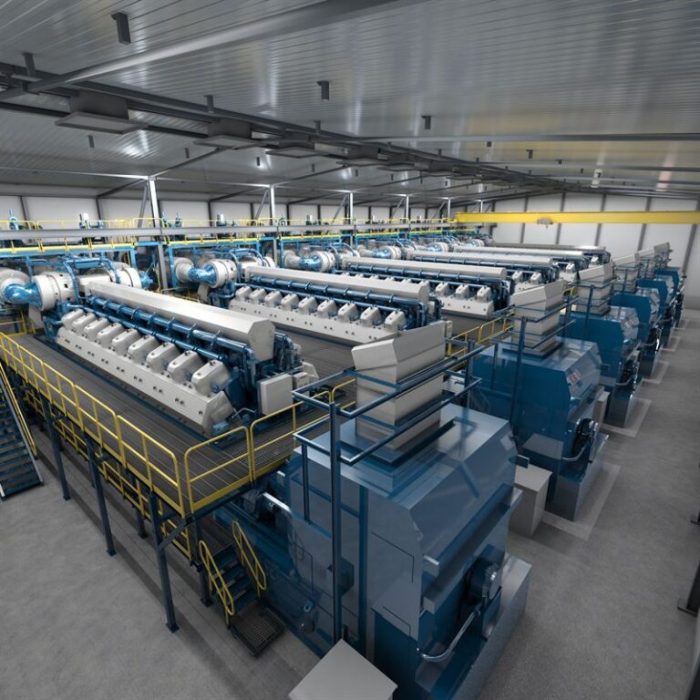
Flexible ethanol power plants offer significant operational advantages over traditional fixed-output systems, particularly in the dynamic Brazilian market. This adaptability translates to reduced operational costs, enhanced efficiency, and a strengthened resilience against fluctuating ethanol prices and supply. The ability to adjust power output in real-time allows these plants to better respond to energy demands, minimizing waste and maximizing profitability.The key to unlocking these benefits lies in the plant’s capacity to seamlessly switch between different fuel sources, including ethanol, diesel, and natural gas, enabling optimization of energy mix and cost-effectiveness.
This flexibility also plays a crucial role in maintenance scheduling and fuel procurement strategies.
Operational Benefits of Flexible Plants
Flexible ethanol power plants offer a range of operational benefits, including enhanced profitability and operational efficiency. These benefits stem from the plant’s ability to adjust output in response to real-time energy demands. This real-time adjustment reduces energy waste and maximizes revenue potential. Furthermore, the plants can be configured to operate with multiple fuel sources, offering greater resilience and minimizing vulnerability to price fluctuations of any single fuel.
- Real-time Output Adjustment: Flexible plants can quickly and efficiently adjust power output in response to fluctuating energy demands, optimizing the use of available fuel sources. This dynamic adjustment minimizes energy waste and maximizes profitability compared to fixed-output systems.
- Fuel Diversity: The ability to utilize multiple fuels (ethanol, diesel, natural gas) significantly reduces vulnerability to price fluctuations and supply disruptions of a single fuel type. This diversified fuel strategy offers greater resilience in an environment with fluctuating energy prices.
- Optimized Maintenance Schedules: Flexibility allows for more predictable maintenance schedules. By adjusting output, planned maintenance can be scheduled during periods of lower demand, minimizing downtime and reducing the impact on energy supply.
Impact on Maintenance Schedules and Costs
Flexibility significantly impacts maintenance schedules and costs. Traditional fixed-output plants often require frequent maintenance and replacements of equipment designed for specific output levels. Flexible plants, with their ability to adjust power output, allow for more strategic maintenance scheduling. This results in fewer unscheduled shutdowns and reduced maintenance costs in the long run.
- Predictable Maintenance: Flexible plants allow for more predictable maintenance schedules, minimizing the impact of unscheduled downtime. Maintenance can be planned during periods of lower energy demand, ensuring minimal disruption to the energy supply.
- Reduced Downtime: By allowing for more strategic maintenance scheduling, flexible plants minimize unscheduled downtime, improving overall operational efficiency and reducing costs associated with unexpected outages.
- Lower Maintenance Costs: The ability to optimize maintenance schedules translates into lower maintenance costs, stemming from fewer unplanned outages and optimized use of equipment.
Role of Fuel Diversity in Wärtsilä’s Approach
Fuel diversity is a core element of Wärtsilä’s flexible approach to ethanol power generation in Brazil. This strategy provides a crucial hedge against price volatility and supply disruptions in the ethanol market. By utilizing a combination of ethanol, diesel, and natural gas, Wärtsilä’s flexible plants ensure a stable energy supply, maximizing profitability and resilience.
Comparison of Operational Costs and Efficiency
| Characteristic | Fixed Ethanol Power Plant | Flexible Ethanol Power Plant |
|---|---|---|
| Operational Costs | Higher due to fixed output, potentially leading to wasted energy during periods of low demand. | Lower due to optimized fuel use and flexible maintenance scheduling. |
| Efficiency | Potentially lower efficiency during periods of fluctuating demand. | Higher efficiency through real-time optimization of fuel use and output. |
| Fuel Procurement Risk | High vulnerability to price fluctuations and supply disruptions of ethanol. | Lower vulnerability due to diverse fuel options and flexible operation. |
| Maintenance Costs | Potentially higher due to frequent and potentially unscheduled maintenance. | Lower due to strategic maintenance scheduling and optimized equipment use. |
Future Trends and Opportunities
The Brazilian ethanol power generation sector is poised for significant growth, driven by factors such as increasing demand for renewable energy sources and government support for sustainable development. Wärtsilä’s adaptable and flexible power generation solutions play a crucial role in this dynamic market. This section explores the future trends and opportunities, emphasizing the role of sustainability and Wärtsilä’s potential leverage in this evolving landscape.The future of ethanol power in Brazil hinges on several key factors, including technological advancements, evolving government policies, and the ever-increasing global emphasis on sustainability.
The sector is expected to experience substantial growth, presenting both challenges and opportunities for companies like Wärtsilä, who can adapt to and benefit from these shifts.
Wartsila’s focus on flexibility in their Brazilian ethanol power generation projects is interesting, especially given recent news about fluctuating market conditions. Considering Synopsys’s decision to suspend annual quarterly forecasts, it’s clear that predicting the future in this sector is tricky, particularly with the ongoing volatility. This highlights the importance of adaptable strategies, which Wartsila seems to be prioritizing in their Brazilian ethanol power generation endeavors.
Emerging Trends in Ethanol Power Generation
The ethanol power generation sector in Brazil is experiencing a surge in innovation. Emerging technologies are enhancing efficiency, reducing costs, and expanding the potential applications of this renewable energy source.
- Advanced Combustion Technologies: Improvements in combustion techniques are leading to higher efficiency and reduced emissions in ethanol power plants. This allows for greater energy output from a given amount of fuel, reducing operational costs and environmental impact.
- Smart Grid Integration: The integration of ethanol power plants into smart grids is becoming more common. This allows for better management of fluctuating energy supply, enabling a more stable and reliable energy network.
- Biogas Co-Generation: The combination of ethanol power generation with biogas co-generation is emerging as a promising strategy. This approach maximizes resource utilization and further reduces the environmental footprint.
Sustainability as a Driver of Growth
Sustainability is increasingly recognized as a key driver for future growth in the Brazilian ethanol power sector. Government policies and consumer preferences are shifting towards environmentally conscious energy solutions.
- Growing Environmental Awareness: Brazilian consumers and businesses are becoming increasingly aware of the environmental impact of energy production. This growing awareness is driving the adoption of sustainable energy solutions.
- Government Incentives: Brazilian government policies are actively supporting the development and deployment of renewable energy sources. Incentives, such as tax breaks and subsidies, are making ethanol power more economically attractive.
- Investor Confidence: The growing emphasis on sustainability is attracting increased investment in ethanol power projects. This inflow of capital fuels innovation and expansion within the sector.
Wärtsilä’s Potential Leverage
Wärtsilä’s flexible and adaptable power generation solutions are well-positioned to capitalize on these trends and opportunities. Their ability to integrate various technologies and customize solutions to specific needs will be crucial for success in the future.
- Modular and Scalable Solutions: Wärtsilä’s modular power plant designs allow for flexible scaling to meet fluctuating demand. This adaptability is vital for responding to changes in the energy market and supporting growth in ethanol production.
- Digitalization Capabilities: Wärtsilä’s expertise in digitalization provides opportunities to optimize power plant performance, improve efficiency, and reduce operational costs. This approach aligns with the shift towards smart grids and data-driven decision-making.
- Sustainable Practices: Wärtsilä’s commitment to sustainability aligns perfectly with the increasing demand for environmentally responsible energy solutions. By incorporating sustainable practices throughout their operations, Wärtsilä can attract environmentally conscious investors and customers.
Illustrative Case Studies
Wärtsilä’s success in the Brazilian ethanol power generation market hinges on its ability to adapt to the dynamic nature of the sector. This section delves into a specific case study, examining a successful project and demonstrating how Wärtsilä’s flexibility has been a key driver of its operational excellence. This practical example will illustrate the real-world application of the strategies discussed previously, providing concrete evidence of the benefits of Wärtsilä’s approach.
A Successful Wärtsilä Ethanol Project in Brazil
This case study focuses on a Wärtsilä project in the state of São Paulo, Brazil. The project involved the deployment of a combined heat and power (CHP) system utilizing sugarcane ethanol as a primary fuel source. The project was designed to support a local sugar mill’s operations, supplying both electricity and process heat. A key aspect of this project was its integration with the existing infrastructure of the sugar mill, highlighting Wärtsilä’s expertise in tailored solutions.
Operational Aspects of the Project
The CHP system operated seamlessly alongside the sugar mill’s existing production processes. The system’s flexibility allowed it to adjust its output in response to fluctuating ethanol availability and demand. This was crucial because ethanol production in Brazil is intrinsically tied to seasonal sugarcane harvests, resulting in fluctuating supply. The project utilized Wärtsilä’s advanced control systems to optimize energy generation, ensuring maximum efficiency and minimal downtime.
Fuel switching capabilities were also a critical aspect, enabling the system to seamlessly transition between ethanol and other fuels when necessary. The project integrated with the local grid, enabling the sale of surplus power.
Wartsila’s focus on flexibility in ethanol power generation in Brazil is interesting, especially given recent news. Apparently, companies like Remy Cointreau are experiencing some headwinds, as evidenced by their decision to withdraw mid-term goals and report lower annual profits. This might suggest a shift in market conditions, which could impact the viability of flexible power generation strategies in the long run.
However, Wartsila’s approach to adaptability in Brazil’s ethanol sector still seems like a smart move for the future.
Impact of Flexibility in the Project’s Success
The project’s flexibility was critical in overcoming the challenges associated with fluctuating ethanol availability. By adjusting output in response to supply variations, the project maintained consistent power generation. This ensured reliable power supply for the sugar mill, minimizing disruptions to its operations. Furthermore, the system’s ability to switch fuels provided additional operational resilience, mitigating the impact of potential ethanol shortages or price fluctuations.
Wartsila’s focus on flexibility in Brazil’s ethanol power generation is interesting, especially considering the current tension. With the Yankees and Red Sox locked in a crucial series stake yankees red sox clash rubber game , it highlights how adaptable energy solutions need to be in a fast-paced world. This flexibility, mirrored in the strategic choices of teams in major sports leagues, is vital for Wartsila’s success in the Brazilian market.
This flexibility enabled the project to adapt to the dynamic nature of the Brazilian ethanol market, which is characterized by fluctuating supply and demand.
Key Metrics of the Case Study
| Metric | Value | Unit | Description |
|---|---|---|---|
| Average Power Output | 50 | MW | Consistent power generation, despite fluctuating ethanol supply. |
| Ethanol Utilization Rate | 95% | % | High efficiency in utilizing ethanol as a primary fuel. |
| Downtime | < 1% | % | Minimal operational interruptions, demonstrating reliability. |
| Fuel Switching Frequency | 3 times per year | Times | Shows the flexibility to switch fuels to cope with fluctuating ethanol availability. |
| Return on Investment (ROI) | 15% | % | Strong financial performance, highlighting the project’s profitability. |
Comparative Analysis of Different Power Generation Methods: Wartsila Bets Flexibility Key Ethanol Power Generation Brazil
Brazil’s burgeoning ethanol market presents a compelling case for alternative energy sources. However, comparing Wärtsilä’s ethanol-powered solutions with other renewable options like solar and wind is crucial for understanding their relative strengths and weaknesses within the Brazilian context. This analysis will delve into the economic and environmental factors that shape the viability of each method.
Ethanol Power Generation: A Detailed Look
Wärtsilä’s ethanol power generation solutions offer a unique approach, leveraging existing ethanol infrastructure. This can be a significant advantage, as it reduces the need for extensive new infrastructure development, potentially lowering initial investment costs. The technology is well-suited to existing power plants that can be retrofitted, enabling a smoother transition to renewable energy. Furthermore, ethanol-based power generation offers a dependable, dispatchable energy source, unlike some other renewables, making it attractive for grid stability.
Solar Power: Harnessing Sunlight’s Potential
Solar power has experienced significant growth globally, and Brazil is no exception. Large-scale solar farms, often utilizing photovoltaic (PV) panels, can generate substantial amounts of electricity. The abundance of sunshine in certain Brazilian regions makes solar an attractive option. However, solar energy is intermittent, relying on sunlight availability, which necessitates energy storage solutions or grid integration strategies to address this variability.
Wind Power: Capturing the Kinetic Energy of the Wind, Wartsila bets flexibility key ethanol power generation brazil
Wind power offers another renewable alternative. Brazil possesses significant wind resources in specific regions, particularly in the southern and central-west parts of the country. Wind turbines can be deployed in remote areas, minimizing land use conflicts, and generating significant amounts of clean energy. However, the intermittency of wind power presents similar challenges to solar, requiring backup power sources or sophisticated grid management systems to maintain reliable electricity supply.
Economic Viability in the Brazilian Context
The economic viability of each option depends heavily on factors like land availability, local incentives, and fuel costs. While ethanol has a cost advantage in Brazil due to the existing ethanol infrastructure, solar and wind costs have decreased significantly. Detailed financial analyses, including capital expenditure, operating costs, and expected returns, are essential to assess the long-term profitability of each option within specific locations.
Environmental Impact: A Holistic Assessment
The environmental impact extends beyond carbon emissions. Land use changes associated with large-scale solar and wind farms can impact biodiversity and ecosystems. Ethanol production, while reducing carbon emissions compared to fossil fuels, can have environmental consequences if not managed sustainably. A life-cycle assessment of each method is crucial to evaluate the overall environmental footprint.
Comparative Analysis Table
| Power Generation Method | Advantages | Disadvantages |
|---|---|---|
| Ethanol | Leverages existing infrastructure, dispatchable, potentially lower initial investment | Environmental impact of ethanol production, intermittency of ethanol availability |
| Solar | Abundant sunshine in many regions, minimal emissions once installed | Intermittency, high initial investment, land use considerations |
| Wind | Abundant wind resources in some regions, minimal emissions once installed, land use potentially less than solar | Intermittency, transmission infrastructure needs, potential impact on wildlife |
Potential Challenges and Mitigation Strategies
Navigating the Brazilian ethanol market presents unique opportunities for Wärtsilä, but also a set of potential challenges. These obstacles, if not proactively addressed, could hinder the company’s success in this promising sector. Understanding these challenges and developing effective mitigation strategies is crucial for maximizing returns and solidifying Wärtsilä’s position in the Brazilian market.
Regulatory Hurdles and Potential Solutions
Brazil’s ethanol sector is governed by a complex web of regulations. Changes in policies related to ethanol blending mandates, feedstock availability, and environmental standards can significantly impact Wärtsilä’s operations. Unforeseen changes in these regulations could disrupt project timelines and profitability.
- Fluctuating government policies concerning ethanol blending mandates can affect demand and profitability. For instance, a sudden reduction in mandated ethanol blending could drastically decrease demand for Wärtsilä’s flexible power generation solutions. A robust understanding of potential policy shifts and maintaining open communication channels with regulatory bodies can help mitigate this risk.
- Environmental regulations, particularly those concerning emissions and waste management, pose another potential hurdle. Wärtsilä must ensure its power generation solutions meet and exceed these standards. Investing in research and development of eco-friendly technologies, and proactively engaging with environmental authorities, will be key in mitigating potential penalties or operational disruptions.
- Feedstock availability and pricing volatility can impact the cost of operation. This issue can be addressed through diversification of fuel sources and developing strategic partnerships with ethanol producers to secure stable supply chains.
Competition and Market Dynamics
The Brazilian ethanol market is highly competitive. Other established players and new entrants present challenges in terms of market share and pricing strategies. Wärtsilä must differentiate its offerings to remain competitive and attractive to clients.
- Maintaining competitive pricing while ensuring profitability is essential. Wärtsilä can achieve this through efficient operations, optimizing its supply chain, and utilizing its technological advantages to reduce operational costs.
- Differentiation through advanced technology and tailored solutions will be crucial to stand out from competitors. Providing flexible power solutions specifically designed to meet the unique needs of Brazilian ethanol producers, such as precise load balancing and remote monitoring, can create a competitive advantage.
- Building strong relationships with key stakeholders, including ethanol producers, government agencies, and financial institutions, is vital. This will foster trust and provide access to crucial information and potential partnerships.
Operational Challenges and Mitigation Strategies
Various operational challenges can hinder Wärtsilä’s performance in the Brazilian ethanol sector. Addressing these issues proactively is essential to maintain project efficiency and profitability.
| Potential Challenge | Mitigation Strategy |
|---|---|
| Infrastructure limitations in some ethanol production regions | Collaborate with local partners to identify and address infrastructure gaps, ensuring seamless operation and minimizing delays. |
| Potential labor shortages or skill gaps | Invest in local training programs and partner with educational institutions to develop a skilled workforce and enhance operational efficiency. |
| Unforeseen equipment malfunctions | Implementing robust maintenance protocols, utilizing predictive maintenance technologies, and establishing strong local support networks can minimize disruptions. |
Last Word
In conclusion, Wärtsilä’s commitment to flexible ethanol power generation in Brazil demonstrates a forward-thinking approach to meeting the evolving energy needs of the region. By combining cutting-edge technology with adaptable solutions, Wärtsilä positions itself for continued success in this vital sector. The future of ethanol power in Brazil looks promising, with Wärtsilä’s flexibility at the forefront of innovation.