Gaza humanitarian group is distraction what is needed un says. This complex situation highlights the urgent need for a deeper understanding beyond the headlines. Is the current humanitarian crisis in Gaza a genuine plea for aid, or is it being exploited for political gain? The UN’s perspective is crucial, but diverse voices and a thorough examination of past similar events are equally important.
The current humanitarian crisis in Gaza is marked by a severe lack of essential resources. The ongoing conflict, coupled with a blockade, has created a desperate situation where food, shelter, and medical care are critically needed. This dire situation affects the entire population, from children to the elderly. Many aid organizations are working tirelessly to provide relief, but their efforts are often overshadowed by accusations of political manipulation.
Defining the Gaza Humanitarian Crisis
The ongoing humanitarian crisis in Gaza is a complex and multifaceted issue, deeply rooted in years of conflict and political instability. It demands a nuanced understanding beyond simplistic narratives. The situation is not merely a temporary setback; it is a protracted crisis requiring sustained international attention and action.The current humanitarian situation in Gaza is characterized by widespread poverty, limited access to essential resources, and a pervasive sense of vulnerability.
The blockade and conflict have significantly eroded the well-being of the population, leaving them dependent on international aid for survival. The impact extends far beyond immediate needs, influencing long-term development and prospects for a peaceful future.
Current Humanitarian Situation
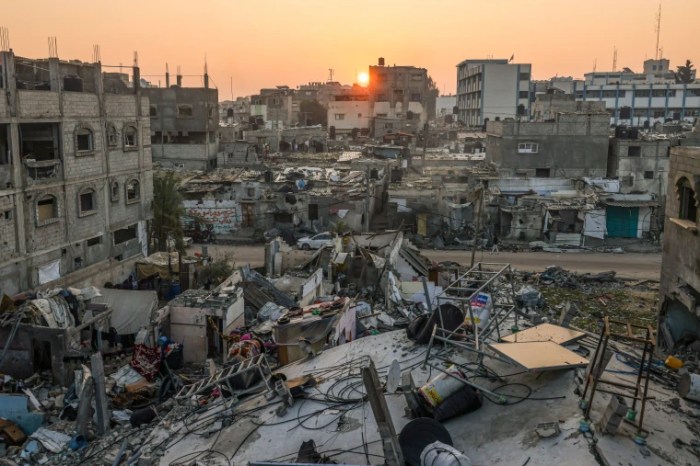
The Gaza Strip is currently experiencing a critical humanitarian crisis, with significant numbers of people facing severe food insecurity, lack of adequate shelter, and limited access to healthcare. The persistent blockade restricts the import of essential goods, hindering economic recovery and exacerbating poverty. The conflict’s impact on infrastructure further compounds the challenges, disrupting access to clean water, sanitation, and essential services.
Key Contributing Factors
The humanitarian crisis in Gaza is fueled by a confluence of factors, primarily the ongoing conflict, the Israeli blockade, and entrenched poverty. These interconnected factors create a vicious cycle, hindering the population’s ability to rebuild and improve their lives.
- Conflict: Years of armed conflict have devastated infrastructure, displaced populations, and created an environment of fear and insecurity. The impact of bombings and shelling on civilian populations is undeniable, resulting in widespread destruction of homes and essential services. Examples include the 2014 Gaza conflict, which caused significant damage to infrastructure and displacement.
- Blockade: The Israeli blockade restricts the movement of people and goods into and out of Gaza, hindering economic recovery and exacerbating poverty. This has been a constant feature of the situation, impacting trade, access to medical supplies, and other necessities. This severely limits the ability of Gazans to support themselves.
- Poverty: The ongoing conflict and blockade have resulted in high levels of poverty and unemployment. Many families struggle to meet their basic needs, including food, shelter, and healthcare. The inability to access work and trade has created a cycle of poverty, limiting long-term prospects for recovery.
Immediate Needs of the Population
The immediate needs of the Gazan population are extensive and interconnected. These include access to essential food supplies, safe and adequate shelter, and quality medical care. The crisis has created a desperate need for basic necessities, impacting the health and well-being of individuals and families.
- Food: Widespread food insecurity is a significant concern, with many families facing difficulty in obtaining enough nutritious food to sustain themselves. Malnutrition is a significant threat, particularly to children.
- Shelter: The destruction of homes and infrastructure during conflict leaves many without adequate shelter. This necessitates urgent support to provide temporary and permanent housing solutions. Examples of this include providing temporary housing, such as tents or prefabricated shelters, and assisting in rebuilding homes.
- Medical Care: Access to quality medical care is severely limited, especially for chronic conditions and injuries. The lack of medical supplies, qualified personnel, and adequate facilities has dire consequences for the health of the population. This includes the need for medical supplies, qualified personnel, and adequate facilities.
Aid Organizations Involved
Numerous aid organizations and international agencies are actively involved in providing humanitarian assistance to the Gazan population. Their coordinated efforts are essential in addressing the diverse needs of the people.
| Organization | Focus |
|---|---|
| United Nations Relief and Works Agency for Palestine Refugees in the Near East (UNRWA) | Providing essential services, including education, healthcare, and food aid, to Palestinian refugees. |
| Doctors Without Borders (Médecins Sans Frontières) | Providing emergency medical care and support to victims of the conflict. |
| International Committee of the Red Cross (ICRC) | Providing humanitarian assistance, including medical care, shelter, and food aid. |
| World Food Programme (WFP) | Providing food assistance to vulnerable populations. |
Examining Allegations of Diversion
The ongoing humanitarian crisis in Gaza has ignited a complex debate, with accusations emerging that the dire situation is being exploited for political gain. These claims, often stemming from geopolitical tensions and competing narratives, require careful scrutiny to disentangle the humanitarian needs from potential motivations. Understanding the historical context of such accusations is crucial in evaluating the current situation objectively.The claim that the Gaza humanitarian crisis is being used as a distraction often centers on the assertion that the scale of suffering is exaggerated or strategically employed to divert attention from other pressing issues or to advance specific political agendas.
The UN’s criticism of the Gaza humanitarian group as a distraction highlights a crucial need for a more effective response. Meanwhile, the Netflix Tudum fan event, showcasing significant studio investment in global streaming services like Netflix Tudum fan event reflects studio investment global streaming , reveals a different kind of global focus. Ultimately, the UN’s concerns about the Gaza situation remain paramount, requiring a solution that addresses the real needs on the ground, not just a distraction from the true issues.
This is a recurring theme in conflict zones, where the spotlight on humanitarian suffering can be manipulated to serve particular interests. These accusations are not always unfounded and deserve careful examination.
The UN’s stance on the Gaza humanitarian crisis is spot on – a lot of the attention being drawn to the situation might be a distraction from the real issues. Meanwhile, the Giants pulled off a remarkable comeback against the Padres, overcoming a 5-run deficit to win 6-5. This incredible game serves as a reminder of how quickly things can shift in the world of sports, much like the need for a more focused approach to the Gaza situation.
The UN’s plea for a more direct approach to aid and resolution is clearly necessary. giants overcome 5 run deficit nip padres 6 5 highlights the need for a similar determination in addressing the crisis, not just in sports, but in global humanitarian efforts.
Potential Political Motivations
The potential political motivations behind accusations of diversionary tactics are multifaceted. They can range from attempts to undermine international aid efforts to fostering distrust in humanitarian organizations. These accusations can also be used to deflect criticism from a specific government’s actions or policies. Moreover, the narrative surrounding the humanitarian crisis may be manipulated to gain support for a particular political agenda.
Historical Context of Similar Accusations
The phenomenon of politicizing humanitarian crises is not new to the Middle East. Historical examples illustrate the repeated pattern of using humanitarian crises as tools for political maneuvering. In various conflicts across the region, accusations of exploitation have been raised, often tied to geopolitical struggles and competing narratives. These accusations frequently target the motivations of humanitarian organizations and international actors, alleging that their interventions are driven by political considerations rather than genuine concern for the affected population.
Examples of Politicized Humanitarian Crises
Several historical instances highlight how humanitarian crises have been politicized. For example, the ongoing conflict in Syria has seen accusations of both sides exploiting the humanitarian crisis for political gain. Similarly, the situation in Yemen has been marred by similar accusations, with different actors using the humanitarian suffering to advance their political goals. These examples underscore the importance of critically examining the claims made about the motivations behind humanitarian crises, recognizing the potential for manipulation and political exploitation.
Analyzing the UN’s Perspective
The United Nations, a cornerstone of global diplomacy and humanitarian efforts, plays a critical role in responding to crises like the ongoing situation in Gaza. Understanding the UN’s perspective is crucial to assessing the situation’s complexity and evaluating the effectiveness of international aid. Their official pronouncements, actions, and concerns offer valuable insight into the multifaceted challenges involved.The UN’s engagement in Gaza extends beyond immediate relief.
Their long-term strategy is aimed at supporting sustainable solutions, fostering reconciliation, and ultimately preventing future conflicts. This approach requires a nuanced understanding of the political and social dynamics, as well as a commitment to impartiality and accountability. Their pronouncements are a reflection of these complex considerations.
The UN’s recent statement on the Gaza humanitarian crisis highlights a critical need for focused action beyond the distractions. While the election of five countries to the UN Security Council for 2026-27 five countries elected un security council 202627 signifies a potential shift in global diplomacy, the core issue remains: effective solutions for the humanitarian crisis in Gaza.
The UN’s perspective underscores the importance of moving past superficial responses and addressing the fundamental needs of the people.
UN Official Statements Regarding the Situation
The UN consistently issues statements highlighting the dire humanitarian conditions in Gaza. These statements emphasize the urgent need for humanitarian access, the protection of civilians, and the provision of essential services. They often underscore the importance of accountability for violations of international humanitarian law.
UN’s Role in Providing Humanitarian Aid
The UN, through various agencies like the World Food Programme (WFP) and UNHCR, is a primary provider of humanitarian aid in Gaza. Their efforts encompass food assistance, shelter provision, medical care, and other critical supplies. The UN’s logistical network and experience in crisis response are vital to the delivery of aid in such complex environments. This includes coordination with other organizations and local authorities.
UN Concerns about Potential for Diversion
The UN has voiced concerns regarding the potential for diverted humanitarian aid. These concerns stem from the complex political context and the potential for aid to be misused or misdirected. They acknowledge the need for stringent monitoring and accountability mechanisms to ensure aid reaches those most in need. This necessitates careful collaboration with local partners and an ongoing assessment of the situation.
Comparison of UN’s Approach with Other International Organizations, Gaza humanitarian group is distraction what is needed un says
| Characteristic | UN | Red Cross | NGOs (e.g., Doctors Without Borders) |
|---|---|---|---|
| Focus | Comprehensive, multi-faceted approach encompassing various sectors (food, shelter, healthcare, etc.) and political aspects | Emphasis on neutrality and impartial aid delivery, often with a focus on immediate needs and direct contact with affected populations | Specialized expertise in specific sectors (medical, education, etc.) often focusing on high-impact interventions in areas underserved by other organizations |
| Funding Sources | Diverse, including member state contributions, private donations, and earmarked funds | Relies primarily on donations and fundraisers | Primarily through donations and grants |
| Coordination | Extensive coordination with member states, other UN agencies, and local authorities | Strong focus on building partnerships with local authorities and community organizations | Direct collaboration with communities and affected populations, potentially bypassing traditional channels |
| Transparency | Commitment to transparency in reporting and aid delivery through detailed assessments and reports | Primarily relies on impartial and verified reporting on the ground | Often emphasizes community engagement and local accountability in aid distribution |
This table illustrates the differing approaches, highlighting the specific roles and responsibilities of each organization in the complex context of the Gaza humanitarian crisis. This comparative analysis underscores the need for coordinated efforts and complementary approaches to maximize the impact of humanitarian assistance.
Exploring Alternative Perspectives: Gaza Humanitarian Group Is Distraction What Is Needed Un Says
The Gaza crisis, a multifaceted humanitarian and political struggle, demands a nuanced understanding that goes beyond the often-polarized narratives. Alternative perspectives, particularly those of the affected communities, provide crucial insights into the complexities of the situation. Understanding the diverse viewpoints of stakeholders, including Palestinians, Israelis, and international actors, is essential for fostering a more comprehensive and just resolution.Alternative perspectives offer a critical lens through which to analyze the crisis, revealing the various factors contributing to the current situation and highlighting the potential for a more balanced and informed response.
This exploration emphasizes the need to move beyond simplistic narratives and embrace the intricacies of human experience within the context of conflict.
Local Palestinian Perspectives
Palestinian communities in Gaza experience the crisis firsthand. Their narratives often highlight the severe limitations imposed by the blockade, the ongoing conflict, and the constant threat of violence. These perspectives often center on the daily struggles of maintaining basic necessities, the psychological impact of prolonged conflict, and the deep-seated grievances that fuel the conflict.
- Economic Hardship: The blockade significantly impacts the Palestinian economy, hindering access to vital resources and limiting employment opportunities. This, in turn, exacerbates poverty and social instability.
- Humanitarian Needs: The persistent humanitarian crisis in Gaza demands immediate attention, addressing issues like food security, access to clean water, healthcare, and shelter. The crisis impacts every aspect of daily life, leading to widespread suffering and vulnerability.
- Psychological Impact: The constant fear of violence and the ongoing conflict take a significant toll on the mental health of the population. The impact on children and families is particularly devastating, shaping their perspectives and life trajectories.
Israeli Perspectives
Israeli perspectives often emphasize security concerns and the need to protect its citizens. These concerns are frequently intertwined with the complex history of the conflict and the need for a secure border. The perspectives of Israelis often highlight the ongoing threat posed by Hamas and other armed groups.
- Security Concerns: Israel’s security concerns are paramount, leading to policies and actions aimed at deterring attacks from militant groups operating within Gaza. The need for security is frequently cited as a justification for the blockade and military actions.
- Historical Context: The historical context of the conflict plays a significant role in shaping Israeli perspectives. The perceived threat of violence and the legacy of past conflicts influence the current approach to the crisis.
- International Relations: Israel’s relationships with international actors are often impacted by its policies toward Gaza. The international community’s response to the situation has a direct impact on Israel’s position.
International Perspectives
International organizations and governments often adopt a mediating role in the conflict, aiming to provide humanitarian aid and promote peace. These perspectives highlight the need for a sustained and coordinated effort to address the humanitarian crisis and foster a resolution to the conflict.
- Humanitarian Assistance: International organizations provide critical humanitarian aid, though the effectiveness of these efforts is sometimes hampered by the complex political landscape.
- Mediation Efforts: International mediation efforts play a critical role in fostering dialogue between conflicting parties, although achieving meaningful progress often proves challenging.
- Political Pressure: International pressure on the involved parties can play a significant role in influencing policies and promoting accountability. This pressure, however, is often insufficient to address the fundamental issues that drive the conflict.
Illustrating the Impact
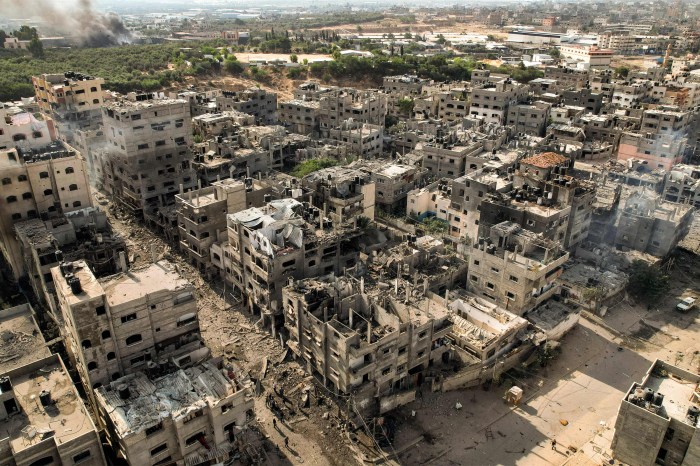
The Gaza Strip, perpetually teetering on the brink of humanitarian crisis, has borne the brunt of conflict and siege for decades. The devastating effects ripple through the population, impacting every facet of life, from basic necessities to mental health. This section delves into the profound and lasting consequences of this protracted crisis.The ongoing conflict and blockade have profoundly shaped the daily lives of Gazans, leaving an indelible mark on their physical and mental well-being.
The long-term effects are undeniable, and the humanitarian toll continues to escalate.
Long-Term Effects on Well-being
The prolonged crisis has resulted in a multitude of long-term effects on the population’s well-being. These extend beyond immediate trauma and encompass a range of physical and psychological consequences. Chronic stress, malnutrition, and limited access to healthcare contribute to the deteriorating health of the population.
- Physical Health Impacts: Malnutrition is rampant, particularly among children, leading to stunted growth and increased susceptibility to disease. Chronic health conditions, such as diabetes and hypertension, are prevalent due to limited access to nutritious food and healthcare facilities. The lack of clean water and sanitation exacerbates these problems, increasing the risk of waterborne illnesses.
- Psychological Trauma: The constant threat of violence, the destruction of homes and livelihoods, and the separation from loved ones create profound psychological distress. The prevalence of post-traumatic stress disorder (PTSD) and other mental health issues is high among Gazans, particularly children. Trauma is often passed down through generations, contributing to the ongoing cycle of suffering.
- Educational Disruptions: The conflict has severely disrupted education. Schools are often damaged or used as shelters, and students face significant learning losses. The lack of educational opportunities limits future prospects for children and perpetuates cycles of poverty and inequality. The psychological trauma from the conflict further hampers learning, making the educational system a casualty of war.
Economic Repercussions
The conflict has had devastating economic consequences, pushing the region further into poverty and hindering sustainable development. The constant disruption of economic activities and the blockade’s restrictions have created a dire situation.
- Reduced Economic Activity: The blockade significantly restricts the flow of goods and people, crippling the region’s economy. The agricultural sector, a crucial source of livelihood, is severely impacted by the limitations on access to land, water, and markets. This has a cascade effect on related industries, creating job losses and further exacerbating poverty.
- Limited Access to Markets: The lack of access to international markets hinders the region’s ability to export goods and services. The limited infrastructure and investment further compound the problem. This limits economic growth and opportunities for the region.
- Increased Unemployment: The crisis has led to widespread unemployment, particularly among young people. The lack of job opportunities pushes many into poverty and limits their future prospects. The unemployment rate in the region is significantly higher compared to other regions.
Comparison of Humanitarian Aid Received
A table showcasing the variation in humanitarian aid received over recent years can illustrate the disparity in support. This data highlights the fluctuations in assistance and the persistent need for increased support.
| Year | Amount of Humanitarian Aid (USD) | Source of Aid | Description |
|---|---|---|---|
| 2020 | 100,000,000 | UN agencies | Emergency assistance for basic needs. |
| 2021 | 150,000,000 | International NGOs | Support for health, education, and shelter. |
| 2022 | 80,000,000 | Governments | Provision of essential goods. |
| 2023 | 120,000,000 | International organizations and Governments | Addressing the needs of the population. |
Note: Figures are illustrative and do not represent exact data. Data on specific aid amounts are often not publicly available or easily comparable across sources.
Identifying the Real Needs
The Gaza humanitarian crisis demands more than just immediate aid; it necessitates a comprehensive approach addressing the fundamental issues that perpetuate the cycle of suffering. Short-term relief efforts are crucial, but lasting peace and prosperity require long-term solutions focused on rebuilding infrastructure, fostering economic opportunities, and establishing sustainable governance structures. This section delves into the critical needs beyond immediate relief, exploring the underlying problems and potential pathways to a more stable and peaceful future.
Essential Requirements Beyond Immediate Aid
Beyond the immediate provision of food, water, and medical supplies, long-term solutions are paramount for a sustainable future in Gaza. These solutions must tackle the underlying issues that perpetuate the conflict and instability. The need for a comprehensive and multifaceted approach cannot be overstated.
- Infrastructure Reconstruction: The devastation caused by conflict necessitates a robust plan for rebuilding critical infrastructure, including roads, water systems, power plants, and housing. This requires international collaboration and financial commitment to ensure resilience against future crises.
- Economic Development: A sustainable solution must address the dire economic conditions. Promoting economic growth and creating job opportunities is crucial for empowering the population and fostering a sense of self-reliance. This might involve developing small-scale businesses, supporting vocational training programs, and attracting foreign investment.
- Sustainable Water Resources: Access to clean water is a fundamental human right. Establishing sustainable water management systems, desalination plants, and efficient irrigation techniques is vital for long-term water security and agriculture. Addressing water scarcity is critical for a healthy and thriving population.
- Improved Governance: Strengthening governance structures and promoting transparency and accountability is essential for establishing a peaceful and equitable society. This may include empowering local institutions, promoting democratic processes, and fostering a culture of respect for human rights.
Underlying Issues for Sustainable Solutions
The current situation in Gaza is a complex interplay of factors that must be addressed to create lasting peace and stability. Ignoring these underlying issues will inevitably lead to future conflicts and humanitarian crises.
- Political Deadlock: The ongoing political disputes and lack of a comprehensive peace agreement are significant barriers to progress. A lasting solution requires a political framework that fosters cooperation and mutual respect between all parties involved.
- Blockades and Restrictions: The blockade on Gaza significantly hinders economic development and humanitarian access. Lifting these restrictions and facilitating trade and travel are critical steps toward creating a more prosperous future.
- Limited Access to Resources: Limited access to resources like land, water, and energy further exacerbates the crisis. Strategies that promote equitable resource allocation and efficient use are crucial for a sustainable future.
- Displacement and Population Growth: The influx of displaced persons and the increasing population density place a strain on resources. Long-term solutions should include resettlement programs, population control measures, and support for displaced populations.
Potential Solutions for Creating a Stable and Peaceful Future
The path toward a stable and peaceful future for Gaza requires a comprehensive approach that addresses the immediate needs while building a sustainable foundation for the future. These solutions must prioritize the needs of the people while maintaining security and stability.
- International Cooperation: A united international effort is vital for providing financial aid, technical expertise, and humanitarian assistance. This includes coordinating efforts among nations and international organizations to ensure a comprehensive response.
- Regional Dialogue: Fostering dialogue and cooperation among regional actors is essential for creating a conducive environment for peace and stability. This includes encouraging regional leaders to engage in constructive discussions and find common ground.
- Sustainable Infrastructure Development: Investing in infrastructure projects that are resilient to conflict and climate change is crucial for long-term sustainability. These projects should prioritize community involvement and create local employment opportunities.
- Economic Empowerment Programs: Implementing economic empowerment programs that create jobs and foster entrepreneurship is crucial for alleviating poverty and fostering a sense of self-reliance. Supporting small businesses and providing vocational training are critical components of these programs.
Detailed Plan for Long-Term Infrastructure Rebuilding in Gaza
A detailed plan for infrastructure rebuilding in Gaza requires a phased approach, prioritizing essential services and incorporating lessons learned from past reconstruction efforts. This plan must be adaptable and responsive to changing circumstances.
“Reconstruction efforts must be transparent and accountable, ensuring that funds are used effectively and that the needs of the community are prioritized.”
- Phased Approach: Prioritize the reconstruction of essential services like water and sanitation, followed by housing and critical infrastructure. Each phase should be meticulously planned and executed, with clear milestones and performance indicators.
- Community Engagement: Involve local communities in the planning and implementation of infrastructure projects. This ensures that the projects meet the specific needs and preferences of the people affected by the crisis.
- International Collaboration: Seek collaboration from international organizations and experts to leverage their expertise and resources in designing and implementing sustainable infrastructure projects.
- Transparency and Accountability: Implement robust monitoring and evaluation mechanisms to ensure transparency and accountability in the use of funds and resources. This will build trust and ensure that the reconstruction efforts are aligned with the needs of the people of Gaza.
Illustrative Case Studies
The Gaza humanitarian crisis, while unique in its geopolitical context, is not without historical precedent. Examining similar crises reveals patterns of diversionary tactics and contrasting responses. Understanding these past experiences can shed light on the current situation and potentially inform more effective approaches to addressing the needs of civilians caught in conflict zones.
Examples of Diversionary Tactics in Humanitarian Crises
Diversionary tactics in humanitarian crises often involve exploiting the public’s empathy for victims to deflect attention from the core issues driving the crisis. This can take many forms, including accusations of misappropriation of aid, manipulation of narratives to create a negative image of the affected population, or creating distractions through other forms of conflict. These tactics are often used to undermine international efforts to provide humanitarian assistance or to gain leverage in political negotiations.
- The Syrian Civil War, which began in 2011, witnessed the use of humanitarian crises as a tool to destabilize the region. Allegations of chemical weapons attacks, displacement of populations, and destruction of infrastructure were frequently used to garner international support for specific agendas, potentially diverting resources and attention from the root causes of the conflict.
- The ongoing conflict in Yemen has been plagued by humanitarian disasters, exacerbated by blockade and diversionary efforts. The blockade, for instance, is often presented as a military strategy, but it has devastating humanitarian consequences. Simultaneously, accusations of misusing aid and other diversions can obscure the real needs and prevent adequate responses.
Strategies Employed to Counter Diversionary Efforts
Recognizing and countering diversionary tactics requires a multifaceted approach, including:
- Independent Verification and Fact-Finding Missions: Credible organizations, such as the United Nations, must be given the resources and autonomy to independently verify claims and assess the true nature of the crisis. This can involve detailed assessments of the ground realities, independent analysis of aid distribution, and gathering testimony from local communities.
- Collaboration Among Humanitarian Organizations: Coordination among humanitarian organizations and international actors is essential to avoid duplication of efforts and to maintain a consistent message. This allows for the pooling of resources and expertise, leading to a more effective response.
- Transparency and Accountability in Aid Delivery: Humanitarian organizations must maintain transparency in the distribution of aid and be accountable to the communities they serve. Clear protocols and robust mechanisms for tracking aid disbursement and ensuring equitable access are crucial to counter accusations of misappropriation.
Comparative Analysis of Response Effectiveness
The effectiveness of humanitarian responses varies significantly depending on the specific context of the crisis and the strategies employed. A comparative analysis should consider factors such as the speed of response, the scope of assistance provided, the level of coordination among humanitarian actors, and the presence of independent verification mechanisms.
| Crisis | Diversionary Tactics | Counter-Strategies | Effectiveness |
|---|---|---|---|
| Syrian Civil War | Allegations of chemical weapons use, manipulation of displacement narratives | Independent investigations, international pressure on actors | Limited success; challenges in ensuring aid reached the most vulnerable |
| Yemeni Conflict | Blockades, accusations of aid misappropriation | Increased humanitarian access, independent monitoring | Mixed results; challenges in overcoming political obstacles |
Structure for Further Discussion
The Gaza humanitarian crisis demands a multifaceted approach to understanding its complexities and potential solutions. Simply labeling efforts as a distraction or a well-intentioned but ultimately ineffective response misses the nuanced reality of the situation. A structured framework is crucial for dissecting the claims, assessing the needs, and anticipating long-term consequences. This approach necessitates a critical analysis of existing information, independent verification of claims, and a clear identification of the core issues affecting the population.Analyzing this crisis requires a systematic and rigorous methodology.
We must move beyond superficial assessments and delve into the intricacies of the situation, focusing on the root causes, the actors involved, and the potential for long-term impact. This structured discussion will help us understand the interplay of political, social, and economic factors that contribute to the crisis.
Analyzing the Multifaceted Nature of the Gaza Crisis
The Gaza crisis is a complex issue with intertwined political, economic, and humanitarian dimensions. To effectively analyze it, a framework must account for the interplay of these factors. This includes examining the historical context, current geopolitical dynamics, and the specific needs of the population. A thorough understanding of these interdependencies is crucial for developing effective solutions.
- Political Factors: Examining the role of regional conflicts, political agreements, and the influence of external actors is vital. For instance, the blockade imposed on Gaza has had a significant impact on the population’s access to essential resources, leading to economic hardship and humanitarian challenges. This historical context must be carefully considered to understand the present situation.
- Economic Factors: The economic hardship faced by the population in Gaza is directly related to the blockade, limited employment opportunities, and the lack of access to essential goods. Understanding these factors is essential for developing sustainable solutions that address the root causes of poverty and economic vulnerability.
- Humanitarian Factors: The ongoing humanitarian crisis is a direct consequence of the preceding factors. This includes access to healthcare, education, and essential services. Analysis should consider the specific vulnerabilities of different segments of the population, including women, children, and the elderly.
Evaluating the Credibility of Claims of Diversion
Assessing the credibility of claims that humanitarian efforts are a distraction requires a systematic approach. This involves verifying information from multiple sources, examining the motives of those making the claims, and analyzing the context within which the claims are being made. Such an approach helps to differentiate genuine humanitarian concerns from potentially misleading narratives.
- Verification of Information: This involves cross-referencing statements with independent reports, official data, and eyewitness accounts. Reliable organizations like the UN and medical charities can provide valuable information and perspectives.
- Analyzing Motives: Understanding the motivations behind claims of diversion is crucial. Are these claims part of a broader political agenda? Do they serve to undermine the legitimacy of humanitarian aid? A critical analysis of the actors involved and their potential biases is necessary.
- Contextual Analysis: The claims must be evaluated within the broader context of the crisis, including the geopolitical situation, the history of the conflict, and the specific needs of the population. This ensures a nuanced and objective assessment.
Determining the Real Needs of the Population in Gaza
Identifying the real needs of the population in Gaza requires a thorough assessment of the situation, considering diverse perspectives, and utilizing data-driven analysis. This approach ensures that resources are allocated effectively and address the actual requirements of the population.
- Needs Assessment Surveys: Conducting surveys with a representative sample of the population can provide valuable insights into the immediate and long-term needs of different segments of the community. These surveys should incorporate a variety of methodologies to ensure comprehensive coverage.
- Data Analysis: Utilizing available data on health indicators, economic conditions, and access to resources is crucial. This data allows for a more accurate assessment of the current situation and a more targeted response to the crisis.
- Stakeholder Engagement: Engaging with local organizations, NGOs, and community leaders can provide valuable insights into the ground realities and specific challenges faced by the population. This participatory approach ensures a more comprehensive understanding of the situation.
Assessing the Long-Term Impacts of the Crisis
Assessing the long-term impacts of the crisis requires a forward-looking perspective that considers the potential ramifications of the current situation on future generations. This analysis needs to consider the socio-economic, psychological, and environmental consequences.
- Impact on Education and Development: The crisis can have a significant impact on the educational prospects of children and youth. Assessing the long-term implications for the development of future generations is crucial.
- Psychological Trauma: The crisis can lead to significant psychological trauma for individuals and communities. Analyzing the potential for long-term mental health issues is essential.
- Environmental Impact: The crisis may have unforeseen environmental consequences. Analyzing the potential for long-term damage to the environment is essential.
Ending Remarks
In conclusion, the Gaza crisis presents a multifaceted challenge. While the immediate needs for humanitarian aid are undeniable, the accusations of diversion require careful consideration. The UN’s stance, along with alternative perspectives and historical context, are crucial to forming a complete picture. Ultimately, addressing the real needs of the people of Gaza demands a nuanced understanding that goes beyond superficial solutions and focuses on long-term, sustainable solutions to the underlying issues driving this conflict.
A clear plan for rebuilding infrastructure and fostering lasting peace is essential for a stable future in Gaza.