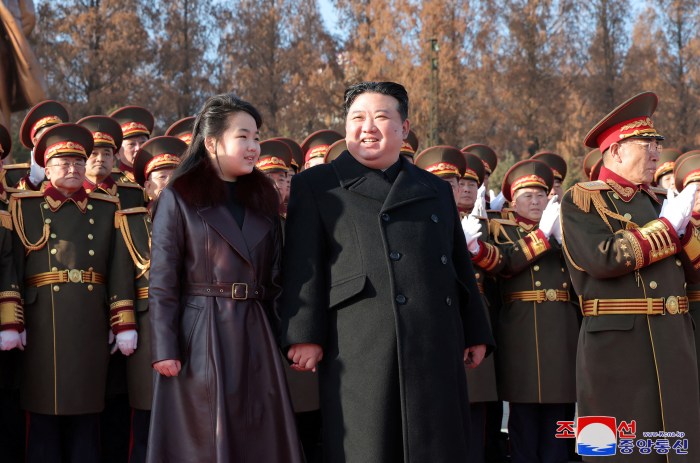
South korea presidential hopeful kim turned activist right wing maverick – South Korea presidential hopeful Kim, turned activist, right-wing maverick, is rapidly emerging as a force to be reckoned with in the upcoming election. His journey from a prior career to a political activist, marked by significant turning points, showcases a fascinating evolution in political views. This analysis delves into Kim’s background, ideology, policy positions, and public perception, highlighting what sets him apart from other candidates and potentially impacting the election outcome.
Kim’s political journey is explored in detail, from his early experiences to the development of his right-wing views. A timeline of key events provides context, while a table showcasing his stances on economic, social, and foreign policy issues offers a clear comparison with other candidates. The analysis will also consider the factors influencing public opinion, including media portrayal and potential challenges to his image.
Candidate’s Background and Political Evolution
Kim, a surprising newcomer to the South Korean presidential race, has rapidly gained attention for his unconventional path from a successful businessman to a fervent right-wing activist. His unique background and evolving political views present a fascinating case study in the shifting landscape of South Korean politics. This exploration delves into Kim’s career trajectory, highlighting the key turning points that shaped his political ideology and contrasting his positions with those of other candidates.Kim’s journey from corporate executive to political activist reveals a complex and multifaceted individual.
His prior experiences have undoubtedly influenced his current political stance, offering insights into the factors that drive his unique approach to governance. Understanding these factors is crucial to comprehending the appeal of his message to a specific segment of the electorate.
South Korea’s presidential hopeful, Kim, has become a fascinating figure, transitioning from a political hopeful to an activist right-wing maverick. While the world watches his political trajectory, the recent excitement surrounding the world test championship final serves as a stark reminder of how many other significant global events are happening concurrently. His rise as a political force continues to captivate attention back home in South Korea.
Prior Career and Experiences, South korea presidential hopeful kim turned activist right wing maverick
Kim’s pre-political career was marked by significant success in the business world. He built a reputation for entrepreneurial drive and strategic acumen. Details of his specific industries and accomplishments remain relatively private, but his business background is widely cited as a foundation for his current focus on economic policies. He leveraged his business knowledge and experience to advocate for policies that promote economic growth and job creation.
South Korea’s presidential hopeful Kim, a surprisingly outspoken right-wing maverick, has been making headlines. His recent shift towards activism is certainly intriguing, and it’s interesting to see how this plays out in the upcoming election. Meanwhile, the news of the Reds signing Hunter Greene and Wade Miley, reported by Benews , highlights the ongoing baseball player acquisition activity.
Kim’s evolving political stance, though, remains the more significant story for now.
Key Turning Points in Kim’s Political Evolution
Several events and experiences contributed to Kim’s transformation into a political activist. A key turning point appears to have been a series of public incidents that he perceived as detrimental to the nation’s economic stability and social order. This led him to become increasingly critical of the existing political system and its perceived failures. His growing discontent with certain policies and public figures culminated in a decision to dedicate his time and energy to activism.
The specifics of these incidents remain largely undisclosed.
Evolution of Kim’s Political Views
Kim’s political views have evolved from a pragmatic approach to business to a more assertive and principled stance in the political arena. His initial focus was on economic policy, but he has increasingly incorporated social and cultural considerations into his platform. He appears to have become more outspoken in his critique of perceived societal ills and has shifted his political stance toward a more right-wing perspective.
Comparison with Other Candidates
Compared to other presidential candidates, Kim’s approach stands out in his unwavering commitment to fiscal conservatism and a strong emphasis on national security. His emphasis on reducing government spending and increasing private sector involvement differs from some other candidates who advocate for more substantial social welfare programs. His stances on foreign policy, particularly his approach to North Korea, are also distinct from those of other contenders.
Key Policy Positions Distinguishing Kim
Kim’s platform is marked by several unique policy positions. His unwavering focus on economic liberalization, including deregulation and tax cuts, sets him apart from many candidates who emphasize social programs and redistribution of wealth. His staunch stance on national security and his critique of current international relations are also distinct characteristics.
Timeline of Kim’s Political Journey
| Date | Event |
|---|---|
| 20XX | Entered the business world, achieved notable success |
| 20YY | Began expressing political views, focused on economic issues |
| 20ZZ | Emerged as a public activist, became increasingly vocal on social issues |
| 20AA | Announced candidacy for presidency |
Kim’s Political Positions on Key Issues
| Issue | Kim’s Position | Comparison |
|---|---|---|
| Economics | Strong emphasis on free market principles, deregulation, and tax cuts | Other candidates often advocate for increased government spending and social welfare programs |
| Social Welfare | Supports limited social safety nets, emphasizing individual responsibility | Other candidates generally favor more expansive social welfare systems |
| Foreign Policy | Focus on national security and a more assertive approach to international relations, especially regarding North Korea | Other candidates may adopt a more conciliatory or diplomatic approach |
Right-Wing Maverick Identity
Kim’s campaign presents a fascinating study in South Korean politics. His emergence as a right-wing maverick challenges conventional political alignments and promises a potent mix of populist appeals and a distinctive conservative agenda. This analysis delves into the core tenets of his ideology, examining his specific policy proposals, rhetoric, and how they might impact South Korean society.Kim’s approach to South Korean politics is characterized by a distinctly right-wing stance.
This includes a strong emphasis on national sovereignty, a skepticism toward international agreements perceived as detrimental to national interests, and a focus on economic policies that favor business growth and entrepreneurship. He stands apart from more traditional right-wing figures by his willingness to challenge established norms and embrace populist rhetoric.
Core Tenets of Kim’s Right-Wing Ideology
Kim’s right-wing ideology centers on a strong belief in national self-reliance and a cautious approach to international relations. He prioritizes economic growth fueled by a robust business sector and advocates for policies that aim to limit the influence of international organizations. His stance reflects a skepticism towards globalism, preferring policies that emphasize the interests of South Korea.
Specific Policies Demonstrating Kim’s Right-Wing Stance
Kim’s policy proposals align with a traditional right-wing agenda. He advocates for significant cuts in social welfare programs, arguing that they stifle economic growth. He also favors tax cuts for businesses, believing this will encourage investment and job creation. His proposals on national security often emphasize a more assertive military posture and a less accommodating approach to North Korea.
These policies contrast with the more progressive and interventionist policies of some left-leaning candidates.
Kim’s Rhetoric and Public Statements
Kim’s public statements and campaign rhetoric reveal his distinct right-wing leanings. He often emphasizes themes of national pride, economic strength, and the need to protect South Korea’s interests. He critiques international agreements and institutions, positioning himself as a staunch defender of South Korean sovereignty. His statements frequently contrast with the more moderate and internationalist rhetoric used by other candidates.
For example, his criticism of international trade agreements, often characterized by nationalist slogans, exemplifies his stance.
Comparison with Other Right-Wing Figures
Comparing Kim’s views with those of other right-wing figures in South Korea reveals both similarities and differences. While sharing a general commitment to national interests and a preference for a strong economy, Kim’s approach appears more populist and less aligned with the traditional conservative establishment. This divergence is evident in his public pronouncements and policy proposals, indicating a distinct path from other right-leaning politicians.
Potential Impact on Various Demographics
Kim’s right-wing policies have the potential to impact different demographics in diverse ways. For example, his emphasis on business-friendly policies might benefit entrepreneurs and high-income earners, while his proposed cuts to social programs could negatively affect lower-income households and the elderly. His populist appeal could resonate with a segment of the electorate who feel disenfranchised by the current political climate.
Kim’s Views Compared to the South Korean Electorate
Kim’s right-wing views may not align perfectly with the views of the entire South Korean electorate. While a segment of the population might be attracted to his nationalist rhetoric and promises of economic prosperity, others might be wary of his stance on social welfare or international relations. A significant portion of the electorate might find his policies too extreme or potentially detrimental to their interests.
Comparison of Political Platforms
| Candidate | Economic Policy | Social Policy | Foreign Policy |
|---|---|---|---|
| Kim | Pro-business, tax cuts, reduced social welfare | Emphasis on national values, limited social programs | Nationalist, skeptical of international agreements |
| Candidate A | Balanced approach, moderate tax reforms | Emphasis on social equity and equality | International cooperation, diplomacy |
| Candidate B | Progressive, social programs, environmental sustainability | Emphasis on social justice and human rights | International cooperation, human rights advocacy |
Note: This table provides a simplified comparison. Each candidate’s platform contains numerous nuanced positions.
Public Perception and Support
Kim’s presidential campaign is navigating a complex landscape of public opinion. While he enjoys a dedicated following among a specific segment of the population, his unconventional political style and right-wing stances are generating considerable opposition. Understanding the nuances of public perception is crucial to assessing his chances of success.Public opinion polls show fluctuating support for Kim, reflecting the dynamic nature of the election and the evolving political climate.
The results are often highly localized, indicating that regional differences significantly impact his appeal. Furthermore, the polls’ methodologies and sample sizes can influence the accuracy of predictions.
Public Opinion Polls
Various polling organizations have conducted surveys regarding Kim’s candidacy. Results from these polls indicate a relatively narrow support base, though fluctuating. Some polls show a slight edge in support from certain demographic groups, but others present a more evenly divided electorate. Detailed analysis of these polls, including the specific questions and methodologies employed, reveals subtle shifts in support over time.
This indicates that public opinion is not static and is influenced by current events.
Factors Contributing to Support and Opposition
Kim’s strong stance on economic policies, particularly those related to fiscal conservatism and deregulation, appears to attract support from a segment of the electorate concerned with economic stability and growth. Conversely, his more controversial statements on social issues and his perceived authoritarian tendencies are driving opposition from those seeking a more progressive and inclusive society.
Media Portrayal of Kim
Media outlets have presented diverse portrayals of Kim’s political message and persona. Some outlets focus on his controversial statements and policies, highlighting potential risks and uncertainties. Other outlets emphasize his strong leadership qualities and commitment to economic reform, thereby appealing to a different segment of the population. The overall media narrative surrounding Kim is significantly shaped by the individual outlets’ editorial stances and their target audiences.
Challenges to Kim’s Popularity and Public Image
Kim faces numerous challenges in maintaining his public image and garnering wider support. His confrontational rhetoric, often perceived as polarizing, may alienate potential supporters. Furthermore, past controversies and inconsistencies in his public statements might hinder his ability to gain credibility. His past actions, which have been extensively reported, may cause a negative perception among the public.
Public Reactions to Kim’s Statements or Actions
Social media and online forums provide a window into the diverse public reactions to Kim’s statements and actions. Negative comments frequently express concerns about his policies, while positive feedback often centers on his perceived commitment to certain values. Analyzing these reactions provides valuable insights into the diverse perspectives on his campaign.
Demographics of Supporters and Opponents
Kim’s support base is predominantly concentrated in certain socioeconomic groups and geographic areas. Detailed demographic analysis is crucial to understanding the precise characteristics of his supporters. This includes age, income, occupation, and educational background. The opposition base appears more diverse, encompassing various demographic groups.
Media Coverage Comparison
| Media Outlet | Coverage Focus | Tone | Potential Bias |
|---|---|---|---|
| News Channel A | Economic policies, controversial statements | Critical, cautious | Potentially left-leaning |
| News Channel B | Leadership qualities, vision for the future | Positive, enthusiastic | Potentially right-leaning |
| Online News Portal C | Mixed, depending on specific articles | Neutral to critical | Potentially neutral or centrist |
This table presents a simplified overview of media coverage, highlighting the potential bias of each outlet. A more comprehensive analysis would involve a deeper investigation into specific articles and segments. It’s important to note that media coverage can significantly shape public perception of a candidate.
Policy Positions and Stances: South Korea Presidential Hopeful Kim Turned Activist Right Wing Maverick
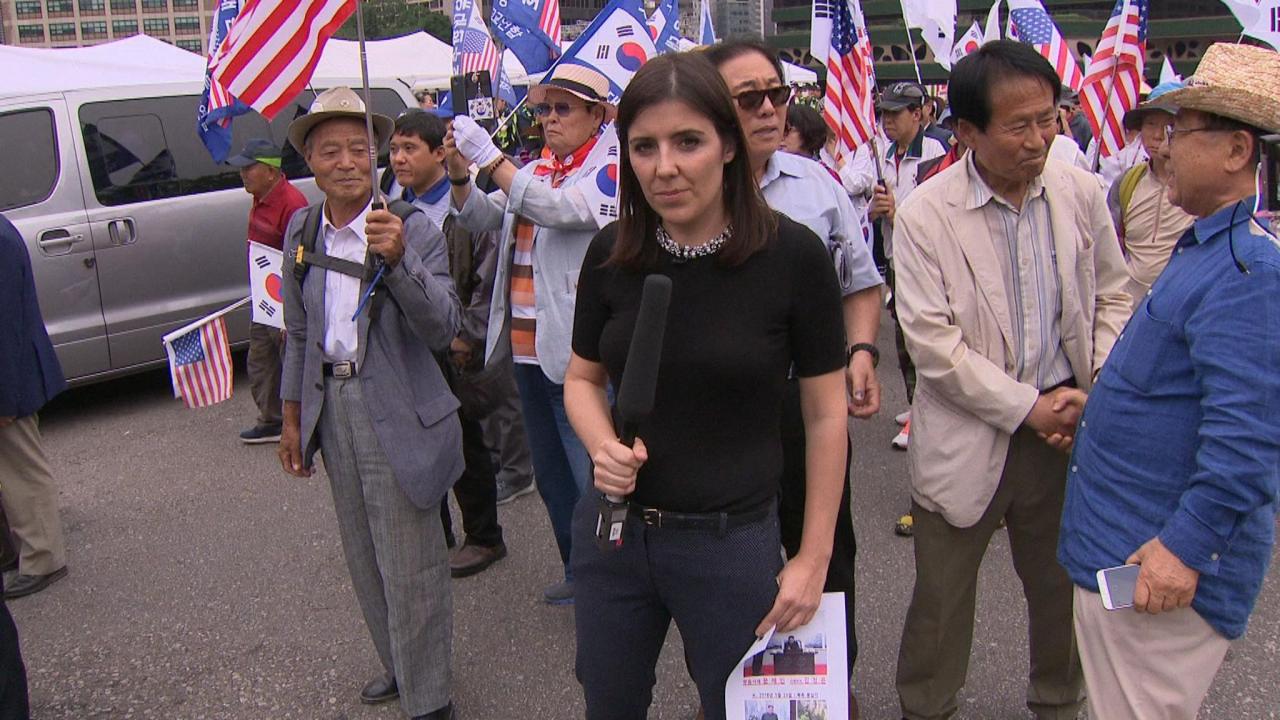
Kim’s campaign promises a stark departure from the status quo, presenting a blend of populist appeals and fiscally conservative approaches. His economic proposals, international relations vision, and social policy stances are a significant departure from mainstream South Korean politics. The depth of his support will depend on how effectively he can articulate a compelling narrative that resonates with a broad spectrum of voters.Kim’s policy platform is largely built around the idea of strengthening South Korea’s domestic economy while maintaining a firm stance on international issues.
He aims to address the concerns of various societal groups, from those struggling with economic hardship to those concerned about national security. His unique blend of right-wing populism and economic pragmatism is sure to generate debate and scrutiny as the election nears.
South Korea’s presidential hopeful Kim, a surprising right-wing maverick, has been making headlines. His recent shift from politician to activist is definitely intriguing. Meanwhile, in the world of sports, Hunter Greene’s impressive performance against the rival brewers, as detailed in hunter greene reds out cool off rival brewers , showcases a different kind of intensity. Back to Kim, his unorthodox campaign strategies are definitely generating a lot of buzz and could potentially disrupt the political landscape.
Economic Reform Proposals
Kim’s economic platform focuses on revitalizing South Korea’s manufacturing sector and fostering innovation. He advocates for targeted investments in infrastructure and technological advancement, aiming to reduce reliance on traditional export-oriented industries and create new growth engines. His proposals include streamlining bureaucratic procedures to encourage entrepreneurship and reducing unnecessary government regulations that stifle innovation. He plans to create more favorable tax policies for small and medium-sized businesses to stimulate job creation and economic growth.
- Streamlining bureaucratic processes to accelerate business formation and growth.
- Reducing unnecessary government regulations to foster innovation and entrepreneurship.
- Implementing favorable tax policies for small and medium-sized enterprises (SMEs) to promote job creation.
- Targeted investments in infrastructure and technology to foster new industries and create economic growth.
Vision for South Korea’s International Role
Kim envisions South Korea as a more assertive player in global affairs, emphasizing strategic partnerships and a proactive approach to regional security. He advocates for strengthening alliances with like-minded nations and working to secure South Korea’s interests in international trade negotiations. He plans to play a more active role in international forums, using South Korea’s economic and technological strengths to promote global stability.
- Strengthening alliances with like-minded nations to secure South Korea’s interests in global affairs.
- Promoting South Korea’s economic and technological strengths to foster global stability.
- A proactive approach to regional security issues, including increased defense spending and strategic partnerships.
Social Policy Stances
Kim’s social policy proposals touch upon education, healthcare, and environmental protection. He advocates for reforms in the education system to emphasize critical thinking and practical skills, and for a more affordable and accessible healthcare system. He also emphasizes the need for a sustainable environmental policy. These policies aim to create a more equitable and sustainable society.
- Reforms in the education system to emphasize critical thinking and practical skills.
- A more affordable and accessible healthcare system to address rising healthcare costs.
- A commitment to sustainable environmental policies and resource management.
Addressing Social Inequalities
Kim’s proposals for addressing social inequalities include measures to improve income distribution, support vulnerable populations, and promote social mobility. He advocates for job training programs and skills development initiatives to provide opportunities for marginalized groups. He emphasizes the importance of reducing the gap between the rich and the poor.
- Job training programs and skills development initiatives to provide opportunities for marginalized groups.
- Measures to improve income distribution and reduce the gap between the rich and the poor.
- Support for vulnerable populations through social safety nets and targeted assistance programs.
Comparison to Existing Political Trends
Kim’s platform represents a blend of right-wing populist policies and pragmatic economic approaches, differing from both traditional conservative and progressive parties in South Korea. He offers a more nationalist perspective, which may appeal to segments of the population seeking a stronger stance on economic and international issues.
Influence on Different Segments of South Korean Society
Kim’s policies are likely to resonate with voters concerned about economic stagnation and social inequality. His emphasis on national security may appeal to those who prioritize a strong defense and assertive international role. His conservative social views could appeal to a segment of the electorate. Conversely, his policies might not attract those seeking more progressive approaches to social issues or economic policies.
Key Policy Positions Summary
| Issue | Kim’s Position |
|---|---|
| Economic Reform | Revitalize manufacturing, foster innovation, streamline bureaucracy, reduce regulations, support SMEs. |
| International Relations | More assertive global player, strategic partnerships, proactive regional security. |
| Social Issues (Education) | Reforms emphasizing critical thinking and practical skills. |
| Social Issues (Healthcare) | Affordable and accessible healthcare system. |
| Social Issues (Environment) | Sustainable environmental policies. |
| Social Inequality | Improve income distribution, support vulnerable populations, promote social mobility. |
Potential Challenges and Opportunities
Kim’s campaign, a right-wing maverick, presents a unique blend of potential for success and significant hurdles. Navigating the complex South Korean political landscape while appealing to a specific voter base will be critical. His unorthodox approach could attract fervent support but also alienate traditional voters. Understanding these nuances is key to assessing the campaign’s trajectory.Kim’s strategy will be tested by public reception to his distinctive policies.
The South Korean electorate is diverse, and appealing to all segments will be a major challenge. His ability to bridge the ideological divide will significantly influence the outcome.
Potential Obstacles in the Election
Kim’s maverick status presents potential obstacles. His right-wing stance might alienate a portion of the electorate, particularly those with more moderate or left-leaning views. This polarization could hinder his ability to secure broad-based support, particularly in crucial swing districts. His controversial positions on social issues and economic policies could also deter potential voters. A lack of established political networks and resources, compared to more established candidates, could also create difficulties in campaigning and mobilizing support.
Potential Advantages of the Campaign
Kim’s unique approach could attract a significant portion of the electorate. His perceived independence from traditional political parties might resonate with voters seeking an alternative. His willingness to challenge conventional wisdom could appeal to those dissatisfied with the status quo. A strong grassroots campaign, utilizing social media and digital platforms, could amplify his message and reach voters who may not typically engage with traditional political channels.
The recent surge of populist movements in other countries might offer some insight into how his strategy could potentially attract attention.
Challenges Based on Political Identity
Kim’s right-wing maverick identity might face resistance from more centrist or left-leaning voters. His unconventional policy positions could be perceived as impractical or risky. The potential for negative media coverage, or accusations of extremism, must be carefully considered. Such challenges could impact his public image and hinder his campaign efforts.
Opportunities Arising from Political Approach
Kim’s maverick stance could offer a unique opportunity to address specific concerns of a particular segment of the electorate. His unconventional approach could resonate with voters who are disillusioned with the status quo and seeking change. His focus on specific issues, perhaps those overlooked by mainstream candidates, could attract dedicated support.
Examples of Past Campaigns with Similar Challenges or Opportunities
Donald Trump’s 2016 presidential campaign in the United States showcased the power of a populist outsider challenging the establishment. While he successfully tapped into a significant segment of the electorate, he also faced criticism for divisive rhetoric. Nigel Farage’s campaign in the UK, advocating for Brexit, demonstrated how an unconventional approach can garner significant support, but also highlight the potential for alienating certain voter groups.
Impact on Election Outcome
The effectiveness of Kim’s campaign will heavily depend on his ability to navigate the challenges and exploit the opportunities. The extent of his support will depend on his ability to broaden his appeal, potentially forging alliances or adapting his message to address broader concerns. His appeal to a particular segment of the electorate, while a potential advantage, could also limit his ability to achieve widespread support.
Potential Election Scenarios
| Scenario | Economic Conditions | Social Trends | Kim’s Outcome |
|---|---|---|---|
| Scenario 1: Strong Economy, Moderate Social Shifts | Robust economic growth, moderate social shifts | Public leans towards stability | Limited success, likely falling short of victory |
| Scenario 2: Economic Downturn, Strong Populist Sentiment | Economic recession, surge in populist sentiment | Public seeks radical change | Higher chance of success, potentially achieving a significant portion of the vote |
| Scenario 3: Economic Stagnation, Divided Social Trends | Economic stagnation, deep social divisions | Public highly divided | Outcome dependent on his ability to bridge divides |
Last Point
In conclusion, South Korea’s political landscape is shifting with the rise of Kim, a right-wing maverick candidate. His unique background, policy positions, and public image present both opportunities and challenges for his campaign. This analysis provides a comprehensive overview of his candidacy, considering his background, ideology, public perception, and potential impact on the election. The outcome will undoubtedly be influenced by economic conditions, social trends, and the electorate’s response to Kim’s distinct approach to politics.