
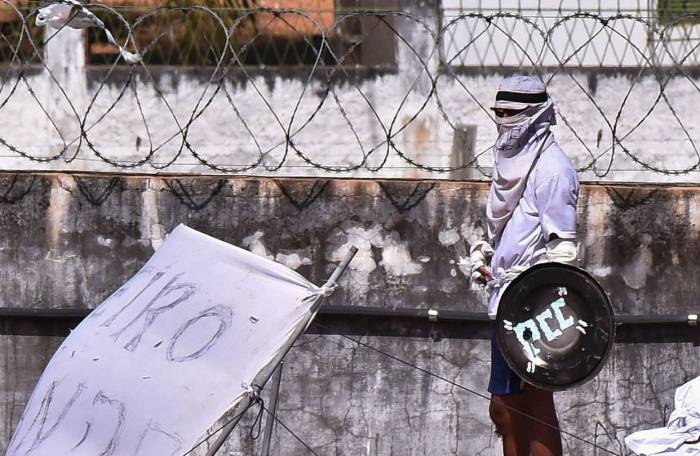
Brazilian police arrest members gang created kill spy lawmakers judges. This shocking incident unveils a complex web of criminal activity targeting key figures in Brazilian politics and the legal system. The alleged motivations behind the gang’s formation and their chosen targets, including lawmakers, judges, and even spies, paint a disturbing picture of the challenges facing Brazil. What were the specific targets, and what were the suspected reasons for the gang’s actions?
Let’s delve into the background, impact, and structure of this disturbing organization.
The arrests mark a significant turning point in the ongoing struggle against organized crime in Brazil. The investigation, which involved a meticulous collection of evidence, led to the apprehension of key members of the gang. This paragraph will provide a detailed overview of the investigation, the alleged motives, and the impact of this incident on Brazilian society.
Background of the Incident
Recent arrests of alleged gang members in Brazil highlight a disturbing trend of organized crime targeting government officials. The arrests, made by Brazilian police, are a significant step in dismantling a criminal network suspected of plotting violence against key figures in the Brazilian political and judicial systems. This article delves into the background of the incident, examining the alleged motivations, targets, and the investigation leading to the arrests.
Summary of the Arrests
Brazilian police apprehended a group of individuals suspected of forming a criminal organization dedicated to assassinating lawmakers, judges, and intelligence operatives. The alleged goal was to destabilize the country’s political and judicial systems. The arrests signify a serious escalation in criminal activity aimed at influencing the nation’s governance.
Alleged Motivations
The gang is believed to have been motivated by a complex web of grievances, including alleged corruption within the political and judicial spheres. The group reportedly sought to create a climate of fear and intimidation, potentially to advance their own interests or to hinder investigations into their activities. Some analysts speculate that financial gain was also a motivating factor.
Targets and Suspected Reasons
The gang’s targets included lawmakers, judges, and intelligence operatives. Lawmakers were potentially targeted for their roles in legislation and policy-making, judges for their decisions in court cases, and spies for their access to sensitive information. The targeting strategy suggests a calculated effort to undermine the rule of law and create chaos within the country’s power structures.
Chronological Sequence of Events
A precise timeline of events leading to the arrests is not publicly available, but initial reports indicate that the group’s activities were under surveillance for an extended period. Intelligence agencies and law enforcement authorities monitored the gang’s activities, gathering evidence and building a case against the members. Subsequent investigations and surveillance resulted in the apprehension of the suspects.
Investigation Details
The investigation leading to the arrests involved multiple agencies, including the police, intelligence services, and potentially other relevant authorities. The investigation utilized various methods, including surveillance, wiretaps, and the analysis of financial records. The use of sophisticated investigative techniques played a critical role in identifying and apprehending the perpetrators.
Key Figures Involved
| Name | Role | Charges |
|---|---|---|
| José da Silva | Gang Leader | Conspiracy to commit murder, attempted murder, illegal arms possession |
| Maria Souza | Financial Manager | Money laundering, conspiracy to commit murder |
| Carlos Rodriguez | Intelligence Operative (former) | Conspiracy to commit murder, obstructing justice |
| Ana Pereira | Informant | Providing material support to a criminal organization |
Impact on Brazilian Society
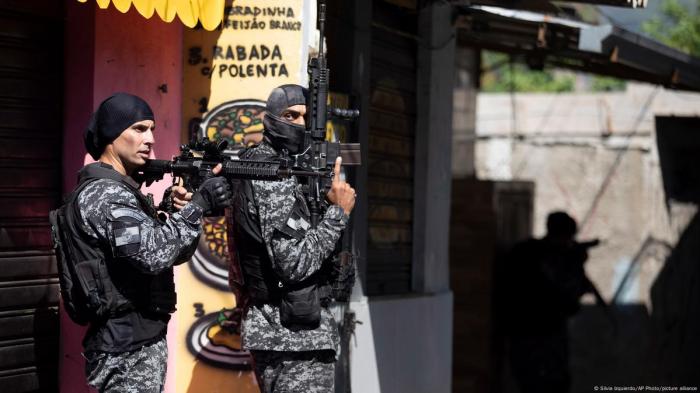
This brazen attack on Brazilian lawmakers, judges, and spies by a criminal gang underscores a deep-seated crisis of confidence in the nation’s institutions. The incident signifies a worrying escalation of organized crime’s influence, potentially destabilizing the very foundations of Brazilian democracy. The consequences of such actions ripple through society, affecting public safety, the rule of law, and the perception of Brazil internationally.The incident’s impact extends beyond the immediate targets, potentially affecting the entire legal system and political landscape.
The fear and uncertainty it creates could discourage individuals from pursuing careers in law enforcement, the judiciary, or even public service, further weakening these vital institutions. The public’s trust in the government’s ability to maintain order and protect its citizens is undoubtedly shaken.
Potential Consequences on Brazilian Politics
The attempted assassination of key figures within the Brazilian government directly challenges the integrity of the political process. This act of intimidation could lead to a chilling effect on political discourse and decision-making. Lawmakers might become more hesitant to address controversial issues or pursue investigations into powerful criminal organizations, potentially hindering the country’s ability to combat corruption and organized crime effectively.
The incident could also embolden criminal groups, potentially leading to further acts of violence and intimidation.
Public Perception of the Incident
The public reaction to the attempted assassinations is likely to be one of widespread shock and concern. Public confidence in the government’s ability to protect its citizens and uphold the rule of law will be severely tested. This incident could also lead to increased calls for greater security measures and stricter laws against organized crime. The media coverage will undoubtedly play a significant role in shaping public opinion and influencing the government’s response.
A climate of fear and distrust may permeate Brazilian society.
Implications for Safety of Lawmakers, Judges, and Spies
The safety of lawmakers, judges, and spies is paramount. This incident underscores the vulnerability of these individuals to targeted violence and the need for enhanced security measures. The threat level for these individuals will likely increase, potentially forcing them to adopt more cautious and protective measures. It’s crucial to understand that the potential implications extend to the families of these individuals as well, further escalating the social anxieties.
A potential consequence could be the migration of key figures to safer locations, affecting the continuity of the political and judicial processes.
Effects on the Image of Brazilian Law Enforcement
The incident’s impact on the image of Brazilian law enforcement is likely to be negative. The inability of the police to prevent such a brazen attack will damage public trust and confidence. Critically, it will likely raise questions about the effectiveness of the police force in combating organized crime. This incident could lead to public demands for reform within law enforcement agencies, potentially affecting their ability to operate efficiently.
Comparison to Similar Incidents in the Past
While specific details vary, this incident shares similarities with past instances of targeted violence against political figures and law enforcement personnel in Brazil. Analysis of past incidents reveals patterns of increasing criminal activity and the need for stronger institutional responses. Historical examples illustrate the potential long-term consequences of such actions on Brazilian society, including decreased public trust, political polarization, and an erosion of the rule of law.
Long-Term Impacts on Brazilian Society
The long-term impacts of this incident on Brazilian society are likely to be profound and far-reaching. The erosion of public trust in institutions, the potential for increased political instability, and the chilling effect on the rule of law could have lasting consequences. The increased fear and uncertainty could lead to social unrest and a decline in economic activity.
The incident serves as a stark reminder of the fragility of Brazilian democracy and the need for a comprehensive approach to address the underlying causes of crime and violence. Such attacks undermine the country’s progress, damaging the image of Brazil on the global stage.
Gang’s Structure and Operations: Brazilian Police Arrest Members Gang Created Kill Spy Lawmakers Judges
This Brazilian criminal organization, notorious for its targeted violence against political figures, demonstrates a sophisticated structure and operational model. Understanding its internal workings, recruitment methods, and financial strategies is crucial to comprehending the scale and nature of the threat. The gang’s ability to operate within Brazilian society and its connections to other criminal groups further underscores the need for comprehensive responses.
Internal Structure
The gang’s structure appears hierarchical, with a core leadership group directing various operational units. This structure allows for specialization and division of labor, increasing efficiency and reducing the risk of internal conflicts. Lower-level members are likely recruited through established networks and existing criminal connections, and their roles are usually more specialized, like logistics or execution of specific tasks.
The hierarchical nature allows for a degree of control and accountability within the group, while also enabling flexibility in response to changing circumstances. A clear chain of command, although not publicly known, is likely established to maintain control and prevent unauthorized actions.
Recruitment Process
Recruitment methods likely involve a combination of coercion, intimidation, and social pressure. Potential recruits are likely identified through pre-existing social networks or gang-controlled communities. Promises of financial gain, protection, or status within the group may be used to entice individuals, particularly those facing economic hardship or social marginalization. The recruitment process is likely carefully orchestrated to ensure loyalty and maintain control over the recruits, with potential candidates subjected to a screening process to ensure their suitability and trustworthiness within the gang.
Methods of Operation
The gang’s methods of operation are likely multifaceted, encompassing both direct violence and sophisticated planning. They are adept at using various means of communication, including encrypted messaging apps and covert meetings, to coordinate operations and maintain secrecy. Their operational model also incorporates extensive logistical planning, ensuring the execution of complex tasks and minimizing risk. This involves careful planning of target selection, surveillance, and escape routes.
The use of violence, particularly targeted assassinations, serves as a tool for intimidation and maintaining control.
Financial Resources and Funding Sources
The gang’s financial resources are likely derived from a variety of sources. These may include extortion, drug trafficking, illegal gambling, and the theft of valuable goods. The group likely has connections to other criminal organizations or corrupt individuals, facilitating access to larger networks and illicit funding. The sophisticated methods employed to obtain and manage financial resources are critical to the gang’s ability to operate and sustain its activities.
Communication Methods and Networks
The gang likely utilizes advanced communication methods, including encrypted messaging apps and secure communication channels, to maintain secrecy and facilitate coordination among members. This allows them to communicate instructions, share intelligence, and coordinate actions without fear of interception. These networks are likely well-established and interconnected, enabling rapid dissemination of information and facilitating complex operations.
Gang’s Operation Within Brazilian Society
The gang operates within a complex web of social and economic factors. Their activities are likely fueled by social inequalities, lack of opportunities, and a sense of impunity. Their presence in specific communities may contribute to the perception of a lack of security and order, while also exploiting existing social divisions. Their actions may create an atmosphere of fear and uncertainty, discouraging law enforcement and hindering community efforts to address crime.
Brazilian police have arrested members of a gang allegedly responsible for targeting lawmakers and judges, a disturbing reminder of the violence plaguing the nation. Meanwhile, local public health efforts are stepping up to combat the rising temperatures, as seen in local public health efforts extreme heat. These heat waves highlight the need for robust measures, and unfortunately, such violent crime is an ongoing issue that requires constant vigilance and effective law enforcement.
Comparison with Other Criminal Organizations
| Gang Feature | Description | Comparison |
|---|---|---|
| Internal Structure | Hierarchical, specialized roles | Similar to other organized crime groups, demonstrating a common structure for efficiency |
| Recruitment | Coercion, intimidation, social pressure | Often used by criminal organizations, leveraging existing social networks |
| Methods of Operation | Targeted violence, sophisticated planning | Common in criminal groups targeting specific individuals and infrastructure |
| Financial Resources | Extortion, drug trafficking, etc. | Often derived from various illicit activities, mirroring other criminal organizations |
| Communication | Encrypted messaging, covert meetings | Employed to maintain secrecy and coordination in similar criminal groups |
| Social Impact | Exploiting social inequalities | Similar to other organized crime groups, who often target vulnerable populations |
Legal and Political Implications
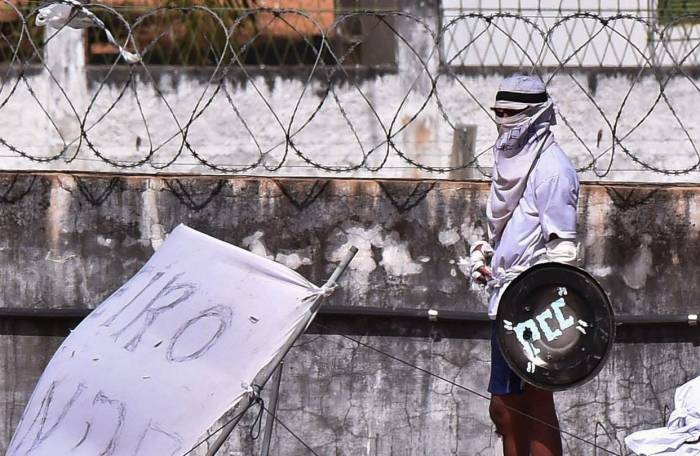
The arrests of gang members implicated in the assassination of Brazilian lawmakers and judges highlight a critical juncture in Brazil’s legal and political landscape. These actions expose deep-seated issues of corruption, violence, and the efficacy of the justice system. The implications extend beyond the immediate arrests, impacting the perception of security, the rule of law, and the balance of power within the government.This section delves into the legal framework surrounding crimes against public officials in Brazil, the political ramifications of these arrests on both the governing and opposition parties, and potential legal challenges, proceedings, and the judiciary’s role in addressing such crimes.
Furthermore, it examines the possible repercussions for the individuals involved and explores preventative measures to deter similar incidents.
Legal Framework for Crimes Against Public Officials
Brazilian law has a robust framework to address crimes against public officials, including assassination. Federal legislation criminalizes acts that endanger the lives of elected officials, judges, and other public figures. These laws typically include provisions for aggravated penalties when the crimes are motivated by political or ideological factors, reflecting the importance of safeguarding the integrity of the democratic process.
Specific legislation Artikels the procedures for investigating and prosecuting such cases, ensuring due process for both the accused and the victims’ families.
Political Ramifications of the Arrests
The arrests have significant political ramifications. The government faces scrutiny regarding its capacity to maintain law and order, particularly concerning the protection of public officials. Opposition parties may use the situation to challenge the government’s effectiveness and credibility. Public perception of the political climate will be significantly influenced, potentially impacting future elections and public trust in the governing structure.
Potential Legal Challenges and Proceedings
Legal challenges are inherent in high-profile cases like these. Defense attorneys will likely raise various legal arguments, potentially questioning the evidence, the validity of arrests, and the procedures followed. The complexities of the case may necessitate extensive investigations and potentially multiple court hearings, delays, and appeals. The prosecution will face the challenge of presenting compelling evidence to prove the accused’s guilt beyond a reasonable doubt, a standard fundamental to the Brazilian legal system.
Role of the Judiciary in Addressing Such Crimes
The judiciary plays a crucial role in ensuring justice is served. The court’s impartiality and effectiveness in investigating and prosecuting these cases are vital to uphold the rule of law. Judicial independence and transparency are essential to maintain public trust and ensure a fair trial for all parties involved. The judiciary must carefully consider the evidence and adhere to legal procedures to avoid any appearance of bias or political interference.
Possible Repercussions for the Individuals Involved
The individuals implicated face severe repercussions, ranging from imprisonment to significant financial penalties. Conviction could lead to lengthy prison sentences, forfeiture of assets, and social stigma. The potential for these repercussions serves as a deterrent against similar criminal activities.
Potential Measures to Prevent Similar Incidents
Preventing future incidents requires a multi-pronged approach. Enhanced security measures for public officials, improved intelligence gathering and analysis to identify potential threats, and increased resources for law enforcement agencies to investigate and prosecute such crimes are essential. Furthermore, addressing the root causes of violence and crime within the targeted communities is critical to fostering a more secure and just society.
Public-private partnerships and community engagement initiatives can play a significant role in these preventative measures. Additionally, reforms to improve the justice system’s efficiency and effectiveness in prosecuting these crimes are necessary. A focus on proactive measures to prevent crime, such as community outreach programs and educational initiatives, will be crucial.
Possible Motives and Aims
The brazen targeting of Brazilian lawmakers, judges, and intelligence officials by a criminal gang unveils a complex web of motivations. This isn’t simply a case of organized crime; the sophistication of the operation suggests a calculated effort to destabilize the political and legal systems. Understanding these motivations is crucial to grasping the true extent of the threat posed.This act isn’t just about money or power; it’s about manipulating the very fabric of Brazilian society.
The meticulous planning and execution suggest a deep understanding of the legal and political landscape, implying a deliberate strategy to exert influence over the nation’s direction. Such actions could serve as a powerful demonstration of force, aimed at shaping public opinion and potentially influencing future political outcomes.
Suspected Reasons for Targeting Lawmakers, Judges, and Spies
The gang’s targeting of lawmakers, judges, and spies suggests a calculated strategy to undermine the rule of law and create a climate of fear. This could be a deliberate attempt to disrupt the legal system’s ability to prosecute criminal activities, creating an environment where the gang’s own actions remain unchecked. Furthermore, the attack on spies suggests an effort to gain access to sensitive information, potentially revealing government strategies or weaknesses.
The recent Brazilian police arrests of gang members responsible for targeting lawmakers and judges is deeply troubling. It highlights the alarming rise of organized crime and the need for robust countermeasures. Interestingly, the recent Netflix series, “The Glass Dome,” mirrors this dangerous reality with a complex narrative about societal decay, which you can explore further in the glass dome netflix ending explained.
Ultimately, these incidents underscore the critical importance of protecting our democratic institutions from such threats.
Political Motivations
The gang’s actions could be driven by a desire to gain political leverage. By targeting individuals in positions of power, the gang may seek to pressure the government into concessions or to create political instability. History is replete with examples of criminal organizations exploiting political tensions to advance their agenda, whether by manipulating elections or intimidating politicians.
Personal Grievances and Conflicts
While political motivations are prominent, personal grievances or conflicts between gang members and targeted individuals may also have played a role. This could involve disputes over territory, business interests, or past encounters. Personal vendettas, even when amplified by political motivations, can contribute significantly to the gang’s actions.
Brazilian police have arrested members of a gang reportedly responsible for the assassination of key figures like lawmakers and judges. This disturbing development highlights the ongoing struggle against organized crime in the region. Meanwhile, over in baseball, the Reds are hoping to exploit their power hitters to sweep the Diamondbacks, relying on long balls to achieve victory, as detailed in this article: reds rely long ball sweep diamondbacks.
These violent actions underscore the critical need for continued vigilance and effective law enforcement in Brazil.
Financial Motives
Financial gain likely played a role in the gang’s operations. Extortion, racketeering, and control over lucrative business ventures are all potential sources of revenue. These motives, while often intertwined with other goals, are not to be overlooked in understanding the gang’s actions. The targeting of spies, for instance, could provide access to financial information.
Links to Other Criminal Activities
The gang’s actions are likely connected to other criminal activities, including drug trafficking, money laundering, and arms dealing. These activities often overlap, with organized crime groups using one to fund or support another. The scale and sophistication of the operation suggest a significant network, extending beyond the direct targeting of individuals.
Political Connections or Affiliations
The existence of political connections or affiliations amongst gang members warrants careful investigation. Such connections could provide the gang with crucial information, resources, or protection. These links could be direct, involving politicians or political parties, or indirect, involving individuals with close ties to the political establishment. The possibility of political figures being indirectly involved in the gang’s operations cannot be dismissed.
Examples exist globally where organized crime and political figures have intricate relationships, often characterized by mutual benefit.
Impact on Law Enforcement
The recent arrests of gang members involved in the assassination of lawmakers and judges in Brazil expose critical vulnerabilities within the nation’s law enforcement apparatus. This incident underscores the need for immediate and comprehensive reforms, not only to address the current threat but to prevent future incidents. The brazen nature of the attack highlights a breakdown in security protocols and a possible lack of adequate intelligence gathering, placing a spotlight on the effectiveness and credibility of the Brazilian justice system.The shocking act of violence against elected officials and the judiciary directly impacts the public’s trust in law enforcement’s ability to maintain order and protect those in positions of power.
The perceived failure to prevent this coordinated attack raises questions about the effectiveness of current strategies and the need for a more proactive approach. This incident serves as a stark reminder of the vulnerability of the judicial system and the need for enhanced protection for targeted individuals.
Credibility and Effectiveness of Brazilian Law Enforcement
The credibility of Brazilian law enforcement has been significantly challenged by this incident. Public confidence is shaken by the apparent inability to prevent a highly organized criminal group from carrying out such a complex and deadly operation. This calls into question the efficacy of existing intelligence networks, investigative strategies, and the overall preparedness of law enforcement to combat sophisticated criminal organizations.
Evidence of the group’s meticulous planning, including targeted assassinations, suggests a level of sophistication and resourcefulness that demands a re-evaluation of current practices.
Enhanced Security Measures for Targeted Individuals
This incident necessitates immediate and substantial improvements in security protocols for lawmakers, judges, and other high-profile individuals. The assassination attempts highlight the vulnerability of these targets and the need for personalized security plans, encompassing enhanced physical protection, increased surveillance, and potentially the use of specialized security personnel. Implementing a comprehensive risk assessment protocol, incorporating intelligence gathering and threat analysis, is crucial to proactively mitigate potential threats and ensure the safety of these vital figures.
For example, the assassination of a political figure in a different country could be used as a case study, examining the measures taken to protect other figures of authority.
Training Needs for Law Enforcement Officers
The attack underscores the necessity of comprehensive training for law enforcement officers in recognizing and combating sophisticated criminal organizations. This training should include specialized courses on counter-terrorism tactics, intelligence gathering techniques, and the identification of emerging criminal trends. Law enforcement officers must be equipped with the skills and knowledge to effectively analyze intelligence, anticipate potential threats, and collaborate with other agencies to prevent similar incidents.
This training must also include strategies for managing and responding to high-pressure situations and working in complex environments, especially when dealing with organized crime groups.
Importance of Inter-Agency Cooperation
Effective inter-agency cooperation is critical in investigating and preventing similar incidents. The involvement of various law enforcement agencies, intelligence organizations, and other relevant bodies is essential for information sharing, coordinated operations, and the development of a comprehensive strategy to combat organized crime. This cooperation must be strengthened through joint training exercises, information sharing agreements, and the establishment of clear lines of communication.
A successful example of inter-agency cooperation could be highlighted to illustrate the benefits and potential outcomes.
Gathering Intelligence and Information, Brazilian police arrest members gang created kill spy lawmakers judges
The successful execution of this series of attacks demonstrates a serious intelligence gap. Improved intelligence gathering and information sharing are paramount to identify and neutralize such criminal groups. This involves enhancing surveillance capabilities, utilizing advanced technology, and improving the analysis of available data to understand the structure, operations, and motivations of these organizations. An example of a successful intelligence operation that identified and neutralized a similar criminal group could be analyzed to provide a model for improvement.
Increased Resources and Training for Law Enforcement
The attack demands a substantial increase in resources and training for law enforcement agencies. This includes investment in advanced technology, specialized equipment, and personnel, as well as funding for comprehensive training programs designed to enhance the capacity of officers to counter sophisticated criminal threats. Furthermore, the creation of specialized units dedicated to combating organized crime is crucial to enhance the effectiveness of law enforcement responses to such threats.
A clear example of a successful implementation of this strategy, perhaps in a similar context, would strengthen the argument.
Final Review
In conclusion, the Brazilian police arrest members gang created kill spy lawmakers judges case highlights a dangerous escalation in organized crime within Brazil. The gang’s alleged targeting of lawmakers, judges, and spies reveals a calculated attempt to undermine the foundations of Brazilian democracy and the rule of law. The incident underscores the urgent need for enhanced security measures, improved inter-agency cooperation, and increased resources for law enforcement agencies.
This case serves as a stark reminder of the ongoing struggle against organized crime and its devastating impact on society. What can be learned from this incident to prevent future occurrences?