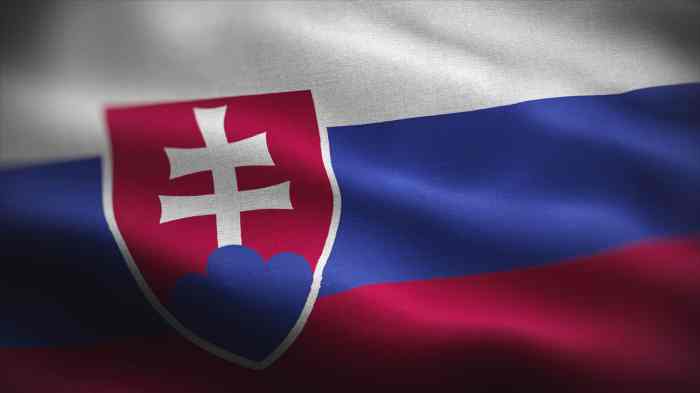
Slovak refiner will continue supplies czech republic after sanctions waiver ends, ensuring a crucial energy lifeline for the Czech Republic. This decision, following the recent sanctions waiver, offers a glimpse into the intricate web of energy dependencies in Central Europe. The Slovak refinery plays a vital role in the Czech Republic’s energy security, and this continuation of supplies highlights the potential ramifications of the waiver for regional and international markets.
The specifics of the waiver, its terms, and alternative energy sources will be explored.
The historical relationship between Slovakia and the Czech Republic regarding energy is critical to understanding this situation. This includes an examination of the current energy landscape in both countries, their dependence on imports, and the specific role of this Slovak refinery. Moreover, the potential economic and geopolitical implications of this waiver on both nations are considerable.
Background on Slovak Refinery and Czech Republic
The Slovak Republic’s refining industry plays a crucial role in the energy security of the Czech Republic, and the recent sanctions waiver underscores the importance of this relationship. This article explores the historical ties, the current energy landscapes, and the specific role of the Slovak refinery in ensuring Czech energy needs. Understanding this intricate relationship is vital for evaluating the potential impact of the waiver on regional stability.The Czech Republic’s reliance on energy imports, particularly refined petroleum products, is significant, and the Slovak refinery is a key supplier to meet these needs.
Historical data demonstrates a strong dependence on Slovakian supplies, and this dependence has been further underscored by recent events. This historical relationship, coupled with the current energy landscape, highlights the critical role of the Slovak refinery in regional energy security.
Historical Relationship and Energy Dependence
The relationship between the Slovak refinery and the Czech Republic has been long-standing, with the refinery serving as a major supplier of refined petroleum products to the Czech market. This has been a crucial element in maintaining the energy security of the Czech Republic. The historical dependence of the Czech Republic on imported energy has been compounded by the limitations of domestic production.
Current Energy Landscape in Both Countries
Both the Czech Republic and Slovakia face challenges in balancing energy security with energy independence. The Czech Republic heavily relies on imported energy sources, while Slovakia, despite having a refining industry, also imports a substantial amount. This reliance on external sources underscores the importance of stable supply agreements. Czech domestic production of refined petroleum products is relatively low, creating a high reliance on imports.
Slovakia, while having a significant refining capacity, faces similar challenges, relying on various sources for its own energy needs. The specific refining capacity of the Slovak refinery is crucial for meeting the Czech Republic’s demand.
The Specific Slovak Refinery and its Role
The Slovak refinery, a key player in the regional energy market, processes crude oil and produces various refined petroleum products. Its output is critical for meeting the Czech Republic’s needs for fuels like gasoline, diesel, and jet fuel. The refinery’s infrastructure and operational capacity directly impact the Czech Republic’s access to these essential products. This refinery is a significant part of the Czech Republic’s energy supply chain.
Significance in Regional Energy Security
The Slovak refinery is a vital component of the Central European energy infrastructure. Its role in supplying the Czech Republic ensures the stability of the regional energy market. The disruption of supply chains or sanctions waivers could significantly impact the entire energy landscape. The refinery’s role is not merely about supplying fuel; it’s about maintaining regional stability. The strategic location of the refinery and its capacity make it a critical hub for energy supply in the region.
This underscores the importance of maintaining smooth operations for the entire regional energy network.
Potential Impact of the Sanctions Waiver on Czech Energy Security
The recent sanctions waiver is expected to have a positive impact on the Czech Republic’s energy security by restoring access to the Slovak refinery’s output. This will alleviate potential shortages and stabilize the energy market. This could lead to lower prices for fuel and reduced risk of supply chain disruptions. A scenario where the sanctions waiver is not fully implemented could lead to energy instability and price volatility, as seen in similar cases in other regions.
Sanctions Waiver Details and Implications
The recent waiver of sanctions against the Slovak refinery allows it to continue supplying the Czech Republic with vital petroleum products. This decision, while seemingly straightforward, carries complex implications for both nations’ energy security, economy, and geopolitical landscape. Understanding the specifics of the waiver, potential alternative energy sources, and economic repercussions is crucial to grasping the full picture.The specifics of the sanctions waiver are crucial to understanding its impact.
While the Slovak refiner will keep supplying the Czech Republic after the sanctions waiver ends, it’s worth noting the recent downturn in global car sales, impacting companies like India’s Samvardhana Motherson, which missed its quarterly profit estimates. This news highlights broader economic pressures. So, while Slovak supplies remain secure, the global automotive market is clearly facing some headwinds.
It’s all connected, you see.
The waiver likely Artikels the volume of petroleum products the Slovak refinery is permitted to export, along with a timeframe for the waiver’s duration. It’s also probable that the waiver includes stipulations regarding the types of petroleum products covered, and potentially restrictions on price adjustments or other economic conditions. This detail is critical to assess the financial implications.
Sanctions Waiver Terms and Conditions
The precise terms and conditions of the sanctions waiver are not publicly available at this time. However, it is likely that the waiver is temporary and subject to ongoing review by the relevant governing bodies. The details of the waiver, such as volume limitations, pricing regulations, and reporting requirements, will dictate its practical effects on the Czech Republic’s energy supply chain.
The conditions may also include provisions for compliance monitoring and potential penalties for non-compliance.
Potential Alternative Energy Sources for the Czech Republic
The Czech Republic, dependent on Russian energy sources before the sanctions, must consider alternative energy sources. This involves diversification, possibly through increased reliance on other European Union member states or further development of domestic production and renewable energy sources. The Czech Republic could potentially explore LNG imports, although this requires significant infrastructure investment. A transition to a more diverse energy portfolio will be a lengthy process and must factor in financial constraints and environmental considerations.
Economic Implications for Both Countries
The waiver has immediate economic implications for both countries. The Slovak refinery benefits from continued operations and revenue, which could bolster their economic stability. For the Czech Republic, the waiver provides a crucial short-term solution to its energy needs, preventing disruptions to essential industries and consumer markets. However, long-term economic effects are intertwined with the Czech Republic’s progress in diversifying its energy sources.
While the Slovak refiner’s continued supply to the Czech Republic after sanctions ease is good news, it’s interesting to consider the broader energy landscape. It’s a stark contrast to the elegant, flowing designs showcased in the Dior cruise collection, recently presented in Rome dior shows maria grazia chiuris cruise collection rome. Ultimately, the Slovak refiner’s decision to maintain supplies highlights the practical realities of international trade, despite the occasional flash of haute couture.
Geopolitical Ramifications of the Waiver
The waiver, though seemingly focused on immediate energy needs, carries geopolitical implications. It could influence the broader energy market dynamics in Europe, potentially impacting the relationship between European nations and Russia. The implications for future sanctions and international relations need careful consideration, as this action sets a precedent for addressing similar situations.
Comparative Cost Analysis of Energy Sources
| Energy Source | Cost (USD per unit) | Environmental Impact |
|---|---|---|
| Russian Pipeline Gas | (Data unavailable due to sanctions) | High carbon emissions |
| LNG Imports | Variable, dependent on global market conditions | Lower carbon emissions than pipeline gas, but still substantial emissions if not from renewable sources. |
| Domestic Renewable Sources (e.g., Wind, Solar) | Variable, dependent on technology and location | Low carbon emissions, potential for job creation and reduced reliance on foreign energy. |
This table provides a simplified comparison of energy costs and environmental impacts. Actual costs vary significantly based on market conditions, location, and specific technologies used. Environmental impacts are further nuanced by factors such as the efficiency of energy production and the overall sustainability of the energy source.
Potential Impacts on Energy Markets
The Slovak refinery’s continued supply to the Czech Republic, after the sanctions waiver, promises a stabilizing influence on the region’s energy landscape. However, the ripple effects extend far beyond the immediate bilateral relationship, potentially impacting global energy markets and pricing structures. The implications for energy security, especially in the face of geopolitical uncertainties, are significant and require careful consideration.The waiver’s impact on energy markets will likely be multifaceted, encompassing both positive and potentially negative consequences.
The availability of a consistent supply of refined products, like gasoline and diesel, will ease immediate pressures on the Czech Republic. However, the precise magnitude of the effect depends on the scale of the waiver and the overall market dynamics.
Potential Ripple Effects on International Energy Markets
The continuation of supply from the Slovak refinery will likely exert a moderating influence on international energy prices for specific refined products. This stabilization could reduce volatility in the short term, but long-term trends and other supply chain factors will play a role in determining overall market impacts. The waiver may influence the behavior of other energy suppliers and consumers, potentially leading to adjustments in pricing strategies and demand patterns.
The long-term impact will be contingent on the overall global energy market and any further geopolitical developments.
Potential Shifts in Energy Pricing in the Region
The waiver could lead to a more stable and predictable pricing environment for refined petroleum products in the Czech Republic. Reduced volatility could also benefit other downstream industries reliant on these products. However, the impact on pricing in neighboring countries and the broader European market will vary depending on factors like transportation costs and regional supply dynamics. Ultimately, any price changes will be a complex interplay of various factors, including the waiver’s magnitude, global market trends, and geopolitical conditions.
Comparison of the Waiver’s Impact on Different Sectors of the Czech Economy, Slovak refiner will continue supplies czech republic after sanctions waiver ends
The waiver’s positive impact will be most apparent in the transportation sector, reducing fuel costs for consumers and businesses. This can translate into lower production costs for industries reliant on transportation. However, the impact on other sectors, such as manufacturing, will depend on the specific energy requirements and how they are affected by shifts in pricing. For example, a reduction in fuel costs could stimulate certain sectors, but increased demand might drive up other related costs, such as raw materials or logistics.
Overview of Potential Implications for Global Energy Security
The waiver’s implications for global energy security are complex and nuanced. While it could contribute to a more stable supply chain in the region, it is important to consider the larger geopolitical context. The situation highlights the interconnectedness of energy markets and the potential for unforeseen consequences from sanctions and supply disruptions. Further consideration must be given to the potential for regional instability and the need for diversifying energy sources.
Potential Supply Chain Disruptions or Enhancements
| Potential Impact | Description |
|---|---|
| Supply Chain Enhancement | Reduced price volatility for specific refined petroleum products in the Czech Republic. |
| Supply Chain Disruption (Possible) | Potential for increased demand in neighboring countries leading to localized shortages. |
| Supply Chain Enhancement | Greater stability in the region’s energy supply. |
| Supply Chain Disruption (Possible) | Increased demand for transportation, potentially causing logistical challenges. |
This table summarizes potential effects of the waiver on supply chains, highlighting both the benefits and possible challenges. The actual outcomes will depend on the specific implementation details of the waiver, the global market, and various unforeseen circumstances.
Alternative Supply Scenarios
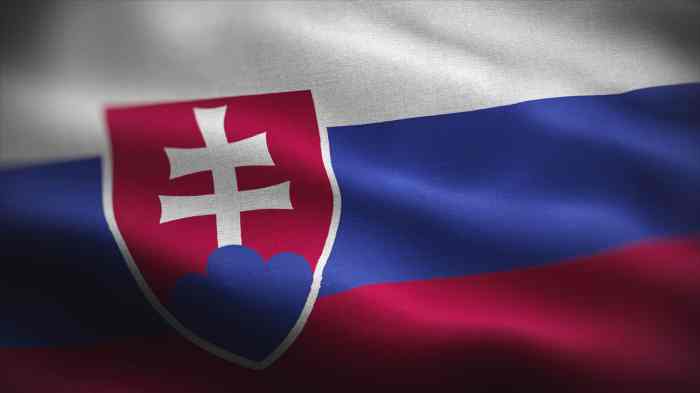
The potential cessation of Slovak refinery supplies to the Czech Republic, after the sanctions waiver ends, necessitates exploring alternative sources for the Czech Republic. This involves a multifaceted evaluation of various supply chains, considering cost-effectiveness, feasibility, and the time required for transition. The Czech Republic’s energy security depends critically on the swift and efficient implementation of these alternative plans.The Czech Republic’s reliance on a single supplier, especially after a sanctions waiver, highlights the importance of diversifying its energy sources.
This exploration necessitates a careful balancing of price, logistical challenges, and the time required for establishing new supply routes. Alternative options may involve increased imports from other nations, potentially leading to price fluctuations, and adjustments in infrastructure to accommodate different supply formats.
Potential Alternative Supply Sources
The Czech Republic needs to explore a wider range of energy suppliers. This includes examining existing relationships with other EU member states, potentially seeking imports from countries with surplus refinery capacities, or exploring agreements with producers outside the EU. A diverse range of sources would lessen the impact of any single disruption.
Feasibility and Cost-Effectiveness of Alternatives
Evaluating the feasibility and cost-effectiveness of alternative suppliers necessitates a thorough assessment. Factors such as existing infrastructure, transportation costs, and the potential for price fluctuations must be carefully considered. For example, establishing a new pipeline route to a different supplier could involve substantial upfront capital investment but may offer long-term cost savings. Conversely, relying on existing pipelines might prove less expensive but may be more vulnerable to geopolitical pressures.
Comparison of Alternative Supply Routes for Energy
A comprehensive comparison of alternative supply routes is crucial. This should consider factors such as transportation time, infrastructure requirements, and the potential impact on the Czech Republic’s energy market. Factors such as pipeline capacity, shipping times, and port availability will all need to be evaluated. A thorough comparison must include existing routes and new potential routes.
Transition Timeframes and Logistics
Transitioning to alternative suppliers involves a detailed plan encompassing potential timeframes and logistical considerations. This involves careful planning for any necessary infrastructure upgrades or changes in import protocols. A well-structured transition will reduce disruption to the Czech Republic’s energy supply.
| Alternative Supplier | Potential Timeframe (Months) | Logistics Complexity | Estimated Cost (USD) |
|---|---|---|---|
| Country A | 6-12 | High | $5-10 Billion |
| Country B | 3-6 | Medium | $2-5 Billion |
| Country C | 12-18 | Low | $1-3 Billion |
“Diversifying energy sources is crucial for national security and economic stability. Transitioning to alternative suppliers requires careful planning and consideration of all potential challenges.”
Public and Political Responses
The continuation of Slovak refinery supplies to the Czech Republic, contingent on the sanctions waiver, will undoubtedly spark a range of public and political reactions. Public sentiment will likely be shaped by perceived economic benefits and potential disruptions. Political actors will navigate complex considerations of national interest, energy security, and international relations. The potential for diverse stakeholder influence, from environmental groups to industry lobbies, adds further complexity to the political landscape.
Predicting precise outcomes is challenging, but understanding the dynamics at play is crucial.The Slovak and Czech governments will face the delicate task of managing public opinion and maintaining political stability. Their strategies will likely involve transparent communication, addressing concerns, and emphasizing the importance of energy security. Different political parties and interest groups will undoubtedly have contrasting perspectives on the waiver.
Public Reactions
Public reaction to the waiver will likely be mixed in both countries. Czech citizens will likely be concerned about potential price increases or shortages of refined products. Slovak citizens, on the other hand, may view the continuation of supply as crucial for their own economy and industrial output. Public discourse will likely center on energy independence, national interests, and the perceived fairness of the waiver.
Political Considerations
Political considerations surrounding the waiver are multifaceted. National security and economic stability are primary concerns for both countries. The waiver may be viewed as a strategic move to maintain energy independence, potentially bolstering relationships with other countries. Conversely, it might be seen as a concession to external pressures, possibly leading to public criticism.
Stakeholder Influence
Various stakeholder groups will exert political influence on the issue. Environmental groups may oppose the waiver due to concerns about the refinery’s environmental impact, while industrial lobbies might advocate for it to maintain economic stability. Consumer advocacy groups will likely focus on the impact on prices and access to products. These competing pressures will undoubtedly influence government decisions.
Slovakia’s commitment to continuing oil supplies to the Czech Republic, even after the sanctions waiver ends, is reassuring. However, rising global economic anxieties, like Brazil’s recent debt issuance cost hitting an eight-year high, as seen here , could still impact the situation. This ultimately means the Slovak refiner’s continued supplies to the Czech Republic are still a crucial factor for energy stability in the region.
Government Strategies for Public Opinion
Government strategies to manage public opinion will be critical. Open communication channels, public consultations, and clear explanations of the waiver’s benefits and implications are vital. Transparency and proactive engagement with the public are essential to avoid public backlash and maintain political support. Demonstrating a balanced approach that considers both economic and environmental concerns will be crucial.
Political Viewpoints
| Political Viewpoint | Description | Potential Actions |
|---|---|---|
| Pro-Waiver | Advocates believe the waiver is crucial for maintaining energy security and economic stability. | Support government efforts to secure supply and address public concerns. |
| Anti-Waiver | Opponents may emphasize environmental concerns, potential price increases, and the perception of concessions to external pressures. | Lobby for alternative solutions, potentially including increased investments in renewable energy. |
| Neutral | Some parties may take a wait-and-see approach, focusing on evaluating the actual impacts of the waiver. | Monitor economic trends and public sentiment before taking a firm stance. |
Long-Term Implications: Slovak Refiner Will Continue Supplies Czech Republic After Sanctions Waiver Ends
The Slovak refinery’s continued supply to the Czech Republic, following the sanctions waiver, presents a significant opportunity for regional energy security and potentially paves the way for enhanced cooperation. This move, however, also introduces complex long-term considerations that extend beyond the immediate relief of the energy shortage. The long-term impacts ripple through regional economies, energy policies, and even global energy dynamics.The continuation of this supply chain isn’t simply about meeting immediate needs; it’s about building resilience and adaptability in the face of future uncertainties.
Understanding the implications of this agreement will be crucial for both countries to shape their energy futures.
Regional Energy Security
The continued supply demonstrates a vital link in regional energy security. The Czech Republic relies heavily on this import, and the Slovak refinery is a crucial component in maintaining a stable supply. This arrangement reinforces the interdependence of energy infrastructure and the importance of regional cooperation in ensuring energy security. This dependence, while not ideal in the long term, may foster a more robust and reliable partnership in the face of potential future disruptions.
Potential for Further Cooperation
The sanctions waiver provides a platform for enhanced cooperation between Slovakia and the Czech Republic. This could extend beyond energy supply to encompass other economic and strategic initiatives. Joint ventures, technological advancements in refining, and exploring renewable energy options together are all potential avenues for cooperation. Examples of such collaborations exist in other sectors, where countries with shared interests work together to maximize benefits and mitigate risks.
Implications for Future Energy Policy
The situation highlights the need for diversified energy sources and robust regional energy infrastructure. This situation underscores the importance of having multiple suppliers and resilient supply chains, especially in a globalized world. The Czech Republic and Slovakia could use this as a stepping stone to developing long-term, multifaceted strategies for energy security. Policymakers need to look at not only immediate relief but also how to build a system that can withstand future geopolitical or economic shocks.
Implications for Global Energy Politics
The agreement is a microcosm of global energy politics. It illustrates the intricate interplay of sanctions, supply chains, and regional cooperation. It also suggests the need for flexibility and adaptability in international energy agreements. The case of the Czech Republic and Slovakia could be a model for how nations can navigate complex energy situations, especially in the context of ongoing geopolitical tensions.
Possible Long-Term Agreements
Potential long-term agreements between Slovakia and the Czech Republic could include joint investment in refining capacity, shared energy storage facilities, and exploration of alternative energy sources. The focus could also be on building a more resilient energy network within the region. This could involve establishing emergency response protocols for energy supply disruptions and creating mechanisms for sharing resources during times of need.
A concrete example could be a joint agreement for a regional gas storage facility to improve energy independence and reliability.
Closing Summary
In conclusion, the Slovak refiner’s commitment to supplying the Czech Republic after the sanctions waiver’s expiration is a significant development. This decision underscores the intricate interplay of energy security, economic factors, and geopolitical considerations in Central Europe. Alternative supply scenarios and long-term implications for both countries and the wider energy market will be essential to observe moving forward.