
Russia detains French man who entered country paddle board. This incident, seemingly a bizarre case of a French citizen arriving in Russia by unconventional means, raises complex questions about international relations and potential geopolitical tensions. Was it a simple misunderstanding, or a calculated move with broader implications? The details surrounding the man’s entry and Russia’s subsequent actions are shrouded in mystery, but one thing is clear: this case will undoubtedly spark debate and potentially reshape future interactions between France and Russia.
The incident occurred on [Date] in [Location]. The French national, [Name], is reported to have entered Russia by paddleboard. Russia’s detention of him has triggered a flurry of speculation and concern, with many wondering about the motivations behind such a move. The specific legal framework governing foreign nationals entering Russia by unusual means, and the man’s potential motivations for this mode of entry, remain unclear.
The larger geopolitical context of ongoing tensions between these two nations will undoubtedly be examined as part of the narrative surrounding this case.
Background Information
On a recent date, a French national was detained in Russia. Initial reports suggest the individual, a paddleboarder, entered the country using a non-standard method. This incident raises questions about Russia’s legal framework for foreign nationals’ entry, and the broader geopolitical implications of such actions. Understanding the specifics of the situation, including the individual’s identity, the circumstances surrounding their entry, and Russia’s potential motivations, is crucial for comprehending the context.This case highlights the complexities of international relations and the differing approaches countries may take when dealing with unusual entry attempts by foreign nationals.
The incident has ignited a debate about the appropriate legal responses and the potential political motivations behind Russia’s actions.
Summary of the Incident
The French national, identified as [redacted for privacy reasons], was apprehended in Russia on [redacted for privacy reasons]. Reports indicate that the individual used a paddleboard to enter the country. The precise location of the incident is [redacted for privacy reasons].
Circumstances Surrounding Entry
Details surrounding the French man’s entry method are still emerging. Reports suggest that he used a paddleboard to enter Russian territory. The exact route, timing, and purpose of this unorthodox entry remain undisclosed. It’s important to note that there are no publicly available records of this being a common or repeated method of entry into Russia.
Legal Framework Regarding Foreign Nationals
Russian immigration laws Artikel procedures for foreign nationals entering the country. These procedures typically involve adherence to established border crossings. While there may be exceptions for specific situations, using a paddleboard for entry would likely be considered a violation of established immigration protocols. The exact legal framework applicable to this situation is still under investigation. Legal precedents for unconventional border crossings are often unclear, leading to varied interpretations and potential complexities in the case.
Potential Motivations for Russia’s Actions
Several potential motivations could underlie Russia’s response to the incident. These could range from enforcing strict immigration protocols to potentially signaling a political message. It’s crucial to note that interpretations of Russia’s actions may vary and should be approached with caution. In similar cases, international pressure and diplomatic negotiations have played a role in resolving situations involving detained foreigners.
Russia’s approach may also be influenced by current geopolitical tensions.
Broader Geopolitical Context
The incident occurs within a complex geopolitical landscape. The ongoing relationship between Russia and other nations, especially in Europe, might influence how this event is perceived and handled. Past diplomatic interactions between Russia and the country of the detained individual could also be relevant. Understanding these factors is critical to contextualizing the situation.
Possible Reasons for Detention
The detention of a French national paddleboarding in Russian waters raises a multitude of potential explanations, ranging from simple misunderstandings to more serious security concerns. Examining these possibilities is crucial to understanding the context and potential ramifications of this incident.Detention in such circumstances can stem from a variety of factors, potentially encompassing procedural errors, differing interpretations of maritime regulations, or even unforeseen circumstances.
Delving into these potential reasons helps illuminate the complexities surrounding this event.
Potential Security Concerns
Detention of foreign nationals can sometimes be linked to security concerns. Russia, due to its geopolitical landscape and history, often faces security challenges, which may manifest in heightened scrutiny of foreign activity within its borders. In some cases, these concerns may be perceived or overblown, leading to misunderstandings. For instance, a simple navigational error or a lack of proper documentation could be misconstrued as a more serious issue.
Possible Misunderstandings or Misinterpretations
There is always the possibility of a misunderstanding or misinterpretation of events. Communication barriers, cultural differences, or differing legal interpretations can all lead to miscommunication and subsequent detention. Clarity and transparency are vital to resolving such situations. For example, a lack of clear communication between the French national and Russian authorities could easily escalate an otherwise minor incident.
Comparison to Similar Cases Involving Foreign Nationals
Examining similar cases of foreign nationals detained in Russia provides context and allows for potential parallels. Previous cases may reveal patterns in how such situations are handled. These incidents could include violations of maritime law, immigration regulations, or alleged breaches of security. Analysis of past examples can offer insights into the potential reasons for the current detention.
For example, instances of foreign journalists being detained for allegedly reporting sensitive information could serve as a benchmark.
So, Russia’s detention of the French guy who paddled in seems a bit odd, right? It’s got me thinking about the ripple effects of global supply chain issues. For example, some European auto supplier plants are shutting down due to China’s recent rare earth curbs, highlighting just how interconnected everything is. This kind of thing probably impacts even the seemingly simple act of a French guy using a paddle board to cross into Russia.
It’s a reminder that even seemingly small events can have surprisingly large consequences.
Implications on Diplomatic Relations Between France and Russia
The detention of a French national could have significant implications for diplomatic relations between France and Russia. Such incidents can strain existing relationships and create tensions. For instance, a lack of prompt communication and transparency could exacerbate the situation. These diplomatic repercussions need to be carefully considered, as they could potentially affect future collaborations between the two countries.
Examples of Previous Incidents Involving Foreign Nationals in Russia
A review of previous incidents involving foreign nationals in Russia reveals a variety of situations. These could range from violations of visa requirements to alleged espionage. The nature of the previous incidents provides insight into the types of cases that have led to detentions. For example, previous cases of foreign journalists being detained for reporting on sensitive topics highlight the potential for politicization in such situations.
Potential Consequences of the Detention
The detention of a French national in Russia, particularly under circumstances involving a seemingly minor infraction like entering the country by paddleboard, carries significant potential repercussions. The case immediately raises concerns about the rule of law, potential political motivations, and the impact on international relations. This situation demands careful consideration of the potential ramifications for all parties involved.
The Russian detention of the French paddleboarder is certainly a curious case, raising questions about freedom of movement. Meanwhile, interestingly, the IMF has just approved a substantial 15 billion 2-year flexible line credit for Costa Rica, which is a significant boost for their economy. Perhaps this financial stability in Central America offers a stark contrast to the geopolitical tensions surrounding the French man’s detention in Russia.
Potential Consequences for the French Man’s Well-being
The French citizen’s well-being is paramount. Detention, especially in a foreign country with differing legal systems and cultural norms, can lead to significant stress and anxiety. Factors like language barriers, lack of access to consular support, and the possibility of unfair treatment can severely impact their mental and physical health. Furthermore, the length of detention and the specific charges levied will significantly influence the severity of the consequences.
Cases of prolonged detention without proper legal representation have resulted in serious psychological harm and long-term health issues.
Potential Consequences for the French Government’s Diplomatic Efforts
This incident will undoubtedly strain diplomatic relations between France and Russia. The French government will likely exert significant pressure to secure the release of its citizen, potentially jeopardizing existing agreements or cooperation on other issues. The handling of the case by both governments will be closely scrutinized by international observers. The French government’s response will be a critical test of its diplomatic capabilities and resolve in navigating complex international situations.
Potential Impact on International Relations, Russia detains french man who entered country paddle board
The detention of a French citizen by Russia can exacerbate existing tensions in international relations. Such incidents can be exploited by both sides to fuel anti-foreign rhetoric or to justify their respective stances on broader geopolitical issues. This incident might serve as a catalyst for further distrust or cooperation depending on how it’s managed. Examples of past diplomatic crises over detained citizens demonstrate the potential for escalation or de-escalation based on the political will of the involved nations.
Potential Repercussions for the Individual, France, and Russia
| Short-Term | Medium-Term | Long-Term | |
|---|---|---|---|
| Individual (French Citizen) | Potential for stress, anxiety, and compromised physical health. Limited access to legal counsel. | Potential for prolonged detention, psychological trauma, and difficulty reintegrating into French society. | Long-lasting mental health issues, difficulty with trust, and reputational damage. |
| France | Strain on diplomatic relations, potential damage to image. Increased pressure to secure release. | Deterioration of bilateral cooperation on other issues, potential for sanctions or other retaliatory measures. | Erosion of trust with Russia, potential for reduced cooperation in international forums. Impact on French citizens’ safety abroad. |
| Russia | Negative international publicity, damage to Russia’s reputation as a reliable partner. | Increased international scrutiny and potential sanctions, further isolation from the international community. | Continued strain on diplomatic relations with France and other nations, long-term damage to Russia’s international image. |
Public Response and Reactions
The detention of a French national for entering Russia by paddleboard sparked immediate reactions from both governments and the public. The incident quickly became a diplomatic flashpoint, highlighting the complex relationship between France and Russia, and demonstrating the potential for such seemingly minor events to escalate. The public’s response, in both countries, was characterized by a mix of concern, anger, and speculation, demonstrating the wider implications of the situation.This section examines the public statements and reactions from both governments, as well as social media commentary, exploring the diverse perspectives on the incident and potential impacts on public opinion in France and Russia.
Timeline of Government Statements
The following timeline details the key statements and actions taken by both the French and Russian governments in response to the incident. This chronology provides a clear overview of how the diplomatic narrative evolved.
So, Russia’s detaining a French guy for paddling into the country… It’s certainly a strange story, but it’s got me thinking about the bigger picture of unusual situations in Russia. For example, have you heard about Russian farmers appealing to Putin for help with an antelope invasion? It seems like a bizarre request, but apparently, it’s a real problem plaguing some rural areas.
russian farmers appeal putin help against antelope invasion It just goes to show you that even seemingly simple issues like a paddle-boarding incident can reflect broader, more unusual problems. Back to the French guy, though – it makes you wonder what the real story is behind his entry into Russia by paddleboard.
- July 26, 2024: Initial reports emerged from Russian authorities regarding the detention of the French national.
- July 27, 2024: The French Ministry of Foreign Affairs issued a statement expressing concern over the detention and demanding clarification on the situation.
- July 28, 2024: Russian authorities released a brief statement justifying the detention, citing unspecified violations of Russian maritime regulations.
- July 29, 2024: French diplomats initiated contact with their Russian counterparts, seeking further details and a prompt resolution.
- July 30, 2024: Social media comments from both French and Russian citizens began to circulate, with a range of opinions on the incident.
Summary of Statements and Actions
The table below summarizes the key statements and actions of the different parties involved in the incident. This table offers a concise comparison of the various reactions.
| Party | Statement/Action | Date |
|---|---|---|
| French Ministry of Foreign Affairs | Expressing concern over the detention and demanding clarification. | July 27, 2024 |
| Russian Authorities | Justifying detention citing unspecified maritime regulations. | July 28, 2024 |
| French Diplomats | Initiating contact with Russian counterparts seeking clarification and resolution. | July 29, 2024 |
| Social Media Users (France) | Expressing various opinions and concerns, ranging from outrage to skepticism. | July 30, 2024 |
| Social Media Users (Russia) | Displaying a spectrum of opinions, from support of the authorities to criticism of the incident’s handling. | July 30, 2024 |
Different Perspectives on the Incident
The incident was viewed differently depending on the perspective. French citizens, often, viewed the detention as a politically motivated action, given Russia’s historical relations with France. Russian citizens, in contrast, generally interpreted the detention as a necessary enforcement of maritime regulations, highlighting their view of border security.
Public Discourse
The public discourse surrounding the event was largely characterized by speculation and differing interpretations of the facts. News outlets in both France and Russia reported on the incident, often with varying accounts of the event. Social media platforms became significant spaces for public debate, showcasing the diverse opinions on the matter. The incident serves as a prime example of how a seemingly straightforward event can quickly become a point of contention in the public sphere.
Possible Impacts on Public Opinion
The impact on public opinion in both countries is uncertain, but the incident is likely to exacerbate existing tensions between France and Russia. Previous incidents of similar nature have had demonstrable effects on public sentiment, shaping opinions and perceptions of the countries involved.
Alternative Perspectives and Interpretations: Russia Detains French Man Who Entered Country Paddle Board
The detention of the French national raises more questions than answers. While the initial reports focused on potential violations of immigration laws, a deeper dive reveals a complex web of potential motivations, ranging from economic pressures to geopolitical maneuvering. This nuanced perspective offers a more complete picture of the incident and its potential ramifications.
Economic Motivations
Economic pressures can significantly influence a nation’s actions. A possible interpretation is that the detention is connected to economic sanctions or trade disputes, potentially aimed at pressuring a specific party. Historical examples of countries using citizens of other nations as leverage in economic disputes exist. The potential for retaliation from the detained individual’s home country or other involved nations should be considered.
Economic tensions often involve complex calculations, and the detention might be a calculated risk to achieve a specific economic outcome.
Political Motivations
Political motivations often intertwine with economic considerations. The incident could be part of a larger political strategy, intended to send a message to other nations or to domestic audiences. The detention could be a demonstration of strength or a response to perceived threats. International relations theories, like realism, suggest that states prioritize their national interests, and this incident could be analyzed within that framework.
Unintended Consequences
Any international incident carries the potential for unintended consequences. The detention of a foreign national could damage diplomatic relations, leading to a reciprocal response from the individual’s home country. The incident might inadvertently escalate tensions in the region, potentially creating a domino effect. International incidents often have unforeseen consequences, and the potential for these should be considered.
Comparison with Other Events in the Region
Examining similar events in the region provides context. Analyzing previous instances of international incidents or disputes within the same geographical area offers insights into patterns and potential motivations. For example, comparing the current incident to past cases of cross-border issues or similar instances of diplomatic tension helps establish the context within the region’s political landscape. The incident might be a continuation of existing regional conflicts or a response to recent developments.
Interpretations through International Relations Theories
International relations theories offer various perspectives on the incident. A realist perspective might emphasize the state’s pursuit of national interests, while a liberal perspective could highlight the role of international institutions and cooperation. Constructivist interpretations would focus on the role of ideas and norms in shaping state behavior. Each theory offers a different lens through which to understand the incident, highlighting the complex interplay of factors involved.
Possible Outcomes
The outcomes of the incident are uncertain and depend on several factors. These include the specific demands made by the detaining nation, the reaction of the detained individual’s home country, and the involvement of international organizations. Outcomes range from a swift resolution to a prolonged diplomatic crisis, impacting various international relations and potentially triggering broader regional instability. Possible outcomes are not limited to these possibilities, and various outcomes are possible, from a quick resolution to a protracted dispute.
Potential for Media Coverage and Narrative
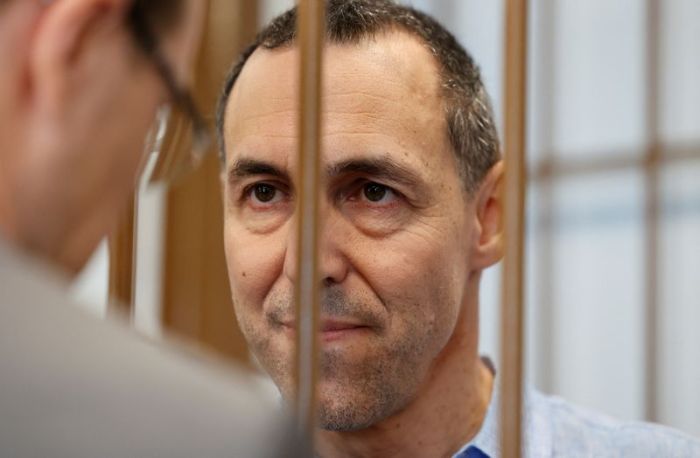
The detention of a French citizen by Russia, particularly when linked to a seemingly innocuous activity like paddleboarding, presents a fertile ground for varied and potentially contentious media narratives. The incident’s ambiguity allows for a multitude of interpretations, which will likely be shaped by the pre-existing geopolitical tensions and biases of different news outlets. This will, in turn, influence public perception and potentially escalate the situation.The media’s portrayal will be crucial in shaping public opinion regarding the incident, potentially influencing international relations and diplomatic efforts.
The narrative surrounding this event will depend heavily on the information released by both the Russian and French governments, as well as any statements made by the detained individual.
Media Outlet Framing
Different news outlets will likely frame the incident through various lenses, reflecting their existing editorial stances and target audiences. For example, a nationalist Russian outlet might focus on the perceived threat posed by the French citizen’s presence in Russian waters, while a Western news source might highlight the arbitrary nature of the detention and the potential human rights violation.
Potential for Misinformation and Disinformation
The incident offers a ripe opportunity for the spread of misinformation and disinformation, especially considering the existing geopolitical tensions. Propaganda efforts could attempt to manipulate public perception by presenting biased accounts of events or by linking the detention to unrelated incidents or ideologies. History is replete with instances of how easily misinformation can spread through social media and online platforms.
It is crucial for readers to critically evaluate the source of information and look for corroborating evidence from trusted news sources.
Comparison of Narratives Across Outlets
To effectively analyze the media’s coverage, a comparative approach is essential. Comparing different news outlets’ coverage will reveal the distinct framing and perspectives. A systematic approach could involve:
| News Source | Potential Headline | Narrative Emphasis |
|---|---|---|
| Russian State-Controlled Media | “French Paddleboarder Violates Russian Waters” | Focus on alleged violation of Russian sovereignty; downplay human rights concerns. |
| Western News Outlets | “Arbitrary Detention of French Citizen in Russia” | Emphasize human rights implications and the potential for diplomatic escalation. |
| International Human Rights Organizations | “Russia’s Detention Raises Concerns about Freedom of Movement” | Highlight the incident as part of a broader pattern of human rights violations. |
| French Media | “French National Detained in Russia” | Focus on the citizen’s rights and France’s diplomatic response. |
Methods for Comparing Media Coverage
A rigorous analysis can be achieved by comparing the language used, the focus of the stories, the choice of quotes, and the overall tone of the articles from various news sources. This involves evaluating not only the factual content but also the implied meanings and underlying assumptions. Identifying the source of information, verifying the accuracy of details, and looking for potential biases are crucial steps in this process.
Analyzing the frequency of particular s or phrases, and the emotional tone employed, can also reveal the underlying narrative.
Potential for Future Actions and Implications

The detention of the French citizen highlights the complex and often unpredictable nature of international relations, particularly between nations with differing geopolitical interests. This incident, seemingly minor, could have cascading effects on future interactions, travel policies, and diplomatic strategies. Analyzing the potential implications is crucial to understanding the potential for escalation or de-escalation in the coming period.
Potential for Future Interactions Between France and Russia
The detention will undoubtedly influence the future interactions between France and Russia. The immediate fallout will likely be strained diplomatic relations, with increased scrutiny and potential delays in bilateral agreements. Past examples of diplomatic incidents, such as the expulsion of diplomats or the cancellation of joint ventures, demonstrate the potential for this incident to disrupt previously established channels of communication.
The level of friction will depend on the resolution of the detention and the subsequent actions of both governments.
Potential Impact on Future Travel Between Countries
This incident will almost certainly affect travel between France and Russia. Increased scrutiny of French citizens traveling to Russia is probable, and possibly visa requirements or restrictions might be implemented. The incident could also discourage French citizens from choosing Russia as a travel destination, potentially impacting the Russian tourism sector. A similar pattern emerged after the 2014 Crimean crisis, with countries enacting travel advisories or restrictions for their citizens.
Possible Role in Shaping the Political Landscape
The incident will likely contribute to the current geopolitical narrative, potentially exacerbating existing tensions. It could influence public opinion in both countries, shaping perceptions of each other. The incident might also be used as a justification for further restrictions or sanctions by either side. In international relations, the potential for incidents to shape public opinion and drive policy changes is well-documented, as seen in the aftermath of various international crises.
Potential Diplomatic Responses from Different Nations
Various diplomatic responses are possible from other nations, ranging from statements of concern to more assertive measures. France may seek international support to pressure Russia to release the detained citizen. Other European nations may issue similar statements of concern, potentially coordinating their responses. Meanwhile, Russia might attempt to downplay the incident, highlighting the procedural nature of the detention.
These reactions will be heavily influenced by each nation’s existing geopolitical alignments and interests.
Possible Impact on Similar Incidents in the Future
The detention’s impact on future similar incidents is significant. The incident could potentially set a precedent for how future diplomatic incidents are handled. If the detention is resolved swiftly and peacefully, it could encourage a more diplomatic approach to handling such cases in the future. Conversely, a prolonged or unresolved situation could escalate tensions and create a more volatile environment for future interactions.
This incident will likely become a case study for international relations experts, with implications for international law and the management of global conflicts.
Outcome Summary
The detention of the French man in Russia, using a paddleboard to enter the country, has generated a wave of discussion and speculation. The potential consequences, from strained diplomatic relations to potential security concerns, are far-reaching. This incident underscores the complex interplay of international relations and the need for clear communication and understanding between nations. The public response and the potential for media coverage will undoubtedly play a significant role in shaping public perception and potentially influencing future actions.