The Evolution of Gluten-Free Gastronomy in Brussels: A Comprehensive Guide to Inclusive Dining in the European Capital

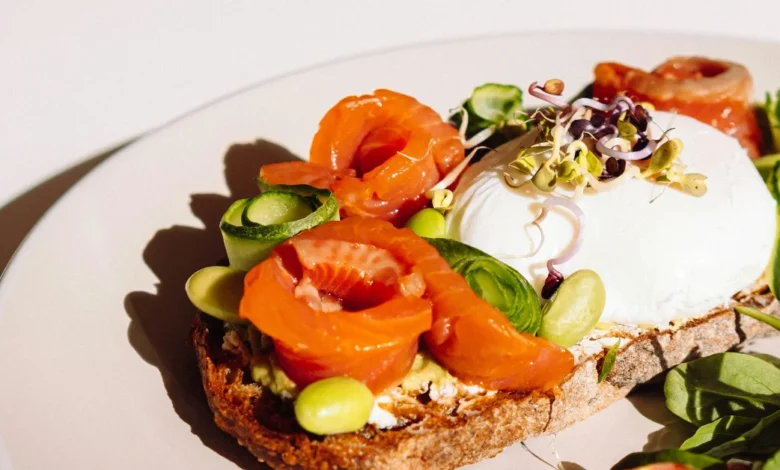
The culinary landscape of Brussels has undergone a profound transformation over the last decade, transitioning from a city where dietary restrictions were often met with confusion to a sophisticated hub of inclusive gastronomy where gluten-free dining is now a driver of culinary innovation. For years, individuals suffering from celiac disease or gluten intolerance viewed dining out in the Belgian capital as a logistical challenge, often relegated to limited side dishes or salad options. However, a strategic pivot within the hospitality sector, driven by increasing consumer demand and a deeper understanding of food sensitivities, has integrated gluten-free options into the core identity of some of the city’s most prestigious and trendy establishments. This shift is not merely a matter of substituting ingredients but represents a broader movement toward "conscious cooking," where transparency, safety, and creative flair are paramount.
The Regulatory and Economic Context of Gluten-Free Dining
The rise of gluten-free dining in Brussels is situated within a broader European regulatory framework. Since the implementation of EU Regulation No 1169/2011 on the provision of food information to consumers, restaurants in Belgium have been legally required to provide clear information regarding 14 major allergens, including cereals containing gluten. This legislation served as a catalyst for professionalizing allergen management in kitchens. Simultaneously, the global gluten-free market has seen exponential growth, with industry analysts estimating a compound annual growth rate (CAGR) of nearly 9% through 2030. In Brussels, a city characterized by its international population and role as the seat of the European Union, the demand for high-quality, safe, and diverse dietary options is particularly acute. Restaurateurs have recognized that offering gluten-free options is no longer just a niche service but a competitive necessity that opens their doors to larger, diverse groups of diners.
A Chronology of Culinary Adaptation
The journey toward the current state of gluten-free dining in Brussels can be traced through several distinct phases. In the early 2010s, options were largely confined to specialized health food stores or vegan cafes. By 2015, the "fast-casual" sector began to adopt gluten-free alternatives, such as burger buns and pizza crusts, albeit often with limited attention to cross-contamination. The current era, beginning around 2020, is defined by "natural" gluten-free integration—where chefs utilize ancient grains and traditional cooking techniques that are inherently free of gluten, such as the use of teff in Ethiopian cuisine or corn in Latin American traditions. Today, the focus has shifted toward the "gastronomic experience," ensuring that the gluten-free diner receives a meal that is equal in texture, flavor, and presentation to any standard offering.
Italian Tradition Reimagined: Ricotta & Parmesan and Il Veliero
Italian cuisine, traditionally centered on wheat-based pasta and dough, has historically been one of the most difficult terrains for gluten-free diners. However, establishments in Brussels have pioneered methods to bridge this gap. Ricotta & Parmesan, located at Rue de l’Ecuyer 31, has become a benchmark for this transition. The restaurant operates on a concept of modularity, allowing guests to pair a wide variety of sauces with gluten-free pasta bases. The significance of this establishment lies in its staff training; employees are rigorously educated on the risks of cross-contamination, a critical factor for those with celiac disease. By treating gluten-free pasta not as an afterthought but as a core component of their "choose your own" menu, they have successfully democratized the Italian dining experience.
In contrast to the bustling, central atmosphere of Ricotta & Parmesan, Il Veliero in the Etterbeek district (Rue Général Leman 15) offers a more intimate, neighborhood-focused approach. Here, the adaptation of Italian classics is handled with a more artisanal touch. The chef’s ability to provide gluten-free pizza and pasta alternatives in a smaller setting allows for greater control over the cooking environment. This reflects a growing trend in Brussels where "slow food" and dietary inclusion go hand-in-hand, proving that even traditional, wheat-heavy cultures can adapt to modern health requirements without sacrificing authenticity.
Fast-Casual Standards and Safety: The Case of Huggys
The burger industry has faced significant pressure to adapt to gluten-free demands. Huggys, a prominent Belgian chain, exemplifies the professionalization of fast-casual gluten-free dining. Their strategy involves offering a gluten-free bun across their entire menu for a nominal surcharge. However, the most critical technical detail in their operation is the management of fried goods. While many restaurants cross-contaminate fries by sharing oil with breaded items, Huggys maintains separate fryers. This operational decision is a major safety milestone for the sensitive diner. Furthermore, the transparency of their allergen list, available upon request and often integrated into digital menus, sets a standard for how modern chains should communicate with their clientele regarding hidden gluten in sauces and seasonings.
Cultural Heritage as a Natural Solution: Toukoul and Rosita’s Cantina
One of the most effective ways Brussels restaurants have embraced gluten-free dining is by looking toward global cuisines that are naturally free of wheat. Toukoul, located near Place de Brouckère (Rue de Laeken 34), brings the traditions of Ethiopia to the heart of Europe. The centerpiece of their menu is the injera—a fermented flatbread. While traditionally made from teff, a gluten-free ancient grain native to the Horn of Africa, some versions are mixed with wheat. Toukoul’s commitment to authentic, teff-based preparations provides a high-protein, nutrient-dense, and naturally gluten-free base for their spicy stews (wats) and firfir. This style of communal eating, where the bread serves as both plate and utensil, offers a sensory experience that bypasses the "substitution" feel of many gluten-free meals.
Similarly, Rosita’s Cantina (Rue du Pont de la Carpe 12) leverages the corn-based traditions of Latin America. In Mexican and Central American cuisine, the masa (corn dough) used for tacos and tostadas is inherently gluten-free. By focusing on fresh ceviches, guacamole, and corn-based street food, Rosita’s Cantina provides a vibrant, colorful dining environment where the "gluten-free" label is almost redundant because the menu is built on ingredients that never required wheat in the first place. This represents a sophisticated shift in the industry: moving away from "free-from" products toward "naturally inclusive" ingredients.
Holistic and Conscious Dining: The Sister Brussels Café and Les 4 Jeudis
For many in Brussels, the exclusion of gluten is part of a broader lifestyle choice involving organic (bio) and sustainable consumption. The Sister Brussels Café, situated near the Grand-Place (Rue Chair et Pain 3), has established itself as a "sanctuary" for this demographic. Their menu is almost entirely gluten-free and organic, featuring savory buckwheat galettes—a traditional Breton solution to gluten-free dining—and an impressive selection of gluten-free beers. This is particularly notable in Belgium, a country famous for its beer culture, where the lack of gluten-free options in bars was once a significant social barrier.
Les 4 Jeudis (Rue du Marteau 36/A) takes this a step further by focusing on "conscious" vegetarian cuisine. Their menu is highly seasonal and rotates based on local market availability. The kitchen’s philosophy is rooted in the exploration of textures and flavors through vegetables, legumes, and alternative grains. For the diner, the appeal of Les 4 Jeudis is the lack of "interrogation" required; the menu is designed with health and transparency as foundational principles, allowing patrons to enjoy inventive dishes without the anxiety of hidden ingredients.
The Modern Brunch and "Slow Food": Frank and Francine
The brunch scene in Brussels has also seen a gluten-free revolution, led by establishments like Frank (Rue des Princes 14). Operating as a specialty coffee house and a "slow food" destination, Frank offers gluten-free versions of brunch staples, including their signature pancakes. The focus here is on the quality of the raw materials—sourcing locally and seasonally. The aesthetic presentation of the dishes at Frank highlights that gluten-free food can be as visually appealing and "Instagrammable" as any other. This move toward high-end brunch options ensures that dietary restrictions do not exclude individuals from the city’s vibrant weekend social rituals.
Analysis of Implications: Medical Necessity vs. Lifestyle Choice
While the proliferation of gluten-free options is a boon for the hospitality industry, it necessitates a nuanced understanding of the diner’s needs. Medical experts and celiac associations emphasize the distinction between "gluten-friendly" (suitable for those with mild sensitivities) and "strictly gluten-free" (essential for those with celiac disease). The restaurants highlighted in this report have largely bridged this gap through rigorous kitchen protocols and staff education.
The broader implication for Brussels is a boost in "culinary tourism." As the city positions itself as a modern, inclusive capital, the ability to safely host diners with varied requirements enhances its reputation on the global stage. From a business perspective, the "veto vote"—where a single person with a dietary restriction decides where an entire group will eat—means that restaurants with robust gluten-free options are capturing a larger share of the market.
Conclusion and Future Outlook
The current state of gluten-free dining in Brussels is a testament to the resilience and creativity of the city’s restaurateurs. What began as a mandatory compliance with allergen labeling has blossomed into a diverse culinary ecosystem. Whether through the scientific management of cross-contamination in Italian kitchens, the adoption of separate fryers in burger joints, or the celebration of naturally gluten-free global cuisines, Brussels has set a high bar for inclusivity. As consumer awareness continues to grow and food technology improves the quality of alternative flours and binders, the future of dining in the capital looks increasingly accessible. For the consumer, the message remains clear: while the city is more prepared than ever, communication with the kitchen regarding the specific nature of one’s dietary needs remains the final step in ensuring a safe and enjoyable gastronomic experience.
Related posts: