Brussels’ Iconic Museum of Art and History Shuts Down Vast Antiquities Wing Indefinitely Amidst Structural Safety Concerns

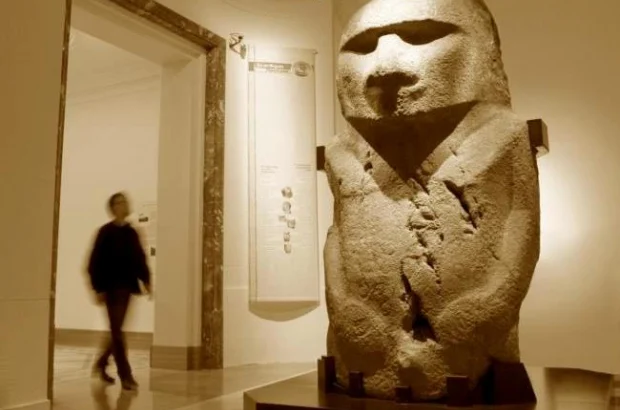
The entire antiquities wing of the Museum of Art and History at Cinquantenaire Park in Brussels has been closed to the public for an unspecified duration due to critical safety issues concerning its ceilings. The extensive closure, which began in February, now extends for an indefinite period, impacting a significant portion of the museum’s renowned collections and impacting academic and public access to invaluable historical artifacts. This prolonged shutdown, stemming from a ceiling collapse last summer and subsequent structural assessments, highlights broader challenges in maintaining aging cultural heritage infrastructure and raises questions about the long-term preservation of such significant collections.
Escalating Concerns: From a Minor Collapse to a Sweeping Closure
The current crisis in the antiquities wing, a cornerstone of the Museum of Art and History’s offerings, began with a dramatic incident last summer. The ceiling of the Petra Room, a relatively small meeting space situated on the ground floor of the wing, unexpectedly gave way. Fortunately, no visitors or staff were present at the time of the collapse, preventing any potential injuries. This isolated event, however, served as a stark warning and prompted a more thorough investigation into the structural integrity of the entire wing’s ceiling systems.
Following the Petra Room incident, the museum administration promptly engaged the Buildings Agency, a governmental body responsible for public infrastructure. This agency initiated a comprehensive inspection process, bringing in a specialist firm to meticulously assess the stability of the numerous false ceilings throughout the antiquities wing. The initial findings of this investigation quickly escalated from a localized concern to a broader issue, revealing widespread instability in the overhead structures.
Adding another layer of complexity to the situation, initial concerns were raised about the potential presence of asbestos fibers within the insulating glass wool used in the construction of some of these ceilings. Asbestos, a hazardous material known for its carcinogenic properties, necessitates stringent safety protocols during any remediation or renovation work. The specialist firm, therefore, also undertook an investigation into the presence and potential airborne dissemination of these fibers.
Safety Protocols and the Difficult Decision to Close
In the interim period while the investigations were ongoing, the museum implemented immediate safety measures to protect its staff and the valuable collections housed within the wing. Museum personnel who were required to work in the area were provided with alternative workspaces elsewhere within the museum complex. For those who still needed to be present in the antiquities wing, the mandatory use of FFP2 face masks was enforced, a precautionary measure to mitigate any potential exposure to airborne particles.
However, as the extent of the structural instability became clearer and the initial asbestos concerns were being addressed, museum management made the difficult but necessary decision to close the entire antiquities wing to visitors. This decision was primarily driven by a commitment to public safety, ensuring that no visitor would be exposed to any potential hazards. While the initial asbestos scare ultimately proved unfounded – subsequent investigations confirmed the absence of asbestos fibers – the structural integrity issues remained a significant and unavoidable concern.
"An FFP2 face mask is therefore no longer required for anyone entering the building, but a hard hat is still necessary," stated museum spokesperson Bart Suys, underscoring the shift in the nature of the safety requirements. This quote, while seemingly minor, encapsulates the evolving understanding of the risks and the practical measures being implemented. The removal of the face mask mandate signaled the abatement of the asbestos threat, but the continued requirement for hard hats emphasized the persistent danger posed by the unstable ceilings.
A Phased Approach to a Monumental Renovation
The comprehensive investigation ultimately revealed that several false ceilings across the antiquities wing were not structurally sound. In response, the museum management has opted for a proactive and thorough approach: the removal and replacement of these unstable false ceilings throughout the entire wing. This undertaking is not a minor repair but a significant renovation project that will impact a vast area encompassing multiple distinct galleries.
The process of appointing a suitable contractor to carry out this extensive work is currently underway. The museum’s stated aim is for the renovation work to commence as early as this month, signaling an urgent drive to address the safety issues and eventually reopen the affected sections.
Museum spokesperson Bart Suys elaborated on the planned execution of the renovation, outlining a meticulous, three-phase strategy designed to minimize disruption and ensure a systematic approach. The work will proceed from the bottom up, systematically addressing each section of the wing.
The first phase will focus on the Near East galleries and the area surrounding the renowned Apamea mosaic, located on both the ground and first floors. Following the completion of this initial phase, the renovation will move to the upper floors, tackling the Greece, Rome, and Egypt galleries. The final phase will address the Egypt storage area, situated on the fifth floor. Crucially, all offices within the antiquities wing will also undergo renovation as part of this comprehensive project. This means that each gallery and workspace will need to be cleared of its exhibited works and furnishings before the renovation can begin in that specific area.
"It’s a massive undertaking," Bart Suys acknowledged, highlighting the sheer scale and complexity of the project. The logistical challenges of carefully removing, storing, and then reinstalling priceless artifacts from multiple galleries are considerable.
Uncertainty Lingers: The Timeline for Reopening
Despite the commencement of the contractor appointment process and the aim for work to begin imminently, a definitive timeline for the reopening of the antiquities wing remains elusive. The museum’s official website currently indicates that the wing will remain closed "at least until the end of June." However, anecdotal evidence suggests a potentially much longer period of closure. One school, which had a planned visit to the museum cancelled due to the ongoing situation, was reportedly informed that the entire process could take up to a year.
This disparity in projected timelines underscores the inherent uncertainties associated with such large-scale structural renovations. The exact duration of each phase, particularly the second and third phases, as well as the renovation of the office spaces, will depend on detailed discussions with the appointed contractor. "There are still many uncertainties and questions," Suys admitted, reflecting the fluid nature of the situation.
The Buildings Agency, while committed to expediting the process, is also unable to provide a firm completion date at this juncture. Their official statement reiterates a strong "aim is to carry out the works as quickly as possible," but this does not translate into a concrete timeframe.
Broader Impact: Access to Collections and Ancillary Services
The closure of the antiquities wing has a significant impact beyond just the affected galleries. While visitors can still access the museum’s other departments, including the prehistory, Art Nouveau and Art Deco, America, and Asia galleries, the loss of the antiquities collection represents a substantial reduction in the overall visitor experience. The Rome, Greece, Egypt, Near East, and Islamic art galleries are among the most popular and historically significant sections of the museum, attracting scholars, students, and the general public alike.
Furthermore, the repercussions extend to the museum’s library services. Three of the museum’s libraries are now closed indefinitely. Two of these – the antiquities library and the volunteer-run China library – are located directly within the now-inaccessible antiquities wing. The central library, situated in a different part of the building, is reportedly closed due to staff shortages, adding another layer of operational challenge for the institution. This dual closure of critical research and archival resources further compounds the impact of the antiquities wing shutdown.
Historical Context: A Legacy of Reconstruction and Preservation
The antiquities wing, often referred to by the museum as the "new" wing, has a history intertwined with loss and reconstruction. The original antiquities pavilion at the Cinquantenaire Park site dates back to the late 19th century. Tragically, this historic structure was completely destroyed by fire in 1946, a devastating event that necessitated the rebuilding of this crucial part of the museum’s heritage. The current wing, therefore, represents a later iteration, built on the foundations of a rich but tragically lost past. This historical context adds a poignant layer to the current challenges, highlighting the ongoing commitment to preserving and presenting these invaluable collections for future generations.
The current situation, while frustrating for visitors and potentially impactful for researchers, underscores the critical importance of investing in the maintenance and modernization of cultural heritage sites. The Museum of Art and History at Cinquantenaire Park, like many institutions worldwide, grapples with the ongoing challenge of balancing accessibility with the imperative of structural safety and preservation. The prolonged closure of its antiquities wing serves as a stark reminder of the hidden complexities and significant costs associated with safeguarding our collective past. The successful completion of these renovations will not only restore access to a vital cultural resource but also reaffirm the museum’s commitment to its mission of education, preservation, and public engagement.