The Evolution of Modern Spanish Fashion A Deep Dive into Artisan Labels and Sustainable Craftsmanship

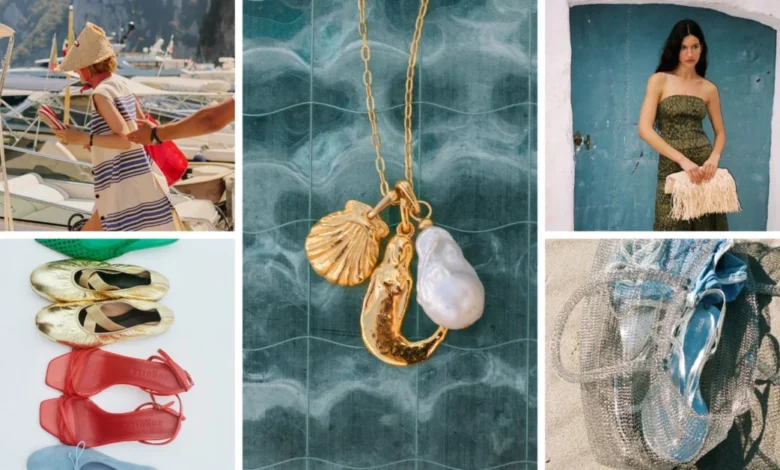
The global fashion landscape is currently witnessing a significant paradigm shift as consumers move away from the ubiquity of mass-produced "fast fashion" toward a more intentional, artisanal approach. Spain, a nation historically dominated in the international consciousness by retail giants like the Inditex Group, is now at the forefront of a new movement characterized by local production, ethical sourcing, and the preservation of traditional craftsmanship. This transition is not merely a aesthetic trend but a structural realignment of the Spanish textile industry, which contributes approximately 2.8% to the national GDP. From the heritage-rich ateliers of Barcelona to the contemporary creative hubs of Madrid, a new generation of designers is redefining what "Made in Spain" signifies in the 21st century.
At the heart of this transformation is a commitment to the "on-demand" and "slow fashion" models, which prioritize quality and environmental stewardship over volume and speed. Labels such as Tantodramma and Alhaja are leading the charge in the accessories sector, utilizing traditional techniques to create pieces that resonate with a global audience seeking authenticity. Meanwhile, ready-to-wear brands like Simorra and Romualda are bridging the gap between fine art and functional apparel, proving that the Mediterranean aesthetic—characterized by light, natural fibers and vibrant, hand-applied prints—remains a potent force in the luxury market.
The Rise of Artisanal Jewelry and the On-Demand Model
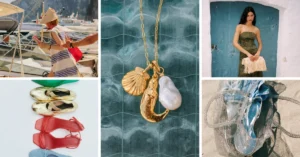
The jewelry sector has become a primary vehicle for the expression of Spanish artisanal values. Tantodramma exemplifies the shift toward hyper-personalization and waste reduction. By operating on a strictly handmade and on-demand basis, the brand eliminates the traditional inventory overhead and the subsequent environmental waste associated with unsold stock. Their creative process involves a meticulous assembly of beads and charms, allowing consumers to "mix and match" elements to create a bespoke product. This model reflects a broader industry trend where the "luxury" status of an item is derived from its unique, labor-intensive creation rather than its brand name alone.
Similarly, the brand Alhaja—a name derived from the Arabic word for a "valuable object"—draws deeply from the historical and cultural tapestry of Spain. Founded in 2019 by designers María and Irene, the brand serves as a bridge between the country’s Moorish heritage and contemporary sustainable practices. Their focus on using natural materials and folklore-inspired motifs is a direct response to the homogenization of global jewelry designs. By supporting the local economy and advocating for "quality over quantity," Alhaja aligns with the growing consumer demand for "forever pieces"—items designed to last a lifetime rather than a single season.
Chronology of Innovation: From 1978 to the 2019 Renaissance
The trajectory of the current Spanish fashion scene can be traced through several key developmental phases. While the late 20th century was defined by the establishment of foundational houses, the late 2010s saw an explosion of independent, digitally-native brands that prioritized ethical production.
- 1978: The Foundation of Heritage. Javier Simorra established his eponymous label, Simorra, in Barcelona. Drawing on the couture traditions of his father and a personal passion for the opera, Simorra positioned fashion as a narrative medium. This era marked the beginning of Spain’s attempt to professionalize its high-end ready-to-wear sector.
- 2012: The Mediterranean Aesthetic Formalized. The launch of Bohodot by the mother-daughter duo Peque and Cris signaled a return to local production in the swimwear sector. This period saw a renewed interest in the "Mediterranean lifestyle" as a marketable global brand.
- 2019: The Sustainable Explosion. This year was pivotal, seeing the launch of Niutt, Romualda, and Alhaja. Each of these brands was founded on the principles of circularity, using deadstock fabrics or natural pigments, reflecting a pre-pandemic shift toward conscious consumption that would only accelerate in the following years.
- 2020–Present: The Era of Global Recognition. Brands like Róuri have gained international traction, aided by high-profile endorsements and the "quiet luxury" movement, cementing Spain’s status as a hub for minimalist, high-quality design.
Sustainable Textiles and the Circular Economy in Madrid
In the capital city of Madrid, the brand Niutt has become a case study for the integration of nostalgia and modern sustainability. Since 2019, designer Claudia Parras has operated a small-scale atelier that rejects the traditional fashion calendar. Instead, Niutt works "on the rhythm of the seasons," a phrase that implies a rejection of the artificial deadlines imposed by the global fashion industry. A critical component of Niutt’s strategy is the use of deadstock fabrics—leftover textiles from larger production runs that would otherwise be destined for landfills. This practice not only reduces environmental impact but also ensures that many of their pieces are genuinely "one-of-a-kind," a significant selling point for modern consumers who value exclusivity.
The intersection of art and environmentalism is further explored by Romualda, founded by sisters Cristina and Mariana Aguirre. By combining Cristina’s background in painting with Mariana’s expertise in object design, the duo has created a brand that utilizes 100% organic materials, such as biological cotton and silk. Their production process is decentralized yet localized, with hats manufactured in specialized workshops in Asturias, Northern Spain. The use of natural pigments for their prints ensures that the entire lifecycle of the garment is as low-impact as possible, providing a blueprint for how traditional Spanish crafts can be adapted for a sustainable future.
Economic Data and the Impact of Local Production
The resurgence of these labels has significant implications for the Spanish economy. According to data from the Spanish Fashion Confederation (ModaEspaña), the move toward local production helps stabilize the domestic textile supply chain, which suffered during the decades of aggressive outsourcing. By keeping production within Spain—specifically in regions like Catalonia, Madrid, and Asturias—these brands are revitalizing local craftsmanship and providing stable employment in specialized sectors.
Furthermore, the "Made in Spain" label has seen a value increase in the international export market. In 2023, Spanish textile exports reached record highs, driven in part by the premium placed on European-made goods. Consumers in markets such as the United States, Japan, and Northern Europe are increasingly willing to pay a premium for garments that offer transparency in their supply chains. The success of brands like Bohodot, which maintains 100% local production and works exclusively with Spanish suppliers, demonstrates that a localized business model is not only ethically sound but also economically viable.
Minimalism and the Celebrity Influence: The Case of Róuri
The international visibility of Spanish fashion has been significantly bolstered by the "celebrity effect." Róuri, a brand known for its minimalist aesthetic and use of noble materials like linen and cotton, has captured the attention of global style icons, most notably Kelly Rutherford. Known for her association with the "Old Money" and "Gossip Girl" aesthetic, Rutherford’s public endorsement of Róuri has introduced the brand to a wider, high-net-worth audience.
Róuri’s success lies in its ability to translate the "quiet" rhythm of the Mediterranean into a visual language that appeals to the urban professional. Their focus on neutral colors and "ultra-romantic" cuts aligns with the broader global trend toward minimalism. This brand’s trajectory illustrates a broader truth about the current market: while heritage and sustainability are the foundation, a clear, curated aesthetic and strategic social visibility are essential for breaking into the international mainstream.
Future Implications for the Spanish Fashion Industry
The rise of these artisanal and sustainable brands suggests a permanent shift in the Spanish fashion identity. The industry is moving away from being seen solely as a provider of affordable, fast-moving trends and toward a reputation for artistic integrity and ethical responsibility. This evolution carries several long-term implications:
- Educational Revitalization: There is an increasing demand for specialized training in traditional crafts, such as hand-weaving, natural dyeing, and artisanal jewelry making, leading to a potential resurgence in vocational textile education.
- Technological Integration: While these brands focus on "slow" production, many are utilizing advanced e-commerce and data analytics to manage on-demand orders and minimize overproduction, showing that tradition and technology can coexist.
- Environmental Leadership: By proving the viability of deadstock usage and natural pigments, these Spanish labels are setting a standard for the European Union’s broader sustainability goals, particularly the "Strategy for Sustainable and Circular Textiles."
In conclusion, the success of Tantodramma, Niutt, Simorra, Romualda, Alhaja, Bohodot, and Róuri represents more than just a successful season for Spanish design. It signifies a robust and necessary evolution of an entire industry. By looking backward to traditional techniques and forward to sustainable business models, Spain is carving out a unique and influential space in the global fashion hierarchy, proving that the future of style lies in the hands of the artisan.
Related posts: