The Legacy of Terroir de Magerotte and the Evolution of Artisanal Butchery in the Belgian Ardennes

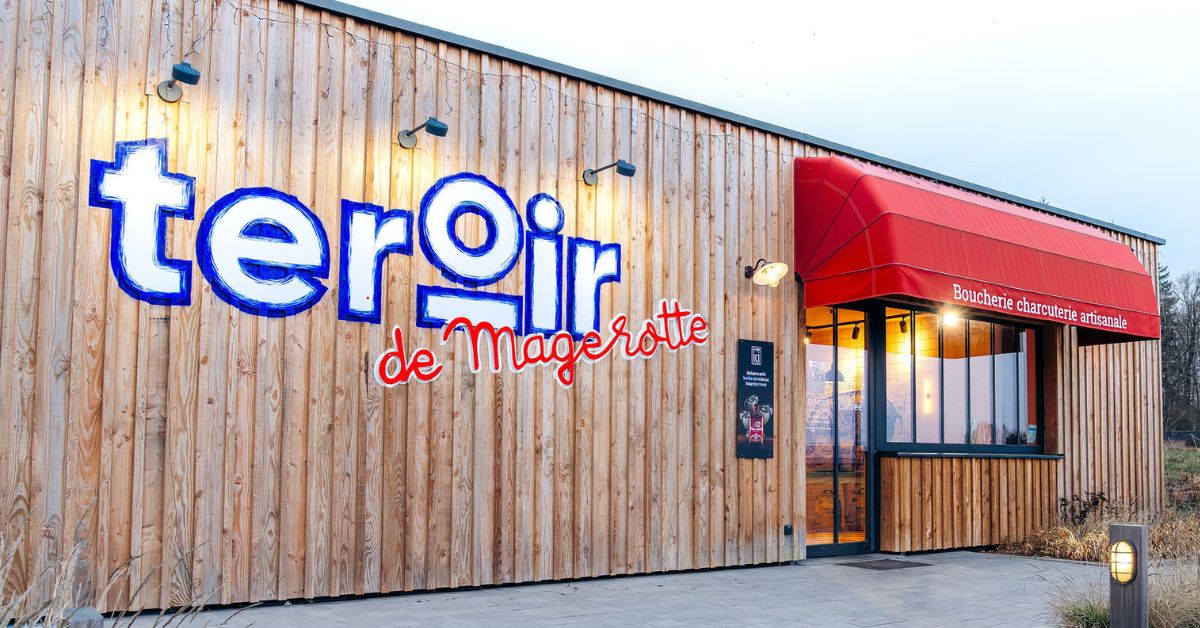
The preservation of culinary heritage often rests upon the shoulders of those willing to balance ancestral techniques with modern agricultural standards, a feat exemplified by the transformation of the historic Boucherie Magerotte into the contemporary Terroir de Magerotte. Located in the heart of Nassogne, a picturesque municipality in the province of Luxembourg, Belgium, this establishment has remained a cornerstone of Ardennes gastronomy since the early 20th century. Founded in the 1900s, the butchery has survived the industrialization of the food industry by adhering to a philosophy of excellence that prioritizes the quality of the animal’s life and the integrity of the final product. Today, the transition from the third generation, represented by master butcher André Magerotte, to the new stewardship of Sébastien, Valentin, and Arthur Lhoist, marks a significant chapter in the regional movement toward sustainable, high-end charcuterie.
A Century of Tradition and the Transition of Knowledge
The story of the Magerotte butchery is inextricably linked to the history of Nassogne itself. For over a hundred years, the Magerotte name has been synonymous with the "Ardennais" style of meat preparation—a method characterized by slow curing, natural smoking, and a deep respect for the seasons. As the industry moved toward mass production and chemical additives in the mid-20th century, the Magerotte family maintained their artisanal roots, a decision that eventually solidified their reputation as one of the premier "maisons" in the Walloon region.
The current transition of the business to the Lhoist brothers is not merely a commercial sale but a calculated transfer of "savoir-faire." André Magerotte has taken a personal role in mentoring the new owners, ensuring that the secret spice blends and the nuances of the smoking process are preserved. This mentorship bridges the gap between the traditional 1900s butchery and the modern "Terroir de Magerotte" brand. The Lhoist brothers, who are also known for their involvement in the "Tero" group—a collection of farm-to-table restaurants and agricultural projects—bring a renewed focus on transparency and ecological responsibility, aligning the butchery’s historic methods with 21st-century consumer demands for ethical sourcing.
The Foundation of Quality: The "Short Circuit" Model
In the artisanal meat sector, quality is determined long before the butcher’s knife touches the carcass. Terroir de Magerotte operates on a strict "circuit court" (short circuit) model, where the distance between the farm, the workshop, and the consumer is minimized. This system ensures full traceability and reduces the carbon footprint associated with long-distance transport.
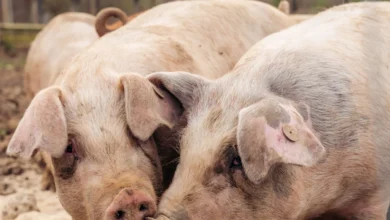
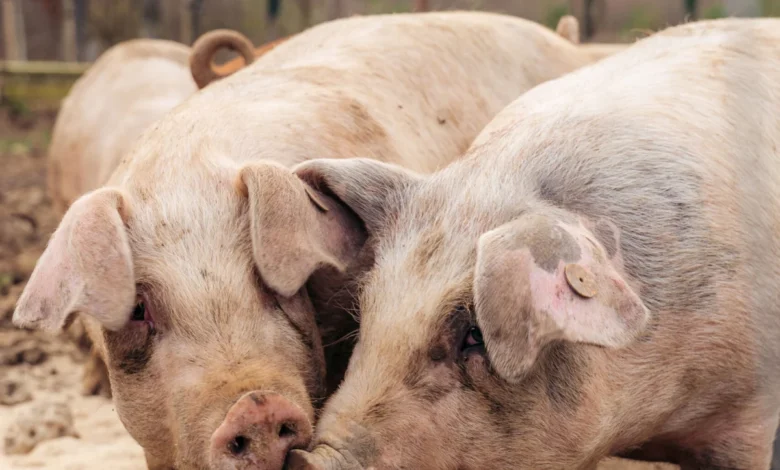
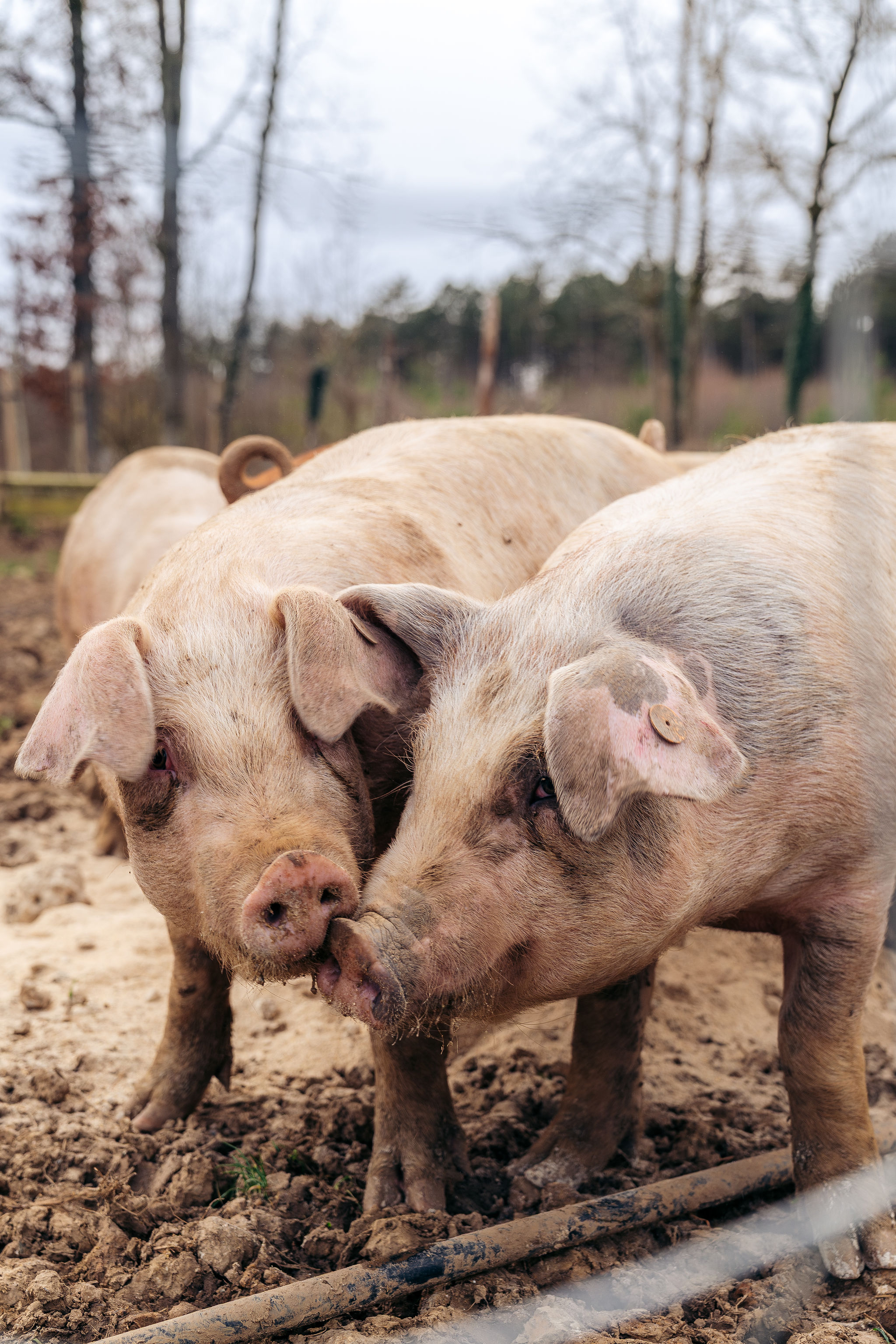
The butchery relies on two specific breeds to maintain its standard of excellence: Duroc pigs and Parthenais cattle. The Duroc pig, recognizable by its reddish-brown coat and drooping ears, is favored by high-end butchers for its intramuscular fat. Unlike industrial white pigs, which are often bred for rapid growth and lean meat that can become dry when cooked, the Duroc offers a marbled texture that provides superior flavor and moisture during the curing process.
The Parthenais cattle, originating from the Deux-Sèvres region of France but adapted to the Belgian pastures, are equally vital to the brand’s identity. Known for their thin skin and fine bone structure, Parthenais cows produce a high yield of tender, succulent meat with a distinctively fine grain. By controlling the breeding and feeding of these animals on their own farms, Terroir de Magerotte ensures that no growth hormones or unnecessary antibiotics enter the food chain, resulting in a product that is as clean as it is flavorful.
The Art of the Ardennes Cure: Salt, Smoke, and Time
The transformation of raw meat into traditional Ardennes charcuterie is a process that defies the modern impulse for speed. At Terroir de Magerotte, the process begins with dry salting. Unlike industrial methods that often inject brine (saltwater) into the meat to increase weight and speed up curing, the artisanal approach involves rubbing the meat with dry salt and a proprietary blend of herbs and spices. This method draws out moisture naturally, concentrating the flavors and creating a texture that is firm yet supple.
Following the salting phase, the meats are moved to the smoking chambers. The choice of wood is critical; the butchery utilizes beechwood sawdust, a traditional choice for the Ardennes region. Beechwood produces a smoke that is less aggressive than oak or hickory, imparting a subtle, elegant aroma that complements rather than overpowers the natural taste of the Duroc pork. The smoking process is monitored with precision, ensuring that the "soul" of the butchery—the unique sensory profile of its hams and sausages—remains consistent with the batches produced a century ago. This patience-driven approach is what allows the meat to develop its characteristic deep red color and complex flavor profile.
Nutritional Value and the Science of Artisanal Meat
While charcuterie is often viewed as an indulgence, the artisanal products from Terroir de Magerotte offer significant nutritional benefits that are frequently absent from mass-produced alternatives. High-quality, minimally processed meats are dense sources of essential macronutrients and micronutrients.
According to nutritional data provided by the establishment, their artisanal charcuterie contains between 11 and 28 grams of protein per 100 grams, depending on the specific cut. This makes it a highly efficient source of amino acids necessary for muscle repair and metabolic function. Furthermore, the meat is a rich source of:
- Iron and Zinc: Critical for oxygen transport in the blood and the maintenance of a robust immune system.
- Vitamin B1 (Thiamine): Essential for glucose metabolism and nerve function.
- Vitamin B6 and B12: Vital for energy production and neurological health.
By avoiding the excessive fillers, sugars, and artificial nitrates commonly found in supermarket deli meats, Terroir de Magerotte provides a product that fits within a balanced, health-conscious diet. The focus on "nutritive pleasure" is a key component of the brand’s messaging, encouraging consumers to choose quality over quantity.
Supporting the Walloon Agricultural Ecosystem
The success of Terroir de Magerotte is supported by the APAQ-W (the Walloon Agency for the Promotion of Quality Agriculture). This collaboration highlights the broader economic and cultural importance of supporting local producers in Belgium. Agencies like APAQ-W play a crucial role in educating the public about the value of "Labels of Quality" and the importance of supporting the regional economy.
In a recent initiative supported by APAQ-W and ELLE magazine, the butchery was featured in a "gourmet walk" (balade gourmande), which invited culinary enthusiasts to experience the production process firsthand. Such events are vital for the survival of artisanal trades, as they foster a direct connection between the producer and the consumer. By demystifying the butchery process and showing the care given to the animals, Terroir de Magerotte and APAQ-W aim to shift consumer behavior away from price-driven commodity meat toward value-driven artisanal products.
Broader Implications for the European Meat Industry
The evolution of Terroir de Magerotte reflects a larger trend within the European food industry. As concerns over climate change, animal welfare, and ultra-processed foods grow, there is a visible "renaissance" of the traditional butcher. However, this new generation of butchers must be more than just skilled craftsmen; they must be environmental stewards and savvy businessmen.
The Lhoist brothers’ integration of the Magerotte tradition into their broader "Tero" philosophy suggests a future where high-end gastronomy and sustainable agriculture are inseparable. This model provides a blueprint for other historic European brands facing succession challenges. By retaining the founding family’s expertise while injecting new capital and modern marketing strategies, these "maisons" can thrive in a competitive global market.
The impact of such businesses extends beyond the plate. They preserve the biodiversity of livestock breeds like the Parthenais and maintain the cultural "terroir" of regions like the Ardennes. In an era of globalization, the distinct flavors of a Nassogne ham serve as a form of cultural resistance, ensuring that the unique identity of the region is not lost to the homogeneity of industrial food production.
Conclusion: A Future Rooted in the Past
As Terroir de Magerotte moves forward under the guidance of Sébastien, Valentin, and Arthur Lhoist, the essence of the 1900s foundation remains intact. The commitment to the Duroc and Parthenais breeds, the mastery of the beechwood smoke, and the dedication to the "short circuit" model ensure that the butchery remains a beacon of quality in the Ardennes.
For the consumer, the message is clear: the choice of what to put on the plate has implications that reach far beyond taste. It is a vote for animal welfare, for the health of the local economy, and for the preservation of a culinary art form that has been perfected over three generations. In the heart of Nassogne, the legacy of André Magerotte continues to smoke slowly, patiently, and with an unwavering ambition for excellence.