The Rise of Hybrid Work Culture in Antwerp A Comprehensive Guide to the Citys Premier Productive Coffee Bars and Coworking Hubs

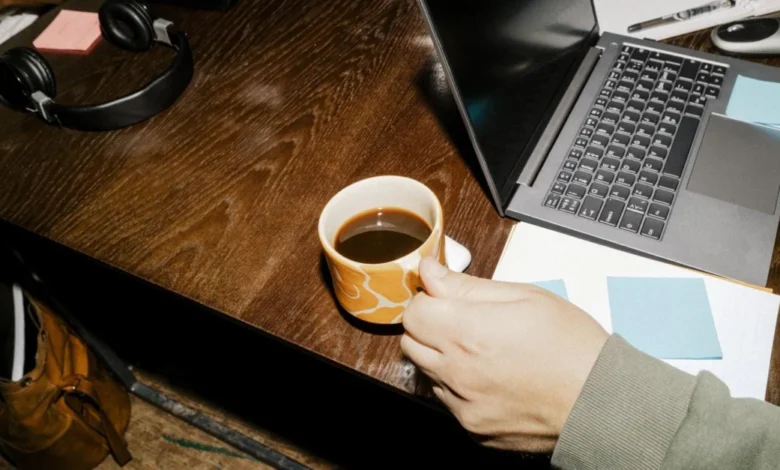
The professional landscape in Antwerp has undergone a seismic shift over the last five years, moving away from traditional office-centric models toward a more fluid, hybrid approach to productivity. For the city’s growing population of freelancers, creative professionals, and remote employees, the home office—while convenient—often presents a unique set of challenges, ranging from domestic distractions to the psychological toll of social isolation. Consequently, the search for "third spaces"—environments that are neither the home nor the traditional office—has led to the emergence of a sophisticated coworking culture within the city’s vibrant specialty coffee scene.
This transition is backed by broader labor trends across Belgium. According to recent data from Statbel, the Belgian statistical office, nearly one-third of the Belgian workforce now engages in some form of remote work, with the Brussels-Antwerp axis serving as the primary corridor for this professional evolution. However, as the demand for laptop-friendly spaces grows, so does the tension between hospitality business owners and digital nomads. Many café proprietors have expressed concerns regarding "laptop squatting," where a single customer occupies a table for several hours while purchasing minimal refreshments. To combat this, a new generation of Antwerp establishments is intentionally designing their interiors to accommodate both social patrons and focused workers, often through the implementation of dedicated communal worktables and specific technical infrastructure.
The Strategic Integration of Work and Hospitality
The modern Antwerp coffee bar is no longer just a place to consume caffeine; it is a meticulously designed ecosystem intended to facilitate flow and focus. Establishments that have successfully integrated a laptop-friendly policy often report higher off-peak occupancy rates, provided they manage the spatial dynamics effectively. By designating specific zones for "deep work," these venues preserve the social atmosphere of the café for those seeking conversation while offering a sanctuary for those with looming deadlines. This hybrid model has become a cornerstone of the city’s urban development, particularly in revitalized districts such as Nieuw-Zuid and Borgerhout.
1. Caffènation Blue: A Benchmark in Roastery-Based Coworking
Caffènation has long been a titan in the Belgian specialty coffee industry, spearheaded by founder Rob Berghmans. While the brand operates several locations, Caffènation Blue, situated on the Mechelsesteenweg, represents a pinnacle of the "roastery-café" hybrid. The location serves as both a distribution hub and a public-facing café, offering an industrial yet warm aesthetic that appeals to the city’s creative class.
The venue features a large, dedicated communal table specifically designed for laptop users. This spatial choice is deliberate; it congregates workers in one area, preventing the "screen-stare" effect from dominating the entire room. Furthermore, the presence of an on-site bakery provides an additional draw, offering fresh pastries that cater to the "working lunch" demographic. Strategically located between the trendy Zuid district and the more residential Harmonie neighborhood, Caffènation Blue serves as a bridge for professionals commuting from various parts of the city.
2. VIA Antwerp and Mea: The Hospitality-Work Crossover
The integration of professional workspaces into hotel lobbies is a global trend that has found a sophisticated home at VIA Antwerp in the Zurenborg district. VIA is not a traditional café but a multi-functional hospitality hub that includes the restaurant Mea. The lobby is characterized by high ceilings and an expansive layout, mimicking the atmosphere of international boutique hotels in tech hubs like Berlin or London.
From a business perspective, VIA Antwerp has pioneered an aggressive "early bird" strategy to attract the local workforce. Between 8:00 AM and 11:00 AM, the establishment offers hot beverages for just one euro, a tactic designed to convert the space into a bustling hive of morning productivity. With ample power outlets and high-speed fiber-optic internet, it has become a preferred destination for those requiring a more "corporate-adjacent" environment without the sterility of a standard office. Its proximity to the Antwerp-Berchem railway station also makes it a vital node for regional commuters.
3. Plantbar Jacqueline: Biophilic Design and Productivity
Located on the bustling Turnhoutsebaan in Borgerhout, Plantbar Jacqueline offers a different psychological approach to the workday. The establishment, managed by three sisters, is heavily influenced by biophilic design—the practice of incorporating nature into the built environment to increase occupant connectivity and well-being. Research in organizational psychology has frequently shown that "green" workspaces can increase productivity by up to 15% and significantly reduce stress levels.
Plantbar Jacqueline’s menu is entirely plant-based, aligning with the sustainability-focused values of many modern freelancers. The interior features various nooks and a central communal table, allowing for a choice between collaborative energy and individual focus. The location in Borgerhout is particularly significant, as the district continues to undergo a cultural and economic renaissance, attracting a diverse range of entrepreneurs and social enterprises.
4. Barchel Zuid: Modern Infrastructure in Nieuw-Zuid
Nieuw-Zuid is one of Antwerp’s most ambitious urban development projects, characterized by sustainable architecture and modern aesthetics. Barchel Zuid, which underwent a significant renovation recently, has positioned itself as the neighborhood’s primary professional sanctuary. Unlike many smaller cafés that struggle with power supply, Barchel has integrated three dedicated tables equipped with multiple power outlets specifically for digital nomads.
Furthermore, the venue offers a separate meeting room, a rarity in the coffee bar sector, allowing for a seamless transition from individual computer work to client presentations. The proximity to the Scheldt quays provides professionals with the opportunity for "active recovery" breaks, a practice increasingly recommended by workplace wellness experts to prevent burnout and maintain cognitive sharpness throughout the day.
5. Cuperus Horsey: Historical Legacy Meets Modern Utility
Cuperus is a name synonymous with coffee history in Antwerp, with roots stretching back to 1823. However, their location on the Paardenmarkt, known as "Cuperus Horsey," is decidedly modern in its functionality. The venue is deep and spacious, with the rear section dedicated to large tables that act as a de facto coworking space.
The atmosphere here is defined by a consistent "white noise" level—a mix of milk steaming and low-level conversation—which many professionals find more conducive to concentration than total silence. For those interested in the craft behind their beverage, Cuperus also hosts barista training sessions, bridging the gap between consumer and connoisseur. Its location between the Eilandje (the port district) and the university quarter ensures a steady influx of both seasoned professionals and postgraduate researchers.
6. Yust: The Future of Co-Living and Co-Working
Yust (Young Urban Style) in Berchem is perhaps the most comprehensive example of the "work-live-play" philosophy in Antwerp. It functions as a hotel, a long-term residential complex, and a coworking hub. The lobby is designed with a "fast-casual" professional vibe, offering high-speed Wi-Fi and a community-centric atmosphere that encourages networking.
One of Yust’s unique selling points is its rooftop terrace, which provides a panoramic view of the Antwerp skyline. This allows workers to change their environment without leaving the building—a key factor in maintaining creative momentum. The facility caters specifically to the "digital nomad" demographic, providing an infrastructure that supports long-term productivity rather than just a fleeting stop for a single email.
7. Kolonel Coffee: Natural Light and Urban Revitalization
In the Brederode district, Kolonel Coffee has established itself as a cornerstone of the neighborhood’s social and professional life. The venue is characterized by large, floor-to-ceiling windows that flood the space with natural light. From a physiological standpoint, exposure to natural light is crucial for maintaining circadian rhythms and alertness, making Kolonel an ideal spot for those tackling complex, multi-hour tasks.
The layout features a central communal table and window-facing bars, providing options for different working styles. The background music is curated to be unobtrusive, and the availability of outdoor seating offers a "reset" option during the warmer months. The success of Kolonel Coffee mirrors the broader revitalization of the Brederode area, which has transformed from a transit zone into a destination for the city’s "knowledge economy."
Economic Impact and Future Outlook
The proliferation of these hybrid workspaces suggests a permanent change in Antwerp’s economic fabric. The hospitality sector is no longer merely selling food and drink; it is selling "time" and "utility." This has led to a more symbiotic relationship between the city’s infrastructure and its workforce. As the "15-minute city" concept—where all essential services, including work, are within a short walk or bike ride—takes hold in Antwerp, these coffee bars serve as the neighborhood "office" for thousands of residents.
However, the sustainability of this model depends on a mutual "etiquette of coworking." Establishments are increasingly implementing subtle "nudges" to ensure profitability, such as "laptop-free" weekends or encouraging a purchase every 90 minutes. For the professional, these venues offer a level of flexibility and social stimulation that traditional offices cannot match. For the city of Antwerp, they represent a vibrant, decentralized network of innovation that continues to attract global talent and foster local entrepreneurship. As hybrid work remains the standard, the "coffee bar office" is likely to evolve from a trend into a permanent fixture of the urban professional experience.