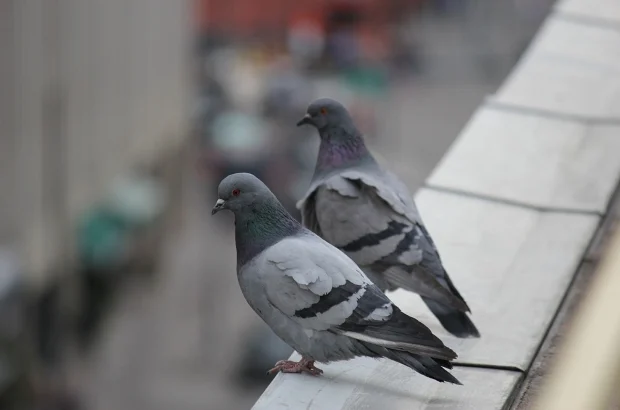
Brussels, Belgium – A dedicated group of volunteers in Brussels is grappling with an escalating workload as they strive to rescue and rehabilitate over 400 injured and sick city pigeons annually. L’Arche de Biso, a non-profit organization operating without any government subsidies, has found itself at the forefront of avian welfare for a species often overlooked by traditional wildlife rescue centers. This burgeoning crisis, as reported by Bruzz, highlights a critical gap in animal welfare services and a pressing need for community support.
The unique challenge faced by L’Arche de Biso stems from the legal classification of city pigeons. Unlike other wild bird species, urban pigeons are not officially recognized as wild animals. "City pigeons aren’t registered as wild animals, but as ‘domesticated’," explained Eva Eysermans, a dedicated volunteer with the organization. This distinction has significant implications for their care. "That’s why you can’t bring them in, whereas you can with wood pigeons, for example." This regulatory nuance means that established wildlife sanctuaries, such as the Royal Belgian Society for the Protection of Birds (LRBPO), are unable to admit or treat these common urban dwellers, leaving L’Arche de Biso as a vital, albeit under-resourced, lifeline.
A Growing Crisis: The Unseen Toll on Urban Pigeons
The plight of Brussels’ pigeon population is becoming increasingly apparent through the sheer volume of calls and alerts received by L’Arche de Biso. The organization relies heavily on a dedicated Facebook page to coordinate its efforts, with volunteers posting notifications about distressed birds. During peak periods, this digital communication channel can see as many as four to five alerts per day, underscoring the constant demand for intervention.
L’Arche de Biso has been active for approximately two years, building a network of around 20 committed volunteers. Despite their unwavering dedication, these individuals report feeling perpetually overwhelmed. "The problem is that we don’t have enough volunteers," stated Eysermans. "Many people simply ring to ask if we can come and collect one." This highlights a common misconception: that rescue organizations have the capacity to handle all incoming requests without significant reliance on public assistance. The volunteers often find themselves not only rescuing but also educating the public about the needs of these birds.
The Frontline of Pigeon Care: Improvised Shelters and Personal Sacrifices
The volunteers at L’Arche de Biso provide essential first aid to the injured birds, acquiring practical skills such as splinting fractured legs and bandaging damaged wings. For pigeons requiring more intensive care, volunteers open their own homes, transforming them into temporary sanctuaries. Pascale Ritschard, a volunteer based in Auderghem, currently houses 14 pigeons in her residence. "That’s actually a bit too many, but I can’t say no," she admitted, illustrating the personal commitment and emotional toll involved.
Ritschard’s personal journey with L’Arche de Biso began in June of the previous year, and in that relatively short period, she has personally cared for 97 pigeons. The financial burden of this commitment is substantial, a reality that many volunteers share. "I don’t even dare to say what it costs me," she confessed, alluding to the significant out-of-pocket expenses for food, medication, and veterinary care.
Financial Strain and a Plea for Solidarity
L’Arche de Biso operates entirely on donations, with no governmental or institutional funding. This lack of financial support places an immense strain on the volunteers, who frequently dip into their own savings to cover the costs of essential supplies like medicines and specialized pigeon feed. In cases of severe injury, the expense of veterinary intervention further exacerbates the financial challenge.
Recognizing the escalating strain, the organization recently issued a public appeal on Facebook, articulating the dire situation. "At this rate, we’ll be exhausted, both physically and mentally. In practical terms, we’re calling for solidarity. Helping out now and then would make a huge difference." This plea underscores the urgent need for broader community engagement and a shift in public perception regarding the welfare of city pigeons.
The organization has outlined specific ways in which the public can contribute, moving beyond simple calls for collection. These suggestions include offering temporary foster care for injured pigeons to alleviate the burden on existing foster families, and directly bringing injured birds to volunteers rather than merely reporting their location and expecting a collection. Such actions would significantly streamline the rescue process and reduce the logistical challenges faced by the limited volunteer base.
Challenging the "Rats of the Sky" Stigma
A significant hurdle in attracting new volunteers, according to Eysermans, is the persistent negative perception of pigeons as "rats of the sky." This ingrained prejudice discourages potential helpers and perpetuates the cycle of neglect. Eysermans herself actively works to counter this narrative, highlighting the inherent gentleness and cleanliness of pigeons. "Pigeons are actually very sweet and clean animals: just like cats, they spend the whole day preening themselves," she asserted.
She further detailed the relatively low maintenance requirements of these birds when properly cared for. "In the morning, you simply need to give them food and water and sometimes administer medication. They really don’t require much work and they don’t smell." This practical perspective aims to demystify pigeon care and encourage a more empathetic approach.
A Vision for the Future: Dedicated Pigeon Sanctuaries
Looking ahead, the volunteers of L’Arche de Biso harbor aspirations for a more structured and sustainable approach to pigeon welfare. They envision the establishment of a fully-fledged rescue center specifically for city pigeons, or at the very least, a dedicated space for the care of young chicks that have fallen from their nests.
"They’re too young to be released straight away, so we could really do with a place – preferably free of charge – to build aviaries where we can look after them for a longer period," stated Ritschard. Such a facility would provide a crucial interim environment for these vulnerable birds, allowing them to mature and develop the necessary skills for survival in the wild before their release. This forward-thinking initiative reflects a deep commitment to ensuring the long-term well-being of Brussels’ urban avian population.
The Broader Implications for Urban Wildlife Welfare
The situation at L’Arche de Biso is not an isolated incident but rather a symptom of a larger societal issue concerning the welfare of urban wildlife. While much attention and resources are often directed towards more charismatic or endangered species, common urban animals like pigeons frequently fall through the cracks. The legal ambiguity surrounding their status, coupled with public perception, creates a challenging environment for their protection.
The reliance on unpaid volunteers and donations for such critical animal welfare services highlights a potential gap in governmental responsibility and public funding for urban biodiversity. As cities continue to expand and human-wildlife interactions become more frequent, the need for comprehensive and accessible rescue and rehabilitation services for all urban species becomes increasingly paramount. The work of L’Arche de Biso serves as a stark reminder that even the most ubiquitous creatures deserve care and compassion, and that community support, both financial and volitional, is essential in bridging these welfare gaps. The ongoing struggle of L’Arche de Biso compels a broader conversation about our ethical obligations to the animals that share our urban landscapes and the potential need for more formalized, and perhaps publicly funded, avenues for their protection.