Spanish Fashion and Artisanal Craftsmanship Lead the European Shift Toward Sustainable Luxury and Slow Fashion Principles

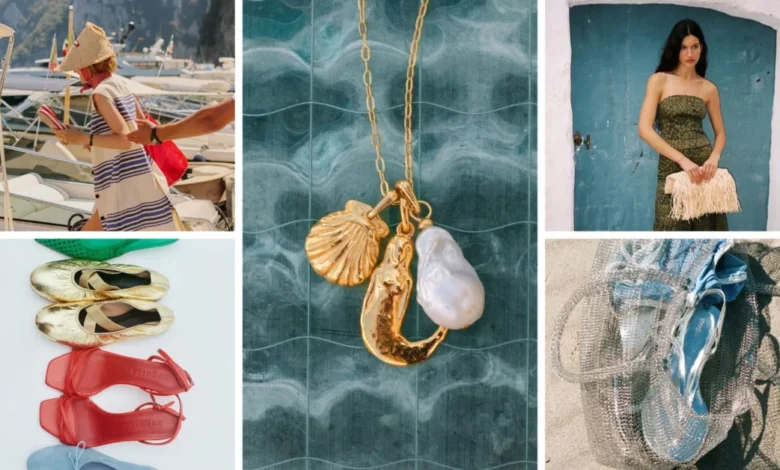
The landscape of European fashion is undergoing a significant transformation as consumers increasingly pivot away from mass-produced garments in favor of artisanal, sustainable, and story-driven labels. At the forefront of this movement is a resurgence of Spanish craftsmanship, a sector that combines deep-rooted Mediterranean traditions with modern ecological sensibilities. From the heritage-rich ateliers of Barcelona to the innovative design studios of Madrid, a new generation of Spanish brands is redefining luxury through the lenses of local production, deadstock utilization, and on-demand manufacturing. This shift is not merely a trend but a structural change in the industry, as evidenced by the rising global demand for labels that prioritize transparency and artistic integrity over volume.
The Historical Context and Modern Evolution of Spanish Textiles
The Spanish textile industry has long been a cornerstone of the nation’s economy, with historical hubs like Catalonia and Valencia providing the foundation for what would eventually become a global fashion powerhouse. However, for much of the late 20th and early 21st centuries, the narrative of Spanish fashion was dominated by the "fast fashion" phenomenon. The recent emergence of independent labels marks a return to the "slow fashion" ethos that preceded the industrial boom.
This evolution is characterized by a move toward "proximity production," where design and manufacturing occur within the same geographical region. This reduces the carbon footprint associated with long-range logistics and ensures that traditional skills—such as specialized leatherwork in Andalusia or hat-making in Asturias—are preserved. Market data indicates that the Spanish fashion industry contributes approximately 2.8% to the national GDP, and the growth of the artisanal segment is increasingly seen as a vital component of this economic stability.
Case Studies in Artisanal Excellence: From Heritage to Innovation
The current market is being shaped by several key players who embody these values. These brands represent a spectrum of the industry, from established heritage houses to contemporary startups founded on the principles of the circular economy.
Simorra: The Intersection of Opera and Couture
One of the most prominent examples of heritage meeting modernity is Simorra. Founded in 1978 by Javier Simorra, the label’s roots are deeply intertwined with the high-fashion traditions of Barcelona. Javier Simorra inherited his craft from his father, a renowned couturier who drew inspiration from the dramatic aesthetics of the opera. This lineage is evident in the brand’s current philosophy, which treats textiles as a medium for emotional expression rather than mere utility.
Simorra’s approach involves viewing fabric as a "sculptural" element. By collaborating with artists and employing hand-weaving techniques, the brand creates pieces that function as wearable narratives. In an era of digital saturation, Simorra’s focus on the tactile and the artistic has allowed it to maintain relevance, proving that long-standing family traditions can successfully adapt to contemporary ethical standards.
The 2019 Wave: Niutt, Romualda, and Alhaja
A significant turning point for the Spanish independent sector occurred in 2019, just prior to the global pandemic. This period saw the launch of several brands that would become leaders in the sustainable niche.
Niutt, founded by designer Claudia Parras in Madrid, exemplifies the "slow" approach. Operating out of a small atelier, Parras produces collections that follow the natural rhythm of the seasons rather than the frantic pace of the traditional fashion calendar. A key component of Niutt’s strategy is the use of deadstock fabrics—surplus materials from larger fashion houses that would otherwise be discarded. This practice not only minimizes waste but also ensures that many of Niutt’s pieces, such as their signature cotton sets, are essentially one-of-a-kind.
Simultaneously, the sisters Cristina and Mariana Aguirre launched Romualda in Madrid. This brand represents a fusion of fine arts and industrial design. Cristina, a painter, and Mariana, an object designer, utilize natural pigments and eco-friendly materials like organic cotton and silk. Their production model is highly regionalized; for instance, their acclaimed hat collections are manufactured in traditional workshops in Asturias. Each piece features motifs hand-designed by Cristina, bridging the gap between a fashion accessory and a piece of art.
Alhaja, another 2019 debut, focuses on the jewelry sector. Founded by María and Irene, the brand’s name is derived from a Spanish word of Arabic origin meaning "valuable object." Their work is heavily influenced by Spanish folklore and natural materials, with a stated goal of creating "heirloom" pieces. By supporting local economies and promoting a "quality over quantity" mindset, Alhaja aligns with the growing consumer preference for durable, meaningful luxury.
Innovative Production Models: On-Demand and Localized Manufacturing
As the fashion industry faces increasing scrutiny over overproduction, Spanish brands are pioneering alternative business models.
Tantodramma and the On-Demand Revolution
Tantodramma represents the "on-demand" movement, where items are only manufactured once an order is placed. This model virtually eliminates the problem of unsold inventory, which is one of the primary environmental hazards of the fashion industry. Tantodramma’s jewelry is handmade and highly customizable, allowing consumers to "mix and match" beads and charms. This level of personalization creates a stronger emotional bond between the consumer and the product, which is a key factor in extending the lifecycle of a garment or accessory.
Bohodot: Mediterranean Sustainability
Founded in 2012 by the mother-daughter duo Peque and Cris, Bohodot has spent over a decade perfecting a localized supply chain. Specializing in swimwear and loungewear, the brand utilizes 100% Spanish production, collaborating exclusively with local ateliers and suppliers. This commitment to the Mediterranean ecosystem allows the brand to maintain high quality-control standards while supporting the domestic economy. Their "mix and match" philosophy also encourages consumers to curate their own looks using fewer pieces, promoting a more conscious form of consumption.
The "Quiet Luxury" Influence and Global Recognition
The rise of these Spanish brands coincides with the global trend of "Quiet Luxury"—a move toward minimalist, high-quality clothing that avoids overt branding. This aesthetic is perfectly captured by Róuri, a label that has gained international attention for its neutral palettes and romantic, minimalist cuts.
The brand’s use of noble materials such as linen and cotton has resonated with high-profile fashion influencers, including actress Kelly Rutherford. Such endorsements have propelled Spanish artisanal brands onto the global stage, demonstrating that there is a significant international market for the "Made in Spain" label when it is associated with craftsmanship and ethical production.
Chronology of the Spanish Artisanal Resurgence
- 1978: Javier Simorra founds Simorra in Barcelona, establishing a foundation for textile-driven storytelling.
- 2012: Bohodot is established, pioneering the 100% local production model in the swimwear sector.
- 2019: A pivotal year for the industry, seeing the launch of Niutt, Romualda, and Alhaja, all focusing on sustainability and artisanal techniques.
- 2020–2022: The global pandemic accelerates the shift toward digital-first, artisanal brands as consumers seek more meaningful and sustainable purchases.
- 2023–Present: Spanish brands like Róuri and Tantodramma achieve international acclaim, fueled by the "Quiet Luxury" movement and the expansion of the on-demand manufacturing sector.
Data and Economic Impact
Recent reports from the Spanish Fashion Confederation (Moda España) highlight the following trends:
- Sustainability Mandates: Over 60% of small-to-medium Spanish fashion enterprises have integrated recycled or organic materials into their core collections as of 2023.
- Export Growth: Exports of Spanish artisanal goods have seen an estimated 12% year-on-year increase, with significant demand coming from the North American and Northern European markets.
- Employment: The artisanal fashion sector is a major employer in rural and semi-rural areas of Spain, helping to sustain local economies outside of major urban centers like Madrid and Barcelona.
Implications for the Future of the Fashion Industry
The success of these Spanish labels offers a blueprint for the future of the global fashion industry. By prioritizing regional heritage, environmental responsibility, and artistic collaboration, these brands are proving that profitability does not have to come at the expense of ethics.
The move toward deadstock utilization and on-demand production addresses the critical issue of waste, while the focus on "emotional textiles" and artisanal craftsmanship counters the disposable nature of modern consumerism. As the European Union continues to implement stricter regulations regarding textile waste and supply chain transparency, the Spanish model of localized, high-quality production is likely to become the standard rather than the exception.
In conclusion, the rise of brands such as Simorra, Romualda, and Niutt signifies a broader cultural shift. Consumers are no longer just buying a product; they are investing in a process, a region, and a set of values. This "New Spanish Wave" is a testament to the enduring power of craftsmanship in a digital age, ensuring that the future of fashion is as much about the past as it is about innovation.