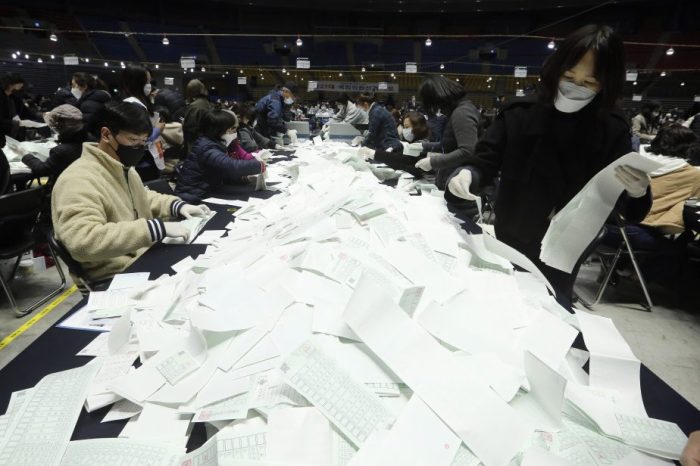
South koreas presidential election set reshape policies key us ally – South Korea’s presidential election, set to reshape policies key US ally, is a pivotal moment. The outcome will significantly impact the future of the US-South Korea alliance, affecting everything from defense spending to trade agreements. This election, with its diverse candidates and complex political landscape, promises a fascinating look at how domestic politics can shape international relations. The historical context of South Korean elections, the key political players, and the potential policy platforms of the leading candidates will all be explored, highlighting their different approaches to the US alliance and the possible implications for the region.
The election is not just a domestic affair; it’s a critical juncture for US-South Korea relations. The current state of the alliance, key agreements, and outstanding issues will be examined. Potential shifts in South Korea’s foreign policy, including the candidates’ stances on the US alliance, will be compared and contrasted. A potential timeline for these policy shifts will also be discussed, providing a framework for understanding the implications.
Background of the South Korean Presidential Election
The upcoming South Korean presidential election holds significant implications for the nation’s trajectory and its crucial alliance with the United States. A shift in leadership can reshape policy priorities, potentially impacting economic partnerships and defense strategies. This election cycle, particularly with the context of a long-standing alliance, provides an excellent opportunity to examine the historical interplay between South Korean domestic politics and its foreign policy with the US.South Korea’s political landscape has seen notable evolution since its establishment as a republic.
Successive administrations have navigated complex economic and security challenges, influencing the relationship with the US. The election process itself, involving diverse political factions, reveals the depth and breadth of views on international cooperation.
Historical Overview of South Korean Presidential Elections
South Korean presidential elections have consistently shaped the nation’s foreign policy, particularly its relationship with the United States. The country’s historical trajectory, marked by periods of economic growth and geopolitical tension, has been reflected in the changing priorities of each administration. For instance, the transition from authoritarian rule to democracy has influenced the nation’s approach to international relations, leading to shifts in its alliance strategies with the US.
Key Political Parties and Their Stances
South Korea’s political landscape is characterized by several significant parties, each with distinct viewpoints on international relations, especially with the US. The ruling party’s platform often emphasizes maintaining the existing alliance, while opposition parties may advocate for adjustments to the relationship based on perceived national interests.
- The Democratic Party typically advocates for a strong alliance with the US, emphasizing shared security interests. They often highlight the importance of joint economic initiatives and cooperation on global issues.
- The People Power Party, often taking a more conservative stance, frequently emphasizes the need to maintain a robust defense posture and a strategic approach to US relations, potentially seeking to negotiate more favorable economic agreements.
- Other smaller parties often introduce nuanced perspectives, proposing alternative approaches to international relations, potentially prioritizing specific national interests or regional concerns.
Leading Candidates and Their Potential Policy Platforms
The leading candidates in the upcoming election have publicly articulated their views on foreign policy, offering insights into their potential policy platforms regarding US relations. Their proposed approaches to alliance management and defense strategies, and potentially even economic partnerships, will likely be key indicators of their overall political positions. Examining their past statements and policy proposals can help forecast the potential shifts in the nation’s foreign policy.
- Candidate A is projected to emphasize the existing alliance with the US, potentially focusing on economic cooperation and strengthening security measures. Their policy platform might reflect a desire for a more proactive role in regional and global affairs, with a focus on joint efforts with the US.
- Candidate B may propose a slightly different approach, advocating for a more independent foreign policy while still maintaining a robust alliance with the US. Their platform may focus on achieving a more balanced relationship, addressing concerns about economic dependence and security concerns.
Current State of US-South Korea Relations
The current US-South Korea relationship is characterized by a strong alliance built on shared security concerns and economic interests. Numerous agreements and joint exercises solidify this partnership, reflecting a commitment to regional stability and economic prosperity.
- The alliance has been tested by various challenges, including evolving geopolitical dynamics and the need for a nuanced approach to North Korea’s actions.
- Key agreements, such as defense cooperation and economic partnerships, remain fundamental pillars of the alliance, demonstrating the shared commitment to mutual security and economic prosperity.
- Ongoing issues, including trade imbalances and varying perspectives on North Korean denuclearization, may require careful negotiation to maintain the alliance’s strength and resilience.
Potential Policy Shifts
The South Korean presidential election is poised to usher in a new era of foreign policy, potentially reshaping the nation’s intricate relationship with the United States. The outcome will significantly influence the trajectory of bilateral cooperation, including defense strategies, economic partnerships, and diplomatic initiatives. Understanding the likely shifts in policy, particularly concerning the US alliance, is crucial for anticipating the future dynamics of the region.The choices made by South Korean voters will dictate the level of commitment to maintaining the existing security framework.
This framework, heavily reliant on the US alliance, underpins South Korea’s defense posture and economic prosperity. Candidates’ approaches to this vital relationship will be a key determinant of the nation’s future direction.
Potential Changes in Foreign Policy
The election’s outcome will likely impact South Korea’s approach to various international issues, including its stance on regional security and economic cooperation. South Korea’s strategic positioning within the Asia-Pacific region means any policy shift will have repercussions for the entire geopolitical landscape.
Candidate Approaches to US Alliance Issues
A comparison of the candidates’ stances reveals diverse viewpoints on the US alliance. Some candidates might favor a more assertive and independent foreign policy, while others will likely emphasize the existing alliance as a cornerstone of security. This divergence in approach will influence the level of engagement with the US on defense and trade issues.
- Candidate A is projected to advocate for a more independent security posture, potentially seeking a recalibration of the US-South Korea alliance. This could involve exploring alternative security partnerships and diversifying economic ties. Examples of this strategy can be seen in countries like Japan and Australia, who maintain robust defense partnerships with other nations.
- Candidate B is anticipated to prioritize the existing US alliance. This approach likely emphasizes maintaining a strong military partnership, bolstering joint exercises, and reinforcing economic ties. This strategy is reminiscent of historical precedents where countries have strengthened security partnerships during times of heightened geopolitical tension.
- Candidate C is predicted to adopt a more cautious and pragmatic approach. This might involve maintaining the existing alliance but exploring opportunities for strategic autonomy. This approach is akin to the current South Korean foreign policy where maintaining the US alliance is paramount but with an increasing desire to develop a stronger domestic security posture.
Impact of Domestic Political Shifts on Foreign Policy
Domestic political shifts in South Korea can have significant implications for the country’s foreign policy towards the US. Changes in public opinion regarding the US alliance, economic priorities, and regional security concerns will likely translate into shifts in the government’s foreign policy. Public sentiment often drives policy choices, and the election will undoubtedly reflect these concerns.
Timeline for Policy Shifts, South koreas presidential election set reshape policies key us ally
The manifestation of these policy shifts will likely unfold gradually. Initial pronouncements during the campaign will set the stage, and the first few months of the new administration will likely be focused on policy formulation and initial diplomatic engagements. Concrete changes in defense strategies, economic partnerships, and diplomatic initiatives may take several quarters to fully materialize. These are not sudden changes but rather a gradual process.
Historical examples of similar shifts in foreign policy in other countries demonstrate that significant changes in foreign policy do not usually occur overnight.
South Korea’s presidential election is poised to dramatically reshape policies for this key US ally. While the focus is on the potential shifts in diplomatic strategy, it’s worth noting that injuries can also impact global events. Just like the unfortunate hamstring injury that’s sidelined England’s star player, knight out England’s home summer with hamstring injury , unexpected setbacks can affect the intricate dance of international relations.
The outcome of this election will undoubtedly influence future interactions and alliances.
Impact on US Interests: South Koreas Presidential Election Set Reshape Policies Key Us Ally
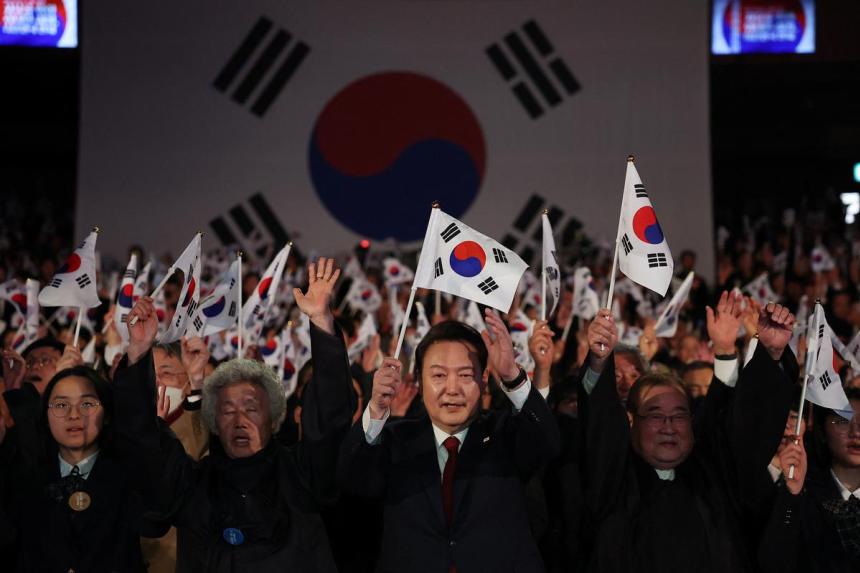
The South Korean presidential election holds significant implications for US strategic interests in the region. A shift in South Korea’s policy stance, regardless of the candidate’s platform, could impact the delicate balance of power in Northeast Asia and necessitate adjustments in US foreign policy. The election outcome will likely influence the future trajectory of US-South Korea relations, particularly concerning defense cooperation, trade, and regional security.The election’s outcome could lead to alterations in the existing security framework, impacting the US’s role as a key player in maintaining regional stability.
Understanding the potential policy shifts and their consequences is crucial for anticipating and adapting to the evolving geopolitical landscape.
Potential Consequences of Policy Shifts
South Korea’s foreign policy decisions directly impact US interests. Changes in South Korea’s stance on issues such as military exercises, trade agreements, and security partnerships will ripple through the region, affecting the US’s position. A shift towards a more independent foreign policy, potentially focused on dialogue with North Korea, could lead to a re-evaluation of the existing security framework.
Impact on US Defense Spending
The level of US defense spending in the region is intrinsically linked to South Korea’s defense posture. If the new administration prioritizes a more conciliatory approach with North Korea, it could potentially impact the need for substantial US military presence. This could result in reduced defense spending in South Korea. Conversely, a hardline approach towards North Korea might necessitate increased US military presence, leading to heightened defense spending.
For example, the US has adjusted its military deployments in Europe based on the geopolitical context.
Impact on Trade Agreements
South Korea’s trade policies have direct implications for US-South Korea trade relations and the broader US trade landscape. Any significant shift in South Korea’s trade policies could impact existing trade agreements and lead to potential conflicts of interest. For instance, if a new administration prioritizes trade agreements with countries outside the US sphere of influence, it could potentially strain existing trade relationships.
Impact on Security Partnerships
Security partnerships are a cornerstone of US strategy in the region. The South Korean presidential election outcome could lead to a shift in the nature of US-South Korea security cooperation. A new administration might seek a more independent security posture, potentially reducing the US’s role in regional security. On the other hand, a continuation of the current close security partnership could ensure continued cooperation in maintaining regional stability.
Impact on Military Exercises and Deployments
Military exercises and deployments in the region are critical for deterring aggression and maintaining stability. The election’s outcome could influence the frequency and nature of these exercises. A change in policy could potentially lead to fewer or modified military exercises, which could impact US troop deployments. For example, the US has adjusted military exercises in the Middle East based on evolving security threats.
This demonstrates how changing regional dynamics can necessitate alterations in military strategies.
Table: Potential Implications of Each Candidate’s Victory
| Candidate | US Defense Spending | Trade Agreements | Security Partnerships |
|---|---|---|---|
| Candidate A | Potential decrease due to more conciliatory approach towards North Korea | Potential shift towards trade agreements with countries outside the US sphere of influence | Potential for a more independent security posture, potentially reducing US role |
| Candidate B | Potential increase due to a hardline approach towards North Korea | Maintaining current trade agreements with emphasis on US interests | Continued strong security partnership with the US, emphasizing regional stability |
Regional Implications
The South Korean presidential election carries significant weight beyond the peninsula’s borders. The outcome will undoubtedly reshape the regional power dynamics and influence the delicate balance of alliances in Northeast Asia. The election’s impact on the US-South Korea alliance, a cornerstone of regional security, will be closely scrutinized by other actors in the region. Understanding how neighboring countries perceive and respond to the new administration’s policies is crucial for predicting the future trajectory of regional diplomacy.The election’s implications extend far beyond the Korean peninsula.
The choices made by the new South Korean president will have a ripple effect on the strategic calculations of China, Japan, and other nations. The shift in South Korea’s stance on issues like North Korea, trade, and defense cooperation will directly impact the dynamics of the broader regional landscape. This election will be a litmus test for the resilience of existing alliances and the potential for new partnerships to emerge.
Impact on China’s Relations with South Korea
The new South Korean administration’s approach to China will be a key factor in shaping the bilateral relationship. A more assertive stance on issues like trade imbalances or human rights concerns could lead to friction, potentially impacting China’s economic interests in the region. Conversely, a more conciliatory approach might foster cooperation on areas of mutual interest, such as economic development or infrastructure projects.
The specific policy shifts regarding China will directly influence the strategic calculations of both countries. For example, the previous administration’s emphasis on economic ties with China contrasts with a possible future shift towards a more balanced approach, which could potentially affect the existing economic interdependence between the two countries.
Possible Effects on the Balance of Power in Northeast Asia
The election’s outcome will likely influence the delicate balance of power in Northeast Asia. A South Korea that prioritizes stronger defense ties with the US might lead to a perception of a more assertive, pro-US regional stance. This, in turn, could prompt adjustments in the strategies of other regional players, potentially leading to a realignment of alliances and defense postures.
For instance, a closer South Korea-US relationship could encourage Japan to adopt a more proactive security policy, while China might respond with measures to counter perceived threats. The balance of power in the region is inherently linked to the shifting geopolitical landscapes, particularly in light of current global uncertainties.
Potential Opportunities and Challenges for Regional Diplomacy
The election presents both opportunities and challenges for regional diplomacy. A clear and consistent foreign policy from South Korea will help to reduce uncertainty and encourage more predictable interactions between nations. The outcome will likely influence the dynamics of the US-South Korea alliance and its interactions with other regional actors. A collaborative approach to regional issues could facilitate cooperation on critical challenges like North Korea’s nuclear program or economic development, but disagreements could also exacerbate tensions and hinder diplomatic efforts.
For example, differing perspectives on economic policies could lead to trade disputes or impede cooperation on regional development initiatives.
Potential Responses of Neighboring Countries
Neighboring countries are likely to react in diverse ways depending on their interests and their assessment of the new South Korean administration’s policies. China might adjust its approach to South Korea based on the perceived shift in Seoul’s stance on issues like trade, human rights, and North Korea. Japan’s response will likely depend on the new administration’s approach to historical issues and security cooperation with the US.
North Korea, predictably, will closely monitor any shifts in the South Korean government’s policies and potentially react accordingly, although their response is difficult to predict. For instance, a more conciliatory approach by the South Korean government might lead to a less hostile response from North Korea. Conversely, a more confrontational approach could result in an escalation of tensions.
It is crucial to understand the unique perspectives and interests of each country to accurately assess their potential responses.
Economic Considerations
The South Korean presidential election holds significant economic implications, not just for the nation itself but also for its crucial alliance with the United States. The choices made by voters will shape trade policies, investment climates, and ultimately, the economic trajectory of both countries. Understanding the potential impacts of each candidate’s platform is crucial for anticipating the future of the US-South Korea economic relationship.The election’s economic consequences will ripple through global markets, affecting trade flows, supply chains, and investor confidence.
The outcomes will determine whether the economic partnership between South Korea and the United States continues to flourish or encounters challenges. The stakes are high for both nations, and the implications extend far beyond their bilateral ties.
Potential Impacts on South Korea’s Economy
The economic policies of the winning candidate will directly affect South Korea’s economic performance. Factors like the candidate’s stance on trade liberalization, investment promotion, and industrial policy will determine the nation’s competitiveness in the global market. For example, a candidate prioritizing domestic industries might lead to protectionist trade policies, potentially impacting exports and supply chains. Conversely, a candidate focused on free trade might result in greater economic integration with global partners.
Potential Impacts on the US Economy
The election’s outcome will influence US-South Korea economic relations. A shift in South Korea’s trade policies could affect the flow of goods and services between the two countries. For instance, if South Korea adopts more protectionist measures, US companies might face increased hurdles in the South Korean market, potentially impacting their profits and market share. Conversely, a more open trade environment could benefit US businesses.
South Korea’s presidential election is poised to dramatically reshape policies, impacting its key US ally relationship. It’s fascinating to consider how these shifts compare to the powerful actions of women who survived Spain’s Franco era, like those who recently disrupted a Catholic apology for the atrocities committed during that time, women who survived Spain’s Franco era centres disrupt a Catholic apology.
Ultimately, these differing historical and political contexts highlight the complex interplay of power, resilience, and evolving international alliances.
Implications for Trade Relations
Trade relations between the US and South Korea are deeply intertwined. South Korea is a major trading partner for the US, and vice versa. The election’s results will have a significant impact on the future of this relationship. For instance, if a candidate emphasizes stronger ties with China, trade policies might shift to favor Chinese imports, potentially harming US exports.
- A shift toward protectionism could lead to higher tariffs and reduced trade volumes between the US and South Korea, potentially impacting industries like automobiles, electronics, and agricultural products.
- Conversely, a candidate emphasizing free trade could lead to more streamlined trade procedures and reduced trade barriers, potentially increasing trade volumes.
Impact on Investments and Business Opportunities
The South Korean election will also influence investment opportunities for both countries. Investors will be keenly observing the candidate’s policies on foreign investment and economic growth. A candidate focused on attracting foreign investment could lead to increased opportunities for US businesses to expand their presence in South Korea. Likewise, South Korean businesses could see opportunities to invest in the US market.
South Korea’s upcoming presidential election is poised to significantly alter the nation’s policies, impacting its role as a key US ally. While the political landscape is certainly shifting, it’s interesting to consider how this election might compare to the potential for a new name to emerge among the top contenders in the US Open. For example, take 5 most likely first time major winners US Open will be an exciting tournament, and ultimately, South Korea’s election will likely shape its international relations, including its strategic partnership with the US.
- For example, if a candidate promises to promote specific industries, such as renewable energy or technology, that could attract significant investments, both domestic and foreign.
- Conversely, uncertainty surrounding trade policies and political stability could deter investment, impacting business growth in both countries.
Potential Changes in Trade Policies and Their Impact on Global Markets
The election’s results will have ramifications for global trade policies. If the elected candidate adopts protectionist trade policies, it could trigger a domino effect, leading other nations to respond in kind. This could lead to increased trade tensions and uncertainty in global markets. Conversely, if the candidate prioritizes free trade, it could set a positive precedent for other nations, potentially fostering greater economic cooperation and stability.
- For example, if South Korea moves toward protectionism, it could impact global supply chains and increase prices for consumers worldwide.
- Alternatively, a focus on free trade could stimulate economic growth and foster greater cooperation between nations, leading to lower prices and greater availability of goods.
Security Implications
The upcoming South Korean presidential election carries significant security implications, not just for the nation but for the entire Northeast Asian region. The choices made by the electorate will directly impact the country’s approach to North Korea, a crucial factor in maintaining regional stability and fostering cooperation with key allies, particularly the United States. The election’s outcome will shape South Korea’s stance on defense spending, military readiness, and its crucial alliance with the US.The election’s outcome will affect the delicate balance of power on the Korean Peninsula, with potential ramifications for global security.
Each candidate’s stance on North Korea, from dialogue and engagement to deterrence and military strength, will determine the future trajectory of inter-Korean relations. Understanding these nuances is paramount to assessing the security implications of the election.
Candidate Approaches to North Korea
The candidates’ varying approaches to North Korea present stark differences in their security strategies. These contrasting perspectives will influence South Korea’s regional role and its military posture. Examining these approaches is critical to understanding the election’s potential impact on security.
- Candidate A emphasizes a more assertive approach to North Korea, emphasizing a strong deterrent and a more robust military posture. This strategy prioritizes a firm response to North Korean provocations, with an emphasis on maintaining a strong alliance with the US. This approach echoes the prevailing sentiment of a robust defense posture in the face of growing threats, often seen in the context of regional conflicts and historical precedents.
- Candidate B advocates for a more diplomatic and engagement-based approach with North Korea. This involves increased dialogue and cooperation, aiming to de-escalate tensions and find peaceful resolutions. This approach is rooted in the belief that a more collaborative approach can foster better understanding and address the root causes of conflict, often drawing parallels to international diplomacy and the negotiation of arms control agreements.
Impact on Military Readiness
The election’s outcome will significantly influence South Korea’s military readiness. A candidate prioritizing military strength will likely advocate for increased defense spending and modernization efforts, potentially leading to enhanced capabilities. Conversely, a candidate focused on dialogue may prioritize diplomacy and de-escalation, potentially affecting defense budgets and military readiness.
- Increased defense spending and modernization efforts under Candidate A are expected to lead to a stronger military posture, improving readiness and the capacity to respond to North Korean threats.
- Candidate B’s focus on diplomatic solutions may result in reduced defense spending, potentially affecting military readiness, although it could also lead to increased emphasis on intelligence gathering and analysis, as well as the development of alternative conflict resolution strategies.
Alliance Cooperation
The South Korean presidential election will significantly impact the alliance between South Korea and the US. The choice of leader will determine the strength and direction of this partnership, affecting its response to North Korean actions and the overall security of the region.
- A candidate emphasizing a stronger US alliance will likely strengthen cooperation, potentially leading to increased joint military exercises and intelligence sharing, thereby enhancing the collective deterrence against North Korean provocations. This reflects a historical precedent in US-South Korea defense cooperation.
- A candidate prioritizing a more independent foreign policy may lead to a slightly more cautious approach in alliance cooperation, potentially affecting the frequency and scope of joint military exercises or intelligence sharing. This reflects the complexities of international relations and the potential for differing priorities between allies.
Potential Responses to North Korean Actions
The table below illustrates potential responses to North Korean actions under different presidential administrations.
| North Korean Action | Candidate A Response (Emphasis on Deterrence) | Candidate B Response (Emphasis on Dialogue) |
|---|---|---|
| Missile Test | Immediate condemnation, reinforcement of US alliance, potential for preemptive military action. | Immediate condemnation, but prioritization of dialogue and negotiation with North Korea, potential for sanctions. |
| Nuclear Test | Stronger sanctions, immediate consultation with the US, military readiness increased. | Stronger sanctions, intensified diplomatic efforts to engage North Korea, humanitarian aid. |
| Cyberattack | Cyber warfare response, close collaboration with US intelligence agencies. | Investigation and diplomacy, focus on international cooperation to prevent escalation. |
Domestic Political Context
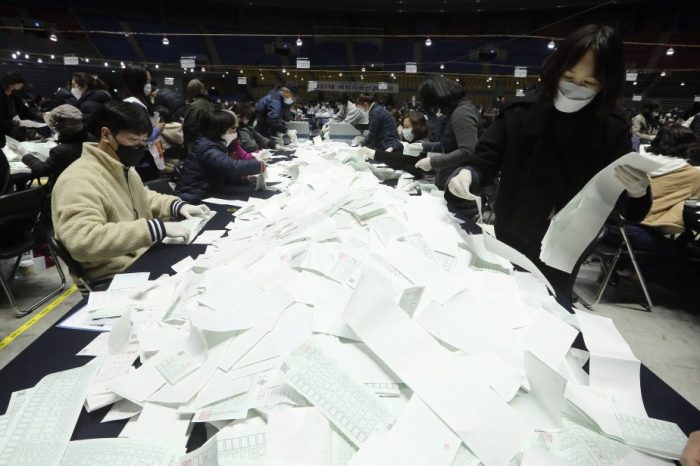
South Korea’s political landscape is currently a complex mix of simmering tensions and shifting alliances. The upcoming presidential election is not just about policy differences; it’s a reflection of deep-seated anxieties and hopes within the South Korean populace. Public sentiment is shaped by a multitude of factors, from economic uncertainties to social movements challenging traditional norms. The election outcome will undoubtedly be influenced by these intertwined currents.The current political climate in South Korea is characterized by a noticeable polarization.
The electorate is divided between competing ideologies and perspectives on critical issues. This division, though common in many democratic systems, is particularly pronounced in the current context, significantly impacting the election’s trajectory.
Key Political Issues Impacting the Election
The election is profoundly affected by several key political issues. These range from economic concerns, including rising inflation and unemployment, to social issues, such as debates around gender equality and LGBTQ+ rights. The legacy of past administrations also plays a considerable role, shaping public perception of the candidates and their proposed policies.
- Economic anxieties are a significant driver of voter choices. High inflation rates and persistent unemployment create a sense of economic insecurity. Candidates’ proposed solutions to these economic woes will likely heavily influence voter decisions.
- Social issues, such as the ongoing debate on gender equality and LGBTQ+ rights, are also critical. These issues resonate deeply with specific segments of the population, and their prominence in the campaign will undoubtedly shape the election outcome.
- The legacy of previous administrations is another key factor. Public perceptions of past policies and performance significantly impact voter choices, as voters often evaluate candidates based on their stance on past failures and successes.
Role of Public Opinion and Social Movements
Public opinion plays a pivotal role in shaping the election’s trajectory. Social movements, often driven by younger generations, have gained significant traction in recent years, advocating for specific social reforms. These movements exert influence by raising awareness and mobilizing support for certain candidates or policy agendas. The alignment of public opinion with the concerns of these social movements can significantly sway the election outcome.Public opinion polls and social media trends often provide valuable insights into the electorate’s sentiment.
However, these indicators must be interpreted cautiously, as they can sometimes reflect fleeting trends rather than enduring shifts in public opinion. For instance, a spike in support for a particular candidate on social media might not translate to a sustained electoral advantage.
Influence of Economic Conditions on Voter Choices
Economic conditions have a significant impact on voter decisions. A robust economy typically translates into higher voter satisfaction, while an ailing economy can lead to disillusionment and dissatisfaction with the incumbent administration. Voters often scrutinize candidates’ economic policies and their ability to address prevailing economic challenges. Past examples of economic crises and their political repercussions are relevant to understanding the potential influence of economic conditions on voter choices.For example, during periods of high unemployment, voters often prioritize candidates who promise job creation and economic stimulus.
Conversely, when inflation is a concern, voters might be drawn to candidates who advocate for fiscal responsibility and price stability. Economic conditions significantly shape voter choices in elections across various countries, as illustrated by past instances of economic crises and their impact on political outcomes.
Illustrative Examples
The upcoming South Korean presidential election holds significant implications for the US-South Korea alliance and regional stability. Understanding how past elections have shaped these dynamics provides valuable context for interpreting potential shifts in policy and their impact. Examining previous outcomes offers a lens through which to view potential future scenarios, including the potential for policy changes to affect the intricate web of alliances and partnerships in the region.Previous elections have often revealed shifts in the South Korean government’s approach to various international issues, particularly regarding its relationship with the US.
These shifts, in turn, have impacted the overall dynamics within the region, affecting economic partnerships and security arrangements. Examining historical precedents offers insights into potential future trends and the interplay between domestic politics and international relations.
Impact on US-South Korea Relations
South Korea’s presidential elections have historically had a discernible effect on the tone and substance of the bilateral relationship with the United States. Different political platforms often lead to variations in the emphasis placed on various aspects of the alliance. For example, the 2017 election, which brought Moon Jae-in to power, saw a shift towards a more conciliatory stance with North Korea, potentially affecting the perceived importance of the US military presence in the region.
A significant shift in the direction of South Korean foreign policy could impact the nature of military exercises, the level of US troop deployment, and the emphasis on joint military planning.
Policy Shifts and Regional Impact
Changes in South Korean leadership frequently influence the country’s stance on regional issues, such as North Korea’s nuclear program and China’s growing influence. For instance, a president prioritizing economic cooperation with China might alter the way the country approaches security issues, potentially impacting the overall regional balance of power. The 2012 election, under Park Geun-hye, illustrated how domestic political agendas can significantly impact foreign policy decisions, especially when dealing with sensitive issues like the North Korean nuclear threat.
International Implications of Election Outcomes
The outcomes of South Korean presidential elections have repercussions beyond the Korean Peninsula. The 2007 election, which brought Roh Moo-hyun to power, resulted in a slightly altered approach to North Korea, and influenced regional alliances in East Asia. Such shifts in South Korea’s international posture can impact regional cooperation and influence the overall stability of the East Asian security architecture.
A particular example of this influence is the way that South Korea’s position on regional trade agreements can directly impact the global economy, depending on the direction of the policy changes.
Political Ideology and International Position
A shift in political ideology in South Korea can alter its international standing. For instance, a conservative government might place greater emphasis on maintaining a strong alliance with the US, potentially impacting the deployment of US forces in the region. This is directly comparable to how different political orientations in the past have altered the nature of the South Korean-Japanese relationship, based on historical disputes and economic competition.
Such a shift in political ideology can reshape the country’s foreign policy priorities and potentially alter its relationship with other global actors.
Ending Remarks
In conclusion, South Korea’s presidential election presents a crucial test for the US-South Korea alliance. The potential shifts in policy, ranging from defense spending to trade relations, will significantly impact the regional balance of power and the future of US interests in the region. This election’s outcome will have far-reaching implications, affecting not only the bilateral relationship but also the security landscape of Northeast Asia.
The intricate interplay of domestic politics, international relations, and economic considerations will be central to understanding the election’s consequences.