Toyota Strengthens Its Dominance in the European B-SUV Segment with the Launch of the Updated 2026 Yaris Cross

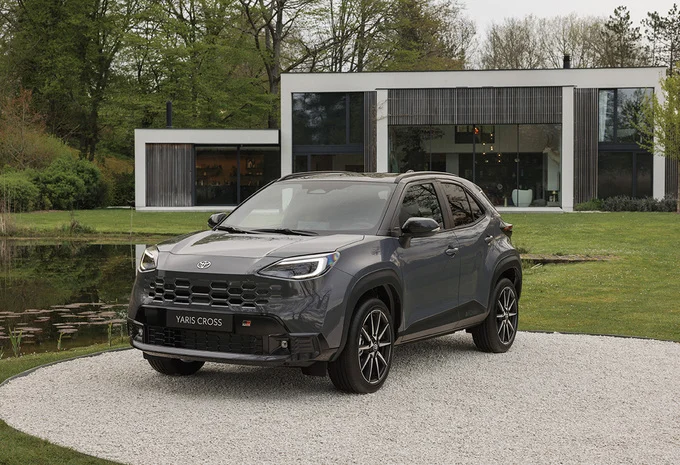
The Toyota Yaris Cross has solidified its position as a cornerstone of the European automotive market since its initial debut in 2021. As the automotive industry navigates a complex transition between traditional internal combustion engines and full electrification, Toyota’s strategic focus on hybrid technology has paid significant dividends. By 2025, the Yaris Cross reached a monumental milestone, surpassing 200,000 units sold across Europe within a single calendar year. This achievement officially established the model as Toyota’s best-selling vehicle on the continent, even outpacing the legendary Corolla and the standard Yaris hatchback. In specific markets such as Belgium, the vehicle has ascended to the number one spot within the brand’s local lineup, reflecting a broader consumer shift toward compact crossovers that do not compromise on fuel efficiency or urban maneuverability.
The 2026 model year update represents a calculated, "beehive" evolution of a winning formula. Rather than opting for a radical aesthetic departure, Toyota engineers and designers have focused on refining the vehicle’s sensory quality, technological integration, and mechanical efficiency. This "Kaizen" approach—the Japanese philosophy of continuous improvement—ensures that the Yaris Cross remains competitive against a growing field of rivals, including the Renault Captur, Peugeot 2008, and Volkswagen T-Roc.
A Refined Exterior Aesthetic Focused on Modernity
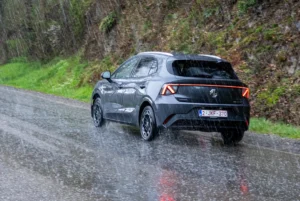
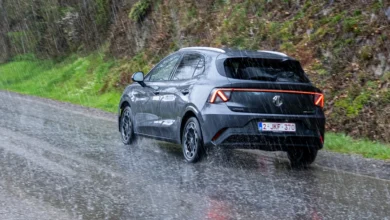
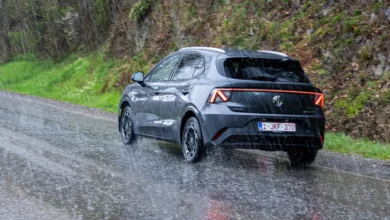
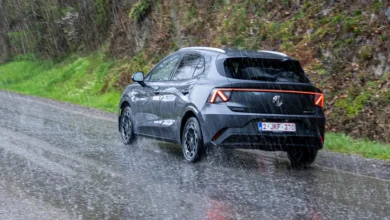
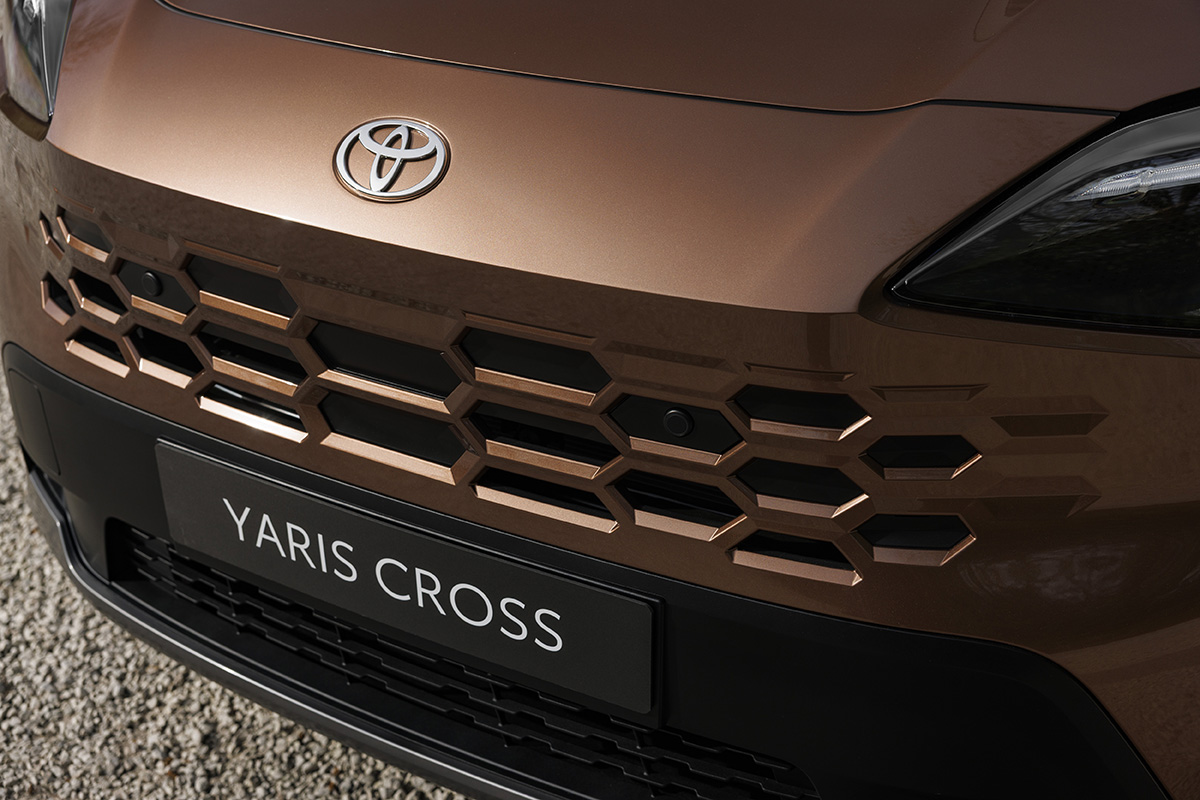
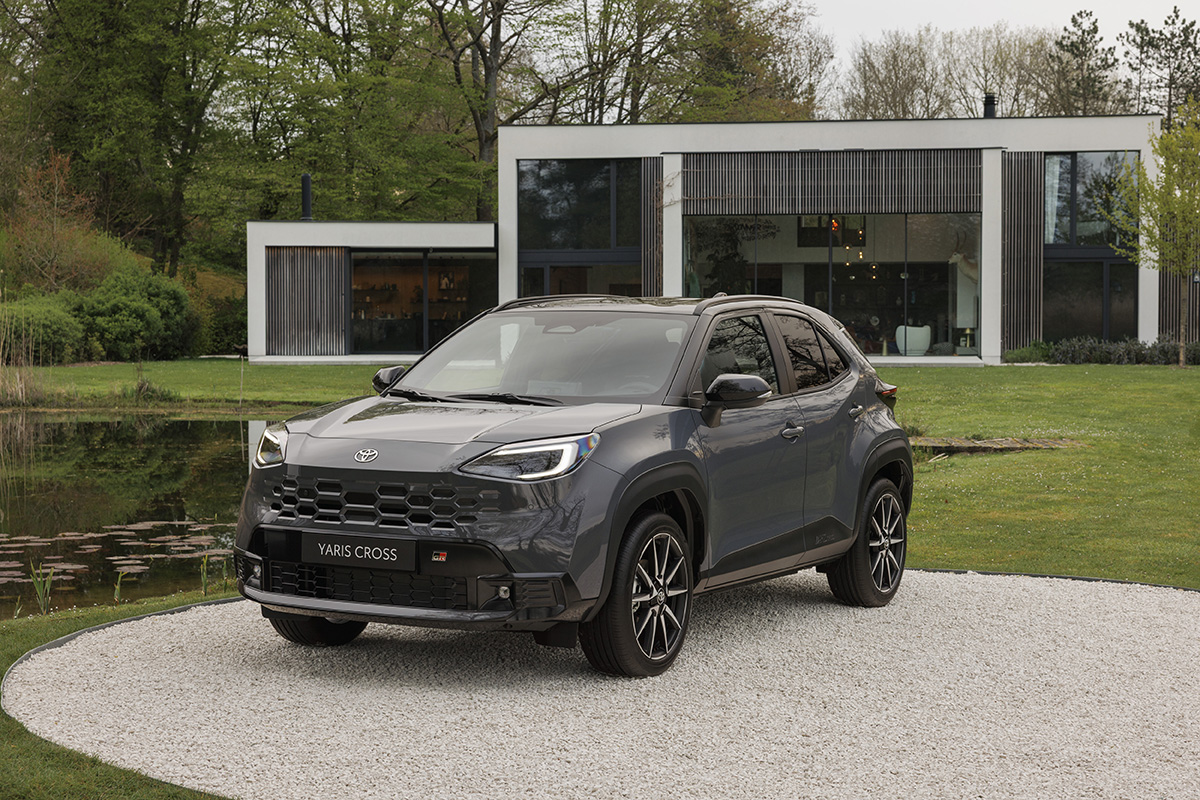
The exterior revisions for the 2026 Toyota Yaris Cross are concentrated primarily on the front fascia, aiming to create a more sophisticated and cohesive appearance. The most notable change is the introduction of a new honeycomb-patterned grille. In a departure from the previous generation’s more utilitarian plastic finishes, the new grille is now integrated more seamlessly into the bodywork, often matching the vehicle’s primary paint color in higher-tier trims. This design choice creates a more "monolithic" look, aligning the Yaris Cross with the design language seen in Toyota’s newer electric and plug-in hybrid offerings.
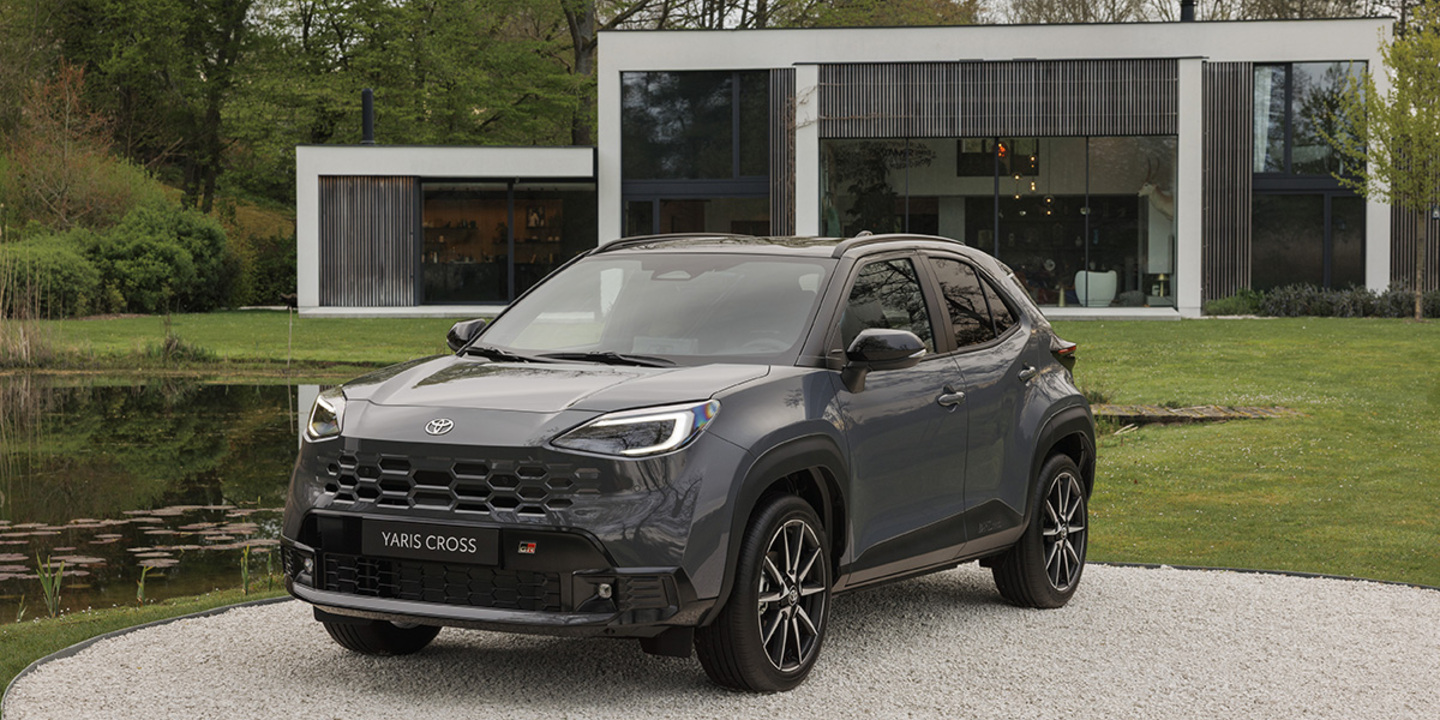
Lighting technology has also seen a significant upgrade. The LED headlamp clusters have been redesigned to incorporate a sharper, more modern signature for the daytime running lights (DRLs). While the silhouette remains familiar, the retention of the prominent black lower body cladding and muscular wheel arches serves a dual purpose: it protects the bodywork during urban maneuvers and reinforces the vehicle’s SUV credentials. To further enhance the customization options for consumers, Toyota has introduced new 17-inch and 18-inch alloy wheel designs. The color palette has also been expanded to include "Precious Bronze," a premium finish that can be paired with a contrasting black roof for a sophisticated two-tone effect.
Interior Upgrades: Elevating the Tactile Experience
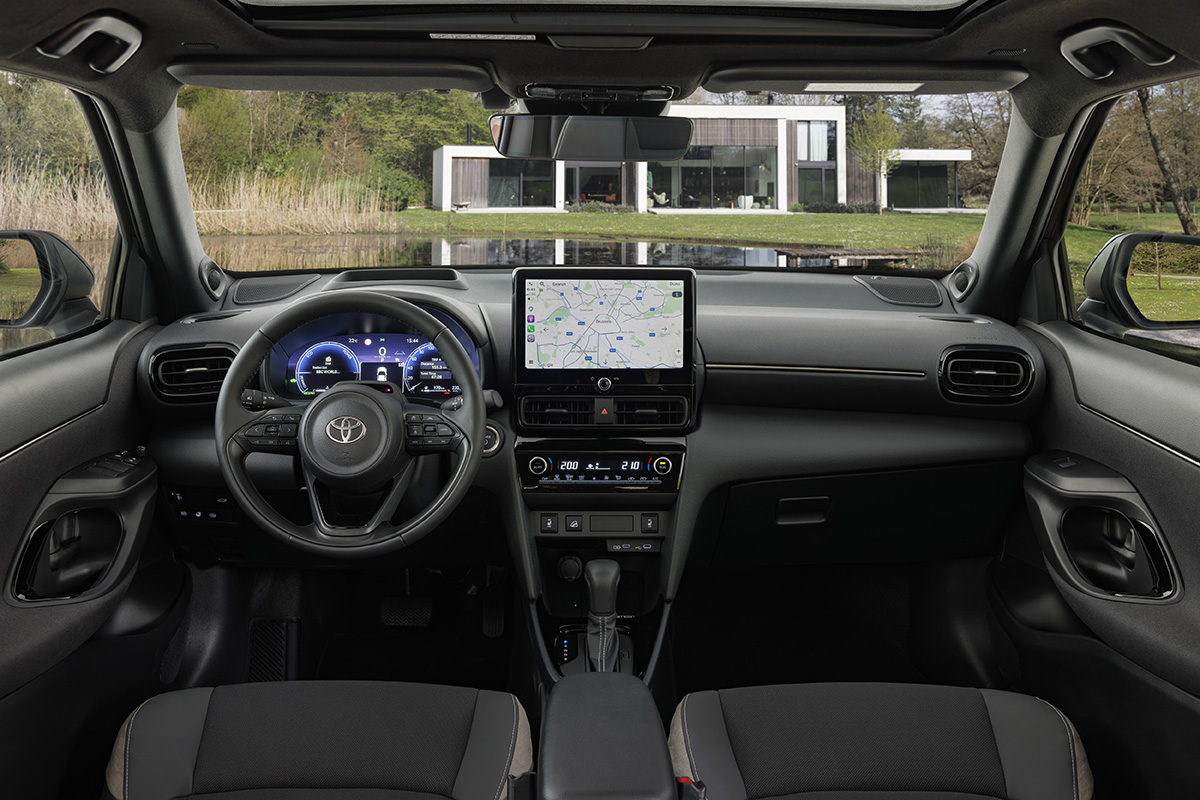
While the exterior focuses on visual sharpness, the interior of the 2026 Yaris Cross has been redesigned to address consumer feedback regarding material quality and cabin ambiance. One of the most immediate changes is the introduction of platinum-colored accents across the dashboard and door panels. These metallic finishes replace higher-gloss plastics that were prone to fingerprints, lending the cabin a more premium, durable feel.
In the Executive trim level, Toyota has overhauled the seating geometry to provide enhanced lateral support, a move intended to improve comfort during longer highway journeys. Perhaps the most innovative addition to the interior is found in the Style grade, which debuts "SakuraTouch®" upholstery. This material is a partially synthetic fabric developed with a focus on sustainability, utilizing a high percentage of recycled plastics and bio-based materials. This aligns with Toyota’s "Beyond Zero" environmental initiative, which seeks to reduce the carbon footprint of the vehicle throughout its entire lifecycle, including the materials used in the cabin.
Technological convenience has also been prioritized. The 2026 model sees the standardization of wireless smartphone charging across more trim levels, alongside an updated ambient lighting system that allows drivers to customize the cabin’s mood. Higher-end versions now come standard with an electric power tailgate, featuring a "kick-sensor" for hands-free operation—a feature increasingly demanded by families and urban shoppers.
The GR Sport Variant: Bridging Efficiency and Engagement
For drivers seeking a more spirited experience without sacrificing the benefits of a hybrid powertrain, the GR Sport remains a vital part of the Yaris Cross lineup. This variant is inspired by Toyota Gazoo Racing and features a unique aesthetic package, including a dedicated front bumper design with a more aggressive mesh pattern and exclusive 18-inch wheels with a machined finish.
However, the GR Sport is more than just a visual exercise. Toyota’s engineers have recalibrated the suspension system specifically for this trim, utilizing stiffer springs and retuned dampers to reduce body roll in corners. The electronic power steering has also been adjusted to provide more direct feedback to the driver. Inside, the GR Sport is distinguished by sports seats upholstered in a combination of suede and synthetic leather, accented by red contrast stitching and GR branding on the headrests and steering wheel. Crucially, the GR Sport is exclusively paired with the more powerful Hybrid 130 powertrain, positioning it as the flagship for driving dynamics within the range.
Powertrain Strategy: The Choice Between Efficiency and Power
The heart of the 2026 Yaris Cross remains Toyota’s fifth-generation self-charging hybrid technology. The lineup continues to offer two distinct power outputs, both based on the 1.5-liter three-cylinder Atkinson-cycle engine, but tuned for different consumer needs.
The Hybrid 130 is the performance leader of the range. By utilizing a larger and more powerful electric motor-generator and optimizing the power control unit (PCU), the system delivers a total output of 130 hp (96 kW) and 185 Nm of torque. This allows the Yaris Cross to accelerate from 0 to 100 km/u in 10.7 seconds. Despite the increase in power, efficiency remains high, with WLTP-rated fuel consumption figures ranging between 4.5 and 5.2 liters per 100 km, and CO2 emissions held between 101 and 116 g/km.
The Hybrid 115 remains the entry point for the range, focusing on maximum fuel economy and lower insurance groups. This system produces 116 hp and 141 Nm of torque. While slightly slower in a sprint, it offers nearly identical real-world fuel economy, with consumption figures of 4.5 to 5.1 liters per 100 km. This powertrain is particularly popular with fleet operators and urban commuters who prioritize total cost of ownership over outright performance.
Market Context and Strategic Implications
The success of the Yaris Cross is a testament to Toyota’s "multi-pathway" approach to carbon neutrality. While many competitors pivoted exclusively toward Battery Electric Vehicles (BEVs), Toyota maintained that hybrids were the most practical solution for the majority of European consumers in the mid-2020s, particularly those without easy access to home charging infrastructure.
Industry analysts point out that the B-SUV segment is currently the most competitive and highest-volume category in Europe. By refining the Yaris Cross just four years after its launch, Toyota is defending its market share against a wave of new Chinese entrants and revamped European classics. The 200,000-unit sales figure in 2025 is particularly significant because it represents a "conquest rate" of nearly 50%, meaning half of Yaris Cross buyers are new to the Toyota brand.
Safety and Digital Connectivity
Beyond the physical changes, the 2026 Yaris Cross benefits from the latest iteration of Toyota T-Mate, a suite of safety and driver assistance systems. This includes an improved Pre-Collision System that can now detect motorcycles and oncoming vehicles more effectively. The introduction of Proactive Driving Assist (PDA) helps the driver decelerate smoothly when lifting off the accelerator as they approach a slower vehicle or enter a curve.
On the digital front, the Toyota Smart Connect system features a high-definition touchscreen (up to 10.5 inches depending on the grade) with cloud-based navigation as standard. Over-the-air (OTA) software updates ensure that the vehicle’s safety systems and multimedia features can be improved throughout the ownership period without requiring a visit to the dealership.
Conclusion: A Balanced Evolution
The 2026 facelift of the Yaris Cross does not seek to reinvent the wheel. Instead, it meticulously polishes an already successful product to ensure it remains the benchmark for the B-SUV segment. By enhancing the interior quality, offering more powerful hybrid options, and maintaining a bold yet refined exterior, Toyota has positioned the Yaris Cross to continue its reign as a European best-seller.
As the 2026 models begin to arrive in showrooms across Europe and Belgium, the focus remains on delivering a vehicle that is "just right" for the modern era—compact enough for the city, rugged enough for the weekend, and efficient enough to meet increasingly stringent environmental regulations. For Toyota, the Yaris Cross is not just a car; it is the primary engine of its European growth strategy.
Related posts: