The Intersection of High Art and Fashion Iconography in the Biopic Moss & Freud


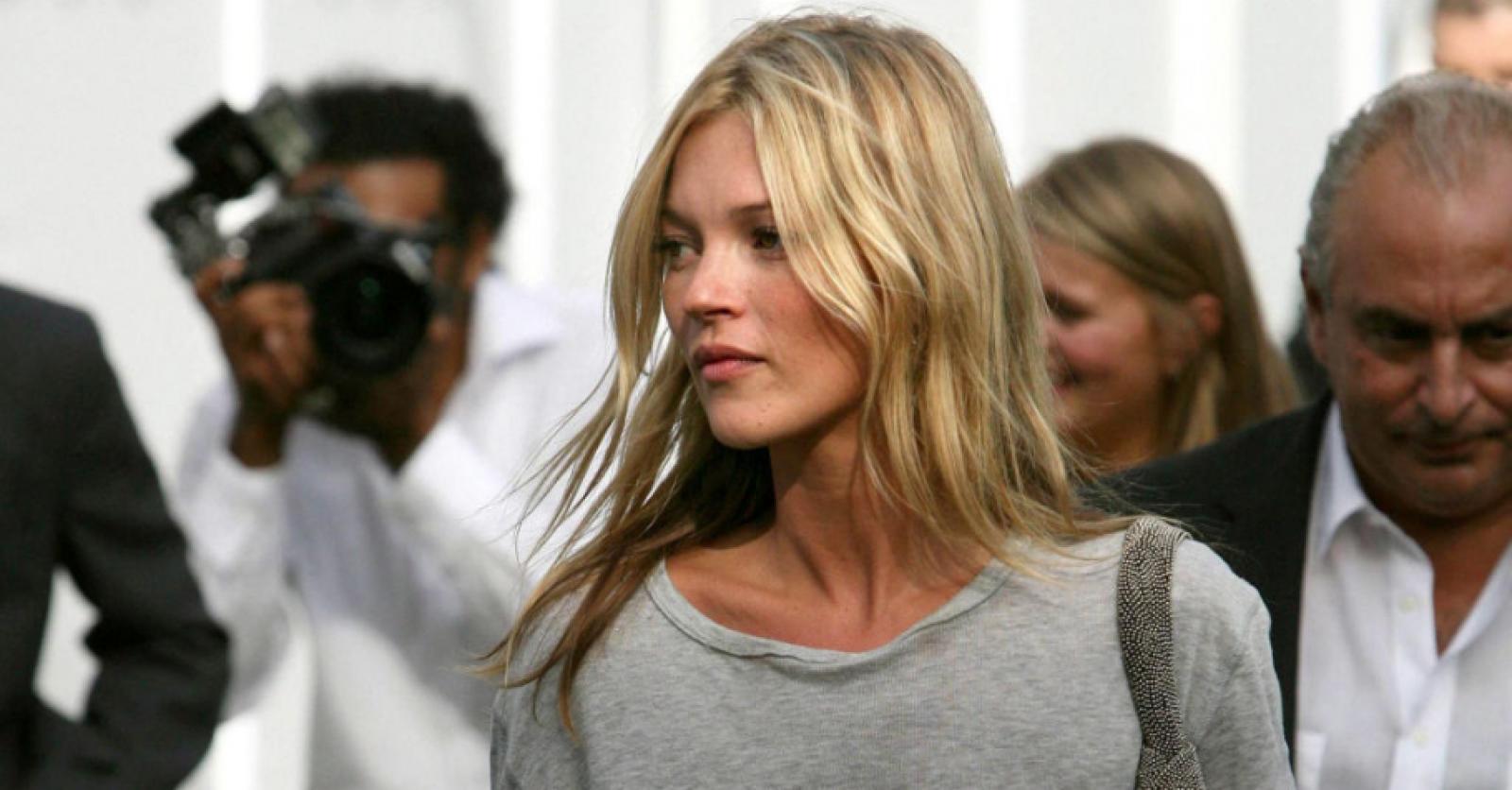
The upcoming cinematic release of Moss & Freud marks a significant cultural milestone, bridging the worlds of contemporary art and global fashion through the lens of a transformative historical encounter. Directed and written by Academy Award-winner James Lucas, the film explores the intricate and often misunderstood relationship between two of Britain’s most enigmatic figures: the supermodel Kate Moss and the legendary figurative painter Lucian Freud. Centered on a series of sittings that took place in the early 2000s, the biographical drama delves into the psychological and creative exchange that occurred when the world’s most photographed woman stepped out of the flashbulbs and into the stark, uncompromising light of Freud’s studio.
Narrative Core and Historical Context
The narrative of Moss & Freud is anchored in a specific period of 2002, a time when Kate Moss was arguably at the zenith of her professional influence while simultaneously navigating a period of profound personal transition. At the time, Moss was pregnant with her daughter, Lila Grace, and was involved in a high-profile but increasingly strained relationship with Dazed & Confused co-founder Jefferson Hack. It was during this period of physical and emotional vulnerability that she began posing for Lucian Freud, the grandson of the founder of psychoanalysis, Sigmund Freud.
Lucian Freud was then in the "winter of his life," as the film’s synopsis suggests, yet he remained the most formidable force in British figurative painting. Known for his "naked portraits"—a term he preferred over "nudes"—Freud’s work was characterized by an obsessive attention to the topography of the human body, rendered in thick, impasto layers of paint. His sittings were notoriously grueling, often requiring subjects to remain still for hundreds of hours over several months. For Moss, a woman accustomed to the rapid-fire pace of fashion photography, the slow, meditative, and often physically taxing process of being painted by Freud represented a radical departure from her professional reality.
Chronology of the Collaboration
The collaboration began after Moss mentioned in an interview that her secret ambition was to be painted by Freud. Upon hearing of her interest, the artist invited her to his West London studio. What followed was a nine-month odyssey of sittings that would result in the 2002 masterpiece, "Naked Portrait."
- Initial Contact (Early 2002): Following Moss’s public expression of interest, the two were introduced, leading to the commencement of the sittings.
- The Sittings (2002): Moss visited Freud’s studio three nights a week, often from 7:00 PM to 1:00 AM. This period coincided with the majority of her pregnancy.
- Completion of the Portrait (Late 2002): The painting was finished shortly before the birth of Lila Grace. It depicted Moss reclining, her pregnant form captured with the raw, unflinching realism typical of Freud’s style.
- The Tattoo Incident: During their time together, Freud—who had been a merchant seaman in his youth and learned to tattoo—inked a pair of swallows onto Moss’s lower back. This permanent mark serves as a literal and metaphorical symbol of their bond.
- Auction and Legacy (2005): Three years after its completion, the "Naked Portrait" was sold at Christie’s in London for £3.9 million (approximately $7.3 million at the time), cementing its status as a pivotal work in contemporary art history.
Casting and Production Insights
The production of Moss & Freud has garnered significant attention for its casting choices, which aim to balance physical resemblance with the gravitas required for such storied roles. Ellie Bamber, the 29-year-old British actress known for her roles in Nocturnal Animals and *My Dear F**g Prince, takes on the mantle of Kate Moss. While some critics have noted a lack of immediate physical similarity, the project has received the full backing of Moss herself, who serves as an executive producer. Moss has publicly stated that Bamber possesses the necessary spirit to capture the essence of her younger self.
Opposite Bamber is the veteran stage and screen actor Derek Jacobi, whose career spans decades and includes acclaimed performances in The King’s Speech, Gladiator, and I, Claudius. Jacobi’s portrayal of Freud is expected to capture the artist’s legendary intensity, his sharp wit, and the uncompromising discipline he demanded of his subjects. The supporting cast includes Will Tudor as Jefferson Hack and Jasmine Blackborow as Bella Freud, the artist’s daughter and a successful fashion designer in her own right.
The involvement of James Lucas as director brings a high level of prestige to the project. Lucas, who won an Academy Award for his short film The Phone Call, spent years developing the script in close consultation with Moss. His goal was to move beyond the tabloid headlines of the era to find the human truth within the studio walls.
Supporting Data and Artistic Implications
The film arrives at a time when the market for fashion-related biopics and art-house dramas is expanding. The intersection of Moss and Freud is particularly potent because it represents a collision of two different types of "celebrity." Moss was the face of "heroin chic" and the ultimate commercial icon, while Freud was the hermit-like master of high art.
Data from the art market underscores the enduring value of this connection. When Freud’s portrait of Moss sold in 2005, it set a benchmark for contemporary portraiture. Since then, the value of Freud’s works has only increased, with some pieces fetching upwards of $50 million at auction. Similarly, Kate Moss’s brand has proven remarkably resilient; despite the rise of social media influencers, her agency and personal brand continue to dominate the high-fashion sector.
The film also addresses the "myth of the muse." In traditional art history, the muse is often a passive figure. However, Moss & Freud seeks to portray Moss as an active participant in the creative process. The sittings were a "transformative" experience for both, as the source material suggests. For Freud, Moss represented a new kind of modern beauty; for Moss, Freud provided a sanctuary from the chaos of the fashion industry and a new way of seeing herself.
Official Responses and Industry Reaction
Kate Moss has been vocal about her enthusiasm for the project. In various statements, she has described the experience of posing for Freud as "an honor and an incredible experience." She noted that James Lucas’s previous work convinced her that he could handle the emotional depth of the story. "After seeing The Phone Call, I knew that James would know how to transcribe the emotion in an adequate way, as this story deserves," Moss remarked.
The film’s projection at the London Film Festival in October provided an initial glimpse into its reception. Industry insiders have praised the film for its atmospheric recreation of early 2000s London and its refusal to lean into the sensationalist rumors that plagued the duo at the time. While gossip columns in the early 2000s frequently speculated about a romantic liaison between the model and the painter, the film reportedly focuses on the platonic, yet deeply intimate, intellectual and artistic connection they shared.
Broader Impact and Implications
The release of Moss & Freud, scheduled for distribution in late May 2026 following its international festival run, is poised to reignite discussions about the relationship between fashion and fine art. In an era where "fast fashion" and digital filters dominate the visual landscape, the film serves as a reminder of the value of "slow art." The nine months Moss spent in Freud’s studio stand in stark contrast to the instantaneous nature of modern celebrity culture.
Furthermore, the film highlights the evolution of Kate Moss from a subject of the male gaze to a curator of her own legacy. By serving as executive producer, Moss is exercising control over how her history is told—a move increasingly seen among veteran supermodels like Naomi Campbell and Cindy Crawford, who have also moved into production to safeguard their narratives.
As a piece of cultural history, Moss & Freud provides a window into a specific moment in the British "Cool Britannia" era, where the boundaries between different creative disciplines were becoming increasingly porous. It is a study of two icons who, despite their disparate backgrounds and the fifty-year age gap between them, found a common language in the silence of an artist’s studio. The film promises to be not just a biography of two individuals, but a biography of a painting and the indelible mark—both on canvas and on skin—that their encounter left behind.
Related posts: