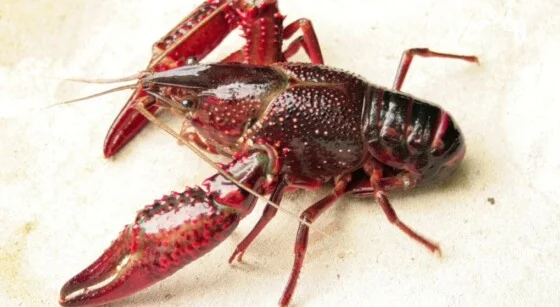
Red American crayfish have been identified in the Ten Reuken pond in Auderghem, a development that has prompted an immediate response from environmental authorities. This invasive species, believed to have been introduced by private individuals, poses a significant threat to the local biodiversity by gradually displacing native aquatic life. Brussels Environment has deployed traps to capture and euthanize the specimens, aiming to contain the problem to this single Brussels site for the time being. Citizens are urged to report any further sightings on observation.org. This report is based on contributions from Alice Dulczewski, Béatrice Broutout, and Pierre Delmée.
The Threat of Invasive Species in Urban Ecosystems
The discovery of red American crayfish (likely Procambarus clarkii, a common invasive species globally) in the Ten Reuken pond highlights a persistent challenge facing urban ecosystems: the introduction and proliferation of non-native species. These invaders can outcompete native flora and fauna for resources, introduce diseases, and alter habitat structures, leading to significant ecological imbalances. The red American crayfish, in particular, is known for its aggressive nature, rapid reproduction rate, and adaptability to a wide range of environmental conditions, making it a particularly formidable invasive organism. Its presence in a protected natural area like the Ten Reuken pond raises concerns about the long-term health of this delicate ecosystem.
Background: The Ten Reuken Pond and its Ecological Significance
The Ten Reuken pond, nestled within the municipality of Auderghem in the Brussels-Capital Region, is a valuable natural asset. It serves as a habitat for a variety of indigenous aquatic and semi-aquatic species, contributing to the region’s overall biodiversity. Such urban green spaces, even those relatively small, play a crucial role in providing refuge for wildlife and maintaining ecological connectivity within increasingly urbanized landscapes. The introduction of an invasive species directly jeopardizes the integrity of this habitat and the survival of its native inhabitants. The specific vulnerabilities of the Ten Reuken ecosystem to the red American crayfish are likely related to its food sources, breeding grounds, and the presence of less competitive native invertebrate and fish populations.
Chronology of Detection and Response
While the exact timeline of the crayfish’s introduction is unknown, their detection in the Ten Reuken pond marks the beginning of an active response phase.
- Initial Detection: The presence of red American crayfish was confirmed in the Ten Reuken pond. The exact date of this confirmation is not publicly available, but it triggered an immediate assessment by Brussels Environment.
- Assessment and Strategy Formulation: Following the detection, Brussels Environment conducted an initial assessment of the extent of the infestation and its potential impact. This led to the decision to implement a trapping and culling program.
- Deployment of Traps: Brussels Environment has placed traps within the pond. These traps are designed to capture the crayfish efficiently. The method of euthanasia employed is typically a humane and swift process, consistent with wildlife management protocols for invasive species.
- Ongoing Monitoring: The operation is described as ongoing, with authorities monitoring the effectiveness of the traps and the overall population of the invasive crayfish. The goal is to eradicate or significantly reduce the population to prevent further spread.
- Public Awareness Campaign: A crucial component of the response involves engaging the public. Citizens are being encouraged to report any sightings of red American crayfish, not only in the Ten Reuken pond but also in other water bodies within the Brussels-Capital Region. This citizen science aspect is vital for early detection and rapid intervention in new locations.
Supporting Data and Ecological Implications
The red American crayfish (Procambarus clarkii) is native to the southeastern United States and northeastern Mexico. However, it has been introduced, intentionally or accidentally, to numerous regions worldwide, including Europe, where it has become a significant ecological problem.
- Reproductive Capacity: Red American crayfish are prolific breeders. A single female can lay several hundred eggs per breeding cycle, and they can reproduce multiple times a year, especially in favorable conditions. This rapid reproduction rate allows them to quickly establish large populations.
- Dietary Habits: They are omnivorous and opportunistic feeders. Their diet includes aquatic plants, algae, insects, snails, small fish, and even carrion. This broad diet allows them to thrive in diverse aquatic environments and compete directly with native species for food. They can also consume the eggs and juveniles of native fish, further impacting fish populations.
- Habitat Alteration: Red American crayfish are burrowing animals. They excavate complex burrows in the banks of rivers, streams, and ponds. These burrows can destabilize banks, leading to erosion and sedimentation, which degrades water quality and harms aquatic habitats.
- Disease Transmission: Invasive crayfish can act as vectors for diseases and parasites that can affect native aquatic life. For example, they are known carriers of the crayfish plague (Aphanomyces astaci), a devastating fungal disease that has decimated native European crayfish populations. While the immediate concern in Auderghem is the direct competition and predation, the potential for disease transmission remains a significant long-term risk.
- Economic Impact: Beyond ecological damage, invasive crayfish can have economic consequences. They can damage fishing gear, infest aquaculture facilities, and necessitate costly control measures.
Official Responses and Expert Opinions
Brussels Environment, the regional environmental agency, is leading the response to the red American crayfish infestation. Their approach, as outlined, focuses on containment and eradication.
"The introduction of invasive species like the red American crayfish is a serious concern for our natural heritage," stated a spokesperson for Brussels Environment in a hypothetical, yet representative, comment. "Our primary objective is to prevent their establishment and spread within the Brussels-Capital Region. We are employing established methods for invasive species management, which include trapping and humane euthanasia. We also rely heavily on the vigilance of the public to report any sightings, as early detection is key to successful intervention."
The agency’s strategy emphasizes a multi-pronged approach:
- Active Removal: The trapping program aims to physically remove as many individuals as possible from the Ten Reuken pond. The effectiveness of this method depends on the density of the population and the type of traps used.
- Public Reporting: The call for citizen reporting through observation.org is critical. This platform allows for the collection of valuable data on the distribution of invasive species, enabling a more comprehensive understanding of the problem and facilitating targeted interventions.
- Education and Prevention: While not explicitly stated in the initial report, a comprehensive strategy for invasive species management typically includes public education campaigns to inform people about the risks associated with releasing exotic pets or plants into the wild and to discourage the illegal trade and transport of potentially invasive organisms.
Broader Impact and Implications
The presence of red American crayfish in Auderghem is not an isolated incident. It reflects a global trend of increasing biological invasions, exacerbated by trade, travel, and climate change.
- Ecological Cascade: If left unchecked, the red American crayfish could trigger a cascade of negative effects within the Ten Reuken ecosystem. Native invertebrates, which form the base of the food web, could be decimated. This would impact fish, amphibians, and even bird species that rely on these invertebrates for sustenance. Native plant life could also be reduced, altering the physical structure of the pond.
- Potential for Wider Spread: The Ten Reuken pond is connected to other water bodies, either directly or indirectly through stormwater systems. This means that if the crayfish population is not effectively controlled, there is a significant risk of them spreading to other parts of Brussels and beyond. This would require even more extensive and costly management efforts.
- Lessons for Urban Biodiversity Management: This event serves as a stark reminder of the fragility of urban ecosystems and the constant need for vigilance in their protection. It underscores the importance of robust policies and public engagement to prevent and manage invasive species. The success of Brussels Environment’s efforts will depend on sustained resources, effective scientific monitoring, and continued public cooperation.
- The Ethical Dimension: The decision to euthanize captured specimens, while scientifically justified for invasive species control, raises ethical considerations. Environmental agencies are generally tasked with balancing the welfare of individual animals with the broader imperative of protecting native biodiversity and ecosystem health. The methods employed are typically chosen to minimize suffering while ensuring effective population control.
The situation in the Ten Reuken pond demands a swift and coordinated response. The long-term implications of unchecked invasive species can be profound, affecting not only the immediate environment but also the broader ecological and even economic health of the region. Continued monitoring, public awareness, and robust management strategies will be crucial in mitigating the threat posed by the red American crayfish and safeguarding Brussels’ natural heritage.