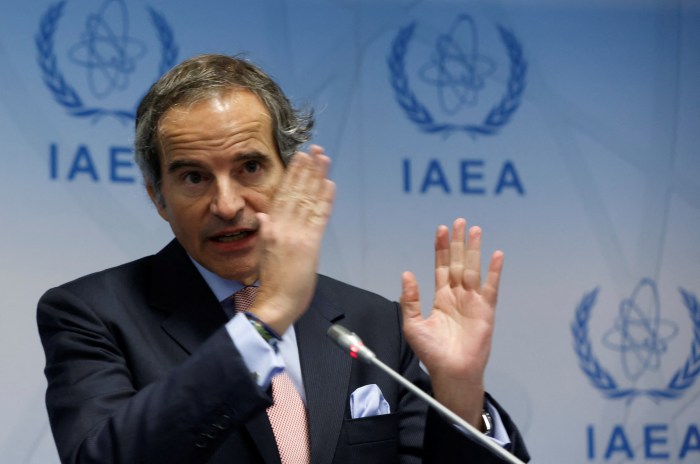
Any us iran deal should include robust iaea inspections grossi says – Any US-Iran deal should include robust IAEA inspections, Grossi says, setting the stage for complex negotiations. The International Atomic Energy Agency (IAEA) plays a critical role in verifying compliance with nuclear agreements, and Director General Rafael Grossi’s emphasis on stringent inspections could significantly impact the potential deal’s structure and future. This in-depth look will explore the history of IAEA inspections, Grossi’s specific concerns, potential deal structures, international implications, alternative verification methods, and the crucial role of diplomacy in reaching an agreement.
The potential US-Iran nuclear deal faces significant hurdles, particularly regarding the level of IAEA oversight. Grossi’s insistence on robust inspections underscores the importance of preventing nuclear proliferation. This necessitates a detailed understanding of the IAEA’s inspection protocols, past successes and failures, and the potential ramifications of various inspection levels.
Understanding IAEA Inspections
IAEA inspections are a crucial component of international nuclear agreements, playing a vital role in verifying compliance and preventing the proliferation of nuclear weapons. These inspections are not simply about scrutinizing facilities; they are about fostering trust and maintaining a global commitment to peaceful nuclear activities. The rigor and transparency of these inspections are paramount to the success of any agreement.IAEA inspections are not a new phenomenon.
Grossi’s emphasis on robust IAEA inspections in any US-Iran deal is crucial, but it’s worth considering the bigger picture. While nuclear negotiations are vital, it’s fascinating to see how market forces are impacting agricultural commodities, like the recent shenanigans in the CBOT corn market. Check out this piece on whats up with wacky CBOT corn spreads braun to get a better sense of the complexities.
Ultimately, robust IAEA inspections remain paramount for preventing nuclear proliferation, regardless of any other economic or market fluctuations.
Their evolution reflects a growing global understanding of the need for verification in nuclear agreements, as evidenced by the historical trajectory of such agreements. A fundamental aspect of these inspections is the meticulous documentation and reporting procedures, which are vital for accountability and transparency.
Historical Overview of IAEA Inspections in Nuclear Agreements
The International Atomic Energy Agency (IAEA) was established in 1957, with a key mandate to promote the peaceful uses of nuclear energy. This mandate has been consistently intertwined with the agency’s role in verifying compliance with nuclear safeguards agreements. Early agreements focused primarily on preventing the diversion of fissile material for weapons purposes. Over time, the complexity of nuclear activities and the threat of proliferation have led to increasingly sophisticated inspection protocols.
Early agreements laid the groundwork for the more comprehensive verification regimes of today.
Types of IAEA Inspections and Their Scope
IAEA inspections encompass a variety of activities, tailored to the specific needs of each agreement. These inspections often include:
- Material Accountancy Inspections: These inspections track the quantity and movement of fissile materials within declared facilities. They are designed to ensure that declared materials remain within the specified limits, preventing diversion or unauthorized use.
- Environmental Monitoring: IAEA inspectors may assess the environmental impact of nuclear activities. This is crucial to ensure that the activities comply with environmental standards and do not pose a threat to public health or the environment.
- Facility Inspections: These involve on-site inspections of declared nuclear facilities to confirm that the facilities and activities comply with the terms of the safeguards agreement.
- Special Inspections: These are triggered by specific concerns, often involving a suspicion of non-compliance or proliferation activities. They are conducted with greater intensity and scope than routine inspections.
These different types of inspections ensure a comprehensive approach to verification, addressing diverse potential avenues of non-compliance. The scope of each inspection type varies depending on the specific safeguards agreement and the nature of the suspected violations.
Importance of Robust Inspections in Preventing Proliferation, Any us iran deal should include robust iaea inspections grossi says
Robust inspections are vital in preventing the proliferation of nuclear weapons. They provide a critical mechanism for verification, reducing uncertainty about the use of nuclear materials. This reduction in uncertainty fosters trust among nations and deters any potential proliferation attempts. This is a cornerstone of international non-proliferation efforts.
Examples of Successful and Unsuccessful IAEA Inspections
Successful inspections have been instrumental in maintaining the integrity of nuclear agreements, demonstrating the effectiveness of verification mechanisms. Examples include ongoing monitoring of nuclear facilities, and successful identification of and remediation of discrepancies.Conversely, unsuccessful inspections or instances of non-compliance highlight the persistent challenges in verification and the need for continuous improvements in inspection protocols. Cases of non-compliance often involve complex political or security considerations that make resolving them difficult.
These examples are crucial learning experiences for the development of more robust safeguards.
Roles and Responsibilities of IAEA Inspectors
IAEA inspectors play a crucial role in the verification process. Their roles include:
- Verification of Declarations: Inspectors verify that declared nuclear materials and activities conform to the terms of the safeguards agreement.
- Assessment of Compliance: They assess the overall compliance of facilities and activities with the safeguards agreement.
- Documentation and Reporting: Inspectors meticulously document their findings and report their findings to the IAEA.
These roles and responsibilities are critical to the success of the inspection process. The professionalism and impartiality of IAEA inspectors are paramount to the credibility of the verification process.
Comparison of Different Inspection Protocols
| Inspection Type | Scope | Frequency | Key Procedures |
|---|---|---|---|
| Routine Inspections | Verification of declared materials and activities | Periodic | Regular site visits, material accountancy checks |
| Special Inspections | Addressing specific concerns regarding non-compliance | Triggered by specific concerns | Intensive investigations, interviews, expanded scope |
| Environmental Monitoring | Assessing the environmental impact of nuclear activities | As needed | Sampling, analysis, reporting on environmental conditions |
This table provides a basic comparison of different inspection types. The details of each inspection type can vary significantly depending on the specific agreement and circumstances. Differences in scope, frequency, and procedures highlight the multifaceted nature of IAEA inspections.
Grossi’s Stance on Inspections
Rafael Grossi, the Director General of the International Atomic Energy Agency (IAEA), has consistently emphasized the importance of robust and transparent inspections in any potential US-Iran nuclear deal. His unwavering stance underscores his commitment to preventing the proliferation of nuclear weapons, a core tenet of the IAEA’s mission. Grossi’s perspective carries significant weight, given his role in overseeing the agency’s activities and his direct experience with complex nuclear verification scenarios.Grossi’s concerns stem from the need to ensure complete and verifiable compliance with any agreement.
He recognizes the potential for loopholes or ambiguities in past agreements and the necessity for a robust inspection regime to prevent future proliferation risks. This emphasis on thoroughness reflects the historical lessons learned from past arms control negotiations and the need for foolproof mechanisms to guarantee the peaceful use of nuclear technology.
Grossi’s Specific Concerns
Grossi’s concerns are primarily focused on the comprehensive nature of inspections. He’s expressed concerns about access to all relevant sites, including those that might not be readily apparent or declared, to ensure complete verification of Iran’s nuclear activities. He emphasizes the importance of unfettered access for IAEA inspectors to verify the absence of undeclared materials or facilities. Furthermore, Grossi has emphasized the necessity of clear and unambiguous procedures for inspection requests and swift responses from the Iranian side.
Rationale Behind Robust Inspections
Grossi’s emphasis on robust inspections stems from the IAEA’s mandate to verify compliance with non-proliferation treaties. The agency’s work relies on the principle of verification, which is essential for building trust and confidence in the peaceful nature of nuclear activities. Comprehensive inspections are crucial for deterring any potential diversion of nuclear materials or technologies for weapons development. This rationale is deeply rooted in the need to prevent the catastrophic consequences of nuclear proliferation.
It’s a vital safeguard for global security.
Grossi’s Past Statements and Actions
Grossi’s past statements and actions consistently demonstrate his commitment to strong verification mechanisms. He has repeatedly stressed the need for transparent and unhindered access for IAEA inspectors, and his agency has implemented several measures to improve verification techniques and enhance cooperation with member states. A key example is the development and implementation of advanced inspection protocols to improve the accuracy and efficiency of verification efforts.
Potential Implications on Negotiations
Grossi’s demands for robust inspections could significantly impact the negotiation process. Iran’s willingness to cooperate fully with these inspections will be a crucial factor in the success of any agreement. Resistance to such inspections could create obstacles and potentially hinder the entire process. This underscores the importance of addressing Grossi’s concerns directly and proactively. It could even influence the ultimate outcome of the negotiations, pushing toward a more comprehensive and verifiable agreement.
Influence on Public Opinion
Grossi’s stance on inspections is likely to influence public opinion, particularly in countries concerned about nuclear proliferation. His emphasis on thoroughness and transparency is likely to resonate with those seeking reassurance that any agreement will effectively prevent the development of nuclear weapons. Conversely, any perceived reluctance from Iran to cooperate fully with inspections could damage the credibility of the negotiations and raise public concerns.
Key Arguments for Robust Inspections
| Argument | Supporting Evidence | Potential Impact |
|---|---|---|
| Ensuring complete verification of Iranian nuclear activities. | IAEA’s mandate to verify compliance with non-proliferation treaties. | Builds trust and confidence in the peaceful nature of Iranian nuclear program. |
| Preventing potential diversion of nuclear materials for weapons development. | Historical examples of nuclear proliferation. | Reduces the risk of nuclear conflict and enhances global security. |
| Establishing clear and unambiguous procedures for inspection requests. | Prior experiences with inspection protocols. | Promotes transparency and predictability in the inspection process. |
| Guaranteeing unfettered access to all relevant sites. | Importance of comprehensive verification. | Ensures that all potential nuclear activities are subject to inspection. |
Potential US-Iran Deal Structure
A potential US-Iran nuclear deal hinges on meticulous structuring to ensure both sides’ concerns are addressed, while maintaining international verification mechanisms. The complexity of the negotiations necessitates careful consideration of various structural approaches, each with its own advantages and disadvantages, especially concerning the robust and verifiable implementation of IAEA inspections.A successful framework must establish clear and transparent protocols for inspections, allowing the IAEA to monitor Iran’s nuclear activities effectively.
This is crucial for maintaining international confidence and preventing proliferation.
Potential Deal Structures
Different deal structures for a US-Iran nuclear agreement can significantly affect the level of scrutiny and verification. These structures could vary in the scope and depth of commitments, potentially impacting the overall effectiveness of the agreement.
- Phased Approach: This structure could involve a gradual implementation of restrictions on Iran’s nuclear program, with escalating inspections in tandem. This allows for a more gradual reduction of the risk of proliferation while allowing for adjustments and mitigates immediate anxieties about the extent of Iran’s commitment. The key here is ensuring the inspections are progressively more intrusive as the agreement matures, providing confidence in the veracity of Iran’s compliance.
Examples of phased approaches exist in other arms control agreements, demonstrating their potential feasibility. However, this structure also presents challenges in maintaining momentum and consistency throughout the implementation process.
- Comprehensive Agreement: This approach mandates immediate and comprehensive restrictions on Iran’s nuclear program. This structure requires complete transparency from the start and strict adherence to IAEA inspection protocols, potentially providing greater certainty of Iran’s compliance. The comprehensive nature of the agreement could generate significant international confidence, but its implementation could be more challenging due to the immediate and extensive changes required.
- Conditional Agreement: This structure might link the lifting of sanctions to verifiable and specific actions by Iran related to its nuclear program. This structure can incentivize Iran’s cooperation but necessitates a meticulous system of monitoring to ensure the verification of Iran’s commitments. This approach could potentially offer a more flexible framework, but it also introduces potential challenges in establishing a clear and unambiguous definition of conditions.
Inspection Provisions Comparison
The robustness of IAEA inspections is paramount in any US-Iran nuclear deal. Each potential deal structure will need to incorporate specific clauses guaranteeing the scope and frequency of inspections.
| Deal Structure | Inspection Provisions | Potential Strengths | Potential Weaknesses |
|---|---|---|---|
| Phased Approach | Gradual increase in inspection frequency and scope. Regular reports on compliance to IAEA. | Allows for adjustments and demonstrates Iran’s willingness to cooperate. | May be less effective in preventing immediate proliferation concerns. |
| Comprehensive Agreement | Immediate and comprehensive restrictions on Iran’s nuclear program. Strict adherence to IAEA inspection protocols, including intrusive verification methods. | High international confidence in Iran’s compliance. | Potential for initial resistance from Iran and challenges in achieving immediate compliance. |
| Conditional Agreement | Specific actions by Iran related to its nuclear program, linked to the lifting of sanctions. IAEA inspections must monitor these actions. | Incentivizes Iran’s cooperation, potentially leading to faster progress. | Defining specific actions and ensuring monitoring can be challenging. Ensuring clear linkages between actions and sanctions can be difficult. |
Guaranteeing Robust Inspections
Specific clauses within the deal are essential to guarantee robust inspections. These clauses should include:
- Access to all relevant facilities: IAEA inspectors must have unrestricted access to all nuclear facilities and sites, including those previously declared as well as undeclared ones.
- Unannounced inspections: Regular and unannounced inspections will verify the veracity of Iran’s declared activities.
- Independent verification mechanisms: An independent body should oversee the implementation of the inspection regime, providing further assurance of impartiality.
- Prompt reporting and resolution of issues: Clear protocols must be established for reporting any inconsistencies or violations, ensuring swift resolution.
Challenges in Reaching Agreement
Reaching an agreement on inspections will face significant challenges. These include:
- Trust and verification: Building trust between the US and Iran, and ensuring verification mechanisms are robust and transparent, is crucial.
- International cooperation: Agreement on the scope and mechanisms of inspections requires input from international partners and organizations like the IAEA.
- Political considerations: Domestic political pressures in both countries can significantly influence the negotiation process.
Examples from Past Agreements
Past nuclear agreements, such as the Joint Comprehensive Plan of Action (JCPOA), offer examples of clauses related to IAEA inspections. These examples can be valuable for structuring future agreements, highlighting the necessity of clear and verifiable inspection provisions.
International Implications
A US-Iran nuclear deal, especially one incorporating robust IAEA inspections, carries significant international implications. The agreement’s success hinges not only on the specifics of the deal itself but also on how it’s perceived and adopted by other nations. This will inevitably influence global nuclear agreements and regional stability. The potential for cooperation or conflict among nations is substantial.The inclusion of robust IAEA inspections is a crucial element for garnering international support.
This approach will likely be seen by some as a critical step towards verifiable non-proliferation, while others might view it as an infringement on Iran’s sovereignty. The international community’s response will be multifaceted, ranging from outright support to cautious observation.
Potential Impact on Other Nuclear Agreements
The outcome of a US-Iran deal will undoubtedly influence the future of other nuclear agreements. A successful resolution could inspire confidence in diplomatic solutions to nuclear proliferation concerns. Conversely, a failed negotiation could undermine trust in international diplomacy. The impact on the Iran nuclear deal will be particularly important for other countries contemplating similar agreements. The Iran example will serve as a model or a cautionary tale.
Potential Reactions of Other Nations to Robust IAEA Inspections
Different nations will likely react differently to the inclusion of robust IAEA inspections in a US-Iran deal. Countries with strong non-proliferation agendas will likely welcome the enhanced oversight. Others with different priorities or concerns about sovereignty might react with apprehension or opposition. A detailed understanding of these varying viewpoints is crucial for the deal’s success.
Benefits and Drawbacks of Robust IAEA Inspections for Global Security
Robust IAEA inspections, while crucial for ensuring transparency and preventing proliferation, could have both benefits and drawbacks for global security. A significant benefit is the enhanced global security that comes with verified compliance, and this will deter other nations from pursuing nuclear weapons. Conversely, some nations might view the inspections as a threat to their sovereignty, potentially leading to international tension or distrust.
Comparison of National Viewpoints on IAEA Inspections
Different nations hold diverse perspectives on the importance of IAEA inspections. Countries with a history of cooperation on non-proliferation, such as the UK, France, and Germany, will likely support robust inspections. Countries with differing priorities or perceived threats might have reservations. The potential for conflict in the views of different nations underscores the need for diplomatic negotiation and compromise.
Implications for Regional Stability
The US-Iran deal’s success will significantly impact regional stability. A successful agreement could foster a more peaceful atmosphere, reducing the risk of conflict and instability in the Middle East. Conversely, a failed agreement could exacerbate tensions and increase the risk of regional conflict.
Grossi’s call for robust IAEA inspections in any US-Iran deal is crucial, ensuring transparency. It’s a shame to see another sporting legend hang up their boots, like former West Indies captain Pooran retiring from international cricket. Former West Indies captain Pooran retires internationals This highlights the importance of focusing on these vital nuclear safeguards, and underscores the need for a deal that fosters trust and accountability.
Table Comparing National Perspectives
| Country | Perspective | Potential Actions |
|---|---|---|
| United States | Supports robust inspections as a key to verification and preventing proliferation. | Will likely push for strict verification mechanisms, and a commitment to ongoing IAEA oversight. |
| Iran | May view robust inspections as a constraint on its sovereignty. | Could potentially seek compromises to ensure their sovereignty is respected, while cooperating with the IAEA. |
| Israel | Concerned about Iran’s nuclear capabilities and potential proliferation. | Likely to support robust inspections to mitigate these concerns. |
| China | Balancing act between regional stability and Iran’s sovereignty. | Might advocate for a solution that balances the interests of all parties involved. |
| Russia | Potential concerns about the implications for its own nuclear program and regional influence. | Could potentially support a solution that maintains regional stability. |
Alternative Approaches to Inspection: Any Us Iran Deal Should Include Robust Iaea Inspections Grossi Says
Beyond the International Atomic Energy Agency (IAEA) inspections, alternative verification mechanisms offer potential strengths and weaknesses for verifying nuclear compliance. These approaches could be employed alone or in combination with IAEA inspections, potentially enhancing transparency and trust in a future US-Iran nuclear deal. The crucial factor is their feasibility, cost-effectiveness, and potential acceptance by all parties involved.Exploring alternative approaches is vital for a comprehensive verification strategy.
The IAEA, while a cornerstone of nuclear verification, has faced challenges in certain situations. Therefore, considering alternative methods can strengthen the overall framework, potentially increasing confidence in compliance. A combination of approaches could mitigate weaknesses inherent in any single method.
Alternative Verification Mechanisms
A range of alternative verification methods could complement or replace some IAEA functions. These methods vary in their degree of intrusiveness, cost, and potential for acceptance by all parties.
- Satellite Imagery and Remote Sensing: High-resolution satellite imagery can monitor facilities for suspicious activities. This method is particularly useful for detecting large-scale construction or alterations in facilities. However, it is limited in its ability to detect clandestine activities, especially those concealed within facilities or underground.
- Material Accounting and Control (MAC) Systems: Implementing advanced MAC systems at nuclear facilities can track the movement of fissile materials. This approach provides detailed data on the quantity and location of materials, but its effectiveness depends on the accuracy and completeness of the data. Moreover, it requires the cooperation of the state in providing access and data, which might be a challenge.
Grossi’s call for robust IAEA inspections in any US-Iran deal is crucial. Meanwhile, companies like Howmet are ramping up engine part production to meet rising jet output, as detailed in this recent article howmet needs ramp engine parts production jet output rises ceo says. This underscores the need for a deal that ensures transparency and verification, echoing Grossi’s emphasis on strict inspections.
- International Monitoring Teams: Teams of international experts could conduct on-site inspections at nuclear facilities. This approach offers more in-depth scrutiny than satellite imagery, but it faces challenges regarding cost, potential political friction, and the level of detail attainable in a given timeframe.
- Transparency and Reporting Mechanisms: Enhanced transparency through regular reporting requirements, public disclosure of data, and independent audits can provide an additional layer of verification. The effectiveness of this approach hinges on the commitment of the state to provide accurate and complete information.
Strengths and Weaknesses of Alternative Approaches
Each alternative verification method possesses unique strengths and weaknesses.
| Verification Method | Strengths | Weaknesses | Feasibility |
|---|---|---|---|
| Satellite Imagery and Remote Sensing | Cost-effective, can detect large-scale changes, provides data on external facilities. | Limited in detecting clandestine activities, does not provide insight into internal processes, requires sophisticated analysis. | High, given current technological capabilities. |
| Material Accounting and Control (MAC) Systems | Detailed tracking of fissile materials, potential for early detection of anomalies. | Relies on the cooperation of the state, complex to implement, and may be costly. | Medium, depends on the cooperation and technological capacity of the state. |
| International Monitoring Teams | Can provide detailed on-site scrutiny, potential for detecting concealed activities. | Costly, potential for political friction, access may be challenging. | Low, requires significant resources and political will. |
| Transparency and Reporting Mechanisms | Enhances trust, reduces ambiguity, provides ongoing monitoring. | Relies on the honesty and completeness of the reports, may not detect clandestine activities. | High, if the system is well-structured and supported by international cooperation. |
Combining Verification Methods
Combining multiple verification methods can offer a more robust approach to verifying nuclear compliance. For example, combining satellite imagery with MAC systems could provide a more comprehensive view of nuclear activities. This approach can potentially mitigate the limitations of any single method, allowing for a more comprehensive verification strategy.
The Role of Diplomacy
Diplomacy is the cornerstone of any successful nuclear agreement, especially one involving sensitive issues like IAEA inspections and the verification of compliance. Effective negotiations require skillful communication, a nuanced understanding of the various actors’ motivations, and the ability to navigate complex political landscapes. A robust diplomatic strategy can foster trust and cooperation, while addressing potential obstacles to ensure a lasting agreement.The success of a US-Iran deal hinges heavily on the diplomatic efforts of numerous actors.
These include not only the US and Iranian delegations but also key international players like the UN, the IAEA, and other nations with vested interests. Each actor brings unique perspectives, priorities, and concerns to the table, necessitating a diplomatic approach that can accommodate these differences and create a shared vision.
Importance of Diplomatic Efforts
A strong diplomatic effort is essential for forging consensus and trust between the US and Iran, which are crucial for a successful nuclear agreement. Diplomacy can facilitate a comprehensive understanding of each side’s concerns and motivations, potentially leading to compromises that address those concerns. This collaborative approach is vital for building a lasting and sustainable agreement.
Actors Involved in the Diplomatic Process
The diplomatic process involves multiple actors, each playing a unique role. Key actors include:
- US Delegation: Representing the United States’ interests and concerns, the US delegation must be prepared to engage in comprehensive discussions to address Iran’s concerns while safeguarding its own national security interests.
- Iranian Delegation: Representing Iran’s perspective and national interests, the Iranian delegation needs to be open to constructive dialogue, while addressing the concerns of the international community regarding its nuclear program.
- International Organizations: The IAEA, the UN, and other international bodies play critical roles in facilitating negotiations, verifying compliance, and providing impartial oversight of the agreement.
- Regional Powers: Regional actors with interests in the Middle East, such as Russia, China, and other nations, can significantly influence the outcome through diplomatic engagement and cooperation.
Potential Obstacles to Successful Diplomacy
Several obstacles can hinder the diplomatic process. These include:
- Trust Deficit: A history of mistrust between the US and Iran can significantly impede progress in negotiations. Building trust requires demonstrable goodwill and actions that show commitment to the agreement.
- Political Considerations: Domestic political pressures in both the US and Iran can influence the willingness of leaders to engage in compromises necessary for a successful agreement. This requires careful consideration and tactful negotiation.
- Regional Tensions: Existing regional tensions can further complicate the diplomatic process, potentially creating hurdles and distractions for the negotiating parties.
- Verification Concerns: Ensuring effective IAEA inspections and verification mechanisms is crucial. Disagreements on inspection protocols and scope can become significant obstacles.
Examples of Past Successful and Unsuccessful Diplomatic Efforts
The history of nuclear agreements offers valuable lessons. The Iran nuclear deal (JCPOA) stands as an example of a complex diplomatic achievement. However, its eventual collapse highlights the fragility of such agreements when faced with political pressures and mistrust. The ongoing efforts to prevent nuclear proliferation demonstrate the challenges of navigating intricate geopolitical dynamics.
Diplomatic Strategies to Address Specific Concerns
Successful diplomatic strategies need to address specific concerns. These may include:
- Building Trust: Establishing communication channels and trust-building measures can be crucial in reducing suspicion and fostering collaboration.
- Phased Approach: Implementing a phased approach to the agreement, addressing specific issues in stages, can help manage expectations and create a sense of incremental progress.
- Concessions and Compromises: Negotiations require concessions and compromises from both sides. Finding common ground and addressing mutual concerns is essential for a lasting agreement.
- International Mediation: International mediators can play a crucial role in facilitating communication and finding common ground between the parties involved.
Stages of the Diplomatic Process
A structured approach to the diplomatic process can increase the likelihood of success. Here’s a table outlining the key stages:
| Stage | Key Actors | Objectives |
|---|---|---|
| Preparation | US, Iran, IAEA, International Community | Defining objectives, identifying potential obstacles, and developing strategies. |
| Negotiation | US Delegation, Iranian Delegation, International Mediators | Reaching a consensus on key issues and drafting the agreement. |
| Verification and Implementation | IAEA, International Community | Verifying compliance with the agreement and ensuring its implementation. |
Final Summary
Grossi’s call for robust IAEA inspections in any US-Iran nuclear deal presents a crucial challenge. The potential agreement’s structure, international implications, and alternative verification methods will be meticulously examined. The importance of diplomacy in navigating these complex negotiations cannot be overstated. Ultimately, the success of the deal hinges on finding a balance between Iran’s concerns and the international community’s imperative to prevent proliferation.
The future of the region and global security may well depend on this delicate dance of negotiation and diplomacy.