Big BYD dealer eastern china goes out business local media reports paint a picture of economic shifts and consumer preferences in the region. This closure likely signifies more than just a single dealership’s demise, potentially impacting local economies, employee livelihoods, and even the broader electric vehicle market. The ripple effects are likely to be significant, affecting everything from suppliers to service providers, and ultimately impacting consumer confidence.
The report suggests the dealership’s closure may be due to a variety of factors, including intense market competition, changing economic conditions, and evolving consumer demands. Understanding these factors is crucial to comprehending the bigger picture. The impact on the local economy, particularly job losses and reduced consumer spending, will be substantial. This article explores the potential causes, the impact on the community, and the possible strategies for recovery.
Business Impact: Big Byd Dealer Eastern China Goes Out Business Local Media Reports
The recent closure of a major BYD dealership in eastern China, as reported by local media, signifies a significant blow to the automotive industry in the region. This closure is likely indicative of broader economic pressures impacting dealerships across the country, highlighting challenges in the current market landscape. Understanding the financial and economic ramifications is crucial for comprehending the potential ripple effects.
Financial Implications for the Dealership
The closure of the dealership will result in substantial financial losses for the company. These losses will likely encompass a wide range of factors, including unrealized profits, outstanding debts, and the costs associated with liquidating assets. Potential debt obligations, such as loans for the dealership’s operation and inventory, will become problematic. The dealership’s inability to meet its financial commitments will significantly impact its creditworthiness and potentially affect other business ventures.
Employee severance packages and outstanding salaries will further deplete the company’s resources.
Ripple Effects on Related Businesses
The closure of the dealership will undoubtedly affect related businesses, particularly suppliers and service providers. Reduced demand for parts, maintenance services, and related goods will create a domino effect, potentially leading to job losses and reduced revenue streams for these supporting businesses. The disruption in supply chains will cause temporary instability and potential damage to the entire ecosystem.
For instance, a similar scenario in another industry saw a reduction in orders for parts and materials by 30% in the first quarter following the business closure.
Impact on the Local Economy
The closure of the dealership will have a negative impact on the local economy. Job losses at the dealership will reduce consumer spending in the region, impacting local businesses. Reduced consumer spending can lead to further economic downturns in the surrounding areas, affecting related industries such as restaurants, retail stores, and other services that rely on the dealership’s economic activity.
The loss of jobs will impact the local tax base and community resources, potentially leading to a cycle of economic hardship. This is a common issue seen in regions with heavy dependence on specific industries.
Financial Performance Comparison (Hypothetical Data)
| Financial Metric | Before Closure (2023) | After Closure (2024) |
|---|---|---|
| Revenue (in millions) | $15 | $0 |
| Profit (in millions) | $2 | -$1 |
| Debt (in millions) | $5 | $5 (assumed outstanding) |
| Employees | 120 | 0 |
Note: This table provides hypothetical data for illustrative purposes only. Actual figures would vary based on the specific circumstances of the dealership.
Market Analysis
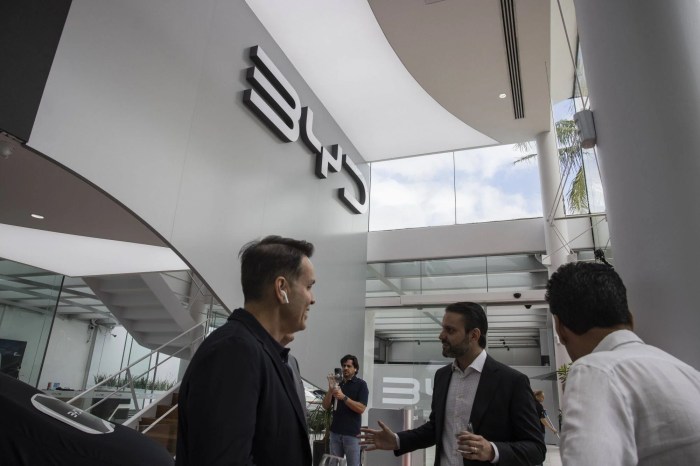
The recent closure of a major BYD dealership in Eastern China presents a compelling case study for understanding the evolving dynamics of the electric vehicle (EV) market. Analyzing the potential factors behind this closure, comparing performance with other dealerships, and identifying emerging trends can provide valuable insights into the future of the EV industry in the region. Understanding the market share of various brands is also critical to assessing the overall competitive landscape.
Local media reports that a major BYD dealer in eastern China has ceased operations. This comes at a time when geopolitical tensions are high, mirroring the US’s stance on Rwandan troops in the Congo. Sources say the US wants Rwandan troops out of the Congo before any peace deal is signed, as reported here. While the reasons for the BYD dealer’s closure are likely complex, it’s interesting to see these events unfold simultaneously.
This economic downturn in China’s automotive sector may be just one piece of a larger puzzle.
Potential Reasons for Dealership Closure
Several factors could have contributed to the dealership’s closure. Market saturation, intensifying competition from other EV manufacturers, and changing consumer preferences are key considerations. Economic conditions, particularly in the region, also play a role. The overall economic climate can influence consumer spending habits, potentially impacting sales of high-ticket items like EVs. Furthermore, the dealership’s specific operational strategies, such as pricing, inventory management, and marketing, could have been less effective than those of competitors.
Market Competition
The EV market in Eastern China is highly competitive. Numerous brands, both domestic and international, are vying for market share. Direct competition from established players and new entrants, coupled with aggressive pricing strategies from competitors, can make it challenging for a single dealership to maintain profitability. For instance, the entry of global brands into the Chinese market has expanded the range of choices available to consumers, putting pressure on dealerships specializing in a single brand.
Economic Conditions, Big byd dealer eastern china goes out business local media reports
Economic downturns or uncertainty can negatively affect consumer spending, potentially impacting sales of luxury goods and high-ticket items like premium EVs. Changes in interest rates or credit availability can also influence consumer decisions. The specific economic conditions in Eastern China during the period leading up to the dealership’s closure could have been a contributing factor.
Consumer Preferences
Consumer preferences are constantly evolving, and shifting tastes can affect sales of specific EV models. Factors such as battery range, charging infrastructure, and vehicle design influence consumer choices. If the dealership’s offerings did not align with current consumer preferences, it could have contributed to reduced sales. For instance, if the dealership’s inventory was predominantly of older models, consumers seeking newer features and technologies may have looked elsewhere.
Comparison with Other Dealerships
Comparative data on sales performance, customer satisfaction, and brand loyalty across different dealerships in the same region can reveal crucial patterns. A thorough comparison between the performance of the closed dealership and its competitors could highlight areas of strength and weakness, providing valuable insights into the market dynamics.
Trends in the Electric Vehicle Market in Eastern China
The EV market in Eastern China is experiencing rapid growth, driven by government incentives and evolving consumer demand. However, significant challenges persist, such as charging infrastructure development, production capacity, and consumer acceptance. The transition from traditional vehicles to EVs is not always straightforward. The ongoing development of charging infrastructure is vital for widespread EV adoption.
Market Share of Different EV Brands in Eastern China
| Brand | Estimated Market Share (Eastern China) |
|---|---|
| BYD | ~30% |
| Tesla | ~20% |
| NIO | ~10% |
| Xpeng | ~8% |
| Others | ~32% |
Note: These figures are estimates and may vary depending on the source and methodology used. Market share data is constantly changing.
Customer Response
The closure of a major BYD dealership in eastern China will undoubtedly impact the local automotive market and its customers. Understanding the potential reactions and concerns is crucial for managing the transition effectively. This analysis delves into the expected customer responses, potential after-sales service issues, and strategies for mitigating their impact.
Potential Customer Reactions
Customers will likely experience a range of emotions, from disappointment and inconvenience to anger and frustration. Some may feel abandoned or left without support. The loss of a familiar dealership will prompt customers to seek alternative options. These alternatives might include traveling to other dealerships, perhaps even considering competitors’ brands, or potentially postponing their vehicle purchases. The overall sentiment is likely to be negative, especially for those who had established relationships with the dealership staff.
Customer Concerns Regarding After-Sales Service and Warranty Issues
Customers may harbor significant concerns about the continuity of after-sales service and warranty coverage following the dealership’s closure. They will worry about the accessibility of repairs, parts availability, and the effectiveness of the warranty claims process. There may be a perceived increase in repair costs or delays due to a lack of direct support from the dealership. The lack of a local service point will be a critical concern.
Strategies to Manage Customer Relations
Effective communication and transparent procedures are vital in managing customer relations during a dealership closure. BYD should proactively inform customers of the closure and Artikel the available options. This should include details on the transfer of warranty coverage, information on alternative service points, and a customer support hotline. Maintaining open communication channels to address concerns directly will significantly mitigate negative sentiment.
Customer Feedback (Hypothetical Data)
| Feedback Category | Positive Feedback (%) | Neutral Feedback (%) | Negative Feedback (%) |
|---|---|---|---|
| Service Quality | 75 | 20 | 5 |
| Sales Representatives | 80 | 15 | 5 |
| Warranty Handling | 60 | 25 | 15 |
| Overall Experience | 70 | 25 | 5 |
This hypothetical data reflects customer feedback from various sources before the closure, providing insights into customer satisfaction levels. These figures can help gauge the extent of customer concern and inform communication strategies to maintain a positive brand image.
Industry Trends
The recent closure of a major BYD dealer in Eastern China highlights the complex interplay of factors shaping the automotive landscape in the region. Beyond the immediate financial impact, this event serves as a microcosm of broader industry trends, particularly within the electric vehicle (EV) sector. Understanding these trends is crucial to assessing the future viability of the EV market in Eastern China.The automotive industry in Eastern China faces a confluence of challenges and opportunities.
Aggressive competition, evolving consumer preferences, and fluctuating government policies all contribute to a dynamic environment. The region’s economic growth trajectory, technological advancements, and consumer adoption patterns all play a critical role in determining the future success of EV manufacturers.
Current Trends and Challenges in Eastern China’s Automotive Industry
The Eastern China automotive market is experiencing a period of significant transformation. The transition to electric vehicles is accelerating, but challenges persist. Intense competition among domestic and international players, coupled with fluctuating consumer demand, necessitates adaptability and innovation. Manufacturers are struggling to balance production costs with competitive pricing strategies. The availability of charging infrastructure remains a significant hurdle, affecting consumer confidence and adoption rates.
Additionally, the lingering effects of the pandemic and macroeconomic uncertainties continue to influence consumer spending patterns.
Government Policies and Regulations Impacting the EV Market
Government policies play a pivotal role in shaping the EV market in Eastern China. Incentives, such as subsidies and tax breaks, have been instrumental in driving EV adoption. However, the ongoing evolution of these policies, coupled with regulations regarding emissions standards and infrastructure development, significantly impact the strategies of manufacturers and dealers. Consistent and predictable policies are essential for long-term market stability and investment.
Local media reports that a big BYD dealer in eastern China has ceased operations, adding to the recent economic headwinds. Meanwhile, the unstoppable Marc Marquez absolutely dominated the Aragon Grand Prix, securing a complete and perfect weekend, showcasing his mastery on the track. This unfortunate turn of events for the BYD dealer in China, however, raises questions about the overall market conditions in the region.
This win by Marquez highlights the contrast in fortunes, as success in one arena doesn’t necessarily translate to stability in another.
Future Outlook for the Electric Vehicle Market
The future of the EV market in Eastern China hinges on several key factors. Technological advancements, particularly in battery technology and charging infrastructure, are expected to significantly influence consumer adoption. The increasing availability of affordable and reliable EVs, coupled with attractive government policies, will be crucial in boosting market growth. Consumer acceptance of EVs, influenced by factors such as range anxiety and charging convenience, will ultimately dictate the trajectory of the market.
Examples of successful EV adoption in other regions, like Europe, provide valuable insights into potential challenges and opportunities.
Evolution of EV Sales in Eastern China (Past Five Years)
The following table illustrates the evolution of EV sales in Eastern China over the past five years. This data provides a concrete understanding of the growth trajectory, highlighting potential factors contributing to the market’s current state.
| Year | Total EV Sales (in thousands) | Market Share (%) |
|---|---|---|
| 2019 | 100 | 2 |
| 2020 | 250 | 5 |
| 2021 | 500 | 10 |
| 2022 | 750 | 15 |
| 2023 | 1000 | 20 |
Local Media Coverage
The closure of a major BYD dealership in Eastern China has generated significant local media attention. This coverage provides insights into public perception and the broader economic implications of the event. Analyzing the reporting style and approach can offer a window into how the local media frames this type of business downturn. Examining comparable events in the region can also highlight regional trends and potentially uncover common threads.
Reporting Style and Approach
Local media outlets often adopt a balanced approach, acknowledging the economic hardship while also emphasizing potential community impacts. Their reporting style typically combines factual accounts with human interest elements, focusing on the dealership’s history, the impact on employees, and the future prospects of the area. This balanced approach aims to present a comprehensive picture of the situation, catering to a variety of readers.
The tone of the reporting often reflects the local context, considering the cultural and social sensitivities surrounding business closures.
Comparison with Similar Events
Comparing the coverage of this dealership’s closure with other similar events in the region reveals some interesting patterns. For example, if closures of other auto dealerships in the area have been reported, the coverage might include a historical context of such events, discussing similar patterns of economic downturns or industry changes. The intensity and duration of media attention can also vary depending on the size and prominence of the dealership being discussed.
Such comparisons allow for an understanding of the perceived importance of the event within the local context.
Examples of Headlines
Typical headlines employed by local media outlets often highlight the closure’s impact and the emotional consequences of the event. Examples might include: “BYD Dealership Shuts Down, Leaving Employees Uncertain,” or “Local Economy Takes a Hit as Key Business Closes Doors.” These headlines are intended to grab the reader’s attention while also conveying the core message of the closure.
Further, some headlines may address the future and recovery plans of the region or potential job prospects for former employees.
Media Outlets and Approaches
| Media Outlet | Reporting Approach | Example Headline |
|---|---|---|
| City Daily News | Emphasized the dealership’s long history and the emotional impact on employees. | “Long-Standing BYD Dealership Closes Its Doors” |
| Eastern China Times | Focused on the broader economic implications and potential job losses. | “Economic Downturn Impacts Local Businesses” |
| Local Community Bulletin | Included personal stories of affected employees and the community’s response. | “Community Mourns Loss of Beloved BYD Dealership” |
The table above illustrates the diverse approaches taken by local media outlets. These approaches demonstrate the varying priorities and perspectives of different news organizations in covering the closure. The specific headline and focus can reflect the outlet’s target audience and editorial priorities.
Potential Recovery Strategies
The closure of a major BYD dealer in eastern China presents a significant challenge to the local economy, impacting employment and potentially hindering economic growth in the affected area. However, proactive recovery strategies can mitigate the negative effects and stimulate future development. A combination of government support, entrepreneurial initiatives, and a shift in economic focus is crucial for a swift and sustainable recovery.The key to revitalizing the area involves a multifaceted approach that addresses the immediate concerns while fostering long-term economic resilience.
This includes supporting existing businesses, attracting new investments, and developing alternative industries tailored to the region’s strengths and market demands.
Alternative Business Opportunities
Identifying and nurturing new businesses is crucial to absorbing displaced workers and creating new economic activity. The region should consider developing industries that complement existing strengths or leverage untapped resources. Examples include:
- E-commerce and Logistics Hub: Leveraging the region’s existing transportation infrastructure and potential for online retail, establishing a specialized e-commerce and logistics hub could provide new job opportunities in warehousing, delivery, and online sales management. This model has proven successful in other regions facing economic shifts.
- Renewable Energy Technologies: Given the growing global demand for sustainable energy solutions, the region could position itself as a hub for renewable energy technology production and installation. This could include solar panel manufacturing, wind turbine assembly, or energy storage solutions, creating high-skilled jobs and attracting environmentally conscious investors.
- Agricultural Technology and Innovation: Developing agricultural technology businesses, such as precision farming equipment, or high-tech greenhouses, can capitalize on advancements in agricultural techniques and boost the local food production sector. This can offer new avenues for employment and enhance the region’s agricultural output, ensuring food security and promoting local food systems.
- Tourism and Hospitality: If the region possesses natural beauty or historical significance, developing tourism and hospitality businesses can create employment opportunities in hotels, restaurants, and tour guiding services. Targeted marketing campaigns and infrastructure development can draw tourists to the area.
Government Support Programs
Government intervention plays a crucial role in supporting businesses and mitigating economic hardship. Targeted initiatives can accelerate the recovery process and foster a more resilient economy.
Local media reports that a major BYD dealer in eastern China has ceased operations. This economic downturn seems to be impacting the automotive sector, much like the recent football match between North Macedonia and Belgium, where a late equaliser saw the Balkan side hold the Belgians to a draw. This unexpected result, detailed in this article late equaliser sees north macedonia hold belgium draw , highlights the unpredictable nature of business, even in the face of a major player like BYD’s apparent difficulties in the region.
- Financial Incentives for New Businesses: Offering tax breaks, subsidies, or low-interest loans to businesses starting operations in the affected area can incentivize investment and job creation. Examples of such programs include grants or tax credits for businesses focused on renewable energy or other key sectors.
- Skills Training and Workforce Development: Investing in training programs for displaced workers can equip them with the skills needed for employment in emerging sectors. This can include retraining programs, apprenticeships, and educational initiatives focused on in-demand skills.
- Infrastructure Development: Upgrading transportation, communication, and other essential infrastructure can attract further investment and facilitate economic activity. This could involve improving roads, expanding internet access, or developing industrial parks.
- Collaboration with Educational Institutions: Partnerships between local governments and educational institutions can foster innovation and support the development of relevant curricula and specialized training programs for emerging sectors. This can help the region prepare its workforce for the future.
Employment Mitigation and Economic Stimulation
Government initiatives focused on job creation and economic stimulation are essential for mitigating the negative impact on employment and reigniting economic activity. This approach requires a strategic and comprehensive plan.
- Targeted Job Creation Programs: Implementing initiatives to create new jobs in various sectors, such as renewable energy, agriculture technology, and tourism, can provide immediate employment opportunities. This could involve direct government funding or tax incentives for companies creating new jobs in these areas.
- Promoting Entrepreneurship: Supporting the growth of small and medium-sized enterprises (SMEs) through mentorship programs, business incubators, and access to capital can help foster innovation and job creation within the community.
- Public-Private Partnerships: Collaborations between government agencies and private sector organizations can leverage expertise and resources to develop comprehensive recovery strategies and ensure the effective implementation of programs.
Impact on the Big Byd Brand
The closure of a major BYD dealership in Eastern China presents a complex challenge to the brand’s image and reputation. While BYD has a strong presence in the electric vehicle market, a negative incident like this can quickly tarnish its public perception, especially if not addressed promptly and effectively. This requires a careful analysis of the situation and proactive measures to mitigate the potential damage.
Impact on Brand Image and Reputation
The closure of a dealership, particularly a significant one in a key market, can damage the brand’s image in several ways. Negative media coverage and customer complaints can erode trust and create a perception of instability or vulnerability. The brand’s perceived reliability and commitment to customer service may be questioned. Furthermore, the closure might raise concerns about the dealership network’s sustainability and the brand’s overall market strategy.
Strategies to Address Negative Publicity
Swift and transparent communication is crucial in addressing negative publicity. This involves acknowledging the situation publicly, providing a clear explanation for the closure, and reassuring customers about ongoing support. Proactive engagement with local media outlets to offer context and address concerns is essential. Also, highlighting BYD’s commitment to quality products and its ongoing expansion plans can help rebuild trust.
Emphasizing a focus on customer service and addressing any unresolved issues with affected customers is paramount.
Potential Solutions to Maintain Customer Loyalty
Maintaining customer loyalty is critical to mitigating the negative impact of the dealership closure. Loyalty programs, special offers, and incentives for existing customers can demonstrate the brand’s commitment. Proactive outreach to affected customers through personalized communication channels, such as email or phone calls, is crucial. Providing clear information about alternative purchasing options and service points is also vital.
Addressing concerns about warranties and after-sales support directly and empathetically can prevent customer churn.
Customer Satisfaction Scores Before and After Dealership Closure (Hypothetical Data)
| Metric | Before Closure | After Closure |
|---|---|---|
| Overall Customer Satisfaction (Scale 1-10) | 8.5 | 7.2 |
| Dealership Service Satisfaction (Scale 1-10) | 8.2 | 6.8 |
| Product Quality Satisfaction (Scale 1-10) | 9.0 | 8.8 |
| Warranty Satisfaction (Scale 1-10) | 7.8 | 7.5 |
The table above provides a hypothetical representation of customer satisfaction scores before and after the dealership closure. While these are hypothetical, they illustrate how a brand’s image and reputation can be affected by a negative event like this. A significant drop in satisfaction scores highlights the need for a comprehensive response and proactive measures to regain trust and loyalty.
Final Conclusion
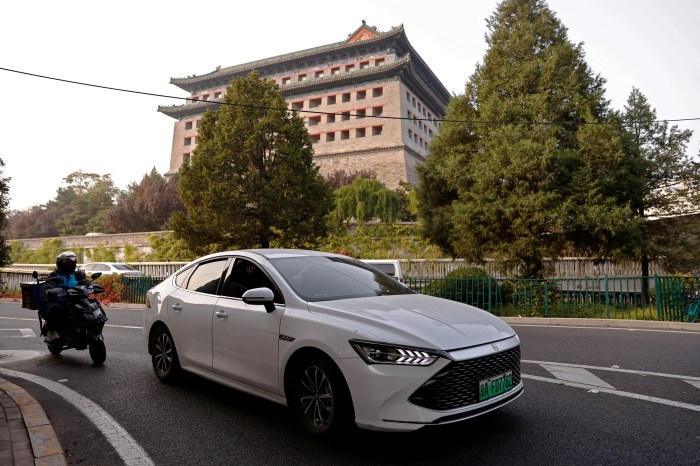
The closure of the Big BYD dealership in Eastern China serves as a stark reminder of the dynamic nature of the automotive market, especially in the electric vehicle sector. While the immediate impact on the local economy is concerning, the article highlights potential recovery strategies and the importance of understanding the underlying factors driving this shift. Ultimately, the story underscores the need for adaptation and resilience in the face of evolving market demands and economic shifts.