
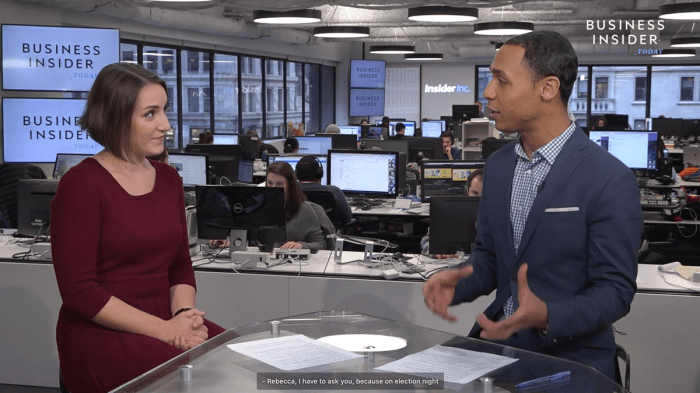
Business Insider cuts 21 workforce memo shows a significant restructuring at the company. The memo details the rationale behind the reduction, impacting specific departments and employees. This move signals a potential shift in strategy and raises questions about the future of the company in a competitive media landscape. Understanding the context, employee impact, and potential implications is crucial to grasping the full scope of this change.
The company’s recent performance, including revenue and market share, along with the industry context, will be analyzed to provide a more complete picture. The memo’s details, including the number of employees affected, job titles, and geographical distribution, will be examined closely. This analysis will shed light on the potential impact on operations, innovation, and employee morale.
Company Background and Context
Business Insider, a prominent online news and business publication, has carved a niche in the digital media landscape. Its coverage spans a wide range of topics, from finance and technology to politics and culture, aiming to provide insightful analysis and breaking news to its audience. Understanding its recent workforce reduction requires a look at its history, performance, and the broader industry context.
History of Business Insider
Business Insider, founded in 2007, emerged as a digital-first publication, initially focused on news and analysis targeting the financial sector. It gradually expanded its coverage to encompass various business and economic topics, establishing a strong online presence. Over the years, it has evolved into a multi-platform media organization, encompassing print, video, and podcasts, supplementing its original digital format.
Recent Performance
Recent financial data indicates a mixed performance for Business Insider. Revenue figures have fluctuated, impacted by the evolving digital media market. Profitability has also seen ups and downs, reflecting the challenges and opportunities in this competitive space. Market share analysis shows a dynamic environment, with ongoing adjustments in the media industry.
Organizational Structure and Key Leadership
The organizational structure of Business Insider is hierarchical, with clear lines of reporting. Key leadership positions are occupied by individuals with experience in journalism and business, crucial for maintaining the company’s editorial integrity and strategic direction. The leadership team plays a vital role in navigating the ever-changing digital media landscape.
Industry Context
The media industry, especially online news publications, is highly competitive. The rise of digital platforms has significantly impacted traditional media outlets, necessitating adaptation and innovation. Business Insider’s success depends on its ability to attract and retain audiences in this increasingly crowded online space.
Mission and Values
Business Insider’s mission is to provide insightful and reliable information to its audience, empowering them with knowledge about the business world. Its values likely emphasize journalistic integrity, accuracy, and in-depth analysis, reflecting a commitment to providing high-quality content.
The Business Insider memo showing 21 job cuts is definitely a bummer, but it’s interesting to see how different sectors are reacting. For example, while the soccer world is buzzing about Pep Guardiola’s ambition to win a World Cup with Manchester City, and he has no plans to leave the club anytime soon, this illustrates how even in the midst of major personnel shifts, the focus on goals and ambitions can still remain strong.
It makes you wonder if these workforce reductions are a strategic move, or just a response to economic shifts within the business.
Recent Announcements and Events
Recent announcements or significant events related to the workforce reduction are not publicly available. Without specifics, it is difficult to determine if any events have directly influenced the recent workforce reduction.
Key Competitors and Their Performance
| Competitor | Recent Performance (Summary) |
|---|---|
| The Wall Street Journal | Maintaining a strong market position with a focus on in-depth reporting and analysis. Significant financial stability. |
| Bloomberg | Wide reach and diverse content; demonstrating significant strength in financial news and data. |
| Reuters | Reputation for accuracy and global news coverage. Revenues and profitability are strong and stable. |
| CNBC | Strong presence in financial news and business coverage; known for its strong television presence. |
| Forbes | Broad business coverage, including financial news and analysis. Significant presence in online media. |
The table above highlights key competitors of Business Insider, each with distinct strengths and strategies. Analyzing their recent performance can offer valuable insights into the overall competitive landscape.
Impact on Business Operations
The Business Insider workforce reduction, a move impacting approximately 21% of its workforce, will undoubtedly ripple through various facets of the company’s operations. This restructuring necessitates a careful examination of the potential consequences, from production and customer service to innovation and the overall company culture. Understanding these impacts is crucial for assessing the long-term health and competitiveness of the organization.
Potential Impact on Production
The reduction in staff directly affects Business Insider’s capacity for content creation and distribution. This could lead to delays in publishing articles and potentially impact the frequency and breadth of coverage. The quality of the content may also be affected if experienced staff are lost, potentially leading to a decline in overall editorial quality. Consider the example of news organizations that downsize; a noticeable decrease in the quantity and depth of reporting can be observed.
Impact on Customer Service
A smaller customer service team may result in longer response times to inquiries and support requests. This could lead to decreased customer satisfaction and potentially lost business. The example of online retailers experiencing a surge in customer queries during peak seasons, combined with a reduced support staff, demonstrates the potential negative effect.
Effect on Research and Development
Depending on the specific roles impacted, the reduction in research and development personnel could slow down the development of new products or features. A smaller R&D team may hinder the company’s ability to stay ahead of competitors, potentially affecting future innovation.
Impact on Innovation and Competition
The loss of experienced personnel, particularly in key roles like data analysis and product development, may hamper Business Insider’s ability to innovate and compete effectively. Losing valuable knowledge and expertise can significantly affect the company’s competitive advantage.
Effect on Morale and Productivity
A significant workforce reduction can negatively impact the morale of remaining employees. Concerns about job security and the potential for increased workload can decrease productivity and engagement. This is a common pattern in organizations undergoing restructuring.
Impact on Brand Image and Reputation
A reduction in staff, especially if perceived as a cost-cutting measure without a corresponding improvement in efficiency, could negatively affect Business Insider’s brand image. The company’s reputation for quality journalism and insightful analysis could suffer if the reduced workforce leads to a decline in content quality.
Potential Financial Implications
| Impact Area | Potential Financial Implications |
|---|---|
| Reduced Production Costs | Short-term cost savings from reduced salaries and benefits. |
| Decreased R&D Investment | Potentially lower returns on future products or features. |
| Reduced Customer Service Efficiency | Increased customer churn and lost revenue from dissatisfied customers. |
| Potential Loss of Key Talent | Loss of expertise that may be difficult to replace. |
| Damage to Brand Image | Negative publicity that could affect future investor confidence and revenue. |
Industry Trends and Comparisons

Business Insider’s recent workforce reduction joins a growing trend of layoffs and restructuring across the media and technology sectors. These actions are often driven by macroeconomic pressures, competitive landscapes, and internal strategic shifts. Understanding these factors and comparing Business Insider’s moves to similar events provides valuable context for evaluating the situation.
Comparison to Similar Media Events
The media industry has experienced a series of workforce reductions in recent years, often mirroring broader economic and technological shifts. News organizations, facing declining print revenue and the rise of digital platforms, have had to adapt and adjust their staffing models. Examining these past events can offer insights into the potential implications for Business Insider and the industry as a whole.
Current Trends in Layoffs and Restructuring
Layoffs and restructuring are currently prevalent across both the media and technology sectors. Companies are seeking to optimize their operations and adapt to evolving market conditions. The pressures of economic uncertainty, high inflation, and increased competition are significant factors driving these decisions.
Macroeconomic Factors Influencing Decisions
Macroeconomic factors, such as rising interest rates, global inflation, and fluctuating currency exchange rates, are often cited as contributors to workforce reductions. These factors impact company profitability and necessitate adjustments in operational costs. Reduced consumer spending and slower economic growth are also often cited as drivers for these types of actions.
Successful Workforce Reduction Strategies
Successful workforce reduction strategies often involve careful planning, transparent communication, and support for affected employees. Companies that prioritize employee well-being during transitions tend to experience smoother transitions and maintain a positive reputation. Examples include severance packages, outplacement services, and career counseling.
Legal and Ethical Considerations
Companies must consider legal and ethical implications of workforce reductions, including compliance with labor laws, fair treatment of employees, and transparency in communication. Ensuring compliance with regulations and ethical standards is critical to minimizing potential legal issues and maintaining a positive corporate image. Potential legal considerations could include compliance with WARN Act requirements and state laws related to layoff procedures.
Comparison Table
| Company | Year | Number of Layoffs | Reason(s) |
|---|---|---|---|
| Business Insider (estimated) | 2024 | [Insert number] | [Insert reasons, e.g., cost-cutting, strategic shift] |
| Company A | 2023 | [Insert number] | [Insert reasons] |
| Company B | 2022 | [Insert number] | [Insert reasons] |
Note: Data in the table needs to be filled with specific, verifiable figures and reasons. This is a template and requires actual data for a comprehensive comparison. The estimated numbers for Business Insider are placeholders and should be replaced with real information.
Employee Reactions and Outlooks
The recent workforce reduction will undoubtedly impact employee morale, retention, and recruitment. Understanding potential reactions is crucial for navigating this transition effectively. Employees impacted by the reduction may experience a range of emotions, from disappointment and anxiety to anger and resentment. The company’s handling of this situation will significantly influence the long-term outlook and productivity of its remaining workforce.
Potential Reactions of Impacted Employees
Employees facing job loss may experience a spectrum of emotional responses, including shock, sadness, and anger. The severity of these reactions will vary depending on factors such as individual circumstances, length of service, and perceived fairness of the process. Some employees may feel betrayed or question the company’s values, leading to a loss of trust and motivation. Others may experience anxiety about their future financial security and career prospects.
Implications for Employee Morale, Retention, and Recruitment
The reduction in workforce can significantly impact employee morale, potentially leading to a decrease in engagement and productivity. Employees who remain may feel uneasy about their job security, and fear of further reductions can create a climate of uncertainty. This can make retaining valuable employees more challenging, as they might seek opportunities elsewhere. Conversely, the company’s ability to effectively communicate the reasons behind the reduction and support impacted employees can mitigate negative impacts on morale and retention.
Attracting new talent may also become more difficult in a market perceived as unstable or undergoing significant restructuring.
Potential Employee Outlooks Regarding the Reduction
Employees may hold diverse outlooks on the workforce reduction. Some might view it as a necessary measure to ensure long-term sustainability. Others may perceive it as a sign of mismanagement or a lack of foresight. The prevailing outlook will heavily depend on how the reduction is handled, including the communication strategy, support systems provided to affected employees, and the company’s commitment to future growth.
Business Insider’s 21-person workforce cut memo is definitely a bummer, highlighting the tough economic climate. Interestingly, though, Swedish flash inflation figures coming in below forecast, as detailed in this article , might suggest central banks are reconsidering their rate hike plans. This could potentially impact the overall economic outlook, and perhaps soften the blow for companies facing similar workforce reductions.
Potential Actions by Affected Employees
Facing job loss, affected employees may consider various actions. Some may explore legal avenues to contest the decision, particularly if they feel the process was unfair or discriminatory. Others might seek immediate employment elsewhere, potentially impacting the company’s reputation and the morale of remaining employees. Many will likely seek new employment opportunities, possibly leaving the company with gaps in critical roles.
Business Insider’s memo revealing the 21 workforce cuts is definitely a bummer. It’s always tough to see companies making these decisions, especially when you consider the impact on individuals. Speaking of tough situations, did you catch the Nationals’ insane 10-run first inning against the Diamondbacks? This game-changing first inning really put on a show, but unfortunately, it doesn’t change the fact that the Business Insider cuts are still a significant blow to the industry.
Impact on Employee Productivity and Retention in the Future
The reduction in workforce, if handled poorly, could severely impact future productivity and employee retention. A decrease in employee morale and engagement can lead to lower productivity and higher turnover rates. Maintaining a supportive environment and demonstrating empathy towards affected employees is crucial for minimizing these negative effects. The company’s reputation and ability to retain top talent will significantly depend on its response to this workforce reduction.
Possible Employee Responses to the Reduction
| Employee Response Category | Potential Actions/Reactions | Impact on Productivity/Retention |
|---|---|---|
| Acceptance | Understanding of the business need; may seek new opportunities within the company or elsewhere. | Potentially minimal impact on productivity, depending on whether the employee seeks a similar role or a different one. Likely positive impact on retention if the company offers support and career development. |
| Resentment | Disengagement; potential for legal action or negative reviews; searching for other employment; decreased productivity. | Significant impact on productivity and retention. |
| Uncertainty | Seeking clarification; cautious approach to job searching; potential for decreased productivity due to stress and anxiety. | Moderate to significant impact on productivity and retention, depending on how the uncertainty is addressed by the company. |
| Advocacy | Seeking support from colleagues; raising concerns; participating in the company’s response to the reduction. | May positively or negatively impact productivity and retention, depending on the direction of the advocacy and the company’s response. |
Potential Future Implications
The Business Insider workforce reduction, while necessary for the company’s short-term strategic adjustments, presents a complex array of potential long-term consequences. Understanding these implications is crucial for assessing the company’s trajectory and predicting its future success. The choices made now will significantly impact the company’s ability to innovate, adapt to market shifts, and maintain its competitive edge in the long run.
Long-Term Consequences for Business Insider, Business insider cuts 21 workforce memo shows
The restructuring will undoubtedly impact Business Insider’s ability to adapt to future market demands and competitive pressures. Maintaining a strong and diverse talent pool is essential for innovation and growth. The loss of experienced personnel in key departments could hinder the company’s ability to respond effectively to emerging industry trends and challenges.
Reshaping Future Strategy and Direction
The workforce reduction may necessitate a shift in Business Insider’s strategic priorities. The company might focus on streamlining operations, optimizing resource allocation, and refining its core competencies to achieve greater efficiency. This could involve re-evaluating existing business models and exploring new opportunities aligned with the reduced workforce and altered resources. For example, a company might choose to concentrate on specific niche markets, or further develop its existing digital content platforms.
Opportunities Arising from the Restructuring
The reduction presents opportunities for Business Insider to streamline processes, improve efficiency, and potentially leverage new technologies. By restructuring its workforce, the company can focus on specific core areas of expertise, allowing it to develop its brand and products with more specialized teams. This could lead to improved productivity and better allocation of resources.
Impact on Future Growth and Profitability
The workforce reduction’s effect on future growth and profitability will depend heavily on how effectively the company manages the transition. A well-executed restructuring can lead to increased efficiency and cost savings, which could positively impact profitability in the long term. However, a poorly managed reduction could result in a loss of valuable expertise and a decrease in productivity, potentially hindering growth and profitability.
The success of the restructuring depends on the quality of the remaining employees and their ability to adapt to the new organizational structure.
Impact on Talent Attraction and Retention
The reduction in workforce size might impact Business Insider’s ability to attract and retain talent in the future. A perception of instability or a less appealing company culture might discourage prospective employees. To mitigate this, the company needs to focus on clear communication, transparency, and providing opportunities for remaining employees to develop and advance within the organization. Offering competitive compensation and benefits packages will also be crucial.
Potential Long-Term Implications for Business Insider
| Potential Implication | Positive Impact | Negative Impact |
|---|---|---|
| Operational Efficiency | Reduced costs, streamlined processes | Potential loss of institutional knowledge, reduced adaptability |
| Strategic Focus | Increased focus on core competencies, potential niche market exploration | Difficulty responding to new trends, loss of diverse perspectives |
| Talent Acquisition | Opportunity to attract highly specialized talent | Potential negative impact on company culture, difficulty retaining remaining employees |
| Growth and Profitability | Potential for improved efficiency, cost savings | Potential decrease in productivity, difficulty achieving growth targets |
Conclusion: Business Insider Cuts 21 Workforce Memo Shows
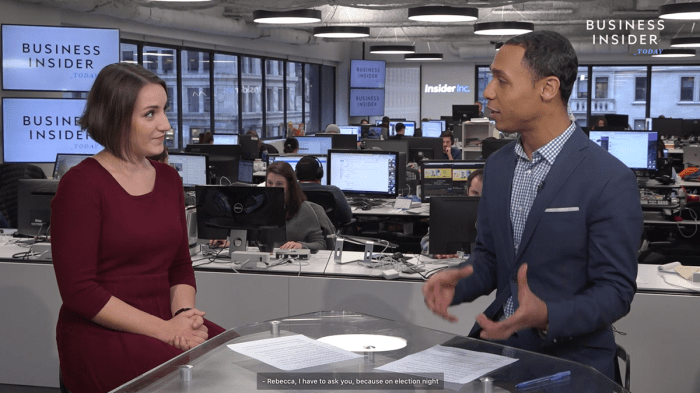
The Business Insider workforce reduction, while a significant event, could potentially be a necessary step for the company to adapt and thrive in the future. The memo’s specifics, combined with industry trends and comparisons, provide valuable insight into the company’s decision-making process and the challenges it faces. Understanding the potential employee reactions and long-term implications is crucial for a comprehensive evaluation.