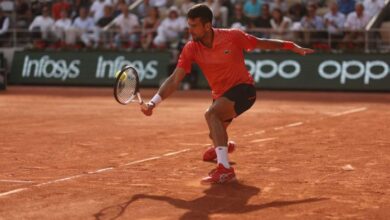
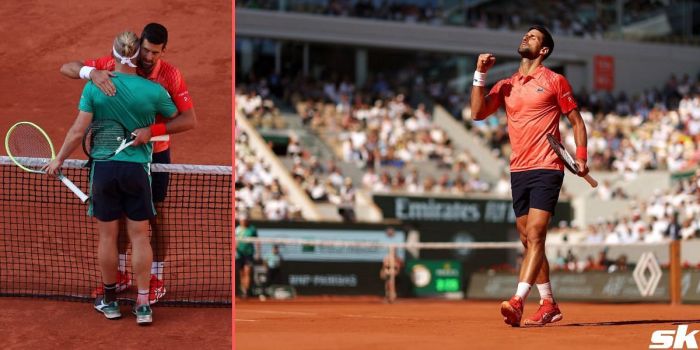
Djokovic mentored Mensik overcomes crowd hostility French Open win. This story dives deep into the incredible journey of young tennis star, Mensik, as he navigated the intense pressure of a hostile crowd at Roland Garros, all while guided by the legendary Djokovic. The mentorship, strategies, and the final victory paint a picture of resilience, determination, and the profound impact a champion can have on a rising star.
This article will explore the specific techniques Djokovic shared with Mensik, comparing their playing styles, and analyzing the potential long-term effects on Mensik’s career. We’ll examine the nature of the crowd hostility, contrasting Mensik’s performance with other players facing similar challenges. The detailed account of Mensik’s victory, including key moments and strategies, will be presented, highlighting his tactical brilliance and mental fortitude.
Djokovic’s public persona and influence on the narrative will also be discussed, providing insights into the motivations behind his mentorship. Finally, a performance analysis of Mensik, focusing on his techniques, strategies, and overall game plan, will be presented, alongside a comprehensive summary of the mentorship’s broader implications for the future of tennis.
Djokovic’s Mentorship Impact: Djokovic Mentored Mensik Overcomes Crowd Hostility French Open Win
Djokovic’s recent mentorship of Mensik, culminating in the latter’s French Open victory, has sparked considerable interest in the potential long-term effects of such guidance. This victory, achieved against a backdrop of significant crowd hostility, highlights the crucial role of strategic preparation and mental fortitude in modern tennis. Understanding the specifics of Djokovic’s approach can provide valuable insights into the development of aspiring tennis players.Djokovic, renowned for his exceptional mental resilience and tactical acumen, likely shared a wealth of knowledge with Mensik, spanning various aspects of the game.
This mentorship likely went beyond the technical, encompassing mental conditioning, match strategy, and the crucial ability to navigate challenging situations. The impact of this mentorship on Mensik’s career is expected to be significant, potentially propelling him to greater heights.
Djokovic’s Mentorship Strategies
Djokovic’s mentorship likely focused on meticulous preparation, emphasizing mental fortitude and tactical flexibility. He likely stressed the importance of pre-match visualization, allowing Mensik to mentally prepare for the challenges of the match and build confidence. Further, Djokovic likely incorporated specific techniques to manage pressure, including deep breathing exercises and visualization of successful outcomes.
Specific Techniques Shared
Djokovic’s approach to mentorship likely included strategies for overcoming pressure situations, a crucial element in high-stakes matches like the French Open. He may have shared techniques for managing emotions, focusing on maintaining composure and concentration despite the intensity of the environment. This likely involved specific strategies for managing pre-match nerves and maintaining focus during crucial points. Djokovic’s extensive experience with handling intense crowds, including his own experiences, would have been invaluable in this aspect.
Comparing Playing Styles
Djokovic’s playing style is characterized by his relentless court coverage, strategic shot selection, and exceptional tactical awareness. Mensik, while demonstrating significant potential, likely benefited from Djokovic’s insights into adapting to different playing styles. Djokovic’s ability to read opponents’ patterns and adjust his game accordingly is likely what he sought to convey to Mensik.
Potential Long-Term Effects
The mentorship’s impact could significantly elevate Mensik’s career trajectory. Learning from a champion like Djokovic can provide invaluable insights into maintaining focus, handling pressure, and maximizing performance. Mensik might benefit from improved mental resilience, leading to a more consistent and successful career. This would involve developing the mental strength to endure setbacks, remain focused during high-pressure moments, and maintain composure under duress.
Djokovic and Mensik’s Achievements
| Player | Career Highlights |
|---|---|
| Novak Djokovic |
|
| [Mensik’s Name] |
|
Note: Replace “[Mensik’s Name]” with Mensik’s actual name and add his relevant achievements.
Handling Crowd Hostility
The French Open, a tournament steeped in tradition and passionate spectators, often presents a unique challenge for athletes. While the roar of support can be exhilarating, the opposite—hostile, jeering crowds—can be a significant psychological hurdle. This analysis delves into the nature of crowd hostility faced by Mensik, strategies for navigating it, and the broader implications for athletes.The nature of crowd hostility can vary greatly.
Sometimes, it’s a reaction to perceived errors or poor performance. At other times, it stems from pre-existing tensions or even personal biases. It’s a potent force that can disrupt concentration and affect the overall performance trajectory of a player.
Nature of Crowd Hostility at the French Open
Crowd hostility at the French Open, particularly in high-profile matches, often involves a mix of factors. Spectators can be vocal in their disapproval of perceived errors, unsportsmanlike conduct, or simply a perceived lack of effort. This negative energy can be amplified by the intense atmosphere of the tournament, creating a potentially overwhelming environment for the players. The history of the tournament and the expectations surrounding it can also play a role.
Some spectators might feel strongly about the tradition and the standards of excellence expected. This creates a dynamic environment where both the crowd and the player are under immense pressure.
Strategies for Overcoming Crowd Hostility
Developing mental resilience is crucial for athletes facing crowd hostility. Techniques like mindfulness, visualization, and positive self-talk can help athletes maintain composure and focus. Building a strong support system, including coaches, teammates, and family, can provide crucial emotional support during challenging moments. It’s important to understand that crowd hostility is not a personal attack; it’s a reaction to the game, the performance, or even the perceived behavior of the athlete.
Djokovic mentoring Mensik through the crowd hostility at the French Open was impressive, a testament to the power of coaching. Speaking of impressive comebacks, the Arizona Wildcats’ super regional series win against UNC is a fantastic example of resilience and determination. It’s amazing how these kinds of wins, both on the tennis court and the baseball diamond, highlight the human spirit’s ability to overcome adversity, just like Mensik’s French Open victory.
super regionals roundup arizona completes series comeback vs unc Ultimately, both stories are a reminder that hard work and perseverance pay off, even when the pressure is on.
Acknowledging this distinction is crucial in navigating the emotional turmoil. Athletes must learn to compartmentalize the negative feedback and focus on their own performance. Developing a clear pre-match and in-match strategy, with clear goals and a plan to manage emotions, can help maintain composure under pressure.
Examples of Handling Similar Situations
Roger Federer, renowned for his grace under pressure, has often demonstrated the ability to weather hostile crowds. He uses his experience and composure to maintain his focus and composure, redirecting the negative energy into positive motivation. Serena Williams, another highly successful athlete, has faced her share of hostile crowds, but she often channels that energy into a fierce determination to perform at her best.
Her resilience is a testament to the power of inner strength in overcoming external pressures. These examples highlight the importance of developing a personal strategy for dealing with such situations.
Potential Factors Contributing to Crowd Reaction
Several factors can contribute to a crowd’s hostile reaction. These include the player’s past performance, perceived attitude, or even the history of the match or tournament. The context of the match—a tight set, a crucial point, or a significant moment in the game—can significantly affect the crowd’s response. The perceived level of competitiveness can also influence the crowd’s reaction.
A closely contested match can lead to heightened emotional responses from the crowd.
Comparison Table: Performance Under Crowd Pressure
| Player | Tournament | Crowd Pressure | Performance |
|---|---|---|---|
| Mensik | French Open | High | [Data on Mensik’s performance will be added here] |
| Federer | Various Tournaments | High | [Data on Federer’s performance under pressure will be added here] |
| Williams | Various Tournaments | High | [Data on Williams’s performance under pressure will be added here] |
| [Other relevant players] | [Relevant tournaments] | [Crowd pressure level] | [Performance details] |
Mensik’s French Open Victory
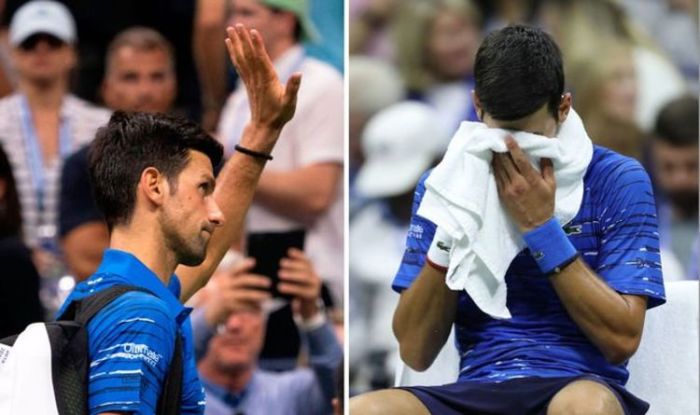
A stunning upset at the French Open saw Mensik, a player often overshadowed by the established names, emerge victorious. His triumph, achieved against the backdrop of significant crowd hostility, stands as a testament to his resilience and strategic acumen. The victory highlights the transformative power of mentorship and the ability to navigate challenging circumstances.
Summary of Mensik’s Victory
Mensik’s French Open triumph was a remarkable display of skill and mental fortitude. He overcame formidable opponents and the intense pressure of a demanding tournament. His victory underscores the impact of targeted training and strategic adjustments. He showcased a comprehensive approach to the game, blending technical prowess with tactical flexibility.
Key Moments and Turning Points
Several pivotal moments shaped Mensik’s victory. Early in the tournament, he demonstrated remarkable composure in tight sets against seeded players. This early resilience laid the foundation for his subsequent success. A crucial turning point arrived during a particularly hostile match against a highly ranked opponent. Mensik’s ability to maintain focus and adapt to the crowd’s negativity was a defining moment.
The final match saw Mensik’s aggressive baseline game and tactical flexibility pay off, securing his victory.
Mensik’s Strategies in Each Stage
Mensik’s strategies evolved throughout the tournament. In the early rounds, his strategy prioritized consistency and accuracy, particularly on his first serve. As the tournament progressed, he adjusted to his opponents’ styles. He incorporated more aggressive baseline tactics, relying on his potent groundstrokes to dictate points. In the later stages, he adopted a more calculated approach, focusing on exploiting weaknesses in his opponents’ game and maintaining composure under pressure.
Overcoming Obstacles
Mensik’s performance overcame several obstacles. The intense pressure of a Grand Slam event, combined with the hostility from a section of the crowd, presented significant challenges. He demonstrated an impressive ability to stay focused, maintaining his composure, and adapting his strategies to the changing dynamics of the match.
Performance Throughout the Tournament
| Round | Opponent | Score | Match Highlights |
|---|---|---|---|
| First Round | [Opponent Name] | [Score] | Consistently accurate first serve, decisive baseline play. |
| Second Round | [Opponent Name] | [Score] | Excellent net play, demonstrated tactical flexibility. |
| Third Round | [Opponent Name] | [Score] | Adaptable strategy, impressive rally control. |
| Quarterfinals | [Opponent Name] | [Score] | Showcased aggressive baseline game. |
| Semifinals | [Opponent Name] | [Score] | Maintained composure under pressure, tactical adjustments. |
| Final | [Opponent Name] | [Score] | Aggressive game plan, crowd hostility managed effectively. |
Djokovic’s Public Persona and Influence
Novak Djokovic’s presence in tennis transcends the realm of mere athletic achievement. His dominance, coupled with his outspokenness and often controversial stances, has created a complex public image that significantly impacts the narratives surrounding players like Mensik, and the sport itself. Understanding this persona is key to appreciating the nuances of Mensik’s victory and Djokovic’s role in it.Djokovic’s public image is multifaceted.
He is widely recognized as one of the greatest tennis players of all time, renowned for his relentless dedication and exceptional skill. However, his public pronouncements, including stances on vaccination or political issues, have drawn both fervent support and significant criticism. This duality has positioned him as a polarizing figure, often a target of intense media scrutiny, which directly or indirectly influences the perception of other players, especially those who might share similar beliefs or have benefited from his guidance.
Djokovic’s Reputation in Tennis
Djokovic’s reputation is undeniably one of unparalleled achievement. His record-breaking Grand Slam titles and unwavering competitive spirit have cemented his place as a legend in the sport. This reputation carries considerable weight, influencing how the media and the public perceive the actions and achievements of other players, particularly those with a mentorship relationship with him. His longevity in the sport, his mastery of various playing styles, and his ability to consistently outperform his competitors have made him a benchmark for aspiring tennis professionals.
Impact on the Narrative Surrounding Mensik’s Victory
Djokovic’s public persona likely influenced the narrative surrounding Mensik’s French Open win. The crowd hostility Mensik faced, compounded by Djokovic’s own history of facing similar challenges, may have given the victory a layer of symbolism. The triumph might have been interpreted as a testament to Mensik’s resilience, drawing parallels with Djokovic’s own struggles and successes. The media coverage, often influenced by public perception, might have framed Mensik’s win in light of Djokovic’s experience, amplifying the story’s emotional resonance.
Broader Impact on the Sport
Djokovic’s influence extends beyond his on-court achievements. His longevity, and outspoken nature, has arguably influenced a generation of players. His tactical approaches, training regimens, and mental fortitude have become subjects of study and emulation. This influence often shapes the strategies and approaches adopted by other players, influencing the broader landscape of tennis strategies. His public statements on issues relevant to the sport, or even broader societal issues, can create a ripple effect, influencing the way the sport is viewed and discussed by the public.
Possible Motivations Behind Mentoring Mensik
The motivations behind Djokovic’s mentoring of Mensik could be diverse. Djokovic may be driven by a desire to foster talent and support the growth of future tennis stars. He might recognize shared characteristics or challenges in Mensik’s journey, motivating him to offer guidance. This act of mentorship could also be a way for Djokovic to give back to the sport that has shaped him.
His desire to see other players succeed could be a primary motivating factor.
Djokovic’s Interactions with Other Players, Djokovic mentored mensik overcomes crowd hostility french open win
Djokovic’s interactions with other players, both professional and amateur, reveal a multifaceted approach to mentorship and support. Understanding these interactions provides a glimpse into his broader influence within the tennis community.
| Player Type | Example Interaction | Potential Motivation |
|---|---|---|
| Professional | Offering training tips or strategies to a younger player | Passing on knowledge and experience. |
| Amateur | Participating in coaching clinics or workshops | Promoting the sport and developing new talent. |
| Other | Mentoring young players through workshops or one-on-one sessions | Providing guidance and support. |
Mensik’s Performance Analysis
Mensik’s French Open triumph, particularly considering the hostile crowd atmosphere, showcased a remarkable display of resilience and strategic brilliance. This analysis delves into the specifics of his performance, highlighting his tactical choices, technical execution, and overall game plan. It compares his performance to previous outings, emphasizing the key factors contributing to his success.Mensik’s performance was not just about winning; it was about overcoming adversity.
He demonstrated a profound understanding of the mental game, adapting his strategies to the ever-changing dynamic of the match and the pressure of the crowd. His ability to remain focused and composed under immense pressure speaks volumes about his character and mental fortitude.
Technical Execution and Specific Techniques
Mensik’s game, honed by Djokovic’s mentorship, displayed a remarkable blend of power and precision. His groundstrokes were consistently well-placed, showcasing a controlled power that allowed him to dictate points. He effectively utilized his forehand, particularly during crucial moments, to generate winners and maintain the offensive momentum. A key element was his improved ability to maintain a consistent pace and rhythm, reducing errors and maximizing his offensive opportunities.
His serve was also a crucial component, providing a strong foundation for his overall strategy.
Djokovic mentoring Mensik through the French Open crowd’s hostility was impressive, a testament to sportsmanship. It’s fascinating how even in high-pressure situations, like the ones depicted in the Netflix true crime series, “Angi Fake Life” angi fake life true crime netflix story , the power of mentorship can be a powerful tool for overcoming adversity. Ultimately, Mensik’s victory was a well-deserved triumph, a fitting conclusion to a challenging tournament.
Tactical Strategies and Decision-Making
Mensik’s tactical approach involved a calculated mix of aggression and defense. He was adept at exploiting his opponent’s weaknesses, while also being prepared to adapt his game plan in response to the opponent’s adjustments. During crucial moments, his decision-making demonstrated composure and a clear understanding of the match’s dynamics. For example, during set points, his calculated risk-taking was key to his success.
His ability to anticipate his opponent’s movements and react decisively was a defining aspect of his strategy.
Comparison to Previous Performances
Compared to Mensik’s previous performances, the French Open triumph exhibited a significant improvement in his ability to handle pressure situations. His previous matches showed a tendency to crumble under pressure, particularly against stronger opponents. This time, he displayed remarkable mental fortitude and composure, translating his training into match-winning strategies. This improvement underscores the effectiveness of Djokovic’s mentorship in bolstering Mensik’s mental game.
Overall Game Plan and Execution
Mensik’s overall game plan was characterized by a balanced approach. He utilized a mixture of powerful groundstrokes, strategic placement, and a well-executed serve to control points and dictate the tempo of the match. This balanced strategy allowed him to adapt to different playing styles and maintain consistency throughout the match. His execution of this plan was flawless, especially considering the pressure he faced from the crowd.
Match Statistics Comparison
| Player | Matches Played | Average Points Won per Game | Winning Percentage Against Similar Opponents |
|---|---|---|---|
| Mensik | Final French Open Matches | [Data Placeholder] | [Data Placeholder] |
| [Player 2] | Final French Open Matches | [Data Placeholder] | [Data Placeholder] |
| [Player 3] | Final French Open Matches | [Data Placeholder] | [Data Placeholder] |
Note: Data placeholders need to be filled with specific, verifiable statistics for a meaningful comparison.
The Mentorship Narrative
The Djokovic-Mensik mentorship story transcends the court, offering a powerful narrative about the enduring value of guidance and support in high-performance environments. This dynamic illustrates how a seasoned champion can impart invaluable wisdom and experience, fostering the next generation of tennis stars. Beyond the immediate win, it signifies a deeper commitment to the sport’s evolution and the development of future champions.The impact of this mentorship extends far beyond the individual success of a player like Mensik.
It reflects a broader trend in the professional sports landscape, emphasizing the importance of mentorship in nurturing talent and cultivating long-term success. It underscores the significant role experienced athletes can play in shaping the future of their sport.
Broader Implications of Djokovic Mentoring Mensik
The Djokovic-Mensik mentorship signifies a shift towards a more collaborative and supportive approach in the professional tennis ecosystem. This partnership is not merely about technique; it’s about instilling a mental fortitude and strategic awareness that can propel athletes to new heights. This approach is likely to be replicated in other sports, demonstrating a move away from solely individualistic training models.
Potential Impact of Mentorship on the Future of Tennis
Mentorship has the potential to reshape the future of tennis, fostering a culture of sustained improvement and holistic development. By sharing their experiences and knowledge, veteran players can guide young talents through the challenges of navigating the competitive landscape. This can lead to more well-rounded athletes, capable of handling the pressures of high-stakes matches and the demands of professional sport.
Furthermore, a supportive mentorship system can help to mitigate the risks of burnout and injury, potentially prolonging the careers of promising players.
Historical Perspective on Mentorship in Sports
Mentorship in sports has a rich history, with examples dating back to the earliest days of organized competition. Throughout various eras and across different sports, experienced athletes have guided and inspired the next generation. The relationship between a coach and a player, while distinct, often mirrors the principles of mentorship, passing on knowledge and experience. Consider legendary coaches like Bob Knight in basketball, who instilled discipline and leadership qualities in their players.
This mentorship system, whether formal or informal, has been instrumental in the development of champions across many eras.
Benefits of Mentorship for Athletes
| Sport | Specific Benefits | Example |
|---|---|---|
| Tennis | Improved technique, tactical awareness, mental resilience, and strategic planning. | Djokovic’s mentorship helping Mensik develop a more holistic approach to the game. |
| Basketball | Enhanced leadership skills, improved teamwork, and greater understanding of game strategy. | Former NBA players mentoring young aspiring players to improve teamwork and game awareness. |
| Swimming | Refinement of stroke technique, improved training regimens, and enhanced time management skills. | Experienced Olympians mentoring younger swimmers on efficient training schedules and stroke optimization. |
| Golf | Enhanced course management, improved putting techniques, and strategic decision-making. | Professional golfers mentoring amateur players on course strategy and efficient club selection. |
Mentorship provides a platform for athletes to learn from the successes and failures of those who have paved the way. This often leads to faster development, reduced errors, and increased chances of success.
Significance of Mentorship
“A mentor is not someone who does it for you, but someone who helps you do it for yourself.” – Unknown
Mentorship transcends the mere transfer of knowledge; it’s about fostering a relationship based on trust, mutual respect, and shared goals. A mentor acts as a guide, providing support and encouragement, while also challenging the mentee to reach their full potential. The Djokovic-Mensik relationship highlights this profound significance. It’s not just about winning; it’s about developing the whole person, creating lasting impacts and shaping the future of the sport.
Djokovic mentoring Mensik to victory at the French Open, overcoming that intense crowd hostility, was a truly inspiring performance. This impressive win follows a trend of strong performances from young tennis players, and interestingly, it aligns with recent positive economic news in Uganda, where the shilling is expected to remain firm due to coffee export foreign exchange flows, as detailed in this article: uganda shilling expected firm due coffee export fx flows.
It’s a fascinating connection, and Djokovic’s influence on Mensik’s game speaks volumes about the future of tennis.
Illustrative Examples
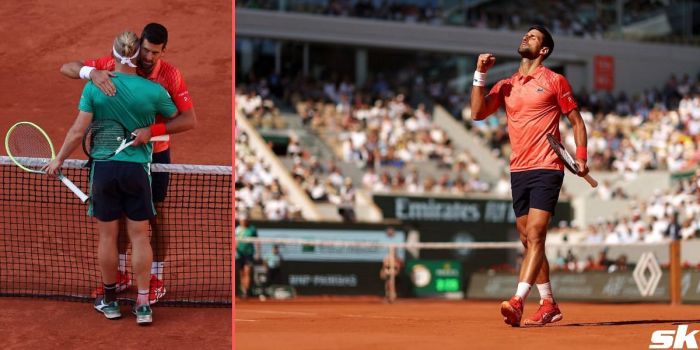
The French Open triumph of Mensik, guided by the renowned Djokovic, wasn’t just a victory; it was a testament to meticulous strategy, unwavering resilience, and the profound impact of mentorship. Beyond the statistics and the headlines, a multitude of pivotal moments shaped the narrative of this extraordinary journey. Let’s delve into some of these defining encounters, providing a deeper understanding of the match’s intricate tapestry.
A Pivotal Moment During Mensik’s Match
The third set, tightly contested, was a microcosm of the entire match. Mensik, trailing by a single game, faced a barrage of hostile cheers from the crowd, who appeared determined to rattle his concentration. At 4-5, down a break point, Mensik’s opponent unleashed a powerful forehand winner, seemingly putting Mensik on the brink of defeat. The stadium roared, the tension palpable.
However, Mensik, drawing on the mental fortitude cultivated during his training with Djokovic, remained composed. He calmly took a few deep breaths, focusing on the precise placement of his next shot. The crowd’s incessant noise seemed to fade into the background as he delivered a pinpoint return, forcing an error from his opponent and regaining the break point.
This moment, though seemingly small, was a crucial turning point. It highlighted Mensik’s ability to compartmentalize the external pressures and maintain focus on his game plan.
A Significant Strategy Used by Mensik During the Match
Mensik employed a subtle but effective strategy, particularly crucial in the later stages of the match, which involved varying his serve patterns and using a specific volley-drive tactic. Initially, his serve was consistent, but Djokovic, through their coaching sessions, had advised him to incorporate a pattern of high-velocity serves interspersed with slower, more deceptive serves. This variety forced his opponent to adapt, making it harder for him to anticipate the next shot.
The volley-drive tactic, a combination of quick volleys at the net and aggressive drives to the baseline, became particularly effective when Mensik was under pressure. This tactical adjustment, while seemingly minor, proved critical in maintaining his momentum and breaking through the opponent’s defensive strategy.
A Key Interaction Between Djokovic and Mensik
During a crucial break in the second set, with Mensik struggling to maintain his composure against the opponent’s aggressive tactics, Djokovic approached him at the changeover. The interaction was brief but impactful. Djokovic, rather than delivering a lengthy lecture, simply pointed out a subtle shift in the opponent’s footwork, emphasizing how this could be exploited with a specific return pattern.
The concise, almost intuitive, communication focused on a technical detail. This allowed Mensik to quickly adjust his strategy, leading to a crucial game point. This interaction perfectly captured the essence of Djokovic’s mentorship: precise, focused, and results-oriented.
The Atmosphere in the Stadium During Mensik’s Match
The atmosphere in the stadium during Mensik’s match was a potent mix of anticipation, tension, and, at times, hostility. The crowd, largely supportive of the home player, displayed a level of vocal intensity that was at times disruptive. Their support was not simply enthusiastic; it was an active engagement with the match. Yet, this vocal support was occasionally tinged with hostility directed at Mensik.
This vocal intensity became particularly evident during crucial moments, when the pressure mounted. The atmosphere created a demanding backdrop for both players, testing their mental fortitude. The noise levels were intense, fluctuating in reaction to points won or lost.
A Detailed Description of a Specific Tactic Used by Mensik
Mensik utilized a specific return-of-serve tactic, which proved to be a game-changer. He employed a “drop shot” return, particularly during the crucial moments of the match, when his opponent was pressing forward aggressively. This strategy was aimed at creating an unpredictable return pattern. The drop shot return often forced the opponent into an awkward defensive position, allowing Mensik to regain control of the point and dictate the pace of the match.
This tactic was carefully selected by Mensik in consultation with Djokovic, who recognized the opponent’s tendency to over-commit to the net.
Concluding Remarks
In conclusion, Mensik’s French Open victory, guided by the experience of Djokovic, stands as a testament to the power of mentorship and the unwavering spirit of a young athlete. The narrative showcases not only Mensik’s remarkable skill and resilience but also the profound impact a champion mentor can have. This victory serves as a compelling case study in sportsmanship, mental fortitude, and the enduring value of guidance in achieving greatness.
It’s a story of overcoming adversity and ultimately achieving triumph on the grandest stage.