Germany shifts tone israel over incomprehensible gaza carnage. This escalating crisis in Gaza demands a serious look at Germany’s evolving relationship with Israel. The historical ties between the two nations, previously marked by a certain diplomatic tone, are now undergoing a significant shift. This change seems directly tied to the devastating humanitarian crisis unfolding in Gaza, prompting a reevaluation of past approaches.
What specific events triggered this alteration in perspective, and what potential consequences might arise for both regional and international relations?
The current situation in Gaza is marked by immense suffering. A complex interplay of factors has led to the current conflict, with differing perspectives among key players. Understanding the background, the humanitarian impact, and the diverse viewpoints is crucial for comprehending the root causes and potential resolutions.
Germany’s Shifting Stance
Germany’s relationship with Israel, historically characterized by strong ties, has undergone a noticeable shift in recent years, particularly regarding the Israeli-Palestinian conflict and the ongoing Gaza crisis. This shift reflects a complex interplay of factors, including evolving geopolitical dynamics, domestic political pressures, and the escalating humanitarian crisis in Gaza. The previous diplomatic tone Germany adopted towards Israel is now being re-evaluated, prompting scrutiny of past statements and actions.The historical relationship between Germany and Israel has been marked by a complex and often ambivalent dynamic.
While Germany has consistently expressed support for Israel’s security, there have been periods of tension, particularly regarding Germany’s historical responsibility and its approach to the Israeli-Palestinian conflict. This historical context underscores the importance of understanding the factors driving Germany’s current stance.
Historical Context of the German-Israeli Relationship
Germany’s historical relationship with Israel has been characterized by a combination of remorse for past atrocities, support for Israel’s security, and a desire to maintain a strong diplomatic relationship. This has translated into a relatively supportive stance towards Israel, often emphasizing the importance of a two-state solution and the need for peace.
Previous Diplomatic Tone
Germany’s previous diplomatic tone towards Israel often emphasized the importance of a two-state solution, security for both sides, and a commitment to international law. Statements focused on the need for peaceful resolution and the condemnation of violence, often aligning with international consensus.
Examples of Past Statements and Actions
Germany has consistently condemned violence in the Israeli-Palestinian conflict and expressed support for a two-state solution. Official statements and diplomatic efforts often highlighted the importance of dialogue and cooperation between both sides. German politicians and diplomats have frequently visited both Israel and Palestine, seeking to facilitate dialogue and understanding.
Comparison of Current and Previous Stances
The current German stance has become more critical of Israeli policies, particularly regarding the recent events in Gaza. While the previous focus remained on a two-state solution and condemnation of violence, the current tone acknowledges a greater need to address the humanitarian crisis and holds Israel accountable for its actions.
Potential Factors Influencing the Shift
Several factors could be contributing to Germany’s shift in tone, including increased domestic pressure to address the humanitarian crisis in Gaza, a growing awareness of the negative consequences of the conflict on the Palestinian population, and a desire to maintain a balanced and neutral position within the international community.
Specific Events Triggering the Change
The recent escalation of violence in Gaza, characterized by intense fighting and a devastating humanitarian crisis, appears to be a key trigger for the shift in Germany’s tone. The scale of suffering and the disproportionate impact on civilians have pushed Germany to re-evaluate its previous stance.
Evolution of German Rhetoric Regarding the Gaza Conflict
Germany’s rhetoric regarding the Gaza conflict has evolved from a focus on general condemnation of violence to a more specific criticism of Israeli actions, including the blockade of Gaza and the impact on civilians. This evolution reflects a growing concern over the humanitarian consequences of the conflict and a perceived need for greater accountability.
The Gaza Carnage
The recent escalation in Gaza has brought immense suffering to the Palestinian population. The intensity of the conflict, the overwhelming humanitarian crisis, and the stark contrast in perspectives highlight the complexities of this ongoing struggle. Understanding the context, key events, and the diverse viewpoints involved is crucial to grasping the depth of this tragedy.
The Current Situation in Gaza
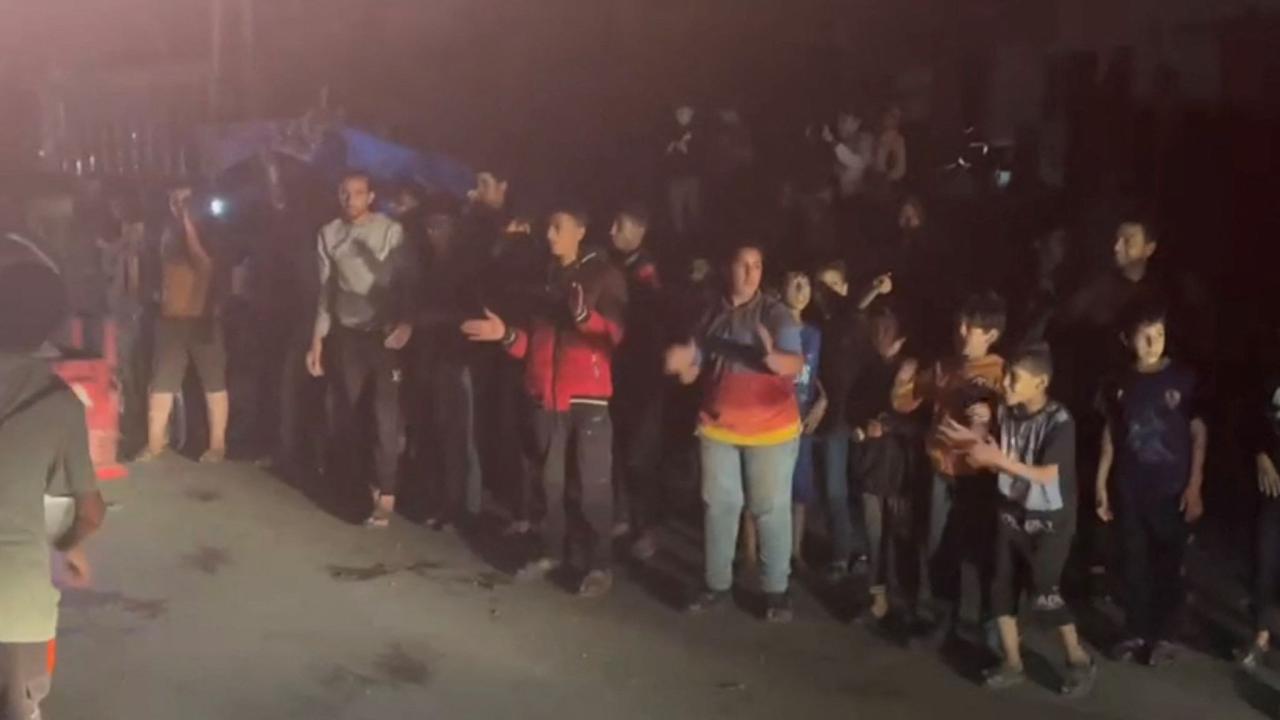
Gaza, a densely populated Palestinian territory, is currently experiencing a severe humanitarian crisis. The ongoing conflict has resulted in widespread destruction of infrastructure, including homes, hospitals, and schools. The disruption of essential services, such as water and electricity, has further exacerbated the suffering of the civilian population. The conflict’s impact extends beyond physical damage, impacting mental health and social well-being.
The situation requires immediate and sustained international intervention to address the dire needs of the affected population.
Key Events Leading Up to and During the Conflict
The recent escalation stemmed from a complex series of events, including tensions related to border crossings, the presence of armed groups, and ongoing political disputes. Specific incidents, such as the escalation of rocket fire and military responses, marked the beginning of the current conflict. These events unfolded over a period of time, characterized by escalating tensions and a gradual increase in violence.
The sequence of events leading up to the current crisis demonstrates the interconnected nature of regional conflicts and the importance of finding peaceful resolutions.
The Humanitarian Crisis in Gaza
The humanitarian crisis in Gaza is characterized by a significant loss of life, widespread displacement, and the destruction of vital infrastructure. The conflict has severely strained the existing healthcare system, making access to medical treatment difficult, if not impossible, for many. The shortage of essential supplies, such as food and clean water, is impacting the health and well-being of the affected population.
The humanitarian situation requires urgent intervention to provide essential aid and support to those in need.
Different Perspectives on the Conflict
Diverse perspectives exist regarding the conflict in Gaza. Different parties, including governments, armed groups, and international organizations, have varying interpretations of the events and the actors involved. These differing perspectives often reflect differing political agendas and historical grievances. Examining these perspectives provides a more comprehensive understanding of the multifaceted nature of the conflict.
Impact on the Region
The conflict in Gaza has had a significant impact on the entire region. The ongoing violence and humanitarian crisis have created instability and uncertainty. The disruption of economic activity and the displacement of populations have negatively affected the stability and security of neighboring countries. The regional impact extends beyond the immediate conflict zone, impacting the stability and prosperity of the surrounding nations.
Germany’s shift in tone towards Israel over the horrific Gaza situation is deeply concerning. It’s a stark reminder of the complexities surrounding international relations and the need for diplomacy. Meanwhile, Elon Musk’s controversial White House moments and the Doge departure saga highlight a different kind of power struggle, albeit one more focused on social media and business.
Ultimately, the situation in Gaza demands a unified global response, not just from Germany but from the international community, and hopefully, from those who can influence global politics as much as Elon Musk can. elon musk controversial white house moments doge departure
Role of Various Actors in the Conflict
Multiple actors are involved in the conflict, each playing a distinct role. These actors include the Palestinian armed groups, the Israeli military, and various international actors. The actions and policies of these actors have contributed to the escalation of the conflict and the humanitarian crisis. Understanding the role of each actor provides a framework for analyzing the multifaceted nature of the conflict.
Key Players Involved
| Player | Role | Position | Further Notes |
|---|---|---|---|
| Palestinian Armed Groups | Armed resistance | Defending Palestinian territory | Diverse groups with varying goals and ideologies. |
| Israeli Military | Military response | Securing Israeli borders | Operates under Israeli government directives. |
| International Organizations | Providing aid | Humanitarian relief | UN, Red Cross, etc., working to mitigate the crisis. |
| Regional Governments | Mediation/intervention | Maintaining regional stability | Varying degrees of involvement and influence. |
Resources for Further Reading
- United Nations Office for the Coordination of Humanitarian Affairs (OCHA) reports on the Gaza conflict provide detailed information on the humanitarian crisis.
- Reports from human rights organizations offer insights into the human cost of the conflict and the violation of human rights.
- Academic articles and analyses from respected institutions offer in-depth examinations of the historical, political, and social factors contributing to the conflict.
- News articles from reputable news sources provide real-time updates and analyses of the ongoing events.
Analysis of the Shift
Germany’s recent shift in tone regarding the Gaza conflict reveals a complex interplay of domestic and international pressures. The escalating violence and humanitarian crisis have forced a reevaluation of previously held positions, raising questions about the future of German foreign policy and its relationship with Israel. This analysis delves into the potential motivations, consequences, and broader implications of this evolving stance.The recent surge in criticism of Israel’s actions in Gaza, particularly from German politicians and commentators, suggests a growing concern over the humanitarian cost of the conflict.
This shift is not solely a reaction to the immediate crisis but reflects broader anxieties about the long-term stability of the region and the efficacy of current diplomatic efforts.
Germany’s shift in tone towards Israel regarding the Gaza carnage is definitely noteworthy. It seems the international community is finally recognizing the severity of the situation. Meanwhile, interesting news in the business world has surfaced, with Ad Group WPP announcing Mark Read’s retirement as CEO at the end of the year. This news doesn’t directly relate to the Gaza conflict, but it does highlight the ongoing shifts in global leadership and business.
Still, the escalating situation in Gaza remains a major concern, and Germany’s stance is a critical development.
Potential Motivations Behind Germany’s Change
Germany’s shifting stance is likely driven by a combination of factors. Public pressure, fueled by the widespread condemnation of the violence and the dire humanitarian situation, plays a significant role. Concerns about the long-term consequences of the conflict, including potential regional instability and the rise of extremism, also contribute to the shift. The desire to maintain a strong role in international diplomacy and contribute to a peaceful resolution further motivates the change in approach.
Potential Consequences of the Shift, Germany shifts tone israel over incomprehensible gaza carnage
This shift in tone could have significant consequences for both Germany and the broader international community. Germany risks damaging its relationship with Israel, a long-standing partner and ally, potentially impacting future cooperation on various issues. Conversely, the new approach could strengthen Germany’s standing as a voice for human rights and international humanitarian concerns, appealing to a wider international audience.
The potential for further escalation in the conflict due to the new German stance cannot be ruled out.
Comparison with Other Major European Powers
Comparing Germany’s stance with other major European powers reveals a range of approaches. Some countries have adopted a more critical tone towards Israel, while others maintain a more balanced or supportive stance. The variations reflect differing historical, political, and economic ties with Israel and varying levels of public pressure. The contrasting perspectives highlight the complex dynamics at play in the European Union’s response to the crisis.
Potential Impact on International Relations
The shift in Germany’s tone has the potential to influence international relations in several ways. It could encourage other nations to adopt a more critical perspective on Israel’s actions, potentially leading to a more unified international response to the conflict. Alternatively, it could create further divisions within the international community, with some nations continuing to support Israel. The shift also may impact future diplomatic efforts, potentially hindering or facilitating peace talks.
Nuanced Account of the Change in Perspective
Germany’s shift in perspective is not simply a rejection of Israel but rather a reflection of the growing awareness of the complex factors driving the Gaza conflict. The focus on humanitarian concerns and long-term stability suggests a nuanced approach, acknowledging the multiple layers of the conflict. This nuance is essential for a constructive diplomatic response, and the need to understand the nuances of the conflict is vital.
How the Shift Might Affect Future Diplomatic Efforts
The shift in Germany’s tone might influence future diplomatic efforts by setting a new precedent for international engagement in similar conflicts. A greater emphasis on humanitarian concerns and a willingness to challenge powerful allies could encourage other nations to adopt similar approaches, leading to a more proactive and effective international response to future crises. The potential impact on international efforts to resolve the conflict cannot be underestimated.
Perspectives on Germany’s New Tone
| Perspective | Interpretation | Implications | Example |
|---|---|---|---|
| Pro-Israel | Germany is abandoning its traditional alliance with Israel and seeking to appease other nations. | Damage to the German-Israeli relationship, potential for future conflicts. | Israel’s foreign ministry statements. |
| Humanitarian Focused | Germany is prioritizing human rights and condemning violence. | Increased global pressure on Israel, potential for more effective humanitarian aid. | International human rights organizations’ statements. |
| Neutral | Germany is trying to maintain a balanced approach while addressing humanitarian concerns. | Continued diplomatic efforts, but potential for criticism from both sides. | Statements from neutral observers. |
| Critical of Israel | Germany is finally acknowledging the culpability of Israel in the conflict. | Potential for increased international pressure and isolation of Israel. | Statements from Palestinian advocacy groups. |
Potential Implications
Germany’s recent shift in tone regarding the Gaza conflict has significant implications for the future of European Union policy, the Israeli-Palestinian peace process, regional stability, and Germany’s own international standing. This shift, while potentially driven by domestic and international pressures, signals a recalibration of priorities and warrants careful consideration of its broader consequences. The move underscores the complex interplay of political, moral, and strategic factors in international relations.
Germany’s shift in tone regarding Israel’s handling of the Gaza carnage is definitely unsettling. It’s a complex issue, and the sheer brutality of the situation is hard to comprehend. While the international community struggles to find a solution, stories like the one explored in the HBO documentary the mortician hbo documentary true story highlight the human cost of such conflicts.
Ultimately, the world needs to find a way to address the root causes of this ongoing crisis and prevent further suffering.
Effects on Future European Union Policy
The German shift could influence the EU’s approach to similar conflicts in the future. A more critical stance on Israeli actions, if adopted by other EU members, could lead to a more unified and potentially tougher stance on human rights violations in conflict zones. This development may also encourage a more nuanced approach to foreign policy, potentially emphasizing diplomatic solutions and humanitarian aid over unconditional support for specific allies.
Impact on the Israeli-Palestinian Peace Process
Germany’s new position may complicate the already fragile Israeli-Palestinian peace process. Israel might perceive the shift as a sign of diminished support, potentially deterring concessions and hindering negotiations. Conversely, Palestinians may see it as a validation of their grievances and a catalyst for increased international pressure on Israel. The outcome will depend significantly on how other nations and organizations respond to Germany’s lead.
Consequences for Regional Stability
The conflict in Gaza has significant regional implications. A more critical European stance, especially from a major power like Germany, could potentially destabilize the region further, or conversely, it could encourage more moderate behavior by all parties involved. The shift in tone might affect the balance of power in the Middle East and influence the dynamics of alliances.
Examples of Similar Shifts in International Relations
Numerous historical precedents exist for shifts in international relations. The evolution of Western attitudes toward apartheid South Africa, or the shift in American foreign policy after the Vietnam War, demonstrate how international pressures and domestic considerations can reshape the approach of major nations. These shifts often trigger significant political and economic ramifications.
Long-Term Implications for Germany’s Image and Standing
Germany’s image as a reliable and neutral player in international affairs could be affected. The shift might be viewed positively by some, as a demonstration of a commitment to ethical foreign policy. However, others may perceive it as a weakening of German resolve or a deviation from traditional diplomatic strategies. Public opinion will play a crucial role in shaping the long-term perception of this shift.
Comparison with Responses of Other Nations
Other European nations and global powers have varying perspectives on the conflict. Comparing Germany’s shift with these responses is crucial to understanding the broader geopolitical context. Some nations might adopt a similar approach, while others may maintain a more supportive stance toward Israel. This diverse response reflects the complex and multifaceted nature of international relations.
Potential Consequences for Stakeholders
| Stakeholder | Israel | Palestine | International Community |
|---|---|---|---|
| Potential Consequences of Germany’s New Stance | Perceived loss of support, potential hindrance to negotiations, possible increased international pressure | Validation of grievances, potential catalyst for increased international pressure, possibility of greater international solidarity | Potential for a more unified, critical stance on human rights violations, nuanced approach to foreign policy, potential destabilization of the region, complex and multifaceted geopolitical ramifications |
Illustrative Visuals
The escalating conflict in Gaza and Germany’s shifting stance towards Israel necessitate a visual exploration of the human cost and the evolving geopolitical landscape. These images, though unable to fully encapsulate the complexities, can serve as powerful reminders of the suffering and the shifting dynamics.
Devastation in Gaza
A powerful image depicting the devastation in Gaza would showcase the sheer scale of destruction. Imagine a wide-angle shot of a neighborhood reduced to rubble. Twisted metal beams, once part of homes and businesses, protrude from the earth, a stark testament to the violence. Shattered windows and collapsed walls would be everywhere, mirroring the shattered lives of those caught in the crossfire.
The air would be thick with dust, and the image would emphasize the widespread destruction of infrastructure and homes. Survivors, their faces etched with grief and exhaustion, could be seen amidst the debris, highlighting the human cost of the conflict.
Changing Relationship Between Germany and Israel
A visual representation of the changing relationship between Germany and Israel could use a timeline graphic. This graphic would chart the historical relationship, marked by periods of strong support and occasional friction. The timeline could highlight significant events that shaped the relationship, such as the Holocaust, the establishment of Israel, and various conflicts. The line representing the relationship could be visually depicted with varying thicknesses, highlighting periods of closer collaboration and those marked by tension.
Colors could be used to represent the tone and nature of the relationship, with a transition from a strong, supportive shade to a cooler, more cautious tone.
Humanitarian Crisis in Gaza
A visual representation of the humanitarian crisis in Gaza would focus on the human element. A series of closely cropped images could show families huddled together in shelters, children with hollow eyes and depleted bodies, and medical personnel working tirelessly under challenging conditions. Images of overflowing hospitals and makeshift aid camps would be crucial to illustrate the scale of the crisis.
These images would powerfully convey the desperation and vulnerability of the population. The images would be interspersed with infographics showing vital statistics such as the number of displaced people, the need for humanitarian aid, and the ongoing destruction.
Germany’s Shift in Tone
A symbolic image representing Germany’s shift in tone could be a simple but powerful illustration. Imagine a compass needle, initially pointing towards a star representing Israel, gradually veering towards another direction, perhaps one representing a more neutral or critical stance. The movement of the needle could be visually emphasized by a subtle color change, transitioning from a warm shade to a cooler one, or perhaps through the use of different shades of grey to represent the nuanced shift.
This image would be symbolic of the evolving German perspective, moving away from its prior strong support for Israel.
Concluding Remarks: Germany Shifts Tone Israel Over Incomprehensible Gaza Carnage
Germany’s shift in tone toward Israel over the Gaza carnage signifies a crucial moment in international relations. The decision carries significant implications for the future of the Israeli-Palestinian conflict and the broader European Union’s approach to such complex situations. How this shift will affect the peace process, regional stability, and Germany’s global standing remains to be seen. This moment underscores the delicate balance between historical alliances, humanitarian concerns, and political realities in a world grappling with conflict.