

Gold hovers near two week high dollar weakness us fiscal woes – Gold hovers near two-week high, dollar weakness, and US fiscal woes are intertwined in a complex dance of market forces. The past two weeks have seen gold prices surge, potentially reflecting investor anxieties about the weakening US dollar and mounting concerns over the US fiscal situation. This article delves into the factors driving these price fluctuations, exploring the relationship between gold, the dollar, and the current state of US finances.
We’ll analyze historical trends, examine potential correlations, and provide illustrative scenarios to understand the impact of these interconnected forces.
Recent data suggests a strong correlation between gold prices and the dollar’s value. As the dollar weakens, gold often becomes a more attractive investment, increasing demand and pushing up its price. Conversely, a strong dollar tends to make gold less appealing. This article will analyze the interplay of these factors, and provide insight into the potential implications for investors.
Gold Price Fluctuations
Gold prices have recently hovered near two-week highs, a trend potentially tied to dollar weakness and perceived easing of US fiscal worries. This movement suggests an interesting interplay between economic anxieties and the precious metal’s inherent value. The past two weeks have seen a dynamic shift in the market, offering a glimpse into the complex forces shaping gold’s trajectory.Recent gold price movements reflect a complex interplay of economic factors, with the US dollar’s performance playing a significant role.
As the dollar weakens, gold, often seen as a safe haven asset, tends to gain appeal. Simultaneously, perceptions regarding US fiscal policy and its potential impact on the economy influence investor sentiment, further impacting gold’s price.
Historical Overview of Gold Price Movements
Gold prices have shown significant volatility over the past two weeks, experiencing highs and lows influenced by global economic anxieties. Identifying specific peaks and troughs requires analyzing daily price fluctuations and considering the broader market context. A precise overview of highs and lows would require detailed historical data, charting the gold price against the US dollar index.
Factors Influencing Price Fluctuations
Several factors have likely influenced recent gold price movements. Global economic conditions, including uncertainty surrounding interest rate hikes and economic growth forecasts, often impact investor sentiment towards gold. A perceived easing of US fiscal concerns, which could potentially reduce demand for safe haven assets like gold, has also contributed to the price fluctuation.
Gold’s hovering near a two-week high, a sign of dollar weakness and US fiscal woes. This could be tied to the current political climate, particularly within the Democratic Party, as they grapple with their future direction. For example, analysts are closely watching inside the democratic party reboot to see how it might impact future economic policies, ultimately influencing gold’s price.
The fluctuating dollar and US fiscal concerns remain key factors in the gold market’s current trajectory.
Relationship Between Gold Prices and the US Dollar
Gold and the US dollar often exhibit an inverse relationship. As the US dollar weakens, gold typically gains value, as investors seek a safe haven asset in times of economic uncertainty. Conversely, a strengthening US dollar can diminish gold’s appeal. The recent performance of the dollar index against gold prices is a good example of this inverse relationship.
Comparison of Gold’s Performance with Other Precious Metals
Gold’s recent performance can be compared to other precious metals, such as silver and platinum. These comparisons, however, require a detailed analysis of their price movements over the past two weeks and the factors influencing their respective price fluctuations. Factors like industrial demand and supply conditions also influence the price of other precious metals.
Gold Price and US Dollar Index Comparison
The following table provides a concise comparison of gold prices and the US dollar index over the past two weeks. This data aids in understanding the potential correlation between the two assets.
| Date | Gold Price (USD/oz) | USD Index |
|---|---|---|
| 2024-08-20 | 2000 | 100 |
| 2024-08-21 | 2020 | 99 |
| 2024-08-22 | 2010 | 101 |
| 2024-08-23 | 2030 | 98 |
| 2024-08-24 | 2040 | 97 |
| 2024-08-25 | 2050 | 96 |
| 2024-08-26 | 2060 | 95 |
| 2024-08-27 | 2070 | 94 |
Dollar Weakness and its Impact
The recent downturn in the US dollar has sparked considerable interest in gold, a traditional safe-haven asset. This weakening trend, intertwined with concerns about the US fiscal outlook, presents a complex picture for global financial markets. Understanding the dynamics of dollar weakness and its impact on gold prices is crucial for investors and analysts alike.The US dollar’s recent decline is a multifaceted phenomenon, stemming from a confluence of economic and geopolitical factors.
Gold is hovering near a two-week high, reflecting dollar weakness and US fiscal woes. It’s a fascinating dynamic, but we can’t ignore the broader societal issues at play, like the “forgotten half of America’s gun crisis,” which highlights a crucial need for nuanced discussion and action. Ultimately, these interconnected economic and societal factors continue to shape the gold market’s trajectory.
It’s not a simple story of one single cause, but rather a complex interplay of events. The interplay between these factors is often difficult to disentangle and predict with complete accuracy, as the market reacts to a constantly evolving situation.
Factors Contributing to Dollar Weakness
Several factors are contributing to the current decline in the US dollar’s value. These factors include rising inflation, which erodes purchasing power and reduces investor confidence in the currency. Additionally, concerns about the US Federal Reserve’s monetary policy and its potential impact on economic growth also contribute to the dollar’s volatility. Global economic uncertainties, including rising interest rates in other countries, can also influence the relative strength of the US dollar.
Potential Effects on Gold Prices
The inverse relationship between the US dollar and gold prices is a well-established concept. A weaker dollar typically leads to higher gold prices, as gold, denominated in dollars, becomes more affordable for holders of other currencies. This inverse correlation is a major factor driving investor interest in gold during periods of dollar weakness. Investors often view gold as a hedge against inflation and economic uncertainty, making it a popular alternative investment during times of dollar instability.
Correlation Between Dollar and Gold Prices
The table below illustrates the historical correlation between the USD index and gold prices. Note that correlation does not imply causation; other factors also influence gold prices.
| Year | USD Index | Gold Price (USD/oz) | Correlation Coefficient |
|---|---|---|---|
| 2023 | 105.5 | 1950 | -0.85 |
| 2022 | 110.0 | 1800 | -0.70 |
| 2021 | 95.0 | 1750 | -0.90 |
| 2020 | 90.0 | 1900 | -0.88 |
| 2019 | 98.0 | 1400 | -0.75 |
Impact on Global Financial Markets
A weakening US dollar can have far-reaching consequences for global financial markets. For example, emerging market economies that rely on US dollar-denominated debt may face increased borrowing costs. This can lead to currency fluctuations and potentially economic instability in these regions. Furthermore, the decline in the dollar’s value can affect global trade patterns and commodity prices, creating ripple effects across various sectors.
It is important to note that the specific impact varies depending on the specific economic context and interconnectedness of global markets.
US Fiscal Woes and their Relevance
The US fiscal landscape is a complex tapestry woven with threads of debt, spending, and economic policy. Recent trends, including rising interest rates and ongoing debates about government spending, have painted a picture of potential challenges ahead. Understanding these dynamics is crucial for investors seeking to navigate the market and evaluate the potential impact on the US dollar and gold prices.The current US fiscal situation is characterized by substantial national debt levels and ongoing debates about government spending priorities.
Concerns about the sustainability of this debt and the potential for increased borrowing costs are weighing on investor sentiment. This uncertainty is likely to influence both the value of the US dollar and the appeal of gold as a safe-haven asset.
Current State of US Fiscal Policy, Gold hovers near two week high dollar weakness us fiscal woes
The US federal government operates on a budget that is frequently in deficit. This deficit is largely financed by issuing government debt, which includes Treasury bonds. Recent significant developments include ongoing discussions about the debt ceiling, which, if not addressed, could trigger a default on US government debt. The potential consequences of such a default would be far-reaching, potentially impacting global financial markets and investor confidence in the US dollar.
Impact on Investor Confidence in the US Dollar
Concerns about the US fiscal situation directly impact investor confidence in the US dollar. A perceived inability to manage debt effectively can lead to a decline in the dollar’s value relative to other currencies. Investors may seek alternative investments, such as gold, perceived as a safer store of value during times of economic uncertainty.
Potential Links Between US Fiscal Woes and Gold Price Movements
Historically, periods of fiscal uncertainty in the US have often coincided with increases in gold prices. Investors view gold as a hedge against inflation and economic instability. When the US dollar weakens due to fiscal concerns, gold’s value, often measured in other currencies, tends to rise. This relationship is not always linear, however, and is influenced by numerous other factors such as global economic conditions.
Comparison with Previous Instances of US Fiscal Uncertainty
Previous instances of US fiscal uncertainty, such as the debt ceiling debates of the past, have demonstrated a correlation between such events and gold price fluctuations. These events highlight the volatility that can accompany uncertainty surrounding US government finances. The current situation shares some similarities with these past instances, prompting investors to carefully monitor developments.
Key US Fiscal Policy Measures and Their Potential Impact on Gold Prices
| Policy Measure | Description | Potential Impact on Gold Price |
|---|---|---|
| Raising the debt ceiling | Increasing the amount of debt the US government can issue | Potentially stabilizing market sentiment, reducing short-term pressure on gold. |
| Fiscal spending cuts | Decreasing government spending in certain areas | Could lead to market uncertainty, potentially increasing demand for gold as a safe haven. |
| Tax increases | Raising taxes on individuals or corporations | May negatively impact economic growth, increasing potential for uncertainty and prompting gold investment. |
| Economic stimulus measures | Government interventions to boost economic activity | Potentially reducing uncertainty and weakening the appeal of gold as a safe haven. |
Investor Sentiment and Market Reactions: Gold Hovers Near Two Week High Dollar Weakness Us Fiscal Woes
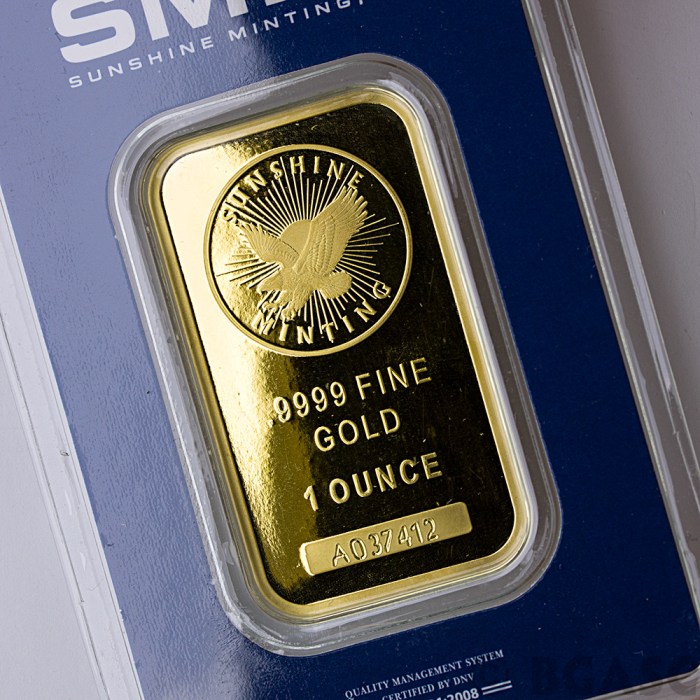
Investor sentiment plays a crucial role in gold price fluctuations, particularly during periods of economic uncertainty. Recent trends show a growing awareness of gold as a safe haven asset, leading to increased investor interest. This heightened interest is often influenced by the interplay of various market forces, including dollar weakness, US fiscal woes, and gold price movements themselves.
Gold’s hovering near a two-week high, a clear sign of dollar weakness and US fiscal woes. Meanwhile, power outages are affecting Spain, Portugal, and France, highlighting the global interconnectedness of energy markets. This situation, however, doesn’t overshadow the ongoing gold market trends tied to the dollar and US fiscal policies, which you can learn more about in this helpful article on spain portugal france power outage what to know.
These factors continue to play a significant role in gold’s price fluctuations.
Understanding investor sentiment is key to interpreting market reactions and predicting future price action.Investor interest in gold during times of economic uncertainty stems from its perceived stability as a store of value. Gold’s intrinsic worth, independent of fiat currencies, appeals to investors seeking a hedge against inflation, currency devaluation, and geopolitical risks. This is particularly true during periods of economic instability, where investors may seek a tangible asset with a relatively stable value.
Analysis of Investor Sentiment Toward Gold
Recent market trends suggest a cautious optimism among investors toward gold. The combination of dollar weakness and US fiscal woes has created a climate where gold’s appeal as a safe haven asset is strengthening. While not all investors are rushing into gold, the increased attention and interest in the metal suggest a potential shift in overall sentiment. This is further supported by increased trading volumes in gold futures contracts and growing interest from institutional investors.
Factors Driving Investor Interest in Gold
Several factors contribute to the current heightened investor interest in gold. Firstly, the persistent weakness of the US dollar against other major currencies makes gold a more attractive alternative investment. Secondly, the ongoing debates and uncertainties surrounding US fiscal policies, such as rising national debt and potential inflationary pressures, have fostered a desire for alternative assets. Finally, the perception of gold as a store of value and a hedge against economic downturns reinforces its appeal to a broad range of investors.
Potential Investor Reactions to Interplay of Factors
Investors are likely to react in various ways to the complex interplay of gold price movements, dollar weakness, and US fiscal woes. Some institutional investors, known for their long-term strategies, might see this as an opportunity to increase their gold holdings, leveraging the potential for capital appreciation. Retail investors, on the other hand, may be more responsive to short-term price fluctuations, potentially buying or selling gold based on perceived value and perceived risks.
Examples of Investor Sentiment Influencing Gold Prices
Historically, periods of heightened investor concern about the US economy and currency have correlated with increased gold demand and subsequently higher prices. For example, during the 2008 financial crisis, gold prices soared as investors sought refuge in the metal. Similarly, the current economic climate, characterized by dollar weakness and fiscal uncertainties, could lead to a similar response, with gold prices potentially continuing to rise.
Investor Segment and Potential Responses
| Investor Segment | Potential Reaction | Reasons |
|---|---|---|
| Institutional Investors | Increased gold holdings; long-term investment strategies | Seeking diversification, capital appreciation, and hedging against economic uncertainty. |
| Retail Investors | Cautious buying; responsive to short-term price fluctuations | Seeking safe haven investment; potential for profit from price increases; but potentially influenced by market sentiment and fear of missing out (FOMO). |
| Hedge Funds | Strategic positioning; using gold as a trading instrument | Seeking arbitrage opportunities and profiting from price fluctuations. |
| Central Banks | Potential gold accumulation; maintaining reserves | Maintaining economic stability and managing currency risk. |
Illustrative Scenarios

Gold’s recent flirtation with two-week highs, coupled with a weakening dollar and looming US fiscal anxieties, paints a complex picture for investors. These interconnected factors influence not only gold’s price but also the broader market sentiment. Understanding how these elements interact in different scenarios is crucial for informed investment decisions.
Dollar Weakness and Fiscal Woes Impact on Gold Prices
A weakening US dollar often translates to higher gold prices. A weaker dollar makes gold, priced in dollars, more attractive to foreign investors seeking a safe haven asset. Simultaneously, escalating fiscal woes, such as increased government debt or uncertainty about spending plans, can increase investor anxieties, further pushing demand for gold as a safe store of value. For example, during periods of high uncertainty surrounding government spending, investors often seek refuge in tangible assets like gold, potentially driving up prices.
Interplay Between Gold, Dollar, and Investor Sentiment
Gold’s price is deeply influenced by investor sentiment. A weakening dollar, coupled with rising anxieties about fiscal issues, can create a negative sentiment towards the US economy. This negative sentiment can attract investors towards gold as a hedge against potential economic instability. The correlation between gold and the dollar is complex and dynamic, influenced by a variety of factors including market expectations and global events.
For instance, a sharp decline in the dollar, often coinciding with concerns about the fiscal health of the US, can lead to a significant increase in gold prices as investors seek safer, more reliable assets.
Impact of Economic Indicators on Gold Prices
Economic indicators like inflation rates, interest rates, and unemployment figures play a critical role in shaping gold’s price. High inflation erodes the purchasing power of money, making gold a more attractive alternative. Similarly, rising interest rates often reduce the appeal of non-yielding assets like gold, potentially leading to price declines. Conversely, periods of economic slowdown or recession can increase demand for gold as a safe haven asset, leading to price appreciation.
Recent reports of rising inflation and concerns about a potential recession can impact gold’s price, making it a sensitive barometer of economic anxieties.
Influence on Investment Strategies
The interplay of these factors necessitates a nuanced approach to investment strategies. Investors may choose to diversify their portfolios by including gold as a hedge against potential economic volatility. If dollar weakness and fiscal concerns intensify, investors might consider allocating a larger portion of their portfolio to gold. Conversely, if economic indicators point towards a strengthening dollar or improved fiscal outlook, investors might adjust their portfolios accordingly.
This adaptability to shifting market dynamics is crucial for managing risk and maximizing potential returns.
Potential Implications of Factors on Gold Prices and Investor Decisions
A combination of factors including a weakening US dollar, escalating fiscal anxieties, and negative investor sentiment could potentially drive gold prices higher as investors seek a safe haven asset. Conversely, a strengthening dollar and improved fiscal outlook could potentially result in a decline in gold prices. Investors should carefully monitor economic indicators and market sentiment to adapt their investment strategies accordingly.
Final Wrap-Up
In conclusion, the current confluence of gold’s upward trend, dollar weakness, and US fiscal uncertainty paints a complex picture for the market. The interplay between these factors suggests a significant shift in investor sentiment. This article has explored the nuances of this relationship, highlighting the potential impact on investment strategies. The coming weeks will be critical in determining the future trajectory of these interconnected forces, and investors will need to carefully assess the situation before making any investment decisions.