
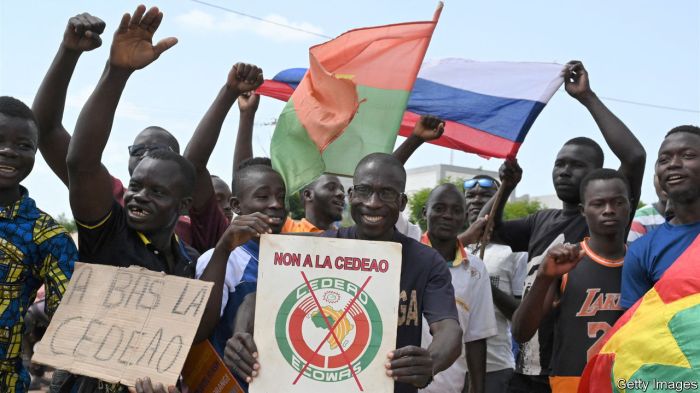
Jihadist violence coups test west africa ecowas bloc 50 – Jihadist violence coups test West Africa’s ECOWAS bloc 50, highlighting the complex interplay of terrorism, political instability, and regional cooperation. This multifaceted crisis underscores the urgent need for a comprehensive approach to address the escalating violence and its far-reaching consequences. The historical context, ECOWAS’s response, and the impact on the West are all integral components of this complex issue.
The spread of jihadist groups, fueled by regional conflicts and political instability, has significantly impacted West Africa. ECOWAS, the regional economic bloc, has grappled with the challenges of coordinating a unified response, with varying degrees of success in different regions. The evolving tactics and targets of these groups, coupled with frequent coups, have created a volatile security environment.
The potential for the spread of extremist ideologies, migration flows, and disruptions to global trade routes are just some of the far-reaching implications of this crisis. Examining the interconnectedness of regional and global security concerns is critical to understanding the scale of this problem.
Jihadist Violence in West Africa
The Sahel region of West Africa has been gripped by a surge in jihadist violence, dramatically reshaping the political and social landscape. This escalating conflict, fueled by a complex interplay of factors, poses a significant threat to regional stability and international security. The violence is not a sudden eruption, but rather a gradual evolution of extremist ideologies and grievances that have found fertile ground in the region.This escalating crisis has far-reaching implications, demanding a multifaceted response from regional and international actors.
Understanding the historical roots, evolving tactics, and regional impact of this violence is crucial for developing effective strategies to counter it. The spread of jihadist groups across borders, and the intricate web of regional conflicts exacerbating the violence, are key elements in this analysis.
Historical Overview of Jihadist Violence
Jihadist violence in West Africa is rooted in the historical context of religious extremism and political instability. Groups like Al-Qaeda in the Islamic Maghreb (AQIM) and Boko Haram have emerged and evolved, adapting their strategies and objectives in response to regional dynamics. Their motivations often include grievances against perceived injustices, political opportunism, and the desire for territorial control.
Evolution of Tactics and Targets
Jihadist groups in West Africa have adapted their tactics to maximize their impact. Initially, attacks focused on local security forces and civilians, but the groups have increasingly targeted vulnerable populations, infrastructure, and vital economic centers. This shift demonstrates a deliberate strategy to destabilize the region and undermine governance. The use of asymmetric warfare, including ambushes, suicide bombings, and the targeting of soft targets, highlights the adaptability of these groups and their resilience.
Impact of Regional Conflicts
The presence of long-standing conflicts, often fueled by ethnic and political divisions, has created a volatile environment that has significantly aided the spread of jihadist violence. The porous borders and weak governance in some areas have facilitated the movement of fighters and the acquisition of weapons. These regional conflicts have provided fertile ground for the recruitment of new fighters and the consolidation of jihadist power, creating a cycle of violence.
For instance, the long-standing conflicts in Mali, Burkina Faso, and Niger have provided opportunities for extremist groups to expand their reach and gain control of territory.
Geographical Spread of Violence, Jihadist violence coups test west africa ecowas bloc 50
The geographical spread of violence is vast, encompassing several countries in the Sahel region. Mali, Burkina Faso, Niger, and parts of Nigeria are particularly affected. The violence has also spread into neighboring countries, highlighting the transnational nature of the threat. The concentration of violence in certain areas reflects the convergence of pre-existing vulnerabilities and the opportunistic exploitation of those vulnerabilities by jihadist groups.
Comparison of Key Jihadist Groups
| Group | Ideology | Origins | Key Leaders |
|---|---|---|---|
| Al-Qaeda in the Islamic Maghreb (AQIM) | Salafist Jihadist | North Africa | Various, including some associated with the early years of the group. |
| Boko Haram | Salafist Jihadist, with additional local grievances | Nigeria | Various, including Abubakar Shekau and later leaders. |
| Islamic State in the Greater Sahara (ISIS-GS) | Salafist Jihadist | Emerged from various groups in the region. | Various, including leaders who have claimed allegiance to ISIS. |
The table above provides a concise overview of the key groups, their ideologies, origins, and key figures. It underscores the interconnectedness of these groups and their shared motivations, highlighting the complexity of this transnational threat.
ECOWAS Response to Violence
The Economic Community of West African States (ECOWAS) faces a formidable challenge in countering jihadist violence across its member states. The region’s security landscape is complex, with overlapping conflicts, porous borders, and a multitude of non-state actors fueling the crisis. ECOWAS has responded with a combination of military interventions and diplomatic efforts, yet achieving a unified and effective response remains a persistent struggle.The primary role of ECOWAS in addressing jihadist violence is multifaceted.
It involves coordinating responses to terrorism across member states, deploying troops to conflict zones, and engaging in dialogue with armed groups. However, the effectiveness of these actions varies significantly depending on the specific context and challenges in each affected nation.
Military Interventions
ECOWAS has deployed military forces in several instances to support national governments battling jihadist groups. These interventions aim to stabilize the region, neutralize militant threats, and bolster the capabilities of local security forces. Deployment strategies often involve close coordination with affected governments, but the success of these operations depends heavily on the strength and capacity of the local forces being supported.
- Operation Barkhane: This French-led operation, while not directly an ECOWAS initiative, has had a significant impact on the Sahel region, demonstrating the importance of regional cooperation and international partnerships in countering jihadist groups. However, the effectiveness of this and similar operations is often hampered by the complex interplay of political and social factors within the affected countries.
- Specific ECOWAS Interventions: Individual ECOWAS interventions have demonstrated varying degrees of success, depending on the specific circumstances and challenges in each affected country. Success hinges on the commitment of the local government and the ability of the regional force to operate effectively within the specific context of the conflict.
Diplomatic Efforts
Beyond military interventions, ECOWAS has also actively engaged in diplomatic efforts to address the root causes of the violence. This includes negotiating with armed groups, facilitating dialogue between conflicting parties, and promoting political solutions to the conflicts.
- Negotiations and Dialogue: ECOWAS has actively pursued negotiations with armed groups, though success rates have been inconsistent. The complexity of these negotiations often involves deeply rooted grievances and the varying degrees of commitment from all parties involved. Success depends on the commitment of all actors to finding a peaceful resolution and the availability of appropriate mediators.
- Promoting Political Solutions: The promotion of political solutions aims to address the underlying causes of the conflicts. This includes supporting democratic processes, promoting good governance, and addressing socio-economic grievances. However, achieving lasting peace often requires sustained commitment and addressing structural inequalities that create fertile ground for conflict.
Challenges in Coordinating a Unified Response
Several challenges impede ECOWAS’s efforts to coordinate a unified response to jihadist violence. These include disagreements among member states, resource constraints, and the differing security threats across the region. Effective coordination necessitates not only military cooperation but also political consensus and a shared understanding of the challenges.
- Inter-State Disagreements: Differences in national priorities and security concerns can hinder the development of a unified strategy. These disagreements can be amplified by geopolitical tensions and varying levels of trust between member states.
- Resource Constraints: ECOWAS faces significant resource constraints in funding and equipping its peacekeeping operations and diplomatic initiatives. This limitation often impacts the scale and scope of its interventions, potentially affecting their effectiveness.
Effectiveness of Strategies in Different Regions
The effectiveness of ECOWAS strategies varies considerably across different regions within West Africa. Factors such as the level of internal conflict, the nature of the armed groups, and the degree of cooperation from local governments influence the outcome.
| Region | ECOWAS Strategies | Effectiveness | Challenges |
|---|---|---|---|
| Sahel | Military interventions, diplomatic engagement | Mixed; some success in containing the spread, but persistent challenges | Transnational nature of groups, porous borders, lack of local support |
| West Coast | Military interventions, diplomatic efforts | Limited; challenges in sustaining operations and addressing root causes | Internal political conflicts, weak governance |
Impact on the West
Jihadist violence in West Africa transcends regional boundaries, posing significant security challenges for Western nations. The interconnected nature of global affairs means that instability in one region can rapidly escalate into broader international crises. This violence directly impacts Western interests, requiring careful consideration of the ramifications for security, trade, and global stability.The spillover effects of this violence are complex and multifaceted.
The threat of extremist ideologies spreading beyond West Africa is a critical concern, while the potential for mass migration flows due to conflict creates humanitarian and security challenges for Western nations bordering affected areas. Furthermore, the disruption of trade routes and regional instability have global economic consequences, particularly for Western nations with significant economic investments in the region.
Western Security Implications
The violence in West Africa directly impacts Western security interests in several ways. The rise of extremist groups and their ability to recruit and train fighters poses a threat to global security, potentially leading to attacks on Western interests abroad or even on Western soil. The destabilization of the region also fuels transnational criminal activities, such as human trafficking and the illicit trade of arms and drugs, which can destabilize neighboring countries and even impact Western communities.
Spread of Extremist Ideologies
The emergence of extremist groups in West Africa represents a significant threat. These groups often leverage social media and online platforms to spread their ideology, potentially attracting individuals from across the globe, including Western nations. Past examples of extremist groups gaining global traction highlight the dangers of unchecked radicalization and the need for robust counter-terrorism strategies. These groups actively recruit and radicalize individuals through online platforms, emphasizing the urgent need for a coordinated global approach to counter-radicalization.
Potential for Migration Flows
Conflict and violence in West Africa often lead to mass displacement and migration. The sheer scale of displacement can overwhelm existing resources and infrastructure in neighboring countries, creating humanitarian crises. The potential for large-scale migration flows presents a challenge to Western nations, requiring robust responses to address the needs of refugees and asylum seekers while mitigating potential security concerns.
The Syrian refugee crisis, for instance, demonstrated the immense strain on resources and infrastructure in receiving countries.
Impact on Global Trade Routes
Disruptions to trade routes, including those vital for global commerce, are a significant concern. Instability in West Africa can disrupt the flow of goods and materials, impacting global supply chains and potentially increasing costs for Western businesses. This disruption can lead to economic hardship and potential geopolitical instability, further highlighting the interconnectedness of regional and global security. The disruption of maritime routes can have a significant impact on global trade, potentially leading to shortages of essential goods and rising prices.
Implications for Regional Stability
The instability in West Africa has broader implications for regional stability. The conflict can spill over into neighboring countries, escalating violence and instability across the wider region. This can destabilize existing political systems and create a breeding ground for further conflicts and humanitarian crises. The potential for regional conflict underscores the importance of regional cooperation and international intervention to address the root causes of the violence.
Interconnectedness of Regional and Global Security Concerns
The security challenges in West Africa are not isolated incidents. The rise of extremist groups, mass migration, and disruptions to global trade routes highlight the interconnectedness of regional and global security concerns. Addressing the root causes of the conflict and supporting regional efforts to stabilize the region are crucial to mitigating the broader impact on global security.
Impact on Western Security: A Summary
| Impact Area | Description |
|---|---|
| Security Threats | Increased risk of terrorist attacks, transnational crime, and radicalization. |
| Migration Flows | Mass displacement of populations and potential strain on Western resources and infrastructure. |
| Trade Disruptions | Disruption of global supply chains and potential increases in costs for Western businesses. |
| Regional Instability | Potential for conflict to spill over into neighboring countries and destabilize the wider region. |
Coups and Instability: Jihadist Violence Coups Test West Africa Ecowas Bloc 50

The recurring cycle of coups and political instability in West Africa has become tragically intertwined with the rise of jihadist violence. These tumultuous transitions often create power vacuums, weakening state capacity and fostering an environment conducive to extremist group recruitment and expansion. The consequences are dire, impacting the region’s security and hindering the very efforts aimed at countering terrorism.
The ripple effects extend beyond the continent, impacting global security concerns.Political instability, often sparked by coups, directly erodes the effectiveness of counter-terrorism efforts. Weakened governance, loss of trust in institutions, and fragmented security forces create vulnerabilities that extremist groups exploit. The breakdown of law and order can lead to a rise in criminality, which can then be intertwined with the activities of jihadists, blurring the lines between organized crime and terrorism.
Correlation Between Jihadist Violence and Political Instability
Political instability frequently provides fertile ground for jihadist groups. The loss of legitimacy and the erosion of state authority often lead to a decline in public trust, making communities more susceptible to extremist ideologies. The inability of governments to provide essential services, coupled with the perceived failure of existing institutions, can result in disenchantment and resentment, creating an environment ripe for recruitment.
West Africa’s ECOWAS bloc is facing a serious test with jihadist violence and coups. While these issues dominate headlines, Italy’s recent plans to scrap the “no single buyer” rule for Serie TV rights sales ( italy plans scrap no single buyer rule serie tv rights sale ) might seem unrelated, but potentially highlights broader shifts in how the West addresses these complex issues, and how those broader shifts could influence the West African situation.
The underlying fragility in the region continues to be a major concern.
This can manifest in the form of increased support for extremist groups offering an alternative vision of governance.
West Africa’s ECOWAS bloc is facing a serious challenge with jihadist violence and coups. It’s a complex situation, and while the region grapples with these issues, there are other global trade negotiations happening, like the UAE’s push for a US trade deal to reverse Trump’s steel and aluminum tariffs. This effort highlights broader global economic dynamics, which, in turn, can have unforeseen consequences on the already fragile stability in West Africa.
The region’s struggles with jihadist violence and political instability remain a significant concern.
Role of Coups and Political Transitions in Exacerbating Conflict
Coups, by their very nature, disrupt the established order. They lead to the dismissal of security forces, including those tasked with counter-terrorism efforts, leading to a significant weakening of the security apparatus. The subsequent power struggles and political uncertainty can attract opportunistic individuals and groups, including jihadists, who seek to capitalize on the chaos. The loss of experienced leaders in the military and intelligence services is often irreparable.
Impact of Coups on Counter-Terrorism Efforts
Coups significantly hinder the effectiveness of counter-terrorism strategies. The instability and uncertainty created by a coup often result in the loss of trained personnel, the disruption of intelligence networks, and the breakdown of coordination between different security agencies. This can lead to a decline in the capacity to track and respond to extremist threats. The subsequent fragmentation of security forces and the potential defection of loyalists also create critical weaknesses in the battle against terrorism.
The escalating jihadist violence and coups in West Africa are putting a serious strain on the ECOWAS bloc. It’s a complex situation, and while these issues are definitely a major concern, it’s worth considering how the US must also face valid claims over pandemic-related bans on residential evictions, as detailed in this article us must face claims over pandemic ban residential evictions.
Ultimately, these intertwined challenges highlight the multifaceted nature of global crises and the need for a comprehensive approach to address them, impacting the stability of the region and potentially fueling further conflicts within the ECOWAS bloc.
Potential Links Between Coups and the Rise of Extremist Groups
Coups and political transitions can unintentionally create opportunities for extremist groups to gain a foothold. The weakening of state institutions and the uncertainty surrounding the political future can attract individuals disillusioned with the existing order, potentially leading to recruitment into extremist groups. Furthermore, the disruption of established power structures can also create a power vacuum that is exploited by extremist organizations.
The potential for corruption and impunity during periods of political transition also enhances the appeal of extremist groups, who may promise a more stable and predictable order.
Examples of Disrupted Security Structures
Numerous examples exist in West Africa where coups have disrupted existing security structures, contributing to the escalation of jihadist violence. In specific countries, the removal of seasoned military leaders and intelligence officers has resulted in a significant loss of institutional knowledge and operational experience, directly impacting counter-terrorism capabilities. These instances highlight the vulnerability of the region to extremist threats when stability is compromised.
Table Contrasting Impacts of Different Types of Coups on Jihadist Violence
| Type of Coup | Impact on Jihadist Violence |
|---|---|
| Coup led by a faction within the military | Can lead to internal conflicts within the military, disrupting counter-terrorism efforts, and potentially creating alliances with extremist groups. |
| Coup supported by external actors | Foreign interference can destabilize the region, potentially leading to support for extremist groups and weakening of the state’s ability to counter them. |
| Coup fueled by popular discontent | Disillusionment and loss of trust in government can lead to a surge in support for extremist groups offering alternative solutions. |
Regional Cooperation and Security
Regional cooperation is crucial in combating the escalating jihadist violence plaguing West Africa. The transboundary nature of these extremist groups necessitates a unified front from neighboring countries to effectively counter their recruitment, funding, and operations. A concerted effort encompassing intelligence sharing, joint military operations, and socioeconomic development programs can significantly diminish the appeal of extremist ideologies and strengthen the region’s resilience.The multifaceted nature of the threat demands a holistic approach involving not only security forces but also community engagement, economic development, and political stability.
This necessitates a paradigm shift from reactive responses to proactive strategies, fostering a robust regional security architecture capable of preventing and addressing threats at their source. Effective regional cooperation is essential to stemming the tide of violence and creating a more secure future for the region.
Importance of Regional Cooperation
Regional cooperation in combating jihadist violence is paramount due to the transnational nature of these groups. Extremist organizations frequently operate across borders, making unilateral efforts by individual nations insufficient. Shared intelligence, coordinated military actions, and joint socioeconomic programs are critical to disrupting the groups’ networks and undermining their appeal. A collective response strengthens the region’s ability to counter the root causes of the violence and build more resilient communities.
Challenges and Limitations of Regional Cooperation
Despite its importance, regional cooperation faces significant challenges. Political mistrust, differing national interests, and varying levels of capacity among member states can impede progress. Security forces may lack the resources, training, or coordination to effectively tackle the complex challenges posed by these groups. Furthermore, the socioeconomic factors that contribute to the rise of extremism, such as poverty and inequality, require a sustained, multi-faceted approach that often stretches the capacity of regional organizations.
Examples of Successful Regional Collaborations
Past successful regional collaborations in various contexts offer valuable lessons. The fight against piracy off the coast of East Africa, for example, demonstrated the effectiveness of coordinated naval patrols and intelligence sharing in disrupting criminal networks. Similarly, successful anti-drug operations across Latin American borders highlight the potential of joint efforts to tackle transnational criminal organizations. These examples illustrate that effective regional cooperation, while challenging, is achievable when political will and shared interests converge.
Potential Benefits of Increased Regional Security Initiatives
Increased regional security initiatives offer several potential benefits, including a reduction in violence, a decline in extremist recruitment, and an improvement in socioeconomic conditions. Enhanced security can create a more stable environment for investment and development, boosting economic growth and creating jobs. This, in turn, can reduce the factors that contribute to the appeal of extremist ideologies.
Sharing Intelligence and Coordinating Strategies
Sharing intelligence and coordinating strategies is crucial for effective counter-terrorism operations. Real-time information sharing between member states can enable rapid response to emerging threats, enabling security forces to disrupt extremist activities before they escalate. Moreover, coordinated strategies can prevent the fragmentation of efforts, maximizing resources and minimizing redundancies.
Models of Regional Cooperation
| Model | Description | Effectiveness in West Africa |
|---|---|---|
| ECOWAS (Economic Community of West African States) | A regional organization focusing on political and economic integration. | Varied; successes in some areas but faces challenges in maintaining consistent security cooperation. |
| G5 Sahel | A military alliance focusing on counter-terrorism. | Limited success; hampered by capacity issues and political instability in the region. |
| Regional Military Taskforces | Dedicated forces for joint operations. | Potential but requires substantial investment in training and equipment. |
Illustrative Cases of Jihadist Violence
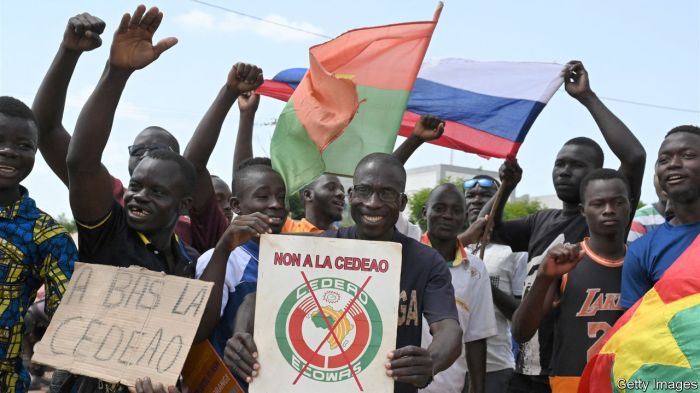
The Sahel region of West Africa is grappling with a complex and multifaceted security crisis, with jihadist violence playing a significant role in driving instability. This violence is not simply an isolated phenomenon, but rather a deeply entrenched challenge rooted in a confluence of factors, from local grievances to external support. Understanding specific cases is crucial to comprehending the broader trends and devising effective countermeasures.
The Rise of the Islamic State in the Greater Sahara (ISGS) in Mali
The emergence of the Islamic State in the Greater Sahara (ISGS) in Mali has had devastating consequences. The group’s rise was fueled by a confluence of social and economic factors, including widespread poverty, unemployment, and a lack of government services in some areas. This created fertile ground for extremist ideologies to take root and recruit disillusioned individuals. Furthermore, the porous borders of the region facilitated the movement of fighters and the flow of weapons, enabling the ISGS to expand its influence.
- Key Actors: The Islamic State in the Greater Sahara (ISGS), various local armed groups, Malian government forces, and neighboring countries’ military forces, including those from France and the United Nations.
- Events: The ISGS, established in the early 2010s, quickly gained control over swathes of territory in central and northern Mali, carrying out attacks on villages, government outposts, and civilian populations. This included kidnapping for ransom, extortion, and the imposition of strict Sharia law. The group engaged in fierce battles with Malian forces, as well as with the support of French and other international military personnel.
- Consequences: Thousands of civilians have been killed or displaced. The violence has disrupted economic activities, destroyed infrastructure, and severely damaged the region’s social fabric. The ISGS’s actions have undermined efforts to promote stability and development in the area.
- Social and Economic Factors: Widespread poverty, unemployment, and a lack of government services created a breeding ground for extremist ideologies. The marginalization of certain communities and a perceived lack of justice contributed to resentment and a willingness to join extremist groups. The ongoing drought and food insecurity exacerbated the already dire situation.
- Role of External Actors: France, with its military presence in the region, has played a key role in attempting to counter the ISGS. The UN Multidimensional Integrated Stabilization Mission in Mali (MINUSMA) has also contributed to the response. However, the presence of foreign forces has also been criticized for contributing to the conflict and causing further civilian casualties.
- Response of Local Communities: Many local communities have been forced to flee their homes due to the violence. Those who remain often face intimidation, restrictions on their movement, and the threat of violence. There have also been instances of local resistance against the ISGS, including self-defense groups.
- Broader Trends: The case of the ISGS highlights the complex interplay of local grievances, external influences, and the transnational nature of jihadist groups in the Sahel. The lack of state capacity and the porous borders of the region contribute to the spread of violence.
Summary of the Case Study
| Category | Details |
|---|---|
| Key Actors | ISGS, local armed groups, Malian forces, international forces |
| Events | Territorial control, attacks, imposition of Sharia, battles with security forces |
| Consequences | Civilian casualties, displacement, economic disruption, damage to social fabric |
| Social/Economic Factors | Poverty, unemployment, lack of services, marginalization, drought |
| External Actors | France, UN MINUSMA |
| Local Response | Displacement, local resistance, intimidation |
| Broader Trends | Complex interplay of grievances, external influences, transnational groups, lack of state capacity |
Possible Future Scenarios
The escalating jihadist violence in West Africa, coupled with political instability and external pressures, paints a complex picture of potential future scenarios. The region faces a multitude of interconnected challenges, from the ongoing struggle against extremist groups to the fragility of governance and the vulnerability of populations. Understanding these potential futures is crucial for developing effective strategies to mitigate the risk and promote regional stability.The trajectory of jihadist violence in West Africa is likely to be influenced by a combination of internal and external factors, including the evolving dynamics of global power struggles, economic fluctuations, and the worsening effects of climate change.
These factors will interact in complex ways, shaping the nature and intensity of the conflict. Local communities and leaders will play a crucial role in determining the success or failure of efforts to address the underlying causes of the violence.
Potential Impacts of External Factors
Global political shifts and economic trends can significantly influence the conflict. For example, a global economic downturn could exacerbate existing inequalities and push vulnerable populations towards extremism, potentially fueling the recruitment of new fighters. Conversely, increased international investment in the region could stimulate economic growth and improve living conditions, thus reducing the appeal of extremist ideologies. International alliances and support for ECOWAS efforts will be critical in determining the region’s capacity to respond to these external pressures.
Impact of Climate Change and Resource Scarcity
Climate change is already impacting West Africa through droughts, floods, and desertification. These environmental pressures can exacerbate resource scarcity, which in turn can fuel competition and conflict among communities. The displacement of populations due to climate-related disasters can further strain existing resources and increase the vulnerability of affected communities to extremist recruitment. These environmental factors are likely to intensify the existing tensions in the region.
Role of Local Communities and Leaders
Local communities and leaders hold significant influence in shaping the future of the region. Their engagement and participation in peacebuilding initiatives and community-based conflict resolution mechanisms are vital to fostering stability. Effective local leadership is essential to building trust and cooperation, and to addressing the grievances and needs of marginalized populations. Successful strategies must prioritize local solutions and ownership.
Potential Outcomes for ECOWAS, the West, and Affected Populations
The future of ECOWAS will depend on its ability to effectively address the underlying causes of the violence and build regional cooperation. The West’s role will be crucial in providing both financial and logistical support to ECOWAS initiatives. The affected populations will bear the brunt of the conflict, facing displacement, violence, and economic hardship. Long-term solutions must focus on providing sustainable livelihoods, education, and opportunities to empower local communities.
Possible Scenarios for the Future of the Region
| Scenario | Description | Impact on ECOWAS | Impact on the West | Impact on Affected Populations |
|---|---|---|---|---|
| Scenario 1: Continued Instability | Jihadist violence persists, with regional cooperation hampered by political divisions. | ECOWAS struggles to maintain unity and effectiveness. | Increased security concerns and humanitarian crises. | Widespread displacement, human rights abuses, and economic hardship. |
| Scenario 2: Regional Cooperation and Resilience | ECOWAS strengthens regional cooperation, addressing root causes and fostering resilience. | Improved regional security and governance. | Reduced security risks and humanitarian costs. | Improved livelihoods, access to education, and economic opportunities. |
| Scenario 3: External Intervention and Stabilization | International intervention plays a significant role in containing the violence. | ECOWAS may become more reliant on external actors. | Increased military and financial commitments. | Potential for short-term stabilization, but long-term solutions need local ownership. |
Last Point
In conclusion, the multifaceted crisis of jihadist violence, coups, and their impact on West Africa’s ECOWAS bloc 50 necessitates a multi-pronged approach. Regional cooperation, improved intelligence sharing, and a stronger unified response from ECOWAS are crucial. Understanding the root causes, from political instability to economic factors, is equally important. The long-term stability of the region and the global security implications of this violence demand ongoing attention and comprehensive solutions.