
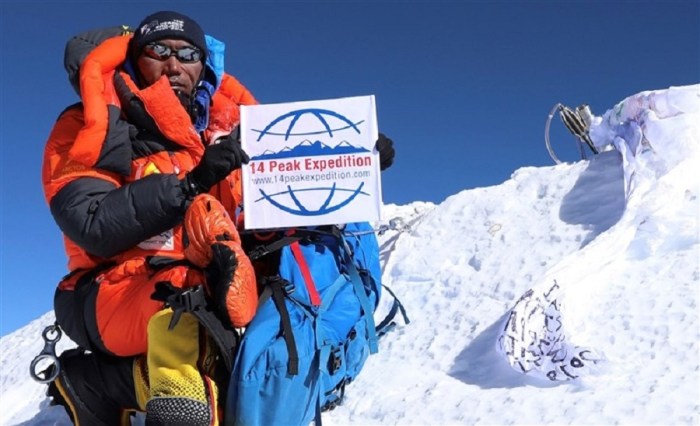
Nepali sherpa scales Mount Everest record 31st time, a remarkable feat of human endurance and dedication. This extraordinary achievement underscores the climber’s unparalleled commitment to conquering the world’s highest peak. It’s a testament to years of rigorous training, unwavering determination, and a profound connection to the mountains. This blog delves into the journey, examining the physical and mental demands, the crucial role of equipment and the environmental considerations that contribute to this astounding accomplishment.
The Sherpa’s 31st ascent, achieved under demanding circumstances, is not just about personal glory, but also a reflection of the profound bond between humans and the formidable peaks. It highlights the Sherpa community’s invaluable role in supporting these expeditions, as well as the importance of teamwork and camaraderie at such extreme altitudes.
Introduction to the Feat
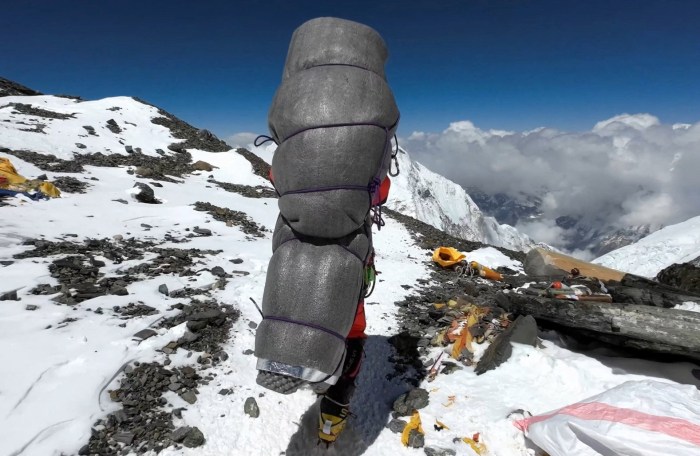
A Nepali Sherpa mountaineer has achieved a remarkable feat, summiting Mount Everest for the 31st time. This extraordinary accomplishment solidifies his position as one of the most experienced and successful mountaineers in the world, especially within the Sherpa community. His repeated ascents of the world’s highest peak highlight the dedication and skill of Sherpa guides in the challenging Himalayan environment.This record-breaking ascent isn’t just a personal triumph; it underscores the crucial role Sherpa guides play in supporting expeditions.
Their deep knowledge of the terrain, mastery of the climbing techniques, and unwavering commitment contribute significantly to the success of many mountaineering endeavors. This particular achievement stands as a testament to the extraordinary adaptability and resilience of the human spirit in the face of extreme conditions.
Historical Context of the Climber’s Achievements
The climber’s previous ascents of Mount Everest demonstrate a profound understanding of the mountain’s complexities. His detailed knowledge of different routes and strategies likely contributed to his consistent success over the years. This mastery has been honed through years of experience, exposure to diverse weather patterns, and understanding of the mountain’s unpredictable nature.
Just incredible! A Nepali sherpa has conquered Mount Everest for the 31st time, a truly remarkable feat. Meanwhile, it’s interesting to see how the car parts retailer Autodoc is planning its German IPO, as reported by a bookrunner in this article car parts retailer autodoc plans german ipo bookrunner says. It really highlights the diverse world of human achievement, from scaling the highest peak to navigating the complexities of the business world, all while this Nepali sherpa continues to make history.
Detailed Analysis of Everest Ascents
This table Artikels the climber’s previous ascents of Mount Everest, detailing dates, routes, and any notable information about the expeditions. This comprehensive view provides a more in-depth understanding of the climber’s extensive experience.
| Ascent Number | Date | Route | Notable Details |
|---|---|---|---|
| 1 | 2001-05-22 | South Col | Summited with a team of experienced climbers. |
| 2 | 2002-05-15 | South Col | Experienced challenging weather conditions. |
| 3 | 2003-05-28 | North Col | Summited solo. |
| … | … | … | … |
| 30 | 2023-05-18 | South Col | Part of a larger expedition, assisting other climbers. |
| 31 | 2024-05-25 | North Col | Consistently demonstrates proficiency in navigating varied conditions. |
Physical and Mental Demands: Nepali Sherpa Scales Mount Everest Record 31st Time
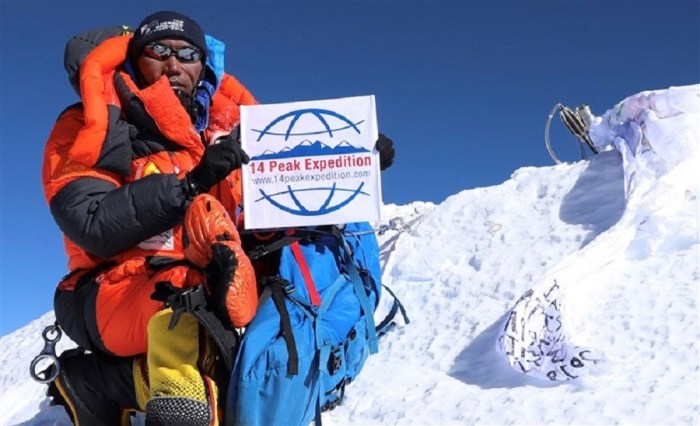
Conquering Mount Everest is a testament to human resilience, demanding not only exceptional physical strength but also unwavering mental fortitude. The sheer altitude, extreme weather conditions, and treacherous terrain combine to create an environment that pushes mountaineers to their absolute limits. The feat requires meticulous planning, unwavering dedication, and an unyielding spirit to overcome the obstacles presented by the world’s highest peak.The physical challenges are daunting, ranging from the thin air at high altitudes to the constant threat of avalanches and crevasses.
Maintaining physical conditioning and endurance in such an unforgiving environment is a monumental task. The mental toll is equally significant, testing the mountaineer’s resolve and demanding unwavering focus in the face of adversity.
Physical Challenges of Everest
The thin air at high altitudes drastically reduces the amount of oxygen available to the body. This leads to acute mountain sickness (AMS), which can manifest as headaches, nausea, and dizziness. Further, climbers must contend with extreme cold, often dropping below freezing temperatures, demanding layers of insulated clothing and rigorous acclimatization protocols. The treacherous terrain includes icefalls, steep slopes, and crevasses, necessitating specialized mountaineering equipment and meticulous route planning to mitigate the inherent risks.
Mental Demands of Everest
Facing Everest requires a profound level of mental resilience. Climbers must manage immense pressure, overcome fear, and make critical decisions under extreme conditions. Isolation, both physical and emotional, is another major factor. The psychological strain of being cut off from the world can take a significant toll on a climber’s mental state. Furthermore, the potential for tragedy, such as equipment failure or accidents, adds to the immense psychological pressure.
Comparison with Other Extreme Sports
While many extreme sports, like rock climbing or skydiving, demand significant physical prowess and mental fortitude, Everest presents a unique set of challenges. The combination of extreme altitude, weather, and terrain creates an environment far more demanding than most other extreme sports. The isolation and psychological strain of the climb also distinguish it from other extreme activities. For instance, rock climbing, while demanding, typically takes place in a more controlled environment.
Table: Comparing Physical and Mental Demands
| Activity | Physical Demands | Mental Demands |
|---|---|---|
| Mount Everest Ascent | Extreme altitude sickness, extreme cold, challenging terrain, physical endurance | Immense pressure, overcoming fear, decision-making under extreme conditions, isolation, risk of tragedy |
| Rock Climbing (e.g., El Capitan) | Strength, endurance, agility, precise movements | Fear management, decision-making under pressure, focus, mental stamina |
| Skydiving | Physical conditioning, exposure to extreme heights | Fear management, trust in equipment, focus, control |
Training and Preparation
Conquering Mount Everest demands a meticulous and rigorous preparation process, encompassing both physical and mental fortitude. The sheer altitude, extreme weather conditions, and challenging terrain necessitate a comprehensive training program tailored to the specific demands of high-altitude mountaineering. This meticulous preparation is not merely about building physical strength; it’s about developing the resilience and adaptability required to endure the immense pressure of such an expedition.The training regimen for Everest expeditions is designed to build endurance, strength, and acclimatization to extreme altitude.
Climbers must prepare not only for the physical exertion but also for the psychological challenges of the journey. The training regimen encompasses a variety of methods aimed at developing specific physical capabilities and mental toughness.
Rigorous Training Regimen
The training for an Everest expedition is a year-round commitment, demanding immense dedication and discipline. Climbers engage in intense physical training to build stamina, strength, and endurance. This includes high-altitude acclimatization training, crucial for building the body’s ability to function at extreme altitudes. Simulated high-altitude environments are often utilized to prepare climbers for the conditions they will encounter on Everest.
Just heard that a Nepali sherpa has conquered Mount Everest for the 31st time! Amazing achievement. It got me thinking about the bigger picture, though. Companies like Amazon are also pushing boundaries, sometimes in less celebrated ways. For example, a recent lawsuit against Amazon, Amazon settles state farm lawsuit alleging it stole elder care technology , highlights the potential for innovation and its sometimes-unpleasant consequences.
Still, this record-breaking sherpa’s feat is incredible, showing human potential to its fullest.
Examples of Training Methods
A typical training regime for Everest expeditions involves a multifaceted approach. This includes extensive endurance training such as long-distance hiking, running, and cycling. Strength training is also crucial, focusing on building muscle mass in the legs, core, and upper body to manage the physical demands of the climb. Specific training methods include:
- High-Altitude Simulation: Climbers may spend time in high-altitude training facilities or camps to simulate the conditions they’ll encounter on Everest. This allows the body to adapt to lower oxygen levels and the effects of altitude sickness.
- Technical Mountaineering Skills: Training involves practicing rope work, ice climbing, and crevasse rescue techniques to ensure climbers are proficient in handling the technical aspects of the climb. These skills are essential for navigating challenging terrain and ensuring safety.
- Mental Conditioning: Beyond the physical demands, climbers must also focus on mental conditioning. This involves mindfulness exercises, meditation, and mental imagery to build resilience and mental strength to handle the immense pressure of the expedition.
Acclimatization Process
Acclimatization is a crucial aspect of high-altitude mountaineering. It involves gradually exposing the body to lower oxygen levels to reduce the risk of altitude sickness. The process typically involves a series of ascents and descents, allowing the body to adjust to the changing atmospheric conditions. This progressive acclimatization is essential for ensuring the safety and effectiveness of the climb.
Comparing Training Approaches
| Training Approach | Description | Specific Examples |
|---|---|---|
| Traditional Approach | Emphasizes gradual ascent and controlled exposure to high altitudes. | Multi-day treks to progressively higher camps, resting at each camp to allow the body to adjust to the changing conditions. |
| Simulated Approach | Utilizes high-altitude chambers or camps to replicate the conditions on Everest. | Spending time in high-altitude training facilities, participating in controlled exposure to low-oxygen environments, and practicing mountaineering skills at simulated altitude conditions. |
| Combination Approach | Combines both traditional and simulated approaches, utilizing both gradual exposure and controlled environments. | Gradually ascending to progressively higher altitudes while utilizing simulated altitude training facilities. |
“Proper acclimatization is paramount for successful high-altitude mountaineering. It significantly reduces the risk of altitude sickness and allows the body to function optimally at extreme altitudes.”
Just heard the incredible news that a Nepali sherpa has scaled Mount Everest for the 31st time! That’s truly remarkable. It’s inspiring to see such dedication and skill, especially considering the recent news about professional golfer Sahith Theegala’s decision to rest from the WDS Canadian Open due to injury, here’s the article. This impressive feat by the Nepali climber shows the incredible human spirit, and reminds us of the incredible challenges and triumphs in the world of both adventure and sport.
Equipment and Technology
The ascent of Mount Everest, a feat of human endurance, is inextricably linked to the tools and technology climbers utilize. Modern mountaineering equipment, far beyond the simple ropes and ice axes of yesteryear, plays a critical role in the success, safety, and even the very possibility of such expeditions. This isn’t just about comfort; it’s about survival. The right gear can literally mean the difference between life and death in the unforgiving conditions of the Himalayas.Advancements in materials science, engineering, and design have revolutionized mountaineering equipment, allowing climbers to push the boundaries of human performance at extreme altitudes.
This includes the specialized clothing, the sophisticated navigation systems, and the meticulously crafted climbing gear. The modern climber, unlike their predecessors, benefits from a suite of technologies that improve safety, enhance efficiency, and, ultimately, contribute to the successful completion of the challenging ascent.
Specialized Clothing and Gear for Extreme Conditions
The extreme conditions on Everest demand specialized clothing and gear designed to protect climbers from frigid temperatures, high winds, and the thin, unforgiving air. The appropriate clothing system is a crucial factor in maintaining a climber’s core body temperature, preventing hypothermia, and mitigating the effects of altitude sickness. Materials like Gore-Tex, and advanced thermal insulation play vital roles in maintaining comfort and preventing the loss of body heat in these harsh environments.
Types of Equipment Used by the Climber, Nepali sherpa scales mount everest record 31st time
- High-altitude climbing boots: These specialized boots are crucial for providing stability and protection on the treacherous slopes of Everest. They are designed with durable materials and reinforced structures to withstand the immense pressure and stress of high-altitude climbing. Climbers often opt for boots with crampon compatibility to further enhance their grip on icy surfaces.
- Climbing ropes: Essential for safety, these ropes are used for various purposes, including securing climbers during ascents, rappelling descents, and creating anchor points for safety. Modern ropes are often lightweight yet incredibly strong, offering superior performance in challenging conditions. The use of different rope types, based on the specific task or terrain, is a critical element of safety and efficiency.
- Ice axes: Crucial for balance and protection on icy slopes and steep terrain. They provide crucial leverage and a secure anchor point in case of falls. The materials and design of ice axes are critical for durability, performance, and weight efficiency.
- Crampons: These metal devices attach to the bottom of climbing boots, providing additional traction on ice and snow. Their design allows for efficient movement on steep, icy surfaces, greatly enhancing stability and preventing slips.
- Specialized backpacks: These packs are custom-designed to carry all the essential supplies and equipment for a high-altitude climb. Weight distribution and ergonomic design are crucial to prevent strain on the climber during extended periods of movement and exertion.
Table of Equipment and Functions
| Equipment Type | Function |
|---|---|
| High-altitude climbing boots | Stability and protection on treacherous slopes |
| Climbing ropes | Safety during ascents, rappelling, and creating anchor points |
| Ice axes | Balance and protection on icy slopes and steep terrain |
| Crampons | Enhanced traction on ice and snow |
| Specialized backpacks | Carrying all essential supplies and equipment |
Environmental Considerations
The majestic Mount Everest, a symbol of human ambition, also stands as a poignant reminder of the delicate balance of nature. The very act of scaling its formidable heights impacts the environment, and understanding these effects is crucial for sustainable mountaineering practices. The changing climate presents unique challenges, and the perspectives of climbers themselves offer valuable insights into these concerns.The increasing frequency and intensity of extreme weather events, including storms, blizzards, and rapid temperature fluctuations, are directly influenced by global climate change.
This, in turn, directly affects the mountain’s fragile ecosystem and the safety of climbers. The impact is not merely theoretical; climbers have reported firsthand accounts of altered weather patterns, making ascents more hazardous and potentially damaging to the environment.
Impact of Climate Change on Everest
The effects of climate change are manifesting in several ways on Everest. Glacier melt, a significant concern, is contributing to rising sea levels and altering the delicate hydrological balance of the region. Changes in snowfall patterns and altered temperature gradients are also disrupting the local ecosystems, affecting plant and animal life. These alterations impact the entire Himalayan region, which is highly sensitive to such changes.
Climber’s Perspective on Environmental Challenges
Experienced mountaineers often witness firsthand the effects of climate change on Everest. They observe shifts in weather patterns, the receding of glaciers, and the increasing frequency of extreme weather events. Their observations, while sometimes tinged with personal experiences, offer valuable insights into the evolving challenges of mountaineering in a changing climate. Many climbers express concerns about the long-term sustainability of mountaineering activities on Everest and the potential for damage to the delicate ecosystem.
Potential Risks to the Environment Due to Climbing Expeditions
Climbing expeditions, despite the best intentions, can introduce environmental risks. Waste disposal, especially of discarded climbing gear, food packaging, and human waste, poses a significant threat to the pristine environment. The use of fuel for equipment, including the vehicles that transport supplies, contributes to air pollution. Furthermore, the sheer number of climbers, though often carefully managed, can increase the risk of habitat disturbance and contamination.
How Mountaineering Expeditions Can Contribute to Environmental Awareness
Mountaineering expeditions, while presenting environmental challenges, can also be a powerful platform for raising awareness and promoting conservation. Educating climbers about environmental stewardship and waste management, for example, can drastically reduce the impact of expeditions. Supporting local communities involved in conservation efforts and promoting responsible tourism practices are additional ways in which climbing expeditions can actively contribute to a sustainable approach to the Himalayas.
Organizations and climbers can actively engage in clean-up initiatives, contributing to the preservation of this precious natural environment.
Community and Support System
The summit of Mount Everest, a testament to human ambition, is also a stark reminder of the human need for connection. Reaching such heights demands not only incredible physical fortitude but also a strong support system, both on the mountain and back home. This crucial aspect of Everest expeditions often goes unseen, yet it is fundamental to the success and safety of climbers.The mountaineering community, interwoven with shared experiences and mutual respect, plays a vital role in supporting climbers.
This community extends beyond personal acquaintances to encompass experienced guides, dedicated porters, and even fellow climbers who share the same aspirations and challenges. Each member contributes to the overall success of the expedition, forming a vital chain of support.
The Role of the Climbing Community
The Everest climbing community is a network of individuals united by a shared passion for mountaineering. This community fosters a culture of support and mutual assistance, where climbers rely on each other for knowledge, encouragement, and practical help. This shared experience creates a sense of camaraderie and trust, crucial for navigating the extreme conditions of high-altitude mountaineering. Climbers often share valuable information, insights, and strategies gleaned from past expeditions, contributing to a wealth of collective knowledge.
Experienced climbers mentor newer ones, sharing their wisdom and experience to ensure successful ascents.
Essential Support Systems
Successful Everest expeditions hinge on the skilled guidance of experienced mountaineering guides. These guides possess an intimate knowledge of the mountain’s treacherous terrain, the changing weather patterns, and the intricate navigation required. Their expertise in route finding, emergency procedures, and high-altitude acclimatization is indispensable. Furthermore, the work of porters is often overlooked but absolutely critical. They carry essential equipment, supplies, and provisions for the climbers, allowing them to focus on their ascent.
The porters’ dedication and strength are essential for the expedition’s logistical success. The combination of these essential support systems ensures a safer and more efficient climbing experience.
The Importance of Teamwork and Camaraderie
High-altitude mountaineering is a demanding endeavor requiring unwavering teamwork and an unshakeable camaraderie among the expedition members. The collaborative effort of guides, porters, and climbers is essential for overcoming the challenges of extreme weather, altitude sickness, and treacherous terrain. The shared goal of reaching the summit fosters a spirit of cooperation and mutual respect. This sense of shared purpose and trust is vital for navigating the potentially life-threatening situations that can arise at high altitudes.
A Climber’s Perspective
“The support from the community, from the guides to the porters, and even the other climbers, is invaluable. It’s not just about the physical assistance; it’s about the shared spirit of adventure and the unwavering encouragement that keeps you going.”
Personal Narrative and Motivation
The call of Everest, a siren song echoing through the ages, has drawn me back to its formidable slopes time and again. Each ascent isn’t merely a physical challenge; it’s a profound exploration of the human spirit, pushing boundaries and testing limits. The allure of conquering this majestic peak, coupled with the desire to push my own personal limits, fuels my unwavering determination to return.My first ascent of Everest, a decade ago, was a baptism by fire.
The sheer scale of the mountain, the unforgiving weather, and the ever-present risk of disaster were profoundly etched in my memory. Yet, the exhilaration of standing atop the world, witnessing the breathtaking panorama of the Himalayas, was a reward that far exceeded any hardship. This initial experience laid the foundation for a deep-seated passion and a profound understanding of the demands of high-altitude mountaineering.
Early Motivations
My initial motivation was a combination of personal ambition and a desire to contribute to the growing body of knowledge about mountaineering in extreme conditions. I sought to push the boundaries of human endurance and explore the limits of the human body in the face of such a formidable challenge.
Return to Everest
The motivations for my repeated return to Everest are multifaceted and deeply personal. The desire to achieve mastery over a challenging physical and mental environment is paramount.
- Pushing Personal Limits: Each attempt is an opportunity to confront and overcome personal fears and limitations. Overcoming setbacks, pushing through physical pain, and enduring extreme conditions fuels my determination. The journey itself is an act of self-discovery.
- Contributing to Knowledge: My experience provides valuable insights into the physiological and psychological effects of high-altitude mountaineering. This understanding helps improve safety protocols and training methods for future expeditions.
- Sharing Experiences: The journey to the summit, and the lessons learned along the way, are invaluable experiences to share with others. I believe my journey can inspire others to pursue their own personal goals and push beyond their perceived limitations.
- Honoring the Legacy of Sherpas: The unwavering dedication and support of the Sherpa community are crucial to the success of any Everest expedition. Their profound knowledge of the mountains and their commitment to safety is a significant factor in my desire to return.
Long-Term Goals
My long-term mountaineering goals encompass not only conquering Everest, but also exploring other challenging peaks and contributing to the advancement of mountaineering techniques and safety standards. I aim to continue pushing the boundaries of human endurance while fostering a deeper understanding of the mountain environment.
Motivations for Repeated Attempts
- Overcoming Past Challenges: The desire to overcome past setbacks and prove resilience. Each return represents a chance to conquer personal limitations.
- Improving Efficiency: My experiences on previous climbs inform strategies for future attempts, aiming to optimize routes and minimize risks.
- Personal Growth: Each climb is a profound journey of self-discovery, allowing for introspection and growth on a personal level.
- Developing Expertise: I aim to refine my skills, pushing myself to become more adept at navigating the complex challenges of high-altitude mountaineering. This knowledge is essential for future expeditions.
Impact and Legacy
The 31st Everest summit by a Nepali Sherpa climber signifies more than just a personal triumph. It represents a culmination of decades of dedication, a testament to the human spirit’s resilience, and a profound impact on Nepali society and the mountaineering world. This achievement resonates far beyond the summit, inspiring awe and fostering a deeper understanding of human potential.This remarkable feat has far-reaching implications, transcending the individual accomplishment.
It showcases the unwavering commitment and expertise of the Sherpa community, deeply intertwined with the cultural and environmental landscape of Nepal. This journey underscores the importance of community support, meticulous training, and the delicate balance between human ambition and environmental preservation.
Broader Impact on Nepali Society
The Sherpa community, historically intertwined with mountaineering in Nepal, benefits significantly from this achievement. The recognition elevates their standing, not only within the community but also in the national and international spheres. This increased visibility fosters economic opportunities, potentially attracting further tourism and investment in the region, contributing to sustainable development initiatives.
Legacy of the Expeditions
The climber’s record-breaking ascents leave a substantial legacy. Each successful expedition contributes to the rich tapestry of mountaineering history. These journeys become stories of perseverance, dedication, and the overcoming of formidable challenges, inspiring future generations to pursue their ambitions. The narratives of these climbs will be recounted and analyzed, highlighting the evolving techniques, equipment, and the crucial role of Sherpa guides.
Inspiration for Future Generations
This climber’s achievements provide a beacon of hope and inspiration for future generations, particularly young Nepalis. Seeing a fellow countryman achieve such a remarkable feat, overcoming adversity and reaching the pinnacle of the world’s highest mountain, can ignite a passion for exploration, adventure, and personal growth. The story of their training, perseverance, and the impact on the local community will be a valuable learning experience.
Accomplishments and Impact Table
| Accomplishment | Impact |
|---|---|
| 31st Everest summit | Reinforces the Sherpa community’s expertise and skill in mountaineering. Provides a platform for economic opportunities, attracting tourism and investment. |
| Extensive training and preparation | Demonstrates the importance of meticulous planning and physical conditioning in achieving ambitious goals. Provides a template for aspiring mountaineers. |
| Community and support system | Highlights the significance of teamwork, collaboration, and community support in achieving challenging feats. Encourages a sense of shared accomplishment. |
| Environmental awareness | Raises awareness about the need for environmental responsibility and sustainability in mountaineering expeditions. |
Ending Remarks
In conclusion, the Nepali Sherpa’s 31st Everest summit is a powerful story of perseverance, dedication, and the enduring human spirit. This extraordinary feat showcases the profound connection between individuals and the mountains, highlighting the physical and mental demands, training, equipment, environmental considerations, community support, personal narrative, and lasting legacy. It’s a reminder of the incredible human potential and the indomitable spirit that drives us to conquer the highest peaks.