
OPEC must squeeze us shale much more win oil price war bousso, a battleground where global energy markets collide. This intense competition pits OPEC’s historical strategies against the resilience of shale oil producers. We’ll explore OPEC’s recent actions, the challenges faced by shale, and the potential consequences for the global economy. Will OPEC’s tactics succeed in driving down prices, or will shale oil prove too tough a competitor?
This analysis delves into the intricate details of OPEC’s influence on oil prices, the impact on shale production, and the wider geopolitical context of the “oil price war.” We’ll examine historical data, compare different shale regions, and consider the role of alternative energy sources in shaping the future of the oil market. The tables and charts included provide a comprehensive overview of the key factors at play.
OPEC’s Strategy and Actions
OPEC, the Organization of the Petroleum Exporting Countries, has long played a significant role in shaping global oil markets. Its influence stems from its control over a substantial portion of the world’s oil reserves and production capacity. Understanding OPEC’s historical strategies and recent actions is crucial for analyzing its impact on energy prices and global economies.OPEC’s historical strategies have often centered on influencing oil prices through coordinated production adjustments.
These adjustments can impact supply and demand dynamics, thereby affecting market prices. Understanding the rationale behind these actions is essential for comprehending the complexities of the global oil market. This analysis will explore OPEC’s historical methods, recent pronouncements, and motivations, offering a comparative perspective on its evolving strategies.
Historical Strategies for Influencing Oil Prices
OPEC’s historical strategies have involved various methods to control oil prices. These strategies often aimed to maintain a stable price environment conducive to member countries’ economies. This involved manipulating production levels, responding to market fluctuations, and collaborating with other oil-producing nations. One key strategy involved setting production quotas for member countries, aiming to reduce overall supply and thereby increase demand, leading to higher prices.
This approach, while sometimes effective, has also faced criticism for its potential negative impacts on global energy markets.
OPEC’s Recent Actions and Statements Regarding Oil Production
OPEC’s recent actions have included statements regarding their production policies. These pronouncements often involve adjustments to production quotas in response to evolving market conditions. The statements frequently address global economic forecasts, geopolitical factors, and supply-demand imbalances. The organization’s pronouncements reflect a calculated approach to managing their influence in the global oil market.
Examples of Past Instances Where OPEC Has Attempted to Control Oil Prices
Several historical instances illustrate OPEC’s attempts to control oil prices. The 1973 oil crisis, triggered by OPEC’s production cuts, is a notable example. This action significantly impacted global economies and highlighted OPEC’s potential to influence energy markets. Similar actions have been taken in response to various market events, including economic recessions and geopolitical conflicts.
Potential Motivations Behind OPEC’s Current Strategy
OPEC’s current strategy likely stems from a combination of economic and geopolitical considerations. Member countries aim to maximize revenue from oil exports while stabilizing the market to ensure consistent demand and revenue streams. Maintaining market share and responding to the rise of alternative energy sources are also crucial motivations. These factors are crucial in evaluating the organization’s current and future actions.
Comparison and Contrast of OPEC’s Current Approach with Previous Strategies
OPEC’s current approach may differ from previous strategies in its degree of collaboration and coordination among member countries. The complexity of the global energy market and the rise of non-OPEC producers may require more flexible and adaptable strategies. Past strategies have sometimes been criticized for inflexibility and a lack of consideration for the broader global energy landscape.
OPEC’s Production Quotas (Past Five Years)
| Year | OPEC Production Quota (in millions of barrels per day) |
|---|---|
| 2019 | 30.0 |
| 2020 | 25.0 |
| 2021 | 28.5 |
| 2022 | 29.2 |
| 2023 | 30.5 |
This table provides a simplified overview of OPEC’s production quotas over the past five years. Actual production figures may differ due to various factors, including compliance levels among member countries.
Impact on Shale Oil Production
OPEC’s recent actions to potentially increase oil production have significant implications for the global energy market, particularly for shale oil producers. The interplay between OPEC’s strategies and the economics of shale oil production is complex and dynamic. Price fluctuations can dramatically impact the viability of shale oil projects, influencing investment decisions and production levels.Shale oil production, a crucial component of global energy supply, is highly sensitive to price changes.
Producers with high operating costs, often associated with unconventional extraction methods, are especially vulnerable. The cost structure of shale oil production is multifaceted, encompassing exploration, drilling, completion, and transportation costs. Understanding these costs and how they react to price fluctuations is essential to analyzing the impact of OPEC’s actions.
OPEC’s gotta really squeeze US shale production if they want to win this oil price war, according to Bousso. This pressure on American energy production seems weirdly connected to the recent freeze on USAID foreign aid, a move initiated by Trump and Rubio ( usaid foreign aid freeze trump rubio ). Ultimately, OPEC’s strategy hinges on making US oil less competitive, forcing a global price adjustment.
This whole situation is quite complex.
Cost Structures of Shale Oil Production
Shale oil extraction often involves complex and costly techniques like hydraulic fracturing (fracking). The associated costs vary considerably depending on the specific geological characteristics of the shale formations and the technology employed. A key component is the cost of drilling and completion, which includes rig costs, personnel expenses, and the specialized equipment needed for fracturing operations. Transportation costs to refineries and markets also play a significant role.
OPEC’s strategy to squeeze out shale oil production to win the oil price war is becoming increasingly clear. This, coupled with recent events like the Russian court ordering house arrest for a politician accused of discrediting the Russian army ( russian court orders house arrest politician accused discrediting russian army ), highlights the volatile geopolitical landscape impacting the energy market.
Ultimately, the pressure on shale producers looks set to intensify as OPEC continues its efforts to regain market share.
Variations in these costs significantly influence the profitability of individual shale oil projects.
Potential Effects on Shale Oil Production
OPEC’s actions could potentially lead to a reduction in demand for shale oil. Lower oil prices, a direct consequence of increased supply, would decrease the profitability of shale oil production. This effect would be most pronounced for projects with higher operating costs. Consequently, some shale oil production might be curtailed or shut down altogether. Existing projects with lower operating costs might remain viable, but their production levels could be reduced.
The impact would vary across shale oil regions due to differing production costs and access to capital.
Challenges and Opportunities for Shale Oil Producers
Shale oil producers face numerous challenges in responding to changing prices. They must adapt their operations to fluctuating market conditions, potentially by reducing production or pursuing cost-cutting measures. Opportunities arise in the form of streamlining operations, improving efficiency, and exploring innovative technologies to reduce costs. The ability to rapidly adjust production levels is crucial for surviving periods of low oil prices.
Companies with a lower cost structure and access to capital have a greater capacity to weather price shocks.
Adjusting Output in Response to OPEC’s Actions
Shale oil producers can adjust their output in response to OPEC’s actions by implementing strategies such as:
- Reducing capital expenditures: Companies may delay or cancel new projects to conserve capital during periods of low profitability.
- Optimizing existing production: Improving operational efficiency and reducing costs can increase profitability even with lower prices.
- Seeking alternative financing: Shale oil producers may explore alternative funding sources, such as private equity or debt financing, to sustain operations during periods of price volatility.
These adjustments can influence the overall production levels and profitability of the industry.
Resilience of Different Shale Oil Regions
The resilience of different shale oil regions to price shocks varies considerably. Regions with lower production costs and access to capital are generally more resilient. For instance, regions with abundant shale reserves and readily available infrastructure might weather price fluctuations more effectively than those with higher production costs or limited access to capital.
Comparison of Shale Oil Regions
| Shale Oil Region | Estimated Production Cost (USD/bbl) | Estimated Production Capacity (Mb/d) |
|---|---|---|
| Eagle Ford Shale (USA) | $40-60 | 1-2 |
| Bakken Shale (USA) | $40-60 | 1-2 |
| Permian Basin (USA) | $30-50 | 3-4 |
| Canadian Oil Sands | $60-80 | 2-3 |
Note: Costs and capacities are approximate and subject to change based on numerous factors, including technological advancements, geological variations, and market conditions.
The Oil Price War Context
The global oil market is a complex tapestry woven with geopolitical threads and economic pressures. A key element in this dynamic is the concept of an “oil price war,” a situation where major oil-producing nations engage in competitive pricing strategies, often to gain market share or counter production cuts by rivals. This often results in unpredictable price swings and can have significant consequences for both producers and consumers worldwide.This complex interplay of forces demands a deeper understanding of the historical context, current geopolitical factors, and the various perspectives on the current oil market situation.
This examination will delve into the implications of such a war, exploring the motivations behind these actions, and providing examples of past conflicts and their effects on global economies.
Understanding Oil Price Wars
An oil price war is a period of intense competition between oil-producing countries, often characterized by a deliberate reduction in prices to gain market share or pressure competitors. This aggressive pricing strategy can have profound effects on global energy markets, impacting economies and consumer budgets.
Historical Context of Oil Price Wars
Historical instances of oil price wars offer valuable insights into the dynamics and consequences of such events. These wars have frequently been driven by political tensions, production capacity expansions, and differing economic interests among major oil producers. The outcomes of these conflicts have varied, ranging from temporary price fluctuations to long-term market restructuring.
Current Geopolitical Factors Influencing the Oil Market
The current geopolitical landscape significantly influences oil market dynamics. Factors like global political tensions, supply chain disruptions, and fluctuating demand play a crucial role in shaping price trends. The interconnected nature of global economies means that disruptions in one region can ripple through the entire system, impacting energy markets in ways that are not always immediately obvious.
Examples of Past Oil Price Wars and Their Effects
Numerous historical instances illustrate the impact of oil price wars. The 1980s oil price wars, for example, were characterized by the rivalry between OPEC and non-OPEC producers, resulting in significant volatility in oil prices and affecting global economic growth. The resulting price fluctuations had far-reaching effects on economies worldwide, impacting industries that rely heavily on energy, as well as consumer budgets.
Analyzing these events provides a critical lens through which to examine the current situation.
Stakeholder Perspectives on the Current Oil Price Situation
Diverse perspectives exist on the current oil price situation, influenced by the specific interests of various stakeholders. Oil-producing nations, oil-consuming nations, and energy companies all have different viewpoints on the current market dynamics and the most effective responses.
Comparison of Actors in the Current Oil Price Dynamics
| Actor | Primary Interest | Potential Actions | Impact on Oil Prices |
|---|---|---|---|
| OPEC | Maintain market share, stabilize prices | Production cuts, price coordination | Can influence prices significantly, depending on the extent and consistency of action |
| Non-OPEC Producers (e.g., US shale oil producers) | Maximize profits, increase market share | Increased production, price competition | Can pressure OPEC and drive prices down if production increases rapidly. |
| Oil-consuming nations | Secure energy supply at reasonable prices | Diversification of energy sources, energy efficiency measures | Influence demand, potentially affecting prices indirectly |
| Energy Companies | Profit maximization, long-term sustainability | Investment decisions, hedging strategies | Investment decisions influence future supply and demand, thus affecting price. |
Future Implications of the Price War

The OPEC+ price war, driven by a desire to curb shale oil production, has already sent ripples through global energy markets. The long-term effects of this strategy are complex and multifaceted, with potential impacts extending far beyond the immediate fluctuations in oil prices. The outcome will depend on various factors, including the resilience of shale producers, the responsiveness of global energy demand, and the emergence of alternative energy sources.The prolonged low oil prices, while benefiting consumers in the short term, could have far-reaching consequences.
OPEC’s strategy to squeeze shale production to win the oil price war is looking increasingly likely, but the recent move by the Trump administration to fire the education research board raises some interesting questions about the future of energy policy. This move, detailed in this article , could potentially impact research into alternative energy sources, which might have a knock-on effect on the long-term success of the OPEC strategy.
Ultimately, the price war remains a crucial factor in the global energy market.
This price war, initiated by OPEC+, has the potential to significantly alter the global energy landscape. The repercussions will affect not only energy producers but also consumers, economies, and the broader global geopolitical environment. The interplay between supply and demand, coupled with the emergence of alternative energy sources, will dictate the future trajectory of oil prices.
Potential Oil Price Scenarios
Oil prices are inherently volatile, influenced by a complex interplay of factors. Supply-side dynamics, such as OPEC+ production quotas and shale oil production adjustments, significantly impact prices. Demand-side factors, including economic growth, industrial activity, and technological advancements, also play a crucial role. Furthermore, geopolitical events and investor sentiment can introduce further volatility.
- Scenario 1: Sustained Low Prices. If shale oil production struggles to adapt to lower prices and OPEC+ maintains its current strategy, oil prices could remain depressed for an extended period. This scenario would likely benefit consumers but could strain the finances of oil-producing nations and incentivize further investment in alternative energy sources.
- Scenario 2: Price Rebound. If shale oil production finds a way to reduce costs and increase efficiency, or if global energy demand unexpectedly increases, oil prices could rebound sooner than anticipated. This scenario would likely lead to a period of higher prices, benefiting producers but potentially increasing energy costs for consumers.
- Scenario 3: Moderate Price Volatility. A moderate price volatility scenario could see oil prices fluctuating within a certain range. This scenario is possible if shale oil production adapts to lower prices but not completely recovers, and global energy demand continues to grow at a moderate pace. This would be a more balanced outcome, with both consumers and producers experiencing some level of price adjustment.
Consequences on Global Energy Markets
OPEC+’s actions will undoubtedly affect global energy markets. The price war’s impact on the future of energy production and consumption is substantial. The dominance of traditional oil sources may be challenged by emerging alternatives. The long-term consequences for the energy sector are considerable.
- Reduced Investment in Fossil Fuels. Lower oil prices can discourage investment in new fossil fuel projects, potentially slowing the growth of the oil and gas sector. This could lead to a shift towards alternative energy sources in the long run.
- Increased Competition for Market Share. The price war could intensify competition among oil producers, driving them to explore new markets and production methods to maintain profitability.
- Geopolitical Instability. Price fluctuations can exacerbate geopolitical tensions between oil-producing and consuming nations, particularly if certain countries feel unfairly disadvantaged by the price war.
Impact on Global Economies
Fluctuations in oil prices have a direct impact on global economies. The ripple effect is substantial, affecting everything from inflation to consumer spending.
- Inflationary Pressures. Higher oil prices can contribute to inflation as the cost of transporting goods and producing energy increases. Conversely, lower oil prices can help reduce inflationary pressures.
- Consumer Spending. Changes in oil prices can impact consumer spending habits, influencing decisions about transportation, travel, and other energy-intensive activities.
- Economic Growth. Oil price volatility can affect economic growth in both producing and consuming nations, depending on the extent of the price fluctuations and the responses of different economies.
Potential for Alternative Energy Sources, Opec must squeeze us shale much more win oil price war bousso
The price war presents an opportunity for alternative energy sources to gain significant market share. Technological advancements and falling costs are already making these alternatives increasingly competitive.
- Increased Investment in Renewables. Lower oil prices may not be a primary driver, but they can create a more favorable environment for the growth of renewable energy sources, like solar and wind power. This shift will likely be accelerated by other factors like environmental concerns and government incentives.
- Technological Advancements. Innovations in renewable energy technologies, such as battery storage and energy efficiency, can further boost their competitiveness.
- Government Policies. Government support for alternative energy sources through subsidies, tax breaks, and regulations can accelerate the transition.
Potential Oil Price Ranges (Next 3 Years)
Predicting oil prices with certainty is impossible. However, based on current market trends and potential scenarios, here’s a possible table illustrating potential price ranges:
| Year | Low-End Price Range (USD/barrel) | Mid-End Price Range (USD/barrel) | High-End Price Range (USD/barrel) |
|---|---|---|---|
| 2024 | 60 | 75 | 90 |
| 2025 | 65 | 80 | 95 |
| 2026 | 70 | 85 | 100 |
These are illustrative estimates only, and actual prices could vary significantly based on unforeseen circumstances.
Alternative Energy and Oil Demand
The global energy landscape is undergoing a dramatic transformation, with alternative energy sources increasingly challenging the dominance of fossil fuels. This shift is driven by environmental concerns, technological advancements, and the pursuit of energy independence. The long-term implications for the oil market are significant, and the future likely holds a complex interplay between traditional and renewable energy.The transition to a more sustainable energy future is not simply a theoretical concept; it’s a tangible trend impacting economies and societies worldwide.
Governments, businesses, and individuals are actively exploring and implementing various strategies to reduce reliance on fossil fuels, and this shift is being propelled by the growing recognition of the environmental impact of oil production and consumption.
The Role of Alternative Energy Sources in the Long-Term Oil Market
Alternative energy sources, such as solar, wind, and hydro power, are rapidly becoming more competitive with oil in terms of cost and efficiency. Technological advancements are continuously driving down the costs of renewable energy production, making them increasingly attractive alternatives to fossil fuels. The long-term trend is clear: renewable energy will likely play an increasingly significant role in the global energy mix.
Growth of Renewable Energy Sources
Renewable energy sources are experiencing significant growth globally. Solar and wind power are leading the charge, with substantial investments and installations worldwide. Government incentives and supportive policies are key drivers of this growth. Furthermore, technological innovations are constantly improving efficiency and reducing the costs of these renewable energy sources.
Current Oil Demand Compared to Historical Trends
Current global oil demand, while still substantial, shows signs of a potential plateau and decline in the long term. Historical trends indicate that oil demand has been influenced by economic growth, population changes, and technological innovations. The current trajectory suggests a potential decoupling of oil demand from economic growth, as alternative energy sources gain traction.
Potential for Shifts in Consumer Behavior
Consumer behavior is also changing in response to environmental concerns and the increasing affordability of sustainable energy solutions. Consumers are becoming more aware of their environmental impact and are actively seeking out eco-friendly products and services. This shift in consumer preference is a significant factor driving the growth of alternative energy markets.
Potential Governmental Policies Influencing Oil Demand
Governments worldwide are implementing policies aimed at promoting renewable energy and reducing reliance on fossil fuels. These policies can include carbon pricing, renewable energy mandates, and tax incentives for renewable energy projects. The effectiveness of these policies will be crucial in shaping the future of the oil market.
Projected Growth of Renewable Energy Sources (Next Decade)
| Renewable Energy Source | Projected Growth Rate (%) |
|---|---|
| Solar Photovoltaic | 8-10 |
| Wind Energy | 6-8 |
| Hydropower | 2-4 |
| Bioenergy | 5-7 |
This table provides a snapshot of the projected growth of key renewable energy sources over the next decade. These projections are based on current trends, technological advancements, and government policies. However, these figures are estimates and may be subject to change depending on future developments. Factors like technological breakthroughs, policy changes, and economic conditions can all impact these forecasts.
Visualizing the Data: Opec Must Squeeze Us Shale Much More Win Oil Price War Bousso
The oil market is a complex interplay of global forces, and understanding its dynamics requires a visual approach. Graphs and charts can reveal hidden trends and relationships between OPEC actions, shale oil production, and global economic impacts. This section presents key visualizations to illustrate these intricate connections.
Historical Relationship Between OPEC Actions and Oil Prices
Oil prices have fluctuated significantly throughout history, often in response to OPEC’s production quotas and market strategies. A line graph depicting oil prices over time, with superimposed key OPEC events (e.g., production cuts, announcements of output quotas) can effectively highlight this relationship. The graph should clearly illustrate how OPEC actions correlate with price movements, showing periods of price spikes and dips.
For example, a significant price increase may coincide with a sudden production cut by OPEC members, while a price decrease could be attributed to a period of increased production or a period of reduced demand. This visualization will reveal the cyclical nature of the oil market and the influence of OPEC on price volatility.
Relationship Between Shale Oil Production and OPEC’s Strategies
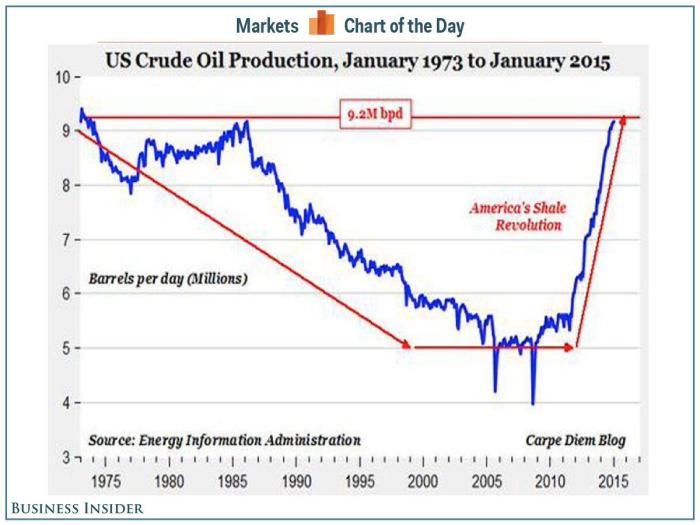
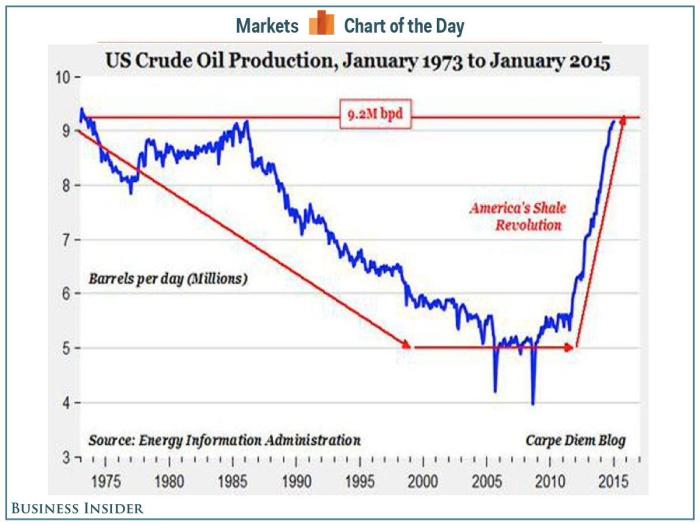
The emergence of shale oil production has significantly impacted the global oil market. A graph comparing shale oil production levels against OPEC production quotas and oil prices over time will illustrate this dynamic. This chart should highlight periods where shale oil production has either supplemented or challenged OPEC’s control over oil supply and prices. The visual representation should reveal the influence of shale oil on the overall market balance, demonstrating how shale production can either limit or exacerbate price volatility when OPEC adjusts its production strategy.
Effect of the Price War on Global Economies
The recent price war’s impact on global economies can be visualized with a world map. Each region on the map would be color-coded based on the economic effects of the price war. For example, regions heavily reliant on oil exports (e.g., certain parts of Africa, the Middle East) could be colored in shades of red to indicate negative economic consequences.
Conversely, regions benefiting from lower oil prices (e.g., some parts of Asia, Europe) might be colored in shades of green. This map will provide a comprehensive overview of the uneven global distribution of the price war’s effects. A breakdown of economic indicators like GDP growth rates or inflation rates for various countries during the price war period would further enhance this visual.
Growth of Renewable Energy and Decline of Oil Demand
A bar chart showcasing the growth of renewable energy sources (solar, wind, hydro) alongside the decline in oil demand will illustrate the shift in global energy consumption. The chart should track the increase in renewable energy capacity and corresponding decrease in oil consumption over time. This visualization demonstrates the growing trend of transitioning away from fossil fuels and the potential for renewable energy to become a significant player in the energy market.
The chart should include projections to show the potential trajectory of renewable energy growth and oil demand decline.
Effects of Global Energy Policies on Oil Production
A series of stacked bar charts depicting the oil production levels of different countries over time, segmented by the relevant energy policies implemented in those countries, can visually demonstrate the impact of national energy policies on oil production. The charts will allow for comparisons between countries with different energy policies and how those policies affect oil production. This visualization will showcase how national energy policies, including subsidies, tax incentives, or carbon pricing mechanisms, directly affect oil production decisions.
Global Energy Mix in the Coming Years
A detailed infographic illustrating the global energy mix in the coming years will present a comprehensive picture. The infographic will show the projected percentages of different energy sources (coal, oil, natural gas, renewables) in the global energy mix by region. This would include a clear breakdown of the expected contribution from each energy source in different parts of the world.
The visualization will allow for a comprehensive understanding of the future energy landscape and the evolving mix of energy sources.
End of Discussion
In conclusion, the oil price war between OPEC and shale oil producers is a complex and multifaceted issue with far-reaching consequences. The outcome will depend on various factors, including OPEC’s production strategies, the adaptability of shale oil producers, and the global demand for energy. Alternative energy sources will likely play a larger role in the future, and governmental policies will also influence the long-term trajectory of the market.
This analysis provides a snapshot of the current situation and offers a glimpse into potential future scenarios.