Palestinians wary us backed aid group begins operations gaza – Palestinians wary of US-backed aid groups begins operations in Gaza, raising concerns about the intentions and effectiveness of this new initiative. This raises questions about past controversies and the existing political climate in the region. Will this aid alleviate suffering or further complicate the already tense situation? The historical context of the Palestinian-Israeli conflict, and the role of external actors, provides crucial background information.
How will this new aid group navigate the complex political landscape of Gaza?
The article delves into the historical context of aid organizations and external actors in the Palestinian-Israeli conflict. It analyzes the specific reasons for Palestinian wariness, examines the current political climate in Gaza, and explores the potential impact of the aid group’s operations on the Palestinian community. Different viewpoints and perspectives from both Palestinians and Israelis are considered, and the potential for future development and lasting positive relationships is also discussed.
Background of the Situation
The Palestinian-Israeli conflict, a protracted and complex struggle, has deeply entrenched roots in historical claims and political aspirations. The conflict’s origins are often traced back to the 1948 Arab-Israeli War, a period of displacement and conflict that dramatically reshaped the region. The subsequent occupation and the ongoing struggle for self-determination have created a volatile environment, affecting aid distribution and the relationship between Palestinians and external actors.The historical context of aid organizations and the involvement of external actors is crucial in understanding the present situation.
Many international aid groups have played a significant role in providing essential services to Palestinians, but this involvement has not always been viewed positively. Trust and suspicion often intertwine, as external actors are perceived to have political agendas that may not align with the interests of the Palestinian people.
Palestinian Wariness Towards US-Backed Aid Groups
Palestinian wariness toward US-backed aid organizations stems from a complex interplay of historical grievances, perceived political motivations, and the lack of Palestinian control over aid distribution. A long history of perceived bias and unequal treatment in aid allocation, often intertwined with geopolitical interests, has fostered a sense of distrust and suspicion. This wariness extends beyond specific incidents, encompassing a broader perception of external actors’ motives and their impact on Palestinian autonomy.
Current Political Climate in Gaza and its Impact on Aid Distribution
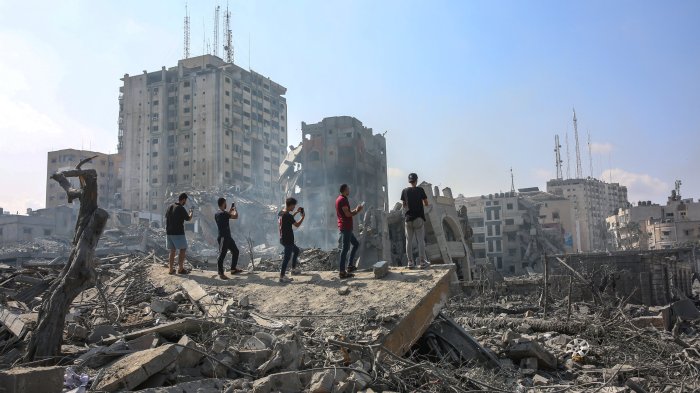
The current political climate in Gaza, marked by a prolonged blockade and ongoing conflicts, severely impacts aid distribution. The limitations on movement and access to resources hinder the efficient delivery of essential aid. This can lead to unequal distribution of aid, with certain communities or groups receiving less than others. The existing infrastructure and security concerns further complicate the process of aid delivery, often leading to delays and disruptions.
Examples of Past Incidents or Controversies
Numerous instances highlight the controversies surrounding US-backed aid organizations. These controversies frequently involve accusations of bias in aid distribution, accusations of favoring specific communities, and a lack of transparency in the allocation of resources. Such controversies, when coupled with historical grievances, erode trust and create skepticism about the motives of external aid organizations.
Aid Organizations and Their Relationships with the Palestinian Population
The relationships between various aid organizations and the Palestinian population are varied and complex. Some organizations have established strong relationships built on trust and mutual respect, while others face significant skepticism due to perceived biases.
| Aid Organization | Relationship with Palestinian Population | Key Considerations |
|---|---|---|
| Organization A | Generally positive, though concerns exist regarding the influence of external actors. | Transparency and community involvement are key for strengthening relationships. |
| Organization B | Mixed, with periods of positive engagement followed by controversies related to aid distribution. | Addressing concerns regarding bias and ensuring equitable distribution is crucial. |
| Organization C | Suspicion and distrust due to perceived political motivations. | Building trust and demonstrating genuine commitment to Palestinian needs is vital. |
Analysis of the Aid Group’s Operations
The newly established aid group, operating in Gaza with US backing, faces a complex landscape of pre-existing mistrust and deeply entrenched socio-political dynamics. Their success hinges not only on the practical delivery of aid but also on the delicate art of building trust and addressing the multifaceted needs of the Palestinian community. The group must navigate a delicate balance between adhering to donor expectations and responding to the unique needs of the affected population.Gaining the trust of the Palestinian community requires a multi-pronged approach.
Understanding the historical context, acknowledging the political sensitivities, and demonstrating genuine commitment to the community are paramount. This requires active listening, a willingness to collaborate with local organizations, and a transparent approach to operations. Simply delivering aid without building rapport will not address the root causes of the problems.
Methods Employed to Gain Trust and Cooperation
Building trust is paramount for the aid group’s effectiveness. Strategies include community consultations, involving local leaders and representatives in planning and implementation. Transparent communication channels are essential to keep the community informed about the group’s activities, procedures, and progress. Demonstrating accountability through regular reporting and feedback mechanisms will foster a sense of partnership and ownership. The group should actively seek input from the community regarding the most pressing needs and priorities, ensuring aid is targeted effectively.
Potential Challenges and Obstacles
The aid group faces numerous obstacles in Gaza, including bureaucratic hurdles, logistical complexities, and security concerns. Competition with other aid organizations might also create difficulties in resource allocation and potentially erode the aid group’s impact. Political sensitivities and potential accusations of bias, whether real or perceived, are significant challenges. Working within the complex political landscape of Gaza necessitates a nuanced approach, avoiding actions that could inadvertently escalate tensions or harm relationships with local organizations.
The group must also be mindful of potential accusations of supporting specific political factions, which could alienate segments of the population.
Palestinians are understandably wary of the newly launched US-backed aid group operating in Gaza. Meanwhile, a significant development in international trade is the potential US-Mexico deal to slash steel tariffs, as reported by Bloomberg here. This new aid group’s motives remain unclear, adding to the concerns of the Palestinian community. Hopefully, transparency and clear intentions will alleviate these concerns.
Aid Group’s Strategies for Addressing Concerns and Grievances
Effective strategies for addressing concerns and grievances involve creating dedicated channels for feedback and complaints. Establishing a system for conflict resolution and mediation can address conflicts arising from aid distribution or other operations. Actively seeking feedback and responding to legitimate concerns demonstrates a commitment to transparency and responsiveness. The group should be prepared to address criticisms and allegations with respect and consideration, while maintaining a clear and transparent communication strategy.
The Palestinians are understandably wary of a US-backed aid group starting operations in Gaza. There are always concerns about foreign involvement, especially when there are ongoing political tensions. This is reminiscent of the recent arrest of Mahrang Baloch in Balochistan, Pakistan, highlighting the delicate political situations in the region. mahrang baloch arrest balochistan pakistan This complicated web of political factors makes any aid effort fraught with suspicion.
Ultimately, the Palestinians need support that is trustworthy and aligned with their best interests, regardless of the involvement of external actors.
Acknowledging and learning from past mistakes or missteps are critical in building credibility and trust.
Comparison to Similar Aid Organizations
Different aid organizations have adopted varied approaches to aid delivery in the region. Some organizations prioritize large-scale projects, while others focus on community-based initiatives. Some favor direct aid delivery, whereas others work through local NGOs. The aid group’s approach should carefully consider the strengths and weaknesses of existing models, adapting them to the specific context of Gaza.
A comprehensive analysis of the approaches of various aid organizations in the region will provide valuable insights and inform the group’s strategy.
Comparison Table of Aid Organization Approaches
| Aid Organization | Approach | Focus | Potential Strengths | Potential Weaknesses |
|---|---|---|---|---|
| Organization A | Large-scale projects | Infrastructure development | Significant impact on a large scale | May not address immediate needs, potential for overlooking community concerns |
| Organization B | Community-based initiatives | Empowerment and capacity building | Addresses community needs directly, fosters ownership | May have limited reach, potentially slower impact |
| Organization C | Direct aid delivery | Immediate relief | Quick response to emergencies | Potential for dependency, may not address long-term needs |
Impact and Implications
The arrival of this US-backed aid group in Gaza presents a complex interplay of potential benefits and drawbacks for the Palestinian community and the broader regional landscape. While humanitarian assistance is crucial in a conflict zone, the political context surrounding the aid group’s operations necessitates careful consideration of its long-term effects. The group’s actions could significantly influence the dynamics of the conflict and the potential for peace.This initiative, though well-intentioned, could be perceived differently depending on the perspective.
For Palestinians, it might be viewed as a necessary lifeline, offering essential support. However, others may see it as a tool of political leverage, potentially undermining efforts for a comprehensive and just resolution to the conflict. The broader implications extend beyond Gaza, potentially influencing regional stability and the overall approach to humanitarian aid in similar contexts.
The Palestinians are understandably cautious about a new US-backed aid group starting operations in Gaza. There are always concerns when foreign entities get involved, especially when trust is already low. This situation reminds me of the often-hyped health benefits of apple cider vinegar, and the many influencers promoting it online. These health influencers often tout the purported benefits, but rigorous scientific studies are still needed to confirm those claims.
Hopefully, this new aid group will operate transparently and be accountable to the Palestinian people, building trust rather than creating more division.
Potential Long-Term Effects on the Palestinian Community
The aid group’s operations could have various long-term effects on the Palestinian community. Positive outcomes could include improved living conditions, enhanced healthcare access, and greater resilience in the face of ongoing challenges. However, concerns exist about the potential for dependency on external aid, the creation of unintended political divisions, and the influence on local governance structures. The group’s impact on Palestinian self-sufficiency and their ability to manage their own affairs needs careful monitoring.
Broader Implications for the Conflict and Regional Stability
The presence of the aid group in Gaza might affect the ongoing conflict in several ways. It could alter the balance of power, potentially affecting the negotiating table or peace processes. The international community’s response to the aid initiative could also influence the perception of the conflict and the broader regional dynamics. The presence of a foreign aid group might influence the relationships among different factions and individuals in the Palestinian community, affecting their internal power dynamics.
Examples of Similar Aid Initiatives in the Region
Past aid initiatives in the region have presented mixed outcomes. Some have successfully alleviated suffering and fostered stability, while others have exacerbated tensions or led to unintended consequences. For example, the influx of international aid following the 2006 Lebanon War, though well-intentioned, also contributed to the political fragmentation of the country. The lessons learned from these experiences offer valuable insights into the potential challenges and opportunities associated with the current aid initiative.
Analyzing past interventions can illuminate potential pitfalls and highlight the need for careful consideration of the political context.
Role of International Organizations and Their Response
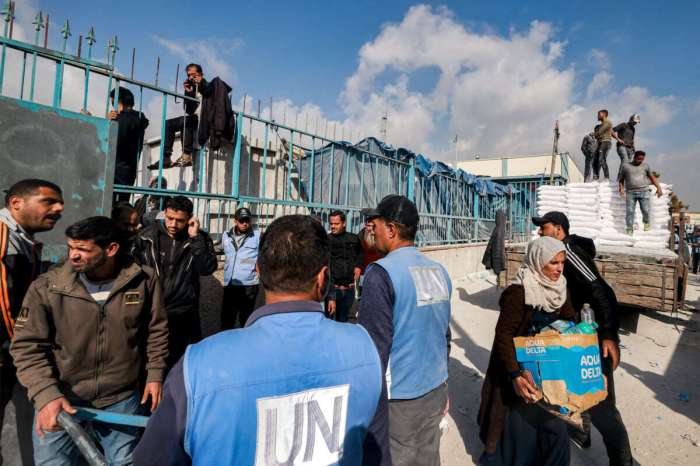
The role of international organizations, such as the UN, in responding to the situation is crucial. Their response could significantly influence the effectiveness and impact of the aid group’s operations. Collaboration between the aid group and international organizations can lead to better coordination, increased efficiency, and a more comprehensive approach to addressing the needs of the Palestinian community.
International organizations play a vital role in mediating between different actors and ensuring accountability.
Impact on Ongoing Negotiations or Peace Processes
The aid group’s activities could influence the ongoing negotiations or peace processes in the region. The initiative might be perceived as a sign of international support for the Palestinian cause, potentially bolstering the negotiating position of Palestinian leaders. Conversely, it might be viewed as a move to legitimize the current status quo, hindering progress toward a comprehensive resolution.
The initiative’s impact on the peace process depends on how it’s perceived and utilized by all parties involved.
Potential Outcomes of the Aid Group’s Operations in Gaza
| Potential Outcome | Positive Impact | Negative Impact |
|---|---|---|
| Improved Living Conditions | Enhanced access to healthcare, education, and basic necessities. | Potential for dependency on external aid. |
| Increased Resilience | Strengthened community networks and coping mechanisms. | Potential for unintended political divisions. |
| Influence on Peace Process | Increased international attention and support. | Perception of legitimizing the status quo. |
| Regional Stability | Potential for de-escalation of tensions. | Potential for further conflict or instability. |
Public Perception and Discourse
The arrival of the US-backed aid group in Gaza has ignited a complex and multifaceted public discourse, marked by differing perspectives and interpretations. Palestinians and Israelis hold distinct viewpoints, shaped by historical context, political narratives, and varying levels of trust in international actors. Media coverage has played a crucial role in shaping public opinion, often framing the situation in ways that reflect the pre-existing biases and concerns of different audiences.This discourse is further complicated by the potential for misinformation and manipulation, which can distort the public understanding of the aid group’s activities and their impact.
Analyzing the nuances of these narratives is essential to understanding the true impact of this aid initiative on the ground.
Palestinian Perspectives
Palestinian public discourse often centers on the aid group’s perceived legitimacy and its ability to address the pressing needs of the Palestinian population. Concerns about potential political agendas or a lack of genuine commitment to Palestinian self-determination are prevalent. Statements by Palestinian civil society groups and community leaders often express cautious optimism alongside these reservations, highlighting the importance of transparency and accountability in the aid group’s operations.
- A common narrative emphasizes the importance of independent and locally driven aid efforts, suggesting that external aid groups may not fully understand the specific needs and contexts of the Palestinian population. Some fear the aid group could potentially overshadow or supplant existing Palestinian humanitarian organizations.
- Palestinian public figures often highlight the historical context of aid initiatives in the region, citing past instances where such aid has been perceived as ineffective or even counterproductive. These narratives caution against misplaced optimism and underscore the need for sustained support.
Israeli Perspectives
Israeli perspectives on the aid group’s operations are often shaped by security concerns and anxieties about the potential for the aid group to support Hamas or other militant groups. Israeli media outlets frequently highlight the need for scrutiny and verification of the aid group’s activities to ensure that resources are not diverted to potentially harmful ends.
- Some Israeli commentators argue that the aid group’s presence could be exploited by Hamas for propaganda or to bolster its image among the international community. They emphasize the importance of stringent monitoring and reporting to prevent such exploitation.
- The narrative frequently revolves around the perceived need to balance humanitarian aid with security concerns, with a strong emphasis on preventing aid from being used to support activities that harm Israeli interests.
Media Coverage and Framing
Media coverage of the aid group’s activities has varied considerably across different outlets, reflecting the different biases and priorities of each news source. Some outlets prioritize the humanitarian aspects of the aid group’s work, while others focus on potential security risks.
- International news organizations often present a balanced perspective, attempting to cover both the positive and negative aspects of the aid group’s work. They frequently incorporate statements from both Palestinian and Israeli officials.
- Regional news outlets may present a more politicized view, highlighting the existing political tensions between Palestinians and Israelis and framing the aid group’s operations within the broader context of the Israeli-Palestinian conflict.
Potential for Misinformation and Manipulation
The sensitive nature of the aid group’s operations in Gaza creates a fertile ground for misinformation and manipulation. The potential for misleading information about the aid group’s activities and their impact on the Palestinian population is significant.
- Misinformation can be disseminated through social media and online platforms, further complicating the public discourse and potentially undermining the aid group’s efforts.
- There is a risk of selectively highlighting negative aspects of the aid group’s operations to create a skewed narrative that undermines public trust.
Summary Table of Viewpoints
| Viewpoint | Key Concerns/Narratives | Examples |
|---|---|---|
| Palestinian | Legitimacy, political agendas, local needs, transparency, potential overshadowing of local groups. | “This aid should be managed locally, not imposed by external groups.” |
| Israeli | Security concerns, potential support for Hamas, need for monitoring, balance between aid and security. | “We must ensure this aid doesn’t fall into the wrong hands.” |
| International Media | Balanced perspective, incorporating viewpoints from both sides, highlighting humanitarian aspects. | Focus on the needs of the population, but also addressing potential security concerns. |
Potential for Future Development
Building trust and fostering genuine partnerships between the aid group and Palestinian organizations is crucial for long-term success. A shared vision, transparent communication, and effective strategies for aid distribution are essential to avoid past pitfalls and ensure the aid reaches those who need it most. This section explores potential avenues for collaboration, emphasizing sustainable solutions and community empowerment.
Potential for Cooperation with Palestinian Organizations
The aid group should actively seek opportunities to collaborate with existing Palestinian organizations. This can involve joint projects, knowledge sharing, and the leveraging of local expertise. This collaborative approach can increase the efficiency of aid delivery, ensuring it aligns with the specific needs of the community. Such collaborations can strengthen the aid group’s understanding of the local context and build trust with the community.
Strategies for Fostering Trust and Transparency
Transparent communication is vital. The aid group should maintain open dialogue with Palestinian organizations, providing regular updates on project progress, challenges, and successes. Regular meetings, workshops, and community forums can facilitate this dialogue. Documentation of the aid process, including clear reporting mechanisms and accountability measures, is paramount to ensure transparency. This approach builds trust and fosters a sense of shared ownership of the aid initiatives.
Enhancing Aid Distribution Effectiveness
To ensure the effectiveness of aid distribution, the aid group should consider adopting a needs-assessment approach. This involves gathering data on the specific needs of the population and tailoring aid initiatives accordingly. Utilizing existing community networks and local leaders for aid distribution can further enhance efficiency and reduce bureaucratic hurdles. This targeted approach can maximize the impact of the aid and ensure it reaches those most in need.
Examples include partnerships with local NGOs, schools, or community centers to coordinate aid delivery.
Potential Areas of Collaboration with Local Organizations, Palestinians wary us backed aid group begins operations gaza
Local organizations possess invaluable knowledge of the community’s needs and existing structures. Collaboration in this domain can significantly enhance the effectiveness of aid distribution and community engagement. Examples of potential collaboration include joint assessments of community needs, co-designing aid programs, and sharing resources and expertise. A proactive outreach to local organizations can identify potential partners and initiate dialogue for collaboration.
Establishing Lasting Positive Relationships
The aid group should prioritize the establishment of long-term relationships with Palestinian organizations. This requires a commitment to mutual respect, trust, and shared decision-making. Recognizing and valuing the contributions of local organizations is crucial for building lasting partnerships. Regular feedback mechanisms should be established to allow for ongoing dialogue and adjustment of the aid strategies. The aid group should focus on building capacity within Palestinian organizations, enabling them to become self-sufficient in the long term.
The goal is not simply to provide aid, but to empower the community to address its own needs sustainably.
Possible Partnerships between Aid Group and Local Organizations
| Aid Group Focus Area | Potential Local Organization Partner | Description of Collaboration |
|---|---|---|
| Emergency Relief | Local Red Crescent Chapter | Joint response to emergencies, utilizing the local chapter’s existing network and understanding of community needs. |
| Education Support | Local School Management Committee | Identifying educational gaps and providing resources and support, leveraging the committee’s knowledge of local school systems. |
| Economic Development | Small Business Development Center | Providing training and resources to local entrepreneurs, drawing on the center’s expertise and existing network. |
| Healthcare Support | Local Health Clinic | Supplementing existing healthcare services with equipment, training, and resources, working alongside the clinic’s medical professionals. |
Visual Representation
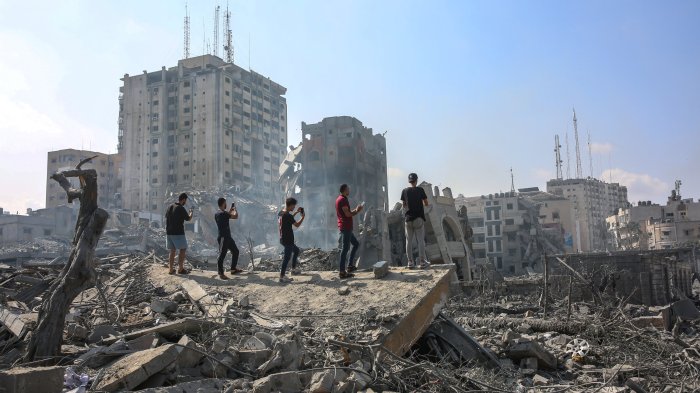
The visual representation of aid group activities plays a crucial role in shaping public perception and influencing support. Effective imagery can humanize the plight of those in need and inspire empathy, while poor or manipulative visuals can undermine trust and credibility. The choice of visual elements is significant, as it speaks volumes about the group’s values, priorities, and approach.
Imagery and Messaging
Visuals are powerful tools for conveying complex narratives. Photos and videos of aid distribution, community engagement, and the impact of the aid on individuals and families can effectively communicate the group’s mission and achievements. The use of specific colors, lighting, and composition can further emphasize the message, evoking emotions like hope, resilience, and solidarity. These visuals aim to portray the reality of the situation in Gaza, highlighting the human cost of conflict and the importance of humanitarian assistance.
Potential for Bias and Manipulation
Carefully consider the potential for bias or manipulation in the chosen imagery. For instance, overly staged or posed photographs can appear artificial and undermine the authenticity of the aid group’s efforts. Similarly, the selection of specific individuals or events can create a skewed narrative, potentially overlooking other critical aspects of the situation. Visuals must accurately reflect the diversity of the affected population and avoid perpetuating harmful stereotypes.
Careful attention to detail and a commitment to ethical representation are paramount in avoiding such biases.
Examples from Similar Organizations
Numerous humanitarian organizations in the region have successfully employed visual storytelling to raise awareness and garner support. For instance, the International Committee of the Red Cross often utilizes images of medical aid distribution, highlighting the universal need for medical care and humanitarian assistance in conflict zones. Other organizations frequently feature portraits of individuals affected by conflict, emphasizing the human cost of the crisis.
Learning from successful examples can guide the aid group in creating effective visual strategies.
Visual Representation Table
| Image | Caption |
|---|---|
| A photo of a group of Palestinian children receiving food packages from aid workers. The children are smiling and looking at the camera. | This image portrays the direct impact of the aid group’s work on the lives of children. The smiles and positive expressions convey a sense of hope and relief. |
| A video of a medical team providing healthcare services to injured Palestinians. The video shows the team working in a makeshift clinic, surrounded by other injured people. | This video illustrates the aid group’s focus on providing essential medical care to those in need. The environment emphasizes the urgency and necessity of medical aid in conflict zones. |
| A photo of a community center being built with the help of volunteers. The photo shows the progress being made and the enthusiasm of the local community. | This image depicts the aid group’s efforts to rebuild infrastructure and foster community resilience. The image highlights the active participation of the local community and the collective efforts towards rebuilding. |
Final Wrap-Up: Palestinians Wary Us Backed Aid Group Begins Operations Gaza
In conclusion, the arrival of this US-backed aid group in Gaza sparks a complex web of expectations and concerns. The potential for both positive and negative outcomes is significant. The group’s approach to building trust and addressing Palestinian grievances will be crucial in determining the long-term impact of their operations. The article’s analysis of public discourse and potential future developments provides a comprehensive overview of this important issue.