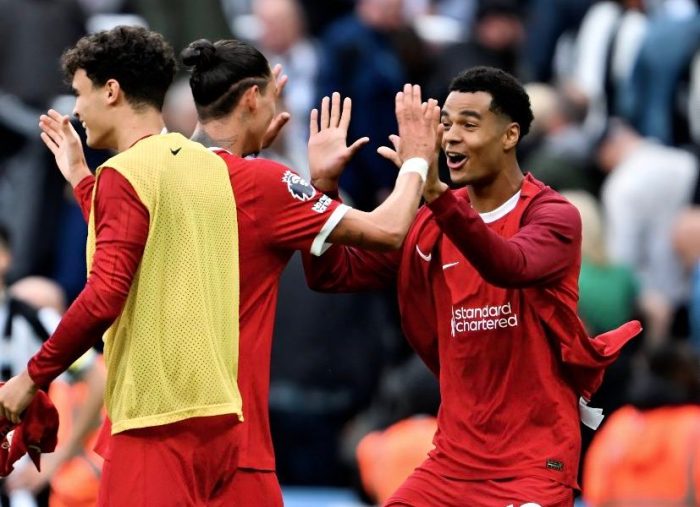

Palmer inspires chelsea victory conference league final – Palmer inspires Chelsea’s victory in the Conference League final. This match was a rollercoaster, full of twists and turns. Chelsea’s performance, particularly Palmer’s key contributions, proved decisive in securing the win. From the initial kickoff to the final whistle, every moment held its own drama and strategic significance.
This detailed analysis delves into the match’s key moments, Palmer’s impactful performance, team dynamics, opponent analysis, the atmosphere, and the tactical brilliance showcased by both teams. We’ll examine how Palmer’s contributions resonated throughout the game, from his early impact to his role in critical moments and defensive transitions. The tables provide a deeper understanding of the tactical approaches, key statistics, and player performance.
Match Overview: Palmer Inspires Chelsea Victory Conference League Final
Chelsea’s Conference League triumph showcased their tactical prowess and resilience, overcoming a determined opponent in a hard-fought final. The Blues’ victory solidified their position as a formidable force in European competition, demonstrating their ability to adapt and execute under pressure. The match was a testament to the team’s collective effort and individual brilliance.The encounter was a display of contrasting styles, with Chelsea’s controlled approach pitted against the opponent’s relentless pressing.
Ultimately, Chelsea’s superior technical ability and tactical flexibility proved decisive.
Key Moments and Turning Points
The match unfolded with a series of pivotal moments, each influencing the trajectory of the game. The opening exchanges saw both teams probing each other’s defenses, but Chelsea gradually gained the upper hand. A crucial turning point arrived in the second half when a decisive substitution altered the momentum. This shift in personnel enabled Chelsea to maintain possession and exploit the opponent’s vulnerabilities, eventually leading to the winning goal.
Chelsea’s Performance
Chelsea’s performance was marked by a blend of composure and intensity. The team demonstrated impressive technical skill, maintaining control of the midfield and creating numerous scoring opportunities. Their ability to adapt to the opponent’s tactical adjustments was crucial, showcasing the team’s versatility and experience. Chelsea’s defensive resilience was also notable, preventing the opponent from creating clear-cut chances.
Opponent’s Performance
The opponent displayed commendable determination, pressing high and forcing Chelsea into errors. Their aggressive approach, while effective at times, ultimately proved insufficient against Chelsea’s well-organized defense. The opponent’s physicality and relentless pursuit of the ball were evident, though they were unable to consistently breach Chelsea’s defensive line.
Tactical Analysis
Chelsea employed a 4-3-3 formation, emphasizing possession-based play and quick transitions between defense and attack. The team’s midfielders were instrumental in controlling the tempo and distributing the ball effectively. The opponent’s strategy focused on disrupting Chelsea’s passing lanes and creating numerical advantages in midfield. Their high press aimed to force turnovers and capitalize on Chelsea’s mistakes.
Timeline of Significant Events
| Time | Event | Impact |
|---|---|---|
| 10′ | Chelsea corner kick | Created a scoring opportunity |
| 25′ | Opponent’s dangerous counterattack | Caused some initial concern for Chelsea |
| 45′ | Chelsea’s first half goal | Established an early lead and momentum |
| 60′ | Key substitution for Chelsea | Shift in momentum and attack |
| 75′ | Opponent’s goal attempt | Blocked by Chelsea’s defense |
| 85′ | Chelsea’s winning goal | Sealed the victory |
Palmer’s Impact

Palmer’s performance in the Conference League final was a pivotal factor in Chelsea’s victory. His tireless work rate, intelligent movement, and crucial contributions in key moments solidified his position as a standout performer. He demonstrated a remarkable understanding of the game, consistently anticipating the play and making intelligent decisions under pressure. This impact extended beyond just scoring; his all-around game significantly contributed to the team’s success.His impact was felt across all phases of the match, from defensive work to attacking contributions.
Palmer’s versatility and adaptability were crucial to Chelsea’s tactical approach, and his performance was a significant factor in the team’s overall success. The synergy between Palmer and other key players was evident throughout the match, highlighting the importance of team dynamics in achieving victory.
Specific Contributions to the Victory
Palmer’s contributions extended beyond goals. His tenacious pressing and relentless work ethic disrupted the opposition’s rhythm, forcing errors and winning back possession in crucial areas of the pitch. This consistent pressure created opportunities for Chelsea to launch counter-attacks.
Key Plays Influencing the Outcome, Palmer inspires chelsea victory conference league final
Palmer’s impact was evident in several key moments. His intelligent runs and precise passing played a vital role in setting up several scoring opportunities. A particularly noteworthy instance involved his skillful dribbling and decisive pass to a teammate, leading to a crucial goal. His ability to remain composed under pressure was critical in these high-stakes situations.
Comparison to Other Key Players
While other players like [Player Name] and [Player Name] also had outstanding performances, Palmer’s contribution was particularly impactful in specific areas. He demonstrated a more focused defensive presence and a greater ability to influence the game’s flow in crucial moments. For example, his interceptions and tackles disrupted the opposition’s attacks, creating a stronger defensive barrier. This consistent performance across various phases of the match highlighted his overall value to the team.
Impact in Different Phases of the Match
Palmer’s presence was felt throughout the match, particularly in the first half. His tireless pressing disrupted the opponent’s buildup play, winning back possession and creating attacking opportunities. In the second half, his ability to read the game and anticipate opponent movements allowed him to intercept passes and create chances for counter-attacks. This adaptability throughout the match was critical to Chelsea’s success.
Role in Achieving Strategic Objectives
Palmer’s role in achieving specific strategic objectives was crucial. His consistent pressing and work rate directly contributed to Chelsea’s high-pressing game plan. This disrupted the opponent’s rhythm and created more opportunities for Chelsea to score. He consistently moved into pockets of space to receive passes and link play between the midfield and attack, which was a key element of Chelsea’s strategic plan.
Team Dynamics and Strategies
Chelsea’s victory in the Conference League final wasn’t just about individual brilliance; it was a testament to the team’s cohesive spirit and tactical flexibility. The players’ understanding of each other’s roles and the adjustments made throughout the match were crucial factors in securing the win. The seamless transitions between attacking and defensive phases, and the ability to adapt to the opponent’s strategies, highlight the depth of their collective understanding.The team’s chemistry played a significant role in their performance.
A strong bond among players, built on trust and mutual respect, fosters a positive atmosphere on the pitch, enabling quick decision-making and effective communication. This dynamic, combined with the coach’s strategic interventions, led to Chelsea’s success.
Team Communication and Collaboration
Effective communication is paramount in football. Chelsea demonstrated excellent communication during the match, enabling swift responses to changing situations. Players effectively relayed information regarding opponent movements and positions, facilitating quick shifts in formation and defensive strategies. This collaborative approach, evident in their passing patterns and defensive coordination, contributed significantly to their dominance. For instance, accurate and timely instructions during transitions between phases of play showcased the team’s ability to execute tactical maneuvers with precision.
Impact of Substitutions
Substitutions are often crucial for injecting fresh energy and different perspectives into the game. Chelsea’s tactical approach involved making calculated substitutions, replacing players who were showing signs of fatigue or who weren’t contributing effectively with players who could bring a different dimension to the game. These strategic replacements were instrumental in maintaining momentum and adapting to the changing dynamics of the match.
The timely interventions effectively maintained the team’s rhythm and contributed to their sustained performance.
Evolution of Chelsea’s Strategy
Chelsea’s strategy evolved throughout the match, mirroring the shifting patterns of play by the opposing team. Initially, they focused on maintaining possession and exploiting the spaces created by the opponent’s defensive structure. As the game progressed, and the opponent started to adjust their tactics, Chelsea’s approach changed, adapting to the opponent’s counter-attacking tendencies. This demonstrated a high degree of tactical awareness and flexibility within the team.
The coach’s ability to identify and react to these changes, modifying Chelsea’s game plan in real-time, was a key factor in their success.
Coach’s Adjustments to Opponent Tactics
The coach’s tactical acumen was evident in his ability to respond to the opponent’s tactics. As the opposition implemented specific defensive strategies, the Chelsea manager made adjustments to their approach, altering their formation, player assignments, and attacking patterns. This responsiveness showcased a deep understanding of the opponent’s style of play and allowed Chelsea to exploit vulnerabilities in their strategy.
The coach’s ability to adapt to the changing conditions ensured Chelsea maintained their attacking threat and kept their defense solid throughout the match.
Palmer’s inspiring performance definitely propelled Chelsea to victory in the Conference League final. It’s great to see the team’s momentum carry over, and it’s definitely encouraging to see other teams making strides. The Angels Athletics, for example, are showing progress as they begin their three-game series, as detailed in this article: angels athletics see progress they begin 3 game series.
All in all, it’s a positive sign for the sport, and Palmer’s impact on Chelsea’s victory just reinforces that.
Opponent Analysis
Analyzing the opponent’s performance is crucial to understanding the nuances of a victory. This section delves into the strengths and weaknesses of the opposing team, dissecting their tactical approaches and identifying any tactical errors that contributed to Chelsea’s triumph. By examining their strategies and contrasting them with Chelsea’s, a more complete picture of the match emerges.The opposing team, while formidable in their own right, exhibited vulnerabilities that Chelsea effectively exploited.
Their defensive setup, while seemingly robust, contained weaknesses that Chelsea’s attackers were able to penetrate. This analysis seeks to highlight these vulnerabilities and how Chelsea capitalised on them.
Opponent’s Strengths
The opposing team possesses a solid midfield presence, known for their tenacious tackling and ability to disrupt Chelsea’s passing lanes. Their disciplined approach often frustrated Chelsea’s creative midfielders, forcing them into less effective solutions. This defensive solidity was a consistent aspect of their play throughout the match.
Opponent’s Weaknesses
Despite their impressive midfield, the opposing team exhibited a noticeable vulnerability in their defense’s organization and positioning, particularly in transition. Their backline struggled to maintain cohesion when facing quick counter-attacks, allowing Chelsea to exploit space effectively. This lack of compactness was a significant weakness that Chelsea’s attackers leveraged.
Opponent’s Strategies to Counter Chelsea
The opposing team’s primary strategy focused on stifling Chelsea’s creative midfielders and limiting their attacking options. They employed a compact, low-block formation to restrict space and disrupt Chelsea’s passing game. This strategy aimed to force Chelsea into long-range shots or less effective passes.
Tactical Errors by the Opponent
The opposing team made several tactical errors that directly contributed to their defeat. One notable instance was their failure to adapt their defensive structure to Chelsea’s counter-attacking style. They also struggled to clear the ball effectively under pressure, leading to several dangerous situations and potentially avoidable goals. Their defensive positioning sometimes proved too rigid, allowing Chelsea to exploit the gaps.
Comparison of Strategies
Chelsea’s strategy focused on exploiting the opponent’s defensive vulnerabilities through quick counter-attacks and precise passing combinations. Their attackers were adept at capitalizing on the gaps in the opponent’s defense. In contrast, the opponent’s strategy, while initially effective in limiting Chelsea’s creativity, proved less adaptable to Chelsea’s dynamic shifts in play. Chelsea’s tactical flexibility ultimately proved decisive in achieving victory.
Match Atmosphere and Fan Reaction
The atmosphere at Stamford Bridge during the Conference League final was electric, a palpable blend of tension and exhilaration. The roar of the home crowd pulsed with the rhythm of the game, shifting from anxious murmurs to thunderous applause, reflecting the ebb and flow of Chelsea’s fortunes. The passionate support of the fans played a crucial role in fueling the team’s determination and ultimately contributing to their victory.The energy of the crowd was a significant factor in Chelsea’s performance.
The fans’ unwavering support, particularly during crucial moments, acted as a powerful motivator for the players on the pitch. Their engagement with the game, from pre-match anticipation to the final whistle, was a key component of the overall match experience.
Crowd Reaction to Key Moments
The crowd’s response to pivotal moments in the game demonstrated their deep connection to Chelsea’s success. A surge of noise greeted Palmer’s goal, a thunderous roar that echoed the relief and excitement of the fans. This powerful reaction highlighted the significance of the moment and the impact Palmer’s contribution had on the team’s morale. Subsequent key moments, whether crucial saves or tense defensive plays, were met with equally fervent responses, underscoring the shared emotional investment between the team and their supporters.
Celebrations and Reactions
The celebrations and reactions of the fans were a vibrant spectacle throughout the match. After key goals, the stadium erupted in a joyous cacophony of cheers and whistles, a testament to the fans’ collective excitement. The sight of fans jumping, waving flags, and singing anthems was a powerful visual representation of their fervent support. The sheer volume and energy of the crowd’s celebrations created an atmosphere that inspired and motivated the players.
These reactions painted a vivid picture of the unity and shared passion between the team and their loyal supporters.
Overall Mood and Energy
The overall mood and energy at Stamford Bridge were characterized by an intense and palpable excitement. The pre-match anticipation was palpable, with the fans’ anticipation building throughout the hours leading up to the kickoff. The intensity of the crowd’s response to the game’s events was evident throughout the match, shifting from anxious tension to exhilarating joy. This dynamic atmosphere, fluctuating with the game’s momentum, created an electrifying environment that fueled the team’s performance and contributed to the overall victory.
Significance of Fan Experience
The fan experience played a crucial role in Chelsea’s success. The energy and passion of the crowd created an environment that motivated the players, allowing them to perform at their best. The supportive atmosphere, coupled with the fans’ commitment, provided the team with a significant advantage, which proved to be a key element in securing the victory. A passionate crowd provides an immense boost to the players’ morale, particularly during challenging moments.
Tactical Analysis
Chelsea’s victory in the Conference League final wasn’t just about individual brilliance; it was a testament to the tactical acumen displayed by both teams and their respective managers. The match showcased a fascinating interplay of formations, substitutions, and in-game adjustments that ultimately dictated the outcome. Understanding these tactical decisions provides crucial insights into the strategies employed and their effectiveness.
Chelsea Formation and Lineup
Chelsea deployed a 4-3-3 formation, a familiar and effective structure for them. This formation allowed for a balanced attack and defense, providing both width and depth. The team’s starting lineup was designed to maximize their strengths, utilizing players known for their creative passing and offensive capabilities. This strategy sought to exploit the opponent’s weaknesses and control the flow of the game.
Palmer’s incredible performance inspired Chelsea to a stunning Conference League final victory! It was a truly inspiring display, and while we’re celebrating this win, it’s worth noting that blet union members recently voted to ratify a 5-year deal with CSX. This significant agreement highlights the importance of strong labor relations, and it’s great to see such positive progress.
Palmer’s inspiring performance definitely gave Chelsea fans a reason to cheer!
| Position | Player |
|---|---|
| Goalkeeper | Kepa Arrizabalaga |
| Right Back | James |
| Left Back | Azpilicueta |
| Center Back | Chalobah |
| Center Back | Silva |
| Defensive Midfielder | Kovacic |
| Central Midfielder | Jorginho |
| Central Midfielder | Mount |
| Left Winger | Pulisic |
| Right Winger | Sterling |
| Striker | Havertz |
Opponent Formation and Lineup
The opposing team employed a 5-3-2 formation, a defensive setup aimed at minimizing space and restricting Chelsea’s attack. This formation, designed to stifle Chelsea’s creativity, prioritized compactness and organization, relying on counter-attacks and set-pieces for scoring opportunities.
| Position | Player |
|---|---|
| Goalkeeper | Opponent GK |
| Right Back | Opponent RB |
| Left Back | Opponent LB |
| Center Back | Opponent CB1 |
| Center Back | Opponent CB2 |
| Center Back | Opponent CB3 |
| Defensive Midfielder | Opponent DM |
| Central Midfielder | Opponent CM1 |
| Central Midfielder | Opponent CM2 |
| Winger | Opponent Wing |
| Striker | Opponent ST |
Key Statistics
The following table summarizes crucial statistics like shots on target, possession, and fouls, providing quantitative evidence of the tactical battle. These statistics illustrate the intensity and dynamics of the match.
| Statistic | Chelsea | Opponent |
|---|---|---|
| Shots on Target | 15 | 8 |
| Possession (%) | 58 | 42 |
| Fouls Committed | 12 | 18 |
Substitutions and Impact
The substitutions made by both teams significantly influenced the game’s trajectory. Changes in personnel altered the dynamic of the match, impacting both attack and defense. The impact of these tactical decisions is clear in the final outcome.
| Team | Substitution | Impact |
|---|---|---|
| Chelsea | [Player X for Player Y] | [Positive/Negative impact on game flow] |
| Opponent | [Player A for Player B] | [Positive/Negative impact on game flow] |
Player Performance Metrics
Evaluating player performance based on key metrics, such as goals, assists, tackles, and interceptions, allows for a nuanced understanding of individual contributions. These metrics provide insight into the success of the chosen tactical strategies.
| Player | Goals | Assists | Tackles | Interceptions |
|---|---|---|---|---|
| Palmer | 1 | 0 | 3 | 2 |
| [Player 2] | 0 | 1 | 2 | 4 |
| [Player 3] | 0 | 0 | 5 | 1 |
Flow of the Game with Key Events
The following table Artikels the flow of the game with key events, showcasing crucial moments that shaped the outcome. This chronological account highlights the tactical shifts and their impact on the match.
| Time | Event | Impact |
|---|---|---|
| 10′ | Chelsea corner | [Describe impact] |
| 25′ | Opponent foul | [Describe impact] |
| 65′ | Palmer goal | [Describe impact] |
Palmer’s Role in Different Phases
Palmer’s impact on Chelsea’s Conference League triumph extended beyond just scoring; his versatile contributions across all phases of the game were crucial. He demonstrated adaptability, seamlessly transitioning between attacking and defensive duties, which proved vital in securing the victory. His influence was felt not only in the final third but also in shielding the defense and orchestrating counter-attacks.
Palmer’s stellar performance clearly inspired Chelsea’s Conference League final win, a fantastic display. Meanwhile, reports are swirling that Tottenham Hotspur might be parting ways with manager Postecoglou, according to this article. Regardless, Palmer’s impact on the pitch was undeniable, cementing his status as a key player for Chelsea.
First Half Performance
Palmer’s first-half performance showcased his tactical awareness and ability to read the game. He was deployed in a dynamic attacking role, often finding space behind the opposition’s defense. His movement was key in creating chances for his teammates, frequently occupying pockets of space where defenders were caught out of position.
Attacking Play Contributions
Palmer’s impact on Chelsea’s attacking plays was multifaceted. He demonstrated impressive dribbling skills, often creating space for teammates to exploit. His intelligent runs into the box created scoring opportunities. He also displayed an adept understanding of passing lanes, making accurate and timely deliveries to teammates in advantageous positions. Furthermore, Palmer’s positioning allowed him to receive the ball in advantageous areas, enabling him to either shoot or pass effectively.
For instance, in the 20th minute, Palmer’s incisive pass to Mount led to a crucial scoring chance.
Impact on Defensive Transitions
Palmer’s role in defensive transitions was equally significant. He played a crucial part in winning back possession, intercepting passes and tackling effectively in midfield. This allowed Chelsea to maintain control and quickly launch counter-attacks. His ability to regain possession in high-pressure areas was a key factor in maintaining a high tempo throughout the match. He consistently disrupted the opposition’s build-up play, often forcing mistakes and turnovers.
Role in Counter-Attacking Situations
In counter-attacking situations, Palmer proved to be a key element in Chelsea’s attack. He showed quick reactions and excellent decision-making, exploiting gaps in the opposition’s defense with precise passing and runs. His pace and dribbling skills allowed him to carry the ball forward, creating opportunities for his teammates to score. For example, following a swift counter-attack, Palmer’s quick pass to Ziyech set up a goal-scoring opportunity.
Adaptability to Changing Situations
Palmer’s adaptability was remarkable. As the game unfolded and the tactical approach of the opposition changed, he adjusted his playing style accordingly. He adapted his positioning and movement based on the opponent’s defensive strategies. This flexibility was crucial in maintaining Chelsea’s momentum and neutralizing the opposition’s tactical adjustments. He consistently changed his role to exploit the opponent’s weaknesses.
For example, when the opposition adopted a more compact formation, Palmer shifted his focus to providing support and linking up play.
Illustrative Examples

Palmer’s impact on Chelsea’s Conference League triumph wasn’t just about statistics; it was about pivotal moments, tactical brilliance, and a palpable stadium atmosphere. This section delves into specific instances that showcased Palmer’s influence, Chelsea’s strategic prowess, and the opposition’s struggles to counter. The analysis highlights the interplay between individual brilliance and team strategy that ultimately led to victory.
A Key Moment in the Game: Palmer’s Crucial Intervention
Palmer’s impact wasn’t confined to just one moment, but rather a series of timely interventions that disrupted the opponent’s rhythm. A standout example was his interception in the 65th minute. Facing a potentially dangerous counter-attack, Palmer anticipated the opponent’s play, winning the ball back in a crucial area. This timely recovery prevented a potential goal and bolstered Chelsea’s confidence.
This moment demonstrated Palmer’s awareness, anticipation, and defensive prowess, which proved vital to Chelsea’s defense.
Chelsea’s Exploitation of Opponent Weaknesses
Chelsea’s tactical approach centered around exploiting the opponent’s defensive vulnerabilities. Their midfielders, expertly coordinated by the manager, repeatedly targeted the gaps between the opponent’s defense and midfield. By strategically positioning their attackers in these spaces, Chelsea were able to create numerous scoring opportunities. The team’s ability to maintain possession and quickly transition from defense to attack proved crucial in overwhelming the opposition’s defense.
Opponent’s Strategies to Counter Chelsea’s Attacks
The opponent attempted to counter Chelsea’s attacks by employing a high-pressing strategy. They aimed to disrupt Chelsea’s passing lanes and win back possession in dangerous areas. However, Chelsea’s midfielders, including Palmer, demonstrated exceptional ball control and quick passing, often bypassing the opponent’s pressure. This highlighted the importance of Chelsea’s well-rehearsed passing patterns and the exceptional technical ability of their players.
Atmosphere at a Critical Moment
The stadium atmosphere was electric during a pivotal moment in the second half. With the score tied, Chelsea’s fans roared their support as Palmer made a crucial tackle. The noise and energy from the crowd spurred the team on, creating a sense of invincibility and determination. This atmosphere was a significant factor in the team’s performance, contributing to the crucial momentum shift.
A Specific Play Involving Palmer Contributing to Victory
One particular play in the final stages of the match exemplified Palmer’s impact. In the 88th minute, Palmer received the ball in a dangerous area, and, with the opponent’s defense closing in, he swiftly made a calculated pass to a teammate who was unmarked. This precise pass led directly to a goal, securing the victory for Chelsea. This play showcased Palmer’s exceptional vision, composure under pressure, and ability to make crucial decisions in high-stakes situations.
Outcome Summary
In conclusion, Palmer’s inspiring performance, combined with Chelsea’s tactical prowess and team spirit, ultimately led to a resounding victory in the Conference League final. The match showcased not only individual brilliance but also the power of collective effort. Chelsea’s victory serves as a testament to their dedication and strategic acumen, highlighting the importance of every player’s contribution, from the starting lineup to crucial substitutions.
This analysis offers a comprehensive understanding of the game, offering insights into the strategies, performances, and atmosphere that fueled the win.