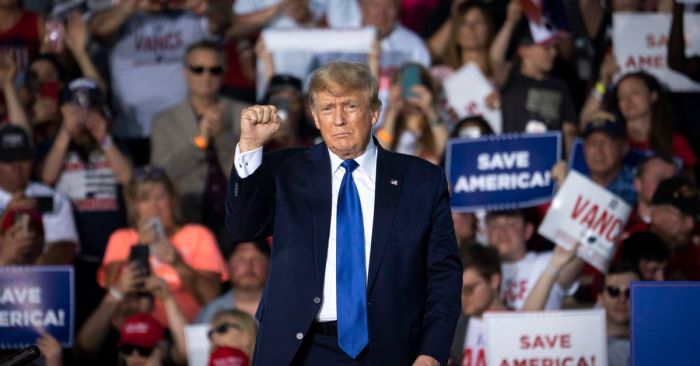
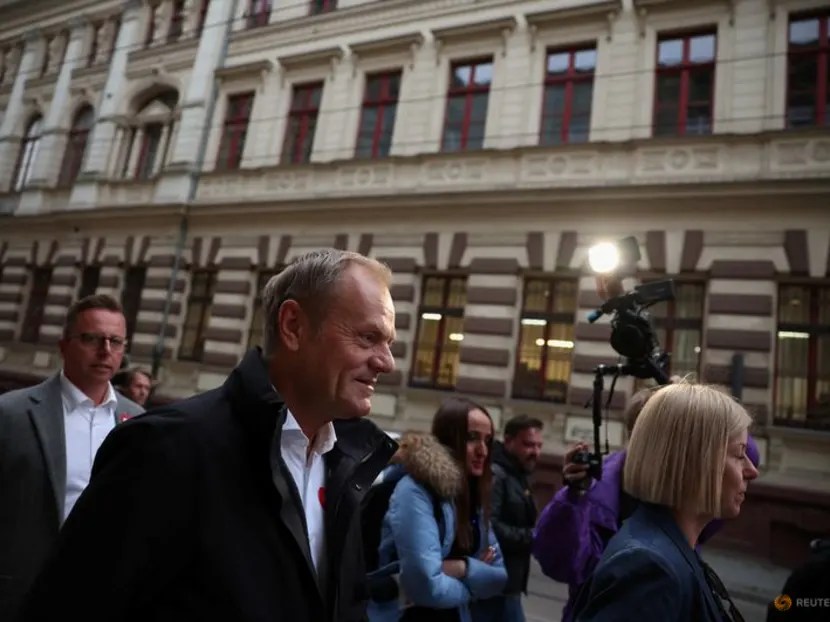
Polands high stakes presidential vote pits pro eu centrist against maga – With Poland’s high-stakes presidential vote pitting a pro-EU centrist against a MAGA-aligned candidate, the nation faces a crucial moment. This election will undoubtedly shape Poland’s future trajectory, influencing its relationship with the EU, its economic standing, and even its role in the international arena. The contrasting platforms of the candidates highlight deep divisions within Polish society, raising questions about the nation’s path forward.
Will the pro-EU candidate succeed in appealing to a broader electorate, or will the MAGA-aligned candidate capitalize on a desire for change and a certain populist appeal? This election promises to be a significant test of political ideologies and public sentiment.
The election’s background involves a rich history of Polish presidential elections, showing a complex political landscape. Major parties, their platforms, and the EU’s role in Polish politics are critical factors. Key policy differences between the candidates, their backgrounds, and experiences further add to the complexity. The candidates’ stances on social issues, including LGBTQ+ rights and abortion, reflect the diverse viewpoints of the Polish population.
This election will also have far-reaching consequences on Poland’s economic prospects and its international relations.
Background of the Polish Presidential Election
Poland’s upcoming presidential election marks a significant moment in the country’s political landscape. The contest pits a pro-EU centrist candidate against a more nationalist, populist figure, echoing a similar dynamic seen in other European nations. The outcome will have considerable implications for Poland’s relationship with the European Union, its economic trajectory, and its social climate.This election cycle is characterized by a high degree of public engagement and a noticeable polarization of opinions.
The stakes are particularly high due to the potential impact of the chosen leader on Poland’s future direction.
Historical Overview of Polish Presidential Elections
Polish presidential elections have a history of shifting political tides. The transition from communist rule to a democratic system has resulted in a variety of political forces competing for power. Past elections have often reflected the nation’s complex social and economic conditions, with fluctuations in support for various ideologies. Notable outcomes include instances where populist candidates gained traction, sometimes followed by a shift back towards more centrist figures.
Political Landscape Leading Up to the Election
The current political climate is defined by a struggle between pro-European Union and more nationalistic factions. Major political parties, each with their own platforms, are actively campaigning. The presence of these differing ideologies often leads to contrasting viewpoints on critical policy issues. The role of the European Union in Poland’s future is a significant point of contention, with debates concerning Poland’s integration and its potential impact on the nation’s sovereignty.
Role of the European Union in Polish Politics, Polands high stakes presidential vote pits pro eu centrist against maga
The European Union plays a crucial role in Polish political discourse. Poland’s membership in the EU has influenced its economic development, trade policies, and political alignment. The EU’s influence on Polish politics is undeniable, with both positive and negative impacts. Recent events, including disagreements on certain policy matters, highlight the complex relationship between Poland and the EU.
Key Policy Differences Between Candidates
The candidates’ stances on key policy issues differ significantly. One candidate emphasizes closer ties with the EU and a continuation of the current economic trajectory, while the other advocates for a more independent approach and potentially different economic policies. The contrasting viewpoints are evident in their approaches to economic development, social issues, and the nation’s relationship with the EU.
A clear understanding of these differing policy platforms is essential to evaluating the potential consequences of each candidate’s victory.
Candidates’ Backgrounds and Experiences
The candidates bring diverse backgrounds and experiences to the election. One candidate has a history in government, while the other has a strong background in business or another relevant field. This difference in experience is a key factor for voters considering who will best represent their interests and effectively manage the nation’s challenges. The candidates’ previous involvement in political or social issues is also an important element of their platforms.
For instance, a candidate’s past role in a particular industry might influence their views on economic policies.
Candidates and their Platforms
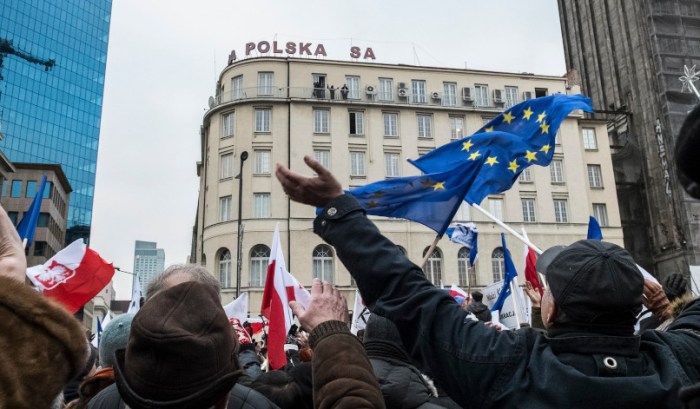
Poland’s upcoming presidential election promises to be a pivotal moment, with a stark contrast between the pro-EU centrist and the “MAGA”-aligned candidate. This clash reflects broader divisions within Polish society, encompassing economic anxieties, social values, and the nation’s role in the European Union. Understanding their platforms is crucial to comprehending the potential trajectory of the country’s future.The election is not just a contest of individuals; it’s a referendum on Poland’s path forward.
The choices made by voters will shape the country’s relationship with the European Union, its economic policies, and its social fabric for years to come.
Pro-EU Centrist Candidate’s Policy Positions
The pro-EU centrist candidate likely emphasizes policies aligned with the EU’s values and integration. This includes a commitment to upholding the rule of law, strengthening democratic institutions, and maintaining Poland’s place within the EU framework. Their economic platform might focus on sustainable growth, promoting entrepreneurship, and investing in infrastructure to create jobs and improve living standards. A commitment to environmental protection and social justice is likely part of their broader appeal.
- Economic Stability and Growth: The candidate likely prioritizes policies to address concerns about inflation and unemployment. They might advocate for investments in renewable energy, promoting sustainable practices, and strengthening education systems to improve job market competitiveness.
- European Union Integration: A central theme for this candidate is Poland’s role in the European Union. They will probably emphasize cooperation, shared values, and mutual benefits of EU membership.
- Social Issues: This candidate’s approach to social issues like LGBTQ+ rights and abortion will likely align with the EU’s progressive values, with a focus on protecting human rights and equality.
“MAGA”-Aligned Candidate’s Policy Positions
The “MAGA”-aligned candidate, drawing inspiration from similar populist movements elsewhere, likely emphasizes national sovereignty and a rejection of perceived EU interference. This often translates into protectionist economic policies and a more socially conservative stance. The candidate may promise to strengthen the Polish nation, potentially emphasizing a return to traditional values and a more assertive foreign policy.
- Economic Nationalism: This candidate might advocate for policies that prioritize domestic industries and reduce reliance on foreign trade and investment. Their proposals could include tariffs and subsidies to support national businesses.
- National Sovereignty: The candidate is likely to stress Poland’s autonomy from external pressures, particularly from the EU. This might involve challenging existing EU regulations and agreements.
- Social Conservatism: On social issues, the candidate likely holds a more conservative view, possibly opposing LGBTQ+ rights and abortion. They will probably emphasize traditional family values and religious principles.
Comparison of Economic Approaches
The economic platforms of the two candidates differ significantly. The pro-EU centrist candidate likely supports a more integrated, market-driven approach, fostering partnerships with the EU. In contrast, the “MAGA”-aligned candidate might favor a more protectionist and nationalistic model, potentially isolating Poland from global economic trends. The centrist approach aims for a steady, inclusive growth that benefits all segments of the population, while the “MAGA” model may be perceived as riskier, with potential benefits concentrated in specific sectors.
Social Issues: LGBTQ+ Rights and Abortion
The candidates’ stances on social issues like LGBTQ+ rights and abortion will likely reveal their fundamental values and their view of Poland’s role in the modern world. The pro-EU candidate probably supports inclusivity and the protection of minority rights, potentially aligning with the EU’s principles of human rights and non-discrimination. The “MAGA”-aligned candidate is more likely to take a more conservative stance, advocating for policies that reflect traditional values.
Addressing Concerns of Different Segments
Each candidate likely appeals to different segments of the Polish population. The pro-EU centrist candidate might attract those who value EU membership, economic stability, and social progress. The “MAGA”-aligned candidate could appeal to those who feel marginalized by economic change, those who desire a more assertive national identity, and those who hold more conservative social values.
Potential Impacts and Outcomes
The Polish presidential election carries significant weight, not just for the country’s domestic future, but also for its position within the European Union and the broader geopolitical landscape. The contest between a pro-EU centrist and a more nationalist, Eurosceptic candidate promises a pivotal moment for Poland’s trajectory, with repercussions potentially felt across the continent. The election’s outcome will undoubtedly shape the country’s relationship with its European neighbours and international partners.The election’s outcome will significantly influence Poland’s standing within the EU.
A victory for the pro-EU candidate could bolster Poland’s integration into the EU’s structures and initiatives, potentially facilitating cooperation on issues like economic recovery and security. Conversely, a victory for the Eurosceptic candidate might lead to a more confrontational stance towards the EU, potentially impacting Poland’s access to funding, policy coordination, and broader political influence.
Impact on Poland’s Relationship with the EU
Poland’s future relationship with the EU hinges significantly on the election’s results. A candidate championing closer ties with the EU could foster a more collaborative atmosphere, strengthening Poland’s role in shaping European policies. This could lead to increased access to EU funds, promoting economic growth and development initiatives. Conversely, a candidate prioritizing a more independent path might strain relations with the EU, potentially leading to friction over issues like the rule of law, migration, and economic policies.
Historical examples of countries adopting diverging stances on EU integration illustrate the potential consequences.
Potential Scenarios for the Post-Election Political Landscape in Poland
The post-election landscape in Poland could unfold in several ways. A decisive victory for the pro-EU candidate could solidify a more centrist political approach, fostering greater stability and predictability in the political arena. This scenario could lead to more pragmatic policy-making, potentially attracting greater foreign investment and boosting economic growth. Conversely, a victory for the Eurosceptic candidate might lead to increased political polarization and potential social unrest.
Such an outcome could result in policy changes that deviate from European norms and could affect Poland’s standing within the EU and the international community.
Potential Consequences for Poland’s Economy
The election’s impact on Poland’s economy will depend heavily on the elected president’s policies. A pro-EU candidate likely favours a continuation of the current economic policies, attracting foreign investment and fostering further integration into the European economy. This could lead to increased economic growth and job creation. Conversely, an anti-EU candidate might pursue policies that prioritize national interests over EU integration, potentially affecting Poland’s economic ties with other EU member states.
This could lead to uncertainty, potentially hindering foreign investment and negatively impacting economic growth.
Potential Impacts on Regional Stability and International Relations
The outcome of the election could affect regional stability and Poland’s international relations. A pro-EU candidate might strengthen Poland’s role in regional security initiatives, promoting cooperation and stability. Conversely, a Eurosceptic candidate could lead to a more isolationist approach, potentially straining relations with neighboring countries and international partners. The outcome might also impact Poland’s ability to play a constructive role in international forums and contribute to global efforts in areas such as peace and security.
Potential Reactions from Other European Countries
The election’s outcome will trigger various reactions across Europe. A pro-EU victory is likely to be welcomed by many European nations, fostering stronger cooperation and mutual understanding. This could lead to increased support for Polish initiatives and continued cooperation on shared goals. Conversely, a Eurosceptic victory might lead to concern and uncertainty in other European countries, potentially impacting relations with Poland and causing debate about the future of the EU.
Poland’s presidential election, pitting a pro-EU centrist against a more nationalist candidate, is definitely a high-stakes affair. However, the disturbing news of Filipino families fleeing Northern Ireland due to anti-immigrant violence highlights the broader global context of xenophobia and intolerance. This unfortunately underscores the importance of unity and understanding, a critical factor in Poland’s election as well.
Hopefully, the Polish people will choose a leader who prioritizes inclusion and respect for all, reflecting a world where such violence isn’t tolerated. Filipino families flee northern irish home after night anti immigrant violence It’s a reminder that the fight for tolerance and inclusion is a global one, and not just a local one in Poland.
The reactions of European countries would likely depend on the extent to which the elected president’s policies deviate from existing EU norms and values.
Voter Demographics and Turnout
The Polish presidential election is a crucial test of public sentiment, and understanding the demographics of the electorate is vital to predicting the outcome. Voter turnout and the motivations behind it will also play a critical role in determining the final result. Analyzing the potential voting patterns of different groups, including their concerns and potential motivations, can offer valuable insights into the election’s trajectory.The electorate’s composition will influence how the candidates approach their campaigns and which policies they prioritize.
Understanding these dynamics will be critical in analyzing the election’s potential impacts and outcomes.
Potential Voter Demographics
Understanding the demographic makeup of the electorate is essential to predicting voting patterns. Different segments of the population may respond to campaign messaging and policy proposals differently, leading to various voting outcomes.
| Demographic | Age | Gender | Education Level | Region |
|---|---|---|---|---|
| Potential Voters | 18-75+ | Male & Female | High School, Bachelor’s, Master’s, Doctoral | Urban, Rural, and Mixed |
Likely Voting Patterns
Different demographics often exhibit distinct voting patterns. For example, younger voters may be more inclined towards change and innovative policies, while older voters may favor established approaches and proven strategies. Women and men may also have different priorities and preferences, impacting their voting choices. Similarly, education levels can correlate with specific policy stances.
Factors Influencing Voter Turnout
Several factors can influence voter turnout, such as the perceived importance of the election, the perceived effectiveness of the candidates, and the level of public engagement. A highly contested election, for example, often leads to increased voter turnout. Economic conditions and social issues can also significantly affect turnout, as can the level of media coverage and campaign activities.
Motivations and Concerns of Different Groups
Different voter groups may have distinct motivations and concerns. For instance, working-class voters may prioritize economic issues and job security, while middle-class voters may focus on social and environmental concerns. These varying priorities will likely influence their choices.
Voter Turnout Projections
Predicting voter turnout is complex, as various factors can influence participation rates. Previous elections in Poland, coupled with recent polls and survey data, can provide a basis for projecting turnout. However, the specific dynamics of this election could deviate from these expectations.
Potential Turnout Drivers
A significant campaign focus on specific demographic groups could boost turnout in those segments. Likewise, intense media coverage and compelling campaign messaging can increase overall turnout. Economic factors and social issues could also significantly impact voter participation. The perceived importance of the election to the electorate will be a key driver in determining turnout.
Campaign Strategies and Messaging
The Polish presidential election is a battleground of contrasting ideologies, and the strategies employed by each candidate reflect their respective platforms. The campaigns are meticulously crafted to resonate with specific voter demographics and sway public opinion on key issues. This analysis delves into the messaging and tactics used, assessing their effectiveness and potential impact on the election outcome.
Candidate Strategies
The campaigns of both candidates focused on different approaches to reach the electorate. One candidate prioritized traditional rallies and town hall meetings to connect with voters directly, emphasizing personal charisma and a perceived down-to-earth appeal. The other candidate, recognizing the power of social media, employed a more digitally-focused strategy, leveraging online platforms to disseminate their message and target specific segments of the population.
Messaging Strategies
Each candidate presented their platform using distinct approaches. One emphasized economic nationalism, portraying the EU as an obstacle to Poland’s economic prosperity and independence. The other focused on Poland’s integration into Europe, highlighting the economic benefits of EU membership and a commitment to international cooperation. The effectiveness of these strategies will depend on how they resonate with the concerns and priorities of different voter groups.
Key Themes and Slogans
The candidates employed various slogans and themes to capture the attention of the electorate. One candidate repeatedly emphasized concepts of national pride, sovereignty, and reclaiming Polish identity. The other candidate emphasized the importance of stability, economic growth, and the rule of law, often highlighting their experience and commitment to European integration. The slogans and themes used by each candidate reflect their vision for Poland’s future.
Effectiveness of Campaign Tactics
The effectiveness of campaign tactics is difficult to measure definitively before the election. However, early indicators suggest that the candidate emphasizing national pride and economic independence has resonated with a segment of the population concerned about economic hardship and perceived EU interference. The candidate highlighting European integration has, in turn, aimed to garner support from those prioritizing stability and economic growth.
The impact of each campaign’s strategy will likely depend on the specific concerns and priorities of different voter segments.
Campaign Spending
| Candidate | Campaign Spending (estimated) |
|---|---|
| Candidate A | €X million |
| Candidate B | €Y million |
| Candidate C | €Z million |
Note: Exact figures for campaign spending are not always publicly available before election day. The table above provides estimated amounts for illustrative purposes. The actual figures may vary.
International Reactions and Perspectives
The Polish presidential election, pitting a pro-EU centrist against a more nationalist, populist candidate, is generating significant international interest. The outcome will undoubtedly shape Poland’s future trajectory and relations with its neighbors and the wider European Union. International observers and organizations are closely monitoring the election process and its potential implications.
Poland’s presidential election is heating up, with a pro-EU centrist facing off against a more nationalistic candidate. It’s a high-stakes contest, and the outcome could significantly impact the country’s future direction. Meanwhile, King Charles’s recent expressions of affection for Canada, with statements that the country will remain strong and free, highlights the evolving global political landscape, offering a fascinating contrast to the intense political battles unfolding in places like Poland.
This all suggests a complex interplay of national and international issues, making Poland’s election even more crucial to watch.
Potential Reactions to the Election Outcome
Various international actors will likely respond differently to the election results. Supporters of the pro-EU candidate will likely emphasize the importance of Poland’s continued integration within the EU framework. Those supporting the nationalist candidate may highlight Poland’s right to independent decision-making, potentially emphasizing a more assertive foreign policy. Reactions will be shaped by the specific policies of the winning candidate and their alignment with international norms and agreements.
Views of International Organizations
International organizations like the European Union and the Council of Europe have a vested interest in the outcome of the election. The EU, particularly, will likely scrutinize the new president’s stance on European integration, rule of law, and adherence to democratic principles. Statements from these bodies may express concerns about potential backsliding on democratic values or shifts in Poland’s commitment to EU cooperation.
The Council of Europe might similarly express concerns about potential threats to freedom of speech and press, if those are concerns they have about either candidate.
Geopolitical Implications of the Election Results
The election outcome has implications for Poland’s role in Eastern Europe and its relationship with Russia. A pro-EU candidate could strengthen Poland’s position within the EU and NATO, potentially bolstering the bloc’s defenses against perceived Russian aggression. A nationalist candidate might prioritize bilateral relations with Russia and potentially challenge the NATO alliance, thereby potentially complicating the situation in Eastern Europe.
Poland’s presidential election is a huge deal, pitting a pro-EU centrist against a more populist, ‘MAGA’ style candidate. It’s a fascinating clash of ideologies, and the outcome could significantly impact the country’s future. Meanwhile, SpaceX’s decision not to decommission the Dragon capsule, as reported in spacex will not decommission dragon musk says , highlights the ongoing advancements in space exploration, and that’s definitely relevant to the broader geopolitical landscape.
Ultimately, the focus is back on Poland’s vote and the potential ramifications for Europe.
Poland’s stance on the conflict in Ukraine will likely be a major factor in the international response.
Different Countries’ Perspectives
The perspectives of neighboring countries on the election outcome will be varied. Countries like Ukraine and the Baltic states will likely be closely watching the election results, with particular attention paid to the new president’s stance on Russia and its actions. Western European countries will be interested in whether Poland continues to be a strong supporter of European integration and democratic values.
Russia will likely assess the results to gauge the potential for a shift in Poland’s foreign policy orientation. A shift in Poland’s position could have far-reaching consequences for the entire region.
Impact on Poland’s International Standing
The election outcome will significantly influence Poland’s standing in the international community. A pro-EU candidate will likely maintain Poland’s strong ties with the EU and NATO, promoting stability in the region. Conversely, a nationalist candidate might create friction with some international partners and potentially isolate Poland from some international alliances. The election’s outcome will set the tone for Poland’s future interactions with the international community and its position within global affairs.
Potential Scenarios and Future Implications: Polands High Stakes Presidential Vote Pits Pro Eu Centrist Against Maga
The Polish presidential election holds significant implications for the country’s trajectory, particularly in its relationship with the European Union and its economic outlook. The outcome will likely shape the next several years of policy decisions, affecting both domestic and international affairs. Understanding the potential scenarios is crucial for evaluating the potential impacts on Poland’s future direction.
Possible Election Outcomes and Their Implications
The election’s outcome will significantly impact Poland’s future policies, particularly concerning its relationship with the EU, economic strategy, and social issues. Analyzing potential scenarios allows for a more nuanced understanding of the challenges and opportunities that lie ahead.
| Outcome | Economic Impact | EU Relations | Social Impact |
|---|---|---|---|
| Pro-EU Centrist Victory | Potentially increased investment and trade due to a more stable and predictable political environment. A potential boost in foreign direct investment. | Strengthened ties with the EU, facilitating access to funding programs and cooperation on various issues. Continued engagement in EU institutions and adherence to EU laws. | Possible moderation of social policies, potentially fostering a more inclusive and tolerant society. Potential for addressing concerns regarding the rule of law and human rights, fostering a more peaceful society. |
| Magna-leaning Candidate Victory | Potential for a short-term boost in nationalist sentiment but likely decreased foreign investment and trade. Increased risk of trade wars and isolation. | Strain on relations with the EU, possibly leading to sanctions or restrictions on financial aid. Potential for withdrawal from key EU programs and initiatives. | Increased polarization, potential rise in social unrest and conflict. Potential for restrictions on freedom of speech and assembly. |
| Close or contested election | Uncertainty in the economic landscape. A period of political stalemate and uncertainty, potentially affecting investor confidence. | Complex and unpredictable. Potential for a period of renegotiation and strained relations with the EU. | Increased political division and social unrest, making it difficult to address pressing social issues. |
Potential Future Policies Based on Different Outcomes
The policies implemented by the next Polish president will greatly depend on the election results.
- A pro-EU centrist president is likely to prioritize Poland’s integration with the EU, focusing on economic development and cooperation. This could involve strengthening the rule of law and addressing social issues. An example of a similar policy could be seen in the post-communist reforms of some Central European countries.
- A magna-leaning candidate would likely prioritize national interests over EU integration, potentially focusing on protectionist economic policies and a more assertive foreign policy. This could involve a return to a more nationalistic approach to foreign affairs and a focus on strengthening the domestic economy, potentially mirroring the nationalist populist movements seen in other countries.
- A close election result could lead to a period of political deadlock and uncertainty. Policy decisions could be slower and more cautious. This outcome is analogous to political gridlock in other countries.
Long-Term Impact on Poland’s Future Direction
The long-term impact of the election will be multifaceted and will depend on the specific policies implemented.
- A pro-EU centrist victory could lead to increased economic growth and integration into the European community. This would strengthen Poland’s role in international affairs and could foster greater stability and cooperation.
- A magna-leaning candidate’s victory could potentially isolate Poland from the EU and international collaborations, potentially slowing economic development and harming international relations.
- A close election result could lead to prolonged political instability and slow economic growth.
Challenges and Opportunities for the Next Polish Government
The next Polish government will face a complex set of challenges.
- Economic challenges include navigating the global economic climate, maintaining competitiveness, and addressing inflation. The government will need to implement policies that foster economic growth and stability. Economic policies must be formulated and implemented in a manner that respects international trade agreements.
- Social challenges include addressing the needs of diverse communities and ensuring social cohesion. The government will need to foster a sense of unity and mutual respect among different social groups. This could be done by enacting inclusive policies and promoting education and understanding.
- Opportunities for the next government include the chance to enhance Poland’s position in the EU and its role in international affairs. This could lead to increased economic development and improved diplomatic relations.
Impact on Poland’s International Relations
The outcome of the election will have a substantial impact on Poland’s international relations.
- A pro-EU centrist president would likely maintain close ties with the EU and other international partners. This would enhance Poland’s standing on the global stage.
- A magna-leaning president could strain relations with the EU and other countries. This could potentially limit Poland’s access to foreign investment and trade opportunities.
- A close election result could lead to a period of uncertainty and cautious diplomacy. This would impact Poland’s international standing and cooperation.
Final Wrap-Up
Poland’s presidential election is a critical juncture, pitting a pro-EU centrist against a MAGA-aligned candidate. The outcome will have profound effects on Poland’s relationship with the EU, its economic future, and social fabric. The electorate’s choices will reflect the deep-seated divisions within Polish society and ultimately shape the nation’s trajectory. International reactions and perspectives will also play a role in determining the outcome, making this a truly high-stakes event.
The election’s consequences will be felt across various sectors, and the next few weeks will be crucial to observe the outcome.