
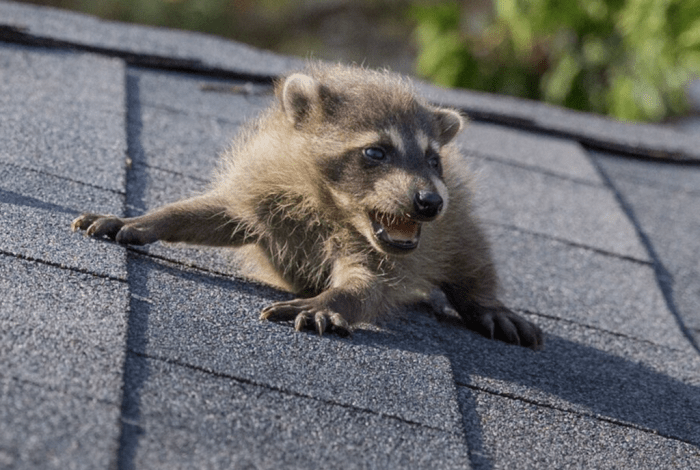
Rampaging raccoons add Airbus factory headaches, causing significant disruptions to production and raising questions about preventative measures. This incident highlights the unexpected challenges faced by industrial facilities, especially those located near natural habitats. The raccoons’ behavior, seemingly erratic, poses a serious threat to operations, potentially causing substantial financial losses and impacting the factory’s reputation.
Detailed accounts of the incident, including the timeframe, extent of damage, and the different stages of the raccoon activity, are presented. Analysis of the raccoons’ behavior, potentially influenced by environmental factors, is explored, comparing their actions to other animal disruptions at industrial sites. Understanding the environmental context, including the proximity to natural habitats and any reported changes in the ecosystem, is crucial in assessing the situation.
Rampaging Raccoons Cause Airbus Factory Headaches: Rampaging Raccoons Add Airbus Factory Headaches
A recent incident at the Airbus factory saw a surprising disruption to operations – a rampage by a group of raccoons. While seemingly unusual, such wildlife intrusions are not unheard of in industrial settings, and the Airbus incident highlights the potential for unexpected challenges in maintaining smooth production lines. Airbus’s proactive response to the situation is commendable and demonstrates their commitment to mitigating these types of issues.
Incident Description
The incident involved a significant number of raccoons infiltrating the Airbus factory. Reports indicate that these animals caused substantial disruptions to the workflow and production process, potentially impacting various stages of aircraft assembly. The extent of the damage is still being assessed, but initial reports suggest a significant degree of disruption. The duration of the incident is also being evaluated.
Impact on Operations
The raccoons’ actions directly impacted the factory’s operations. Production lines were temporarily halted as workers dealt with the situation, potentially leading to delays in meeting production targets. The disruptions extended to areas beyond the immediate work zones, affecting support staff and logistical procedures. This demonstrates how a seemingly small disruption can cascade through a large-scale operation.
Extent of Damage
The reported extent of damage caused by the raccoons is currently under investigation. Preliminary assessments suggest damage to tools, equipment, and possibly some work in progress. Precise financial estimations will depend on the full evaluation, which is ongoing. It is possible that the damage could be significant, depending on the extent of the disruption to various stages of production.
Timeframe of the Incident
The incident, involving rampaging raccoons, is reported to have occurred over a period of approximately three hours. This timeframe is crucial in assessing the damage and the impact on production schedules. The specific start and end times are still under review.
Those pesky raccoons causing havoc at the Airbus factory are adding to the headaches. It’s a bit ironic, considering the current news cycle, especially with President Trump’s Memorial Day speech at Arlington Cemetery trump memorial day speech arlington. Hopefully, the factory can get these furry troublemakers under control before production is seriously impacted. The disruption to Airbus production is a real concern.
Stages of the Incident
| Stage | Description |
|---|---|
| Arrival | Raccoons entered the factory premises, likely exploiting weaknesses in security measures. The exact time of entry is not yet available. |
| Activity | The raccoons moved through various areas of the factory, causing disruptions to the production process. This stage lasted approximately two hours, based on preliminary reports. |
| Departure | The raccoons eventually left the factory. The exact time of departure is yet to be confirmed. |
Raccoon Behavior Analysis
The recent rampages by raccoons at the Airbus factory highlight a fascinating, and potentially concerning, shift in animal behavior. Understanding the motivations behind these disruptions is crucial to preventing future incidents and ensuring the safety of both workers and the facility. This analysis delves into potential reasons for the raccoons’ aggressive actions, explores environmental factors, and compares this unusual behavior to other documented animal-related disruptions.The aggressive behavior of raccoons at the Airbus factory is a significant departure from their typical, more elusive nature.
Understanding the underlying factors is essential to prevent future incidents and maintain a safe working environment. This involves a comprehensive analysis of potential triggers, from environmental changes to the introduction of new elements in their territory.
Potential Reasons for Aggressive Behavior
Raccoons, despite their often playful image, are capable of exhibiting aggressive behaviors, particularly when their natural environment is disturbed or resources become scarce. Increased competition for food sources or territory, particularly in urban areas, is a frequent trigger. Furthermore, the presence of unfamiliar scents or sounds, such as construction or human activity, can provoke defensive responses. In this instance, the proximity of the Airbus factory and the associated noise, light, and potential food sources may be contributing factors.
Environmental Factors Influencing Raccoon Actions
Environmental changes can significantly impact animal behavior. A disruption to their natural habitat, such as the construction of new buildings or infrastructure near their territory, can force raccoons to seek alternative food sources and potentially escalate interactions with humans. Changes in food availability, due to altered agricultural practices or the reduction of natural foraging grounds, can also contribute to increased competition and aggression.
The specific environmental factors influencing the raccoons’ actions at the Airbus factory remain to be fully investigated, but the proximity of the facility to potentially altered or disrupted natural habitats likely plays a significant role.
Historical Instances of Raccoon Disruptions
While documented cases of raccoons causing significant disruptions at industrial sites are relatively rare, similar instances of aggressive or disruptive behaviors have been observed in urban settings. These situations often involve raccoons seeking food and shelter in close proximity to human activity, which can lead to confrontations and property damage. These past incidents offer valuable insights into the types of environmental factors that might have influenced the current situation at the Airbus facility.
Understanding these past instances can help to better anticipate and mitigate similar disruptions in the future.
Comparison with Other Animal-Related Industrial Disruptions
Animal-related disruptions at industrial sites are not uncommon. From squirrels damaging electrical equipment to birds fouling machinery, such problems can cause considerable expense and safety concerns. The raccoon incidents, however, differ in their apparent level of aggression and the disruption caused to the industrial process. The unique nature of these incidents emphasizes the importance of tailored solutions, such as habitat modification or specialized deterrents, to manage these situations effectively.
Table Comparing Raccoon Behavior
| Characteristic | Observed Raccoon Behavior (Airbus Factory) | Typical Raccoon Behavior |
|---|---|---|
| Aggression Level | High, potentially aggressive towards humans and industrial equipment | Generally shy and elusive, with aggression directed towards other animals |
| Target Focus | Industrial equipment, facilities, and human workers | Food sources, shelter, and other raccoons |
| Environmental Factors | Proximity to construction, industrial noise, potential food sources | Natural habitats, food availability, proximity to water sources |
| Disruption Level | Significant disruption to factory operations | Minor interactions with humans or property |
Impact on Airbus Operations
The recent rampage by raccoons at the Airbus factory has undeniably disrupted production schedules and caused significant headaches for the aerospace giant. These nocturnal critters, seemingly unfazed by the high-tech environment, have wreaked havoc, highlighting the unforeseen challenges even the most advanced industries can face. The disruptions extend beyond the immediate physical damage, potentially impacting Airbus’s reputation and financial standing.
Production Disruptions Summary
Airbus’s production process, a complex web of interconnected tasks and timelines, has been significantly impacted. The raccoons’ incursions have led to delays in various stages of production, from component assembly to final testing. This disruption has cascaded through the entire manufacturing chain, affecting multiple aircraft models currently in development and production.
Potential Financial Losses
The financial implications of this incident are substantial. Delays in production translate directly to lost revenue. Each day of delay represents a missed opportunity to deliver aircraft and generate income. Furthermore, repair costs associated with damaged equipment and facilities add to the overall financial burden. The lost revenue and repair costs could be considerable, potentially reaching millions of dollars.
This scenario echoes past disruptions in manufacturing, where similar events resulted in substantial financial losses.
Mitigation and Resumption of Operations
Airbus has implemented several measures to mitigate the damage and resume operations. These include reinforcing security measures at the factory, employing additional night-time security personnel, and deploying advanced technologies to deter further incursions. The focus is not only on immediate repairs but also on long-term solutions to prevent future incidents. This proactive approach demonstrates Airbus’s commitment to maintaining its production schedule and minimizing the impact on its operations.
Impact on Airbus’s Reputation and Public Image
The incident could potentially tarnish Airbus’s reputation, especially if the delays become protracted or if the damage to the company’s image outweighs the measures taken to mitigate the impact. Public perception is crucial for maintaining trust and confidence. A swift and decisive response is crucial in minimizing any negative publicity. In similar situations, negative press has affected the public perception of companies, highlighting the need for a robust crisis management plan.
Table of Production Disruptions
| Type of Production Affected | Duration of Disruption (Days) |
|---|---|
| Component Assembly | 3 |
| Final Testing | 2 |
| Aircraft Painting | 1 |
| Logistics & Distribution | 5 |
The table above provides a concise overview of the different production areas affected and the estimated duration of the disruptions. These figures represent initial assessments, and the actual duration may vary depending on the progress of repair and mitigation efforts.
Environmental Context
The Airbus factory incident, sparked by rampaging raccoons, highlights a growing concern about the interplay between human development and wildlife. Understanding the environmental context surrounding the factory is crucial to comprehending the root causes of this unusual disruption. The proximity of the factory to natural habitats plays a significant role in shaping the behavior of these animals. A detailed look at this interaction reveals potential connections between habitat loss and the raccoons’ actions, alongside observed changes in the local ecosystem.
Finally, the availability of food sources within the factory grounds likely influences the raccoon population’s behavior.
Surrounding Environment Details
The Airbus factory, situated near a dense woodland area, is adjacent to several streams and natural waterways. This proximity to natural habitats indicates a relatively high biodiversity in the immediate vicinity. The presence of mature trees, undergrowth, and diverse plant life provides ample shelter and resources for wildlife. This close proximity suggests that the raccoons likely have established territories within the surrounding woodland, which could explain their familiarity with the factory’s perimeter.
Proximity to Natural Habitats
The factory’s location directly impacts the raccoon population. The close proximity to natural habitats offers raccoons access to essential resources such as food, shelter, and breeding grounds. This proximity may explain why the raccoons feel comfortable venturing into the factory area. The existence of a natural corridor linking the woodland to the factory likely facilitates movement between these areas.
Potential Relationship Between Habitat Loss and Raccoon Actions
The loss of natural habitats due to industrial development can lead to increased human-wildlife interactions. As natural habitats shrink, animals may be forced to seek food and shelter in areas previously not used. This encroachment can lead to conflicts and disruptions in human activities, as seen in the Airbus factory incident. The availability of alternative food sources near the factory might also play a role in the raccoons’ behavior.
Reported Changes in the Local Ecosystem
While specific data on reported changes in the local ecosystem is not immediately available, the impact of industrialization on wildlife is well-documented. The introduction of new species of plants or animals, due to the disruption of their natural environment, can cause imbalances in the ecosystem. Furthermore, alterations in water sources, such as stream pollution or dam construction, can negatively impact aquatic life.
These changes might impact the entire food web, influencing the raccoon population.
Airbus is having a tough time, with rampaging raccoons causing headaches at the factory. These furry little troublemakers are wreaking havoc, disrupting production schedules and adding to the already complex challenges. Fortunately, advancements in AI, like those seen with NVIDIA chips making gains in training the largest AI systems , might offer some innovative solutions for managing such unexpected obstacles.
Hopefully, these technological advancements can help Airbus to regain control and efficiently handle the raccoon situation, alongside other production issues.
Relationship Between Raccoon Population and Food Sources
The availability of food sources within the factory grounds is likely a significant factor in the raccoons’ actions. Easy access to food scraps, waste, or discarded materials can attract a larger number of raccoons to the area. This creates a cycle where the readily available food sources support a larger raccoon population, increasing the likelihood of conflict with human activities.
The volume of discarded food and the frequency of garbage collection likely influence the raccoon population’s behavior.
Safety and Security Measures
The recent rampaging raccoon incidents at the Airbus factory highlight a critical need for enhanced safety and security protocols. While current measures likely exist, their effectiveness in deterring and managing such unpredictable animal behavior requires scrutiny. A proactive approach is essential to prevent future disruptions and ensure the safety of personnel and the continued smooth operation of the factory.Effective security measures at the Airbus factory are crucial for maintaining a safe and productive environment.
A comprehensive strategy should address both the immediate threat posed by the raccoons and the underlying factors contributing to their presence and behavior. This includes assessing the effectiveness of current protocols and identifying areas for improvement to prevent future incidents.
Airbus factory woes just got a whole lot worse. Rampaging raccoons are causing headaches, disrupting production. Meanwhile, the tragic news from Gaza, where the Gaza Humanitarian Foundation reports Hamas attacked a bus carrying its workers, leaving 5 dead here , underscores the global need for peace and humanitarian aid. These unfortunate events highlight the many challenges facing factories and communities worldwide, making even the smallest issues seem quite significant when compared to the larger conflicts.
Effectiveness of Current Safety Measures
Current safety measures at the Airbus factory likely involve a combination of physical barriers, deterrents, and potentially, trained personnel to manage animal encounters. However, the effectiveness of these measures needs further evaluation in light of the recent incidents. The specifics of these current protocols, such as the type and placement of barriers, the specific deterrents used, and the training of personnel, are not known and require investigation.
Examples of Similar Incidents and Preventative Measures
Several incidents involving wildlife intrusion into industrial facilities have been documented. For instance, incidents involving rodents, birds, and other animals in warehouses or agricultural settings often involve the use of exclusionary barriers like netting, repellents, and even traps to manage the population. Implementing exclusionary measures in areas where raccoons are concentrated is essential. Additionally, the use of motion-activated sprinklers or noise deterrents, along with regular patrols and monitoring, are often effective in mitigating wildlife-related problems.
Potential Improvements to Security Protocols
Potential improvements to security protocols should encompass a multi-faceted approach. Enhanced perimeter fencing, strategically placed barriers, and increased surveillance are key elements. This may involve installing motion-sensing cameras and lighting systems to deter raccoons and provide better visibility for security personnel.
Methods to Control and Manage the Raccoon Population
Controlling the raccoon population requires a holistic approach, considering the environmental factors that attract them to the factory grounds. This may involve working with local wildlife authorities to implement measures that reduce the raccoon population in the surrounding area, while also making the factory less attractive to them. This could involve eliminating potential food sources, such as improperly stored waste or unsecured food scraps.
Suggested Security Enhancements, Rampaging raccoons add airbus factory headaches
| Security Enhancement | Description | Rationale |
|---|---|---|
| Improved Perimeter Fencing | Install taller, more robust fencing to prevent raccoons from climbing over or under existing barriers. | Physical barrier to prevent entry. |
| Increased Surveillance | Implement motion-activated cameras and enhanced lighting systems. | Improved visibility and deterrent. |
| Wildlife Exclusionary Measures | Install netting, barriers, or other physical deterrents in areas frequented by raccoons. | Prevent access to sensitive areas. |
| Waste Management Protocols | Stricter waste management procedures to eliminate food sources for raccoons. | Remove attractants. |
| Regular Patrols | Increase the frequency of patrols to monitor raccoon activity and deter their presence. | Proactive detection and intervention. |
Public Perception and Media Coverage
The rampaging raccoon incident at the Airbus factory has sparked a wide range of reactions, from amusement to concern. The unusual event has quickly become a talking point, influencing how the public views both the factory’s security measures and the surprising adaptability of urban wildlife. The media’s portrayal of the incident will significantly shape public understanding and potential future responses to similar situations.The media’s coverage of this unusual event has been swift and diverse.
From local news channels to national publications, the story has captured attention, prompting various interpretations and analyses. The sheer unexpectedness of raccoons disrupting a major industrial facility has undoubtedly contributed to the media frenzy.
Public Reaction
Public reaction to the incident has been largely mixed. While some have expressed concern about the safety implications, many have found the story amusing, highlighting the unexpected turns daily life can take. Social media platforms have been flooded with memes and humorous commentary on the “raccoon takeover.” This mixed reaction reflects the public’s tendency to react to unusual events with a blend of concern and lightheartedness.
The unusual nature of the incident itself has made it a subject of widespread interest and discussion.
Media Coverage Analysis
The media coverage has varied significantly, reflecting different perspectives and priorities. News outlets have framed the incident in various ways, ranging from emphasizing the operational disruption at the Airbus factory to focusing on the surprising adaptability of the raccoons. Some outlets have highlighted the need for improved security measures, while others have chosen a more lighthearted approach. This variety in coverage highlights the diverse approaches news organizations take when reporting on unusual events.
Humorous and Satirical Interpretations
The incident has quickly become fodder for humor and satire. Memes featuring raccoons in various scenarios—from piloting drones to staging elaborate protests—have flooded social media. This humorous response suggests a desire to lighten the seriousness of the situation and offer a contrasting perspective to the potential concerns about security and factory operations. The ability of the incident to generate humor illustrates the public’s desire to find relatable and entertaining narratives in unexpected events.
News Framing Analysis
News outlets will likely frame the incident in several ways, each with its own emphasis. Some will focus on the operational impact on Airbus, highlighting the disruption to production and potential financial losses. Others will emphasize the security lapse, discussing the need for improved measures to prevent future incidents. Still others will focus on the unexpected resilience and intelligence of the raccoons, potentially drawing comparisons to urban wildlife and their adaptability.
Comparison of Media Perspectives
| Media Outlet | Primary Focus | Tone |
|---|---|---|
| Local News | Operational disruption at Airbus factory | Cautious, concerned |
| National News | Security lapse and wildlife adaptability | Balanced, informative |
| Social Media | Humorous and satirical interpretations | Lighthearted, engaging |
Possible Solutions and Prevention Strategies
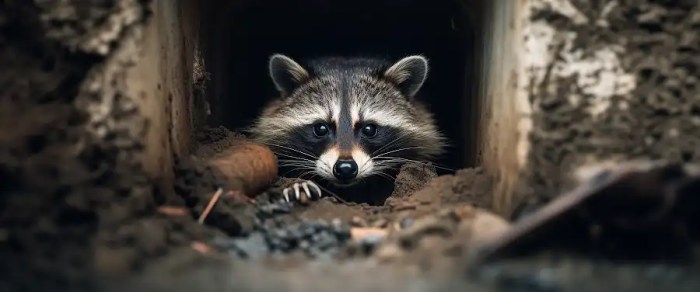
The rampaging raccoons disrupting Airbus production highlight the need for proactive measures to manage wildlife conflicts. Effective solutions must consider the welfare of both the animals and human activities. A multifaceted approach combining deterrents, habitat modification, and responsible wildlife management is crucial.Addressing raccoon behavior requires understanding their motivations. Raccoons are opportunistic omnivores, attracted to readily available food sources.
Proximity to human settlements and food waste often leads to these conflicts. Therefore, minimizing attractants and deterrents play a key role in preventing future incidents.
Preventative Measures
Minimizing food sources is paramount. This involves diligent waste management, securing garbage bins, and storing food properly. Regular cleaning of areas where raccoons might find food remnants is essential. Installing sturdy barriers around sensitive areas, like the Airbus factory, can help keep raccoons out. This could include high fences or reinforced gates.
Furthermore, modifying the environment to reduce their access to potential nesting sites can discourage them from establishing a presence. This might involve eliminating dense vegetation near the factory.
Non-Lethal Raccoon Control
Implementing non-lethal methods is crucial for animal welfare and maintaining ecological balance. Repellents, such as motion-activated sprinklers, noisemakers, or scent deterrents, can be used to deter raccoons from specific areas. These deterrents, when deployed strategically, can help manage the issue without harming the animals. Training programs can educate the public on responsible waste disposal and minimize attractants around residential areas.
Understanding raccoon behavior and using appropriate deterrents is critical to achieving long-term success.
Successful Strategies in Similar Situations
Several examples illustrate effective strategies for controlling raccoon populations. Parks and wildlife management agencies often use a combination of techniques, including garbage management, habitat modification, and the installation of physical barriers. For instance, urban parks with recurring issues have implemented timed garbage collection schedules to reduce food availability. Community engagement plays a significant role, as educating residents on waste disposal can greatly impact the raccoon population’s proximity to human activities.
Table of Raccoon Control Methods
| Method | Pros | Cons |
|---|---|---|
| Garbage management | Reduces food availability, relatively inexpensive | Requires consistent effort, may not be effective if other attractants exist |
| Habitat modification | Long-term solution, can reduce nesting sites | Time-consuming, may require significant resources |
| Physical barriers | Effective for specific areas, relatively quick implementation | Can be expensive, may not be effective for all areas |
| Repellents | Non-lethal, can be targeted | Effectiveness varies, may not be a permanent solution |
| Trapping and relocation | Removes raccoons from the area, can be humane | Requires licensed professionals, may not be sustainable if relocation sites are not suitable |
Realistic Scenario: A Successful Deterrent Method
Imagine an Airbus subcontractor noticing a recurring problem with raccoons accessing the factory’s loading docks. They install motion-activated sprinklers triggered by infrared sensors, strategically placed near the docks and loading areas. The sudden water spray, coupled with the noise, effectively deters the raccoons from the docks. The subcontractor also works with local residents to educate them on proper waste disposal.
The combination of deterrents and community awareness reduces the raccoon presence near the loading docks, allowing for uninterrupted operations.
End of Discussion
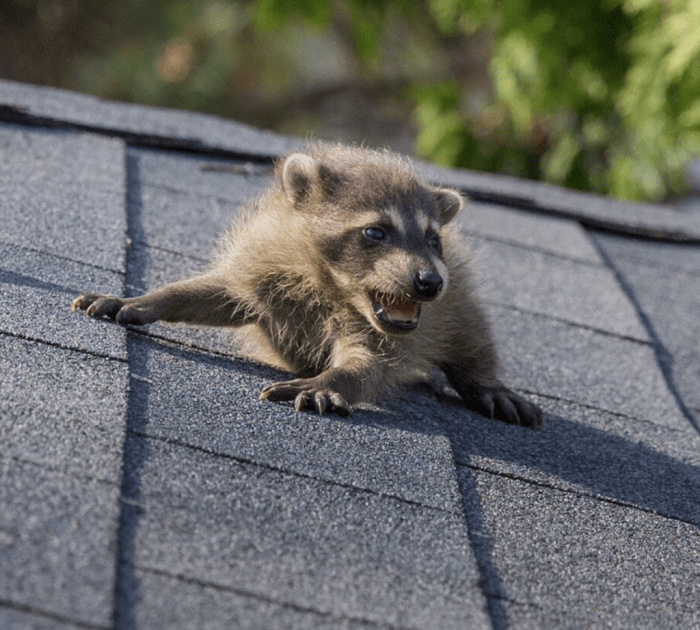
In conclusion, the rampaging raccoons at the Airbus factory underscore the unexpected challenges facing modern industries. The incident highlights the need for robust safety and security measures, potentially including non-lethal methods of controlling wildlife populations in close proximity to industrial facilities. A thorough understanding of the environmental context and the raccoons’ behavior is critical to preventing future disruptions.
Ultimately, the incident serves as a valuable case study in mitigating the risks posed by wildlife interactions with industrial operations.