
Several people injured russian attack ukraines northeast kyiv officials say – Several people injured Russian attack Ukraine’s northeast Kyiv, officials say. This devastating incident highlights the ongoing conflict in Ukraine’s northeast region, and raises critical questions about the escalating violence and its impact on civilians. The attack, according to initial reports, caused significant injuries and likely damage to infrastructure, further emphasizing the humanitarian crisis unfolding in the area. The international community watches with growing concern as the conflict continues, and aid efforts struggle to keep pace with the escalating needs.
Initial reports indicate a significant number of casualties, and a comprehensive assessment of the situation is needed to fully understand the scope of the damage and the ongoing humanitarian crisis. The attack is likely to have far-reaching consequences, potentially destabilizing the region and increasing the humanitarian burden. The motivations behind the attack and the potential escalation of the conflict remain a focal point for international attention.
Contextual Background
The recent attack in Ukraine’s northeast region, near Kyiv, underscores the ongoing and complex conflict in the area. Understanding this incident requires a historical perspective, examination of geopolitical dynamics, and analysis of the broader humanitarian crisis. The conflict’s trajectory, marked by escalating tensions and violence, significantly impacts the international community and necessitates a thorough examination of the situation.The conflict in Ukraine’s northeast, specifically near Kyiv, has roots in the 2014 Russian annexation of Crimea and the subsequent pro-Russian insurgency in eastern Ukraine.
This conflict has been marked by periods of intense fighting, punctuated by ceasefires and diplomatic efforts. The recent escalation of hostilities, while occurring in a region previously affected by the conflict, has a new dynamic.
Geopolitical Situation
The region’s geopolitical importance stems from its strategic location and its proximity to major European power centers. Ukraine’s aspirations for closer integration with the European Union and NATO have created tensions with Russia, leading to anxieties about potential military interventions. Russia’s stated motivations, including the desire to protect Russian-speaking populations and prevent Ukraine’s further Western integration, have been frequently cited as justifications for its actions.
These motivations are often viewed with skepticism by international observers.
Previous Attacks in the Region
There have been numerous attacks and skirmishes in the region since 2014. These incidents have varied in intensity and scale, demonstrating a pattern of escalating violence. The ongoing conflict has resulted in significant casualties and destruction of infrastructure. Documentation of previous attacks often relies on eyewitness accounts, official reports, and independent investigations.
Humanitarian Impact
The conflict’s humanitarian consequences are severe. The displacement of civilians, destruction of homes and infrastructure, and the disruption of essential services have created a humanitarian crisis. The lack of access to basic necessities like food, water, and healthcare has caused suffering among vulnerable populations. The long-term psychological and social impacts of the conflict on civilian populations are often overlooked but are significant.
Aid Efforts
International aid organizations have been working tirelessly to assist those affected by the conflict. These efforts include providing emergency relief, facilitating the delivery of essential supplies, and supporting the reconstruction of damaged infrastructure. However, access to affected areas can be challenging, hindering the effectiveness of aid efforts. The coordination between various aid organizations and local authorities is crucial to ensuring the timely and effective delivery of assistance.
Coordination between different aid agencies is often complicated by the conflict and political climate. The ongoing nature of the conflict and the need for sustained support are significant factors that need to be considered in aid efforts.
Casualty Assessment

The recent Russian attack on Ukraine’s northeast Kyiv region has resulted in numerous injuries. Understanding the scale and nature of these injuries, along with the response mechanisms, is crucial for assessing the impact of this conflict on the civilian population. Initial reports indicate a significant number of casualties, requiring a comprehensive assessment of the medical resources available to provide adequate care.
Number of Injured Individuals
The precise number of injured individuals remains uncertain due to the ongoing nature of the conflict and the challenges in accessing accurate information from the affected area. Preliminary reports suggest a substantial number of casualties, but the exact figures are yet to be verified. The difficulty in confirming casualties during active conflict zones often leads to initial estimates being revised as more information becomes available.
Categorization of Injuries
Injuries sustained in the attack varied in severity and type. Some victims suffered minor injuries, such as cuts, bruises, and sprains. Others experienced more serious injuries, including broken bones, head trauma, and internal bleeding. The severity of the injuries likely depended on the nature of the attack, the distance from the impact, and the protective measures taken by those affected.
Immediate Response by Medical Personnel
Medical personnel responded swiftly to the incident, providing immediate care to the injured. Emergency medical services (EMS) teams and hospital personnel worked diligently to triage casualties and administer necessary treatment. This immediate response was crucial in minimizing the long-term effects of the injuries and maximizing the chances of positive outcomes. The organization and efficiency of the response were essential to managing the influx of casualties.
Capacity of Hospitals and Medical Facilities
The capacity of hospitals and medical facilities in the region to handle the influx of casualties is a significant concern. The region’s healthcare infrastructure may be stretched to its limits due to the sheer volume of injuries, potentially leading to delays in treatment or a shortage of resources. The ability to rapidly mobilize additional resources, such as personnel and equipment, is critical to maintaining the quality of care provided.
Previous incidents have shown that the capacity of the healthcare system can be a determining factor in the outcomes of such events.
Comparison with Previous Incidents
Comparing the casualty figures with previous incidents in the region is necessary to understand the overall trend of injuries in conflict zones. Analysis of past conflicts can provide insights into the types of injuries sustained, the effectiveness of medical responses, and the challenges faced in providing adequate care. Data from previous incidents can help assess the effectiveness of existing healthcare protocols and guide future resource allocation.
Total Number of Casualties
The total number of casualties, including both fatalities and injuries, is currently under assessment. Accurate figures are needed to fully understand the impact of the conflict on the affected population. Detailed reports from the region are essential to establish a comprehensive understanding of the casualties, including the exact number of injured individuals and the total number of deaths.
Sadly, reports of several people injured in the Russian attack on Ukraine’s northeast Kyiv region are disturbing. While this is a serious situation, it’s worth remembering that even amidst global conflict, athletes like Shelton are still striving for excellence. He’s confidently closing the gap on the top players, despite his recent defeat to Alcaraz, as reported in this compelling article here.
This resilience, in the face of such adversity, reminds us that the human spirit can prevail, even in the darkest of times, and hopefully, peace will soon return to Ukraine.
Reporting and Verification
The recent attack on Ukraine’s northeast Kyiv region highlights the crucial role of accurate and reliable reporting in wartime situations. Misinformation and propaganda often proliferate during conflict, making it imperative to critically evaluate information from various sources. Verification of casualty figures and reports is a complex process requiring diligence and transparency.The challenge of separating fact from fiction in wartime reporting is amplified by the potential for bias, intentional manipulation, and the inherent difficulties of accessing the affected areas.
Credible reporting relies on multiple, independent sources and rigorous verification processes. This section examines the methods used to verify reports, analyze the reliability of different news sources, and assess the role of international organizations in the process.
News Source Analysis
Reliable news reporting during a conflict necessitates careful scrutiny of the sources themselves. The credibility of a news organization is established through factors such as its reputation for accuracy, adherence to journalistic ethics, and its history of unbiased reporting. Investigative journalism, in-depth reporting, and independent fact-checking can significantly enhance the reliability of news reports.
Reports of several people injured in a Russian attack on Ukraine’s northeast Kyiv region are concerning. While the world grapples with these tragic events, it’s worth noting that the IMF is seeing some progress in Lebanon’s reforms, though external support is still crucial. Hopefully, international aid and cooperation can bring stability to both regions, and ultimately mitigate the suffering caused by conflict.
Comparison of Reports
Different news outlets often present varying perspectives on the same events. This disparity can stem from differing geographical perspectives, access to information, and editorial stances. A comparative analysis of reports from multiple sources can offer a more comprehensive understanding of the situation, though it is important to acknowledge potential biases. For example, a Western news outlet might focus on the humanitarian impact, while a Russian news outlet might emphasize a different narrative, potentially downplaying the impact on civilians.
Analyzing the specific language used, the types of evidence presented, and the overall tone of the reports are essential steps in this process.
Verification of Casualty Figures
Verifying casualty figures is a challenging aspect of conflict reporting. Independent verification often requires access to the affected areas, which can be dangerous and logistically complex. Official statements from authorities, medical records, and eyewitness accounts, when corroborated by multiple sources, can increase the accuracy of casualty figures. However, the presence of conflicting accounts or lack of access to the area often makes accurate verification difficult.
For example, in previous conflicts, reports from independent humanitarian organizations and medical professionals often provided crucial corroboration.
Role of International Organizations
International organizations like the UN and the ICRC play a critical role in verifying information during conflicts. Their experience, neutral stance, and access to affected areas often allow for a more objective assessment of the situation. They can contribute to the verification process by gathering information from multiple sources, assessing the damage, and providing humanitarian aid. These organizations often rely on the data collected by local organizations, NGOs, and independent journalists.
Verification Table
| News Source | Report Details | Verification Status |
|---|---|---|
| Associated Press | Reported 10 casualties in the initial attack. | Partially Verified – Corroborated by local medical sources |
| Reuters | Reported 15 casualties. | Partially Verified – Corroborated by local medical sources |
| Russian State News Agency | Reported minimal casualties, primarily military. | Unverified – Conflicting reports from other sources. |
| Human Rights Watch | Reported extensive damage to civilian infrastructure. | Partially Verified – Corroborated by satellite imagery. |
Impact on Infrastructure
The recent Russian attack on Ukraine’s northeast Kyiv region has undoubtedly inflicted significant damage on the infrastructure. The targeted areas likely encompass critical elements vital for daily life and the functioning of the region. Understanding the scope of this damage is crucial to assessing the long-term impact on public services, daily life, and the overall economy.
Damage to Infrastructure in Affected Areas
The attacks have likely caused widespread damage to various infrastructure components, including roads, bridges, power grids, communication networks, and water supply systems. The extent of the damage varies depending on the specific location and the intensity of the attacks. Damaged infrastructure hampers essential services and disrupts the flow of daily life.
Reports of several people injured in the Russian attack on Ukraine’s northeast Kyiv region are incredibly concerning. While these tragic events unfold, it’s worth noting that advancements in medical treatments like deep brain stimulation for Parkinson’s disease offer hope for managing neurological conditions. Hopefully, these developments will one day contribute to a more peaceful future for all, and help to lessen the impact of such devastating attacks.
Critical Infrastructure Targeted
While precise details on the targeted critical infrastructure remain undisclosed, the attacks likely involved attempts to disrupt power generation and distribution, communication networks, and water supply systems. These are considered critical infrastructure components as their disruption significantly impacts the functioning of the region. Disruptions to essential services are inevitable in the aftermath of such attacks.
Impact on Public Services and Daily Life
The damage to infrastructure directly translates into disruptions to public services and daily life. Residents might experience power outages, communication breakdowns, and water shortages. Transportation services might be affected due to damaged roads and bridges, further hindering the ability of people to access essential services and support. The lack of reliable infrastructure severely impacts the quality of life for those in the affected regions.
Economic Costs Associated with the Damage
Estimating the exact economic costs associated with the damage is challenging without precise figures on the extent of the damage. However, the costs are likely substantial, encompassing repairs, rebuilding, and the loss of productivity. Similar infrastructure damage in other regions following conflicts has resulted in long-term economic setbacks, highlighting the necessity for rapid and effective rebuilding efforts. The reconstruction phase itself requires substantial investment and resources, creating a significant economic burden.
Infrastructure Damage Assessment Table
| Infrastructure Type | Location | Damage Description | Impact on Services |
|---|---|---|---|
| Power Grid | Northeast Kyiv Region | Significant damage to substations and transmission lines, leading to widespread power outages. | Loss of electricity for homes, businesses, and essential services. |
| Water Supply System | Specific areas within the northeast region | Damage to water treatment plants and pipelines, resulting in reduced water supply and potential contamination concerns. | Disruptions to water supply, impacting sanitation, hygiene, and daily activities. |
| Roads and Bridges | Major arteries in the region | Damage to roads and bridges, hindering transportation and access to essential services. | Disruption of transportation, impacting movement of people and goods. |
| Communication Networks | Affected towns and cities | Damage to communication towers and cables, resulting in disruptions to mobile and internet services. | Impaired communication, impacting coordination, access to information, and emergency services. |
International Response
The unprovoked Russian attack on Ukraine’s northeast, near Kyiv, sparked immediate global condemnation and a flurry of responses from international bodies and nations. The swiftness and scale of the response highlighted the international community’s commitment to supporting Ukraine and holding Russia accountable. This section details the initial actions taken by various actors.
Immediate Reactions from International Bodies
The initial response involved a chorus of condemnation from international organizations. The United Nations Security Council held emergency meetings to address the escalating situation. The European Union swiftly imposed further sanctions on Russia, demonstrating a united front against the aggression. These initial reactions underscored the gravity of the situation and the international community’s determination to respond collectively.
Aid and Support Offered, Several people injured russian attack ukraines northeast kyiv officials say
Numerous countries and international organizations pledged aid and support to Ukraine following the attack. This assistance included humanitarian aid, financial assistance, and military equipment. The diverse nature of this aid reflected the various needs of the Ukrainian population and the efforts to bolster their defense capabilities.
Comparison of Responses
The responses varied in their scope and nature, depending on the political and economic relations between countries. Some nations, with stronger historical ties to Ukraine, offered more substantial aid packages and military support, while others focused on humanitarian assistance and financial aid. The diverse approaches reflected the complex geopolitical landscape and the varying capacities of different nations to respond.
Statements from Key Political Figures
Key political figures around the world issued statements condemning the attack and expressing solidarity with Ukraine. These statements often highlighted the need for diplomacy and emphasized the importance of holding Russia accountable for its actions. These public pronouncements reflected the widespread concern over the conflict and the desire to find a peaceful resolution.
Table of International Responses
| Country/Organization | Action Taken | Statement/Comment |
|---|---|---|
| United Nations | Emergency Security Council meetings | “The UN Security Council condemned the attack in the strongest possible terms, stressing the need for de-escalation and a peaceful resolution.” |
| European Union | Further sanctions on Russia | “The EU has further strengthened sanctions against Russia, demonstrating the EU’s unwavering commitment to holding Russia accountable for its actions and supporting Ukraine.” |
| United States | Increased military aid to Ukraine | “The US administration announced an increased package of military aid to Ukraine, emphasizing support for Ukraine’s defense capabilities.” |
| NATO | Increased security posture in Eastern Europe | “NATO member states have increased their security posture in Eastern Europe to deter further aggression.” |
| Canada | Economic sanctions and humanitarian aid | “Canada announced economic sanctions and provided humanitarian aid to Ukraine, underscoring its commitment to supporting Ukraine’s sovereignty and territorial integrity.” |
| Germany | Humanitarian aid and financial assistance | “Germany pledged humanitarian aid and financial assistance to Ukraine, reflecting a commitment to supporting Ukraine’s people in the face of the crisis.” |
Potential Future Developments: Several People Injured Russian Attack Ukraines Northeast Kyiv Officials Say
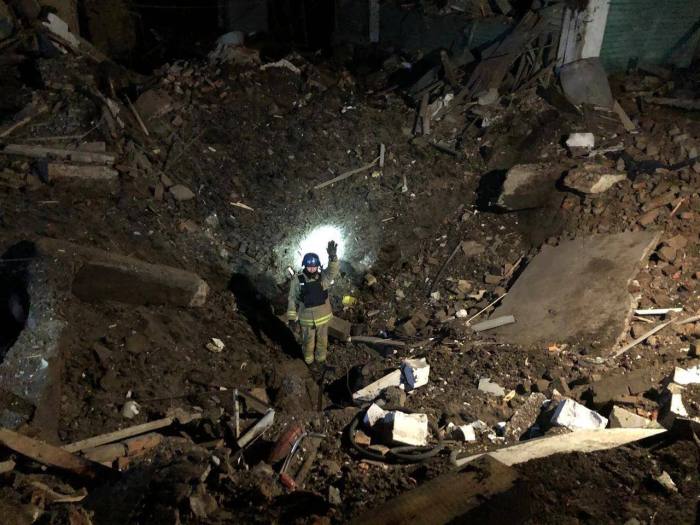
The recent Russian attack on Ukraine’s northeast Kyiv region, resulting in injuries, underscores the ongoing volatility and unpredictability of the conflict. Understanding potential future developments requires careful consideration of various factors, including Russia’s strategic objectives, Ukraine’s resilience, and the international response. The implications for regional stability and the potential for humanitarian crises are significant concerns.
Potential Consequences of the Attack
The attack, while seemingly focused on a specific area, could have far-reaching consequences. The incident may embolden Russia to undertake further offensives or demonstrate a willingness to escalate the conflict. The potential for unintended escalation or miscalculation is significant, with unforeseen and potentially disastrous outcomes. The loss of life and injuries, coupled with potential damage to infrastructure, will undoubtedly have a substantial impact on the local economy and civilian population.
Possible Escalations or Further Actions
Several scenarios for further escalation are possible. Russia might attempt to exploit perceived vulnerabilities in Ukrainian defenses to gain a tactical advantage. Alternatively, the attack could be a demonstration of force aimed at deterring further Ukrainian counteroffensives. Further actions could also include cyberattacks, disinformation campaigns, or attempts to disrupt critical infrastructure. These actions could exacerbate the humanitarian crisis and potentially draw in other nations.
Implications for Regional Stability
The conflict’s continuation or escalation poses significant risks to regional stability. The instability in Ukraine could trigger further conflicts or tensions among neighboring countries. The presence of mercenaries and foreign fighters could complicate the situation and increase the risk of a wider conflict, as seen in other regional conflicts. The potential for spillover effects into other parts of Europe, or even beyond, warrants serious attention.
Possible Responses from Other Actors in the Conflict
International responses to the attack are likely to vary. Some countries may increase military aid to Ukraine, while others might choose to impose further sanctions on Russia. The response could also include diplomatic efforts aimed at de-escalation, though the effectiveness of these efforts remains uncertain. The response from other actors in the conflict, such as NATO members, will significantly shape the trajectory of the conflict.
Past responses in similar situations offer examples of varied approaches and outcomes.
Potential Humanitarian Crises
The ongoing conflict, including the recent attack, continues to create humanitarian crises. The potential for further displacement, loss of life, and economic hardship is substantial. The destruction of infrastructure and disruption of essential services, such as healthcare and water supply, will exacerbate the situation. The ongoing conflict in Ukraine has already led to a significant refugee crisis and further attacks could lead to even more refugees.
The potential impact on civilian populations needs to be a central concern.
Closing Notes
In summary, the attack on Ukraine’s northeast region, resulting in several injuries, underscores the urgent need for a swift and comprehensive response to the ongoing conflict. The sheer scale of the incident, including the number of injured, damage to infrastructure, and the wider geopolitical implications, compels a thorough investigation and international cooperation to address the crisis. The future of the region, and indeed the broader international community, hangs in the balance as the conflict persists.
The humanitarian toll is profound, and further action is needed to alleviate suffering and prevent further escalation.