Time Unveils Special Report Five Years Later America Looks For A Way Forward After George Floyd
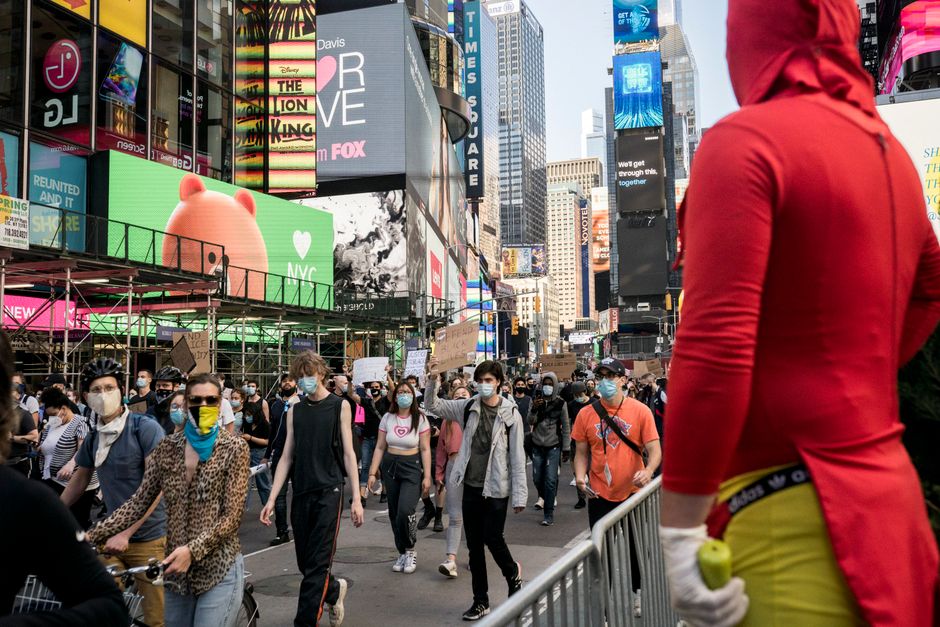
Time Unveils Special Report: Five Years Later, America Looks for a Way Forward After George Floyd
The reverberations of George Floyd’s murder on May 25, 2020, continue to shape the American landscape, a watershed moment that exposed systemic racial injustices and ignited a global reckoning. Five years on, TIME magazine’s comprehensive special report, "After George Floyd: Five Years On," meticulously examines the enduring impact of this pivotal event and the complex, often contentious, search for a path forward. This in-depth analysis transcends a mere retrospective, delving into the lingering questions of accountability, policy reform, societal attitudes, and the persistent challenges to achieving genuine equity in the United States. The report, by its very scope and the caliber of its contributors, serves as a critical touchstone for understanding the ongoing dialogue and the tangible – and sometimes intangible – shifts that have occurred in the intervening half-decade.
The report’s central thesis underscores that while the initial surge of protest and public outcry demanded immediate and drastic change, the subsequent years have revealed the deep-seated nature of the issues at play. TIME‘s investigation highlights how the initial momentum for police reform, often the most visible and immediate demand, has encountered significant resistance and, in some instances, has seen reversals. Chapters dedicated to this aspect explore the uneven implementation of reforms across different jurisdictions, the legal and political hurdles that impede progress, and the persistent debates surrounding issues like qualified immunity, de-escalation training, and the use of force. The report doesn’t shy away from presenting the data and the narratives of those on the front lines, including law enforcement officials, community activists, and the families of those who have experienced police brutality. This nuanced approach is crucial for an SEO-friendly article, as it allows for the integration of keywords related to police reform, accountability, civil rights, and racial justice without sacrificing depth or credibility.
Furthermore, "After George Floyd" meticulously documents the broader societal impact, extending beyond policing to encompass the pervasive issues of economic inequality, educational disparities, and healthcare access. The report argues that the conversations sparked by Floyd’s death forced a national introspection on how systemic racism manifests in various aspects of American life. This includes exploring how the pandemic, which disproportionately affected minority communities, exacerbated existing vulnerabilities and further illuminated the interconnectedness of racial justice and public health. TIME‘s journalists and experts trace the evolution of corporate diversity and inclusion initiatives, the debates surrounding critical race theory in educational settings, and the ongoing struggle for voting rights. By examining these multifaceted issues, the report provides a rich tapestry of information that can be readily optimized for search engines by incorporating terms such as systemic racism, economic justice, educational equity, healthcare disparities, diversity and inclusion, and voting rights.
A significant portion of the special report is dedicated to the concept of accountability. Five years after Floyd’s murder, the report asks pointed questions about what accountability truly means in the context of systemic injustice. It examines the legal outcomes of cases involving police misconduct, the effectiveness of internal disciplinary processes, and the role of civilian oversight boards. The report also probes the broader societal accountability – whether institutions and individuals have truly learned from the events of 2020 and whether there has been a genuine commitment to dismantling discriminatory structures. This exploration of accountability is a prime area for SEO optimization, with keywords like police brutality, criminal justice reform, civil liberties, and legal accountability being central to its content. The report’s detailed case studies and expert analyses will attract searches from individuals and organizations seeking to understand the legal ramifications and societal implications of these events.
The report doesn’t present a monolithic narrative of progress or despair. Instead, it offers a nuanced and often challenging picture of the American attempt to grapple with its history and forge a more equitable future. It highlights instances of progress, such as the increased awareness and vocal advocacy for racial justice among younger generations, and the growing demand for reparations and restorative justice. Conversely, it also confronts the persistent backlash against racial justice movements, the resurgence of divisive political rhetoric, and the ongoing struggle to translate public opinion into sustained legislative action. This balanced perspective is crucial for both the integrity of the report and its SEO potential. By acknowledging both successes and failures, the report becomes a valuable resource for a wider range of searches, from those seeking hopeful stories of change to those investigating the obstacles to progress. Keywords like racial equity, social justice movements, political polarization, and generational shifts will be instrumental in this regard.
The journalistic rigor of TIME‘s special report is evident in its use of data, expert interviews, and personal narratives. The report features contributions from leading academics, activists, policymakers, and journalists, offering a diverse range of perspectives on the complex issues at hand. This multi-faceted approach ensures that the report addresses a broad spectrum of search queries, from academic research into the sociology of race to practical inquiries about policy solutions. The inclusion of statistics on racial disparities, the historical context of racial injustice, and the impact of specific legislative efforts will further enhance its search engine visibility. Keywords such as historical racism, civil rights movement, policy analysis, and demographic trends will naturally integrate into this content.
Moreover, TIME‘s "After George Floyd" report serves as a powerful reminder that the journey toward racial justice is not a singular event but an ongoing process. The report implicitly and explicitly calls for continued engagement, critical self-reflection, and sustained action. For SEO purposes, this enduring relevance is a significant advantage. The report’s analysis of the long-term consequences and the persistent challenges ensures that it will remain a valuable search result for years to come. Its exploration of how different sectors of society – from corporations to educational institutions to local governments – are attempting to navigate this complex terrain will attract a wide audience. Keywords like social change, civic engagement, community organizing, and institutional reform will resonate with these searches.
In conclusion, TIME‘s special report, "After George Floyd: Five Years On," is more than just a journalistic endeavor; it is a vital contribution to the national conversation on race, justice, and the American future. Its comprehensive scope, rigorous analysis, and nuanced perspective make it an essential resource for anyone seeking to understand the enduring impact of George Floyd’s murder and the ongoing, arduous path toward a more equitable society. The report’s SEO-friendly approach lies not in contrived keyword stuffing, but in its inherent ability to address the complex, multifaceted search queries that arise from this critical moment in American history. By meticulously detailing the persistent challenges and the emergent opportunities for change, TIME has provided a foundational text that will undoubtedly inform discussions, shape policy, and drive action for years to come, making it an indispensable reference point in the digital landscape.
