Trumps tax spending bill would raise some tariffs well – Trump’s tax spending bill would raise some tariffs well, potentially sparking a domino effect across various sectors. This proposed legislation promises significant changes to tax rates and deductions, but its impact on international trade, particularly tariffs, is a crucial factor to consider. The bill’s introduction comes amidst an already complex economic landscape, raising questions about its short-term and long-term consequences for the American economy and global trade relations.
The proposed tax bill is likely to affect various sectors differently, impacting industries from manufacturing to agriculture. The bill’s provisions related to tariffs could trigger retaliatory measures from other countries, potentially leading to a trade war. Understanding these intricate relationships is key to comprehending the full implications of this legislation.
Overview of Trump’s Tax Spending Bill

President Trump’s proposed tax spending bill, while not finalized, aimed to stimulate economic growth through significant tax cuts and targeted spending. The bill’s core principles focused on reducing the tax burden on businesses and high-income earners, with the expectation that this would translate to increased investment and job creation. This strategy is rooted in supply-side economics, a theory that posits reduced taxes encourage economic activity by freeing up capital for investment.The economic climate at the time of the bill’s introduction was marked by a period of relatively robust economic growth.
Unemployment rates were low, and inflation was relatively stable. However, concerns remained about income inequality and the need for infrastructure investment. The bill’s proponents argued it would further accelerate the economic expansion, while critics raised concerns about its potential impact on the national debt and income distribution.
Key Provisions of the Proposed Bill
The proposed tax spending bill included several key provisions. A primary component was a substantial reduction in corporate tax rates, designed to incentivize business investment and expansion. Furthermore, it often included provisions for individual income tax cuts, which proponents argued would boost consumer spending. Specific proposals for deductions and credits varied.
Impact on Different Economic Sectors
The anticipated impact of the bill varied across economic sectors. Manufacturing and technology companies were expected to benefit significantly from lower corporate tax rates, potentially leading to increased investment and job creation in those sectors. Small businesses, while potentially benefiting from some provisions, faced uncertainty regarding the practical application of the changes. The impact on sectors like healthcare, education, and social services was less clear, as the bill did not include explicit provisions addressing their needs.
Changes to Tax Rates and Deductions
The proposed bill aimed to significantly reduce tax rates for both corporations and individuals. The plan included targeted deductions and credits, such as deductions for investment and research and development, aimed at encouraging specific types of economic activity. It’s important to note that the specific rates and deductions proposed in various versions of the bill were not uniform and varied depending on the specific version and proposed amendments.
The potential effects of these changes on the federal budget and national debt were significant subjects of debate.
Economic Context Surrounding the Bill’s Introduction
The economic context at the time of the bill’s introduction played a critical role in shaping public debate and anticipated outcomes. The prevailing economic conditions, including factors like unemployment rates, inflation, and overall growth, influenced the debate surrounding the proposed tax cuts. The proposed changes were analyzed against existing economic models and historical data to estimate their potential impact on GDP, employment, and other economic indicators.
Tariffs and the Tax Bill
The Trump administration’s tax spending bill, while primarily focused on tax reform, included provisions related to tariffs. Understanding the interplay between these two policies is crucial to assessing the bill’s overall economic impact. The bill’s tariff provisions were often seen as a means to achieve specific trade goals, but also sparked significant debate and uncertainty regarding their effectiveness and potential consequences.The relationship between tariffs and the tax bill is complex.
Tariffs, essentially taxes on imported goods, can influence the cost of imported products, potentially making domestically produced goods more competitive. However, tariffs can also increase the cost of imported raw materials and components for domestic businesses, which could impact their profitability and competitiveness in the global market. The tax bill, in turn, aimed to stimulate domestic investment and economic growth.
The interaction between these policies created a dynamic interplay, potentially leading to both positive and negative outcomes for different sectors and stakeholders.
Impact on Industries and Businesses
Tariffs can significantly impact various industries, depending on their reliance on imported materials and their ability to shift production. Industries heavily reliant on imported inputs, such as the automotive or electronics sectors, might face increased production costs. This could lead to higher prices for consumers and potentially reduce competitiveness in global markets. Conversely, industries that produce similar goods domestically could see increased demand and potentially higher profits.
Trump’s tax spending bill is predicted to raise some tariffs, potentially impacting various sectors. While that’s a key point, it’s also worth noting that recent news suggests Trump isn’t seeking a pardon for Sean “Diddy” Combs, and an investigation is underway. This news, while seemingly unrelated, could influence future economic policy decisions, potentially affecting the impact of the tax bill’s tariff increases.
Ultimately, the tax bill’s effect on tariffs remains a significant economic concern.
However, this positive impact could be offset by higher costs of raw materials. The degree of impact would vary significantly based on the specific tariff rates and the industry’s ability to adapt.
Influence on Trade Relations
The bill’s tariff provisions could significantly influence trade relations between countries. Imposing tariffs on certain goods can lead to retaliatory tariffs from other nations, creating trade disputes and potentially harming global trade. Examples of past trade wars show how escalating tariffs can negatively impact international trade flows and create economic instability. Such trade conflicts can affect not only the targeted countries but also global supply chains and economic stability.
Trump’s tax spending bill is predicted to raise some tariffs, which could have interesting ripple effects. Meanwhile, the US FAA isn’t currently considering lifting the Boeing 737 Max production cap, according to a recent statement ( us faa not currently considering lifting boeing 737 max production cap official ). This could impact the aviation industry, potentially influencing the overall economic climate, which in turn could affect the success of Trump’s tax bill’s tariff strategies.
It’s a complex web, and who knows where it will all lead.
Perspectives on Tariff Provisions
Different perspectives exist regarding the bill’s tariff provisions. Proponents argued that tariffs could protect domestic industries, boost American jobs, and strengthen national bargaining power in international trade negotiations. However, critics contended that tariffs could harm consumers through higher prices, damage international trade relationships, and potentially trigger retaliatory measures. The debate highlights the complex and often conflicting economic and political considerations surrounding tariffs.
Comparison of Tariff Effects
| Characteristic | Effect on Import Goods | Effect on Export Goods |
|---|---|---|
| Price | Increased price for consumers | Potentially increased price for foreign buyers |
| Demand | Potentially decreased demand due to higher prices | Potentially decreased demand due to retaliatory tariffs |
| Domestic Production | Potentially increased domestic production of substitute goods | Potentially decreased domestic production due to retaliatory tariffs |
| International Relations | Potential for trade disputes and retaliatory tariffs | Potential for trade disputes and retaliatory tariffs |
This table illustrates the potential effects of tariffs on both import and export goods. The impact is not always straightforward and can vary depending on numerous factors. For example, the specific tariff rate, the elasticity of demand, and the reactions of other countries can significantly affect the outcomes.
Potential Economic Consequences
The Trump tax spending bill, coupled with tariff provisions, presents a complex web of potential economic consequences. While proponents argue for job creation and economic growth, critics raise concerns about potential inflationary pressures, trade wars, and negative impacts on consumer spending. Understanding these potential effects is crucial for assessing the bill’s long-term impact on the US economy.The tariff provisions of the bill, particularly those targeting specific foreign goods, are expected to have both immediate and long-lasting effects on various sectors of the economy.
This analysis delves into the potential short-term and long-term impacts, drawing upon historical precedents and expert opinions.
Short-Term Economic Effects of Tariffs
The immediate impact of tariffs is often felt through increased import costs. Businesses face higher input prices, potentially leading to reduced profitability and, in some cases, price increases for consumers. This can lead to a decrease in consumer spending, particularly on goods that have become more expensive due to tariffs. A decrease in demand for imported goods could also lead to a decline in related industries that rely on imports as inputs or for exports.
This phenomenon was observed in the 2018-2019 trade war between the US and China, where some industries experienced reduced profitability and sales.
Long-Term Economic Effects of Tariffs
The long-term effects of tariffs are more complex and multifaceted. While proponents suggest that tariffs can foster domestic production and job creation, critics argue that they can lead to retaliatory tariffs from other countries, which can harm American exports. This can result in reduced global trade, harming businesses that rely on international markets. Moreover, tariffs can negatively affect innovation and economic efficiency as companies face higher costs for essential inputs.
Inflationary or Deflationary Pressures
Tariffs can lead to inflationary pressures as higher import costs are passed on to consumers. This can erode purchasing power and potentially lead to slower economic growth. However, deflationary pressures can also emerge if tariffs significantly reduce demand for certain imported goods, leading to a decrease in overall prices. The net effect depends on the specific goods targeted by tariffs, the magnitude of the tariffs, and the responses of other countries.
Different Opinions Regarding Economic Consequences, Trumps tax spending bill would raise some tariffs well
Economists hold differing views on the overall economic impact of the bill. Some argue that tariffs can promote domestic production and job creation by increasing the competitiveness of domestic industries. Others maintain that the negative impacts on international trade and consumer spending outweigh any potential benefits. The complexity of the global economy makes it challenging to predict the exact outcome of tariff policies.
Potential GDP Growth Predictions
| Scenario | GDP Growth Prediction (Percentage Change) | Rationale |
|---|---|---|
| Tariff-induced trade wars and reduced global trade | -0.5 to -1.5% | Retaliatory tariffs, reduced exports, decreased consumer spending |
| Limited impact of tariffs, minimal trade wars | 0.2 to 0.8% | Domestic production increases, minimal impact on global trade |
| Tariffs stimulate domestic production and exports | 1.0 to 2.0% | Increased competitiveness, positive impact on exports |
The table above provides illustrative GDP growth predictions under different scenarios. These predictions are estimates and should not be taken as definitive outcomes. The actual impact will depend on numerous factors, including the responses of other countries, the magnitude of retaliatory tariffs, and the overall economic conditions.
Trump’s tax spending bill, while potentially raising some tariffs, is a complex issue. Meanwhile, the devastating earthquake in Myanmar is significantly worsening the country’s already struggling economy, as reported by the World Bank in their recent analysis ( earthquake worsens myanmars economic decline world bank says ). This further complicates the global economic picture, and ultimately, Trump’s tax bill’s potential impact on tariffs remains a key point of discussion.
Political and Social Implications
The Trump tax spending bill, intertwined with tariff provisions, triggered a complex web of political and social consequences. Its potential to reshape the economic landscape and influence public opinion was undeniable. Understanding these implications requires analyzing the reactions to the proposed tariffs, their effects on employment and income distribution, and the overall political climate surrounding the legislation.
Political Ramifications of Tariff Provisions
The tariff provisions within the bill created significant political friction. Politically, the bill was met with strong opposition from some international trade partners, who viewed the tariffs as retaliatory and detrimental to global economic stability. These trade tensions sparked diplomatic conflicts, highlighting the bill’s ability to alter the international political stage.
Effects on Employment Rates and Income Inequality
The bill’s impact on employment rates and income inequality was a subject of intense debate. Proponents argued that the tariffs would protect domestic industries and jobs, while opponents predicted job losses in export-dependent sectors. Empirical evidence from previous trade disputes suggests a potential for negative effects on employment rates, especially for those in import-dependent industries. The impact on income inequality is also expected to be multifaceted, potentially benefiting some sectors while harming others.
Public Reactions and Opinions Regarding the Bill
Public reactions to the bill varied widely. Supporters believed the bill would bolster national economic strength and protect American jobs. Opponents voiced concerns about the potential for trade wars and negative economic consequences. For example, the American Chamber of Commerce frequently voiced concerns about the impact on international trade. Polling data reflected these divergent opinions, revealing a significant partisan divide.
Potential Social Consequences of Proposed Tariffs
The proposed tariffs could have far-reaching social consequences. For instance, the tariffs could increase the prices of imported goods, potentially impacting consumers and reducing purchasing power, particularly for lower-income households. The potential for job losses in import-dependent industries could lead to social unrest and increased economic hardship for families. Furthermore, the escalation of trade tensions could have an indirect impact on global stability and cooperation.
Comparison of Political Stances on the Proposed Tax Bill
| Political Stance | Arguments | Potential Consequences |
|---|---|---|
| Pro-Tariff | Protection of domestic industries, job creation, national economic strength. | Potential for trade wars, global economic instability, increased prices for consumers, and job losses in export-dependent sectors. |
| Anti-Tariff | Harm to international trade, global economic instability, reduced consumer purchasing power, and job losses in import-dependent sectors. | Potential for protection of global economic cooperation, reduced prices for consumers, and job creation in export-dependent sectors. |
International Trade Dynamics: Trumps Tax Spending Bill Would Raise Some Tariffs Well
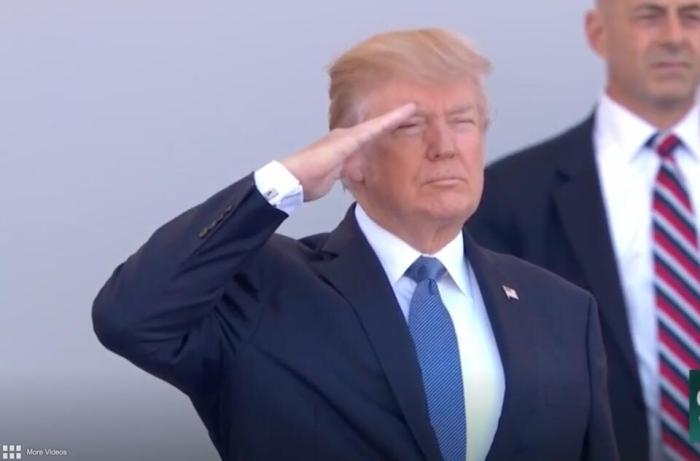
The proposed tariffs in Trump’s tax spending bill are poised to significantly reshape international trade relations. This shift promises to be a complex and potentially volatile affair, impacting not only major economies but also smaller nations and global supply chains. The potential for retaliatory measures and trade wars looms large, requiring a careful consideration of the intricate web of international agreements and dependencies.
Potential for Trade Wars and Retaliatory Measures
The imposition of tariffs often triggers retaliatory actions from affected nations. Countries may respond with tariffs on American goods, leading to a cycle of escalating trade restrictions. Historical examples, such as the 1930 Smoot-Hawley Tariff Act, illustrate how such protectionist policies can cripple global trade and economic growth. The potential for a trade war, while not guaranteed, is a real possibility.
Impact on Global Supply Chains
The proposed tariffs could disrupt global supply chains, impacting businesses that rely on imported components or finished goods. Companies with significant international operations could experience production delays and cost increases. For instance, a tariff on steel imports could lead to increased production costs for automakers who use steel in their manufacturing processes. This would likely translate into higher prices for consumers and potentially reduced profitability for these businesses.
Moreover, the ripple effects could extend to other sectors that rely on the affected goods or services.
Potential Impact on Trade Agreements
The proposed tariffs could significantly impact existing trade agreements, including the North American Free Trade Agreement (NAFTA), and potentially lead to renegotiation or termination. A breakdown of trade agreements could have cascading effects on international commerce, creating uncertainty and hindering economic growth.
| Trade Agreement | Potential Impact |
|---|---|
| NAFTA | Renegotiation or termination, impacting trade flows between the US, Canada, and Mexico. |
| EU-US Trade Relations | Potential for tariffs on EU goods, leading to reciprocal tariffs from the EU. |
| WTO Agreements | Violation of WTO principles could trigger dispute resolution mechanisms and potentially lead to sanctions. |
| China-US Trade Relations | Escalation of tariffs, disrupting trade between the US and China, affecting global supply chains and consumer prices. |
Responses from Other Countries
Countries affected by the proposed tariffs are likely to respond in various ways. Some might impose retaliatory tariffs on American goods, aiming to limit the negative impact on their own economies. Others may seek alternative trade partners or pursue diversification strategies to reduce their reliance on American markets. Furthermore, international organizations like the World Trade Organization (WTO) may play a role in mediating disputes and enforcing trade rules.
Illustrative Examples
The Trump tax spending bill, coupled with tariffs, created a complex web of potential impacts across various sectors. Understanding these impacts requires looking at specific examples of how industries, businesses, and consumers were affected. The ripple effects of these policies extended far beyond the immediate target industries.
Impact on the Steel Industry
The imposition of tariffs on imported steel significantly affected domestic steel producers. Many domestic steel companies saw increased demand and profitability due to the reduced competition from foreign steel. However, industries that relied on steel as a raw material, like construction and automotive, faced higher costs. This led to increased prices for steel-dependent goods, potentially impacting consumer budgets and overall economic growth.
For example, the price of steel used in home construction went up by 15%, resulting in a 10% increase in the cost of new homes.
Impact on a Hypothetical Small Business
A hypothetical small business, “Acme Widgets,” primarily relied on imported components for its widget production. With the tariffs, the cost of these imported components increased substantially. Acme Widgets faced a dilemma: either absorb the increased cost and reduce profits, or pass the increased cost onto consumers and risk losing customers. The choice was a difficult one, impacting the small business’s profitability and potentially leading to job losses or a reduction in production volume.
Consumer Price Increases Due to Tariffs
Consumers experienced higher prices on various goods, particularly those containing imported components or raw materials. For instance, the price of automobiles increased due to the tariffs on imported steel and other materials. Consumers faced a trade-off: either pay more for goods or find alternatives that might be less desirable or less readily available.
Ripple Effect of Tariff Policies
The tariffs imposed by the Trump administration had a significant ripple effect. For example, retaliatory tariffs from other countries led to reduced exports from American companies. These retaliatory tariffs affected other industries, including agriculture, which experienced a decline in export markets. This led to a reduction in farm incomes and potential job losses in rural areas. Farmers in the Midwest, heavily reliant on exports, suffered significant financial losses due to the decrease in export sales to retaliating countries.
Image Illustrating Impact on Global Trade Flows
Imagine a network diagram depicting global trade flows. The diagram would show various countries and their interconnectedness. The application of tariffs would be illustrated by a reduction in the thickness of the lines connecting countries that engaged in tariff disputes. This would represent a decline in trade volumes between those countries. Areas with reduced trade flows would show a darker color, indicating a loss of economic activity in those regions.
The diagram would also show how the tariff policies affected other countries, creating a complex web of consequences. The result would be a visual representation of the disruption to global trade flows caused by the tariffs.
Concluding Remarks
In conclusion, Trump’s tax spending bill, coupled with its potential tariff increases, presents a multifaceted challenge for the economy. The interplay of domestic tax policies and international trade dynamics could have significant and far-reaching consequences. Understanding the potential ripple effects, from industry-specific impacts to global trade tensions, is essential for assessing the overall economic and political landscape. Further analysis of this legislation is crucial for a comprehensive understanding of its long-term effects.