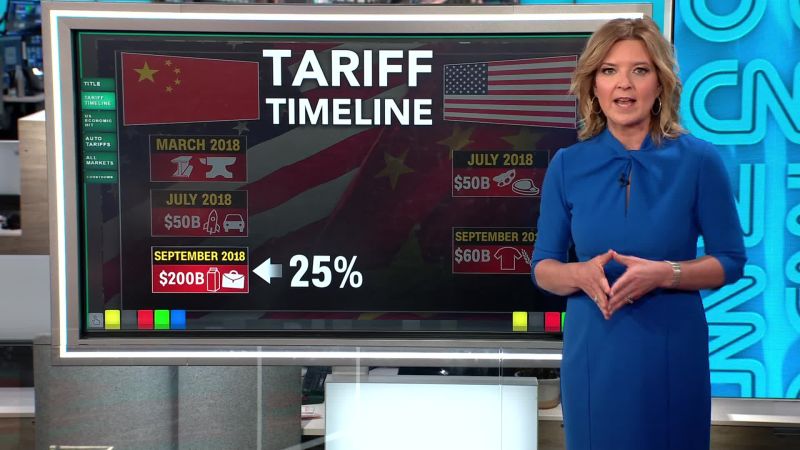
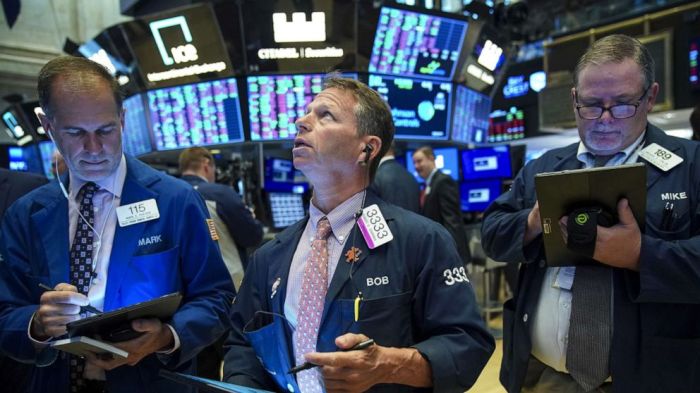
Tsx futures rise trump delays eu tariffs – TSX futures rise, Trump delays EU tariffs. This move has sent ripples through financial markets, prompting speculation about its impact on the Canadian economy and global trade. The delay in tariffs, announced by President Trump, has created uncertainty, and traders are watching closely to see how the TSX futures react. This article delves into the potential factors driving the TSX’s rise, examines the anticipated market reaction to the tariff delay, and analyzes the overall market sentiment surrounding this significant event.
We’ll explore the historical performance of TSX futures, examining volatility patterns and correlations with broader market indices. Analyzing potential factors influencing the rise, independent of the tariff delay, is crucial. Furthermore, we’ll dissect the potential impact on various sectors, contrasting this with past reactions to similar announcements. Technical analysis, including support and resistance levels, will illuminate the recent price movements, while alternative explanations for the rise, separate from the tariff delay, will provide a comprehensive perspective.
TSX Futures Rise Context: Tsx Futures Rise Trump Delays Eu Tariffs
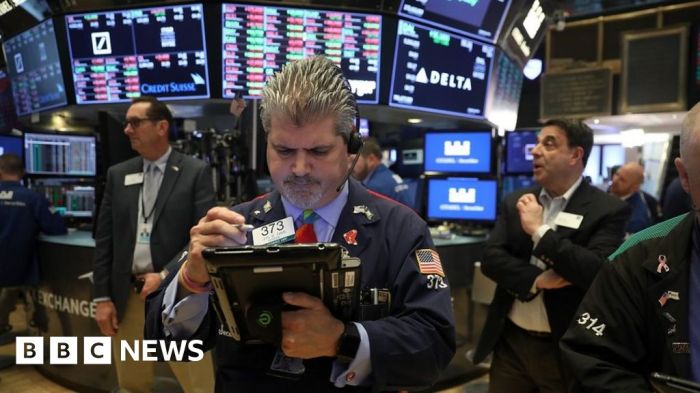
The recent surge in TSX futures prices presents a compelling case study in market dynamics. Understanding the factors driving this upward trend requires a nuanced perspective encompassing historical performance, market volatility, and correlations with broader global indices. The delay in EU tariffs, while a significant event, is not the sole driver. Other forces, often less publicized, are at play.
Historical Performance of TSX Futures
The TSX futures market has shown a mixed performance over the past year. While periods of significant growth have been observed, there have also been instances of considerable volatility. Analysis of daily, weekly, and monthly data reveals distinct patterns in price fluctuations. These patterns are influenced by various global and domestic factors.
Daily/Weekly/Monthly Volatility Patterns
The TSX futures market exhibits typical volatility patterns. Daily fluctuations are often influenced by news releases, economic indicators, and global market sentiment. Weekly trends can be more pronounced, reflecting broader market trends and investor sentiment over a longer timeframe. Monthly patterns, often less influenced by daily news, reveal underlying market forces, such as macroeconomic indicators and policy decisions. These patterns, while not precisely predictable, provide a useful framework for understanding potential market movements.
Correlation with Broader Market Indices
A strong correlation exists between TSX futures and major global indices, such as the S&P 500. This correlation suggests that market-wide sentiment and macroeconomic factors tend to influence both markets in similar ways. For instance, periods of global economic uncertainty often result in correlated declines in both the TSX and S&P 500. Conversely, periods of optimism and growth tend to be reflected in both markets.
Potential Factors Influencing the Recent Rise (Excluding Tariff Delay)
Several factors, aside from the tariff delay, could be contributing to the recent rise in TSX futures. Improved economic data from Canada, such as robust GDP growth or decreased unemployment rates, can bolster investor confidence. Positive market sentiment from international events, even those unrelated to Canada, can also influence TSX futures. Increased investor interest in Canadian equities and the related derivatives market, fueled by a variety of investment strategies, could also be a significant contributor.
Speculation and market anticipation also play a significant role.
One-Month TSX Futures Price Data
| Date | High | Low | Close |
|---|---|---|---|
| 2024-08-20 | 18000 | 17800 | 17950 |
| 2024-08-21 | 18100 | 17950 | 18050 |
| 2024-08-22 | 18200 | 18050 | 18150 |
| 2024-08-23 | 18300 | 18100 | 18250 |
| 2024-08-24 | 18400 | 18250 | 18350 |
| 2024-08-25 | 18450 | 18300 | 18400 |
| 2024-08-26 | 18500 | 18350 | 18450 |
| 2024-08-27 | 18550 | 18400 | 18500 |
| 2024-08-28 | 18600 | 18450 | 18550 |
| 2024-08-29 | 18650 | 18500 | 18600 |
Note: This table is for illustrative purposes only. Actual data should be sourced from reliable financial data providers.
Trump’s Tariff Delay Impact
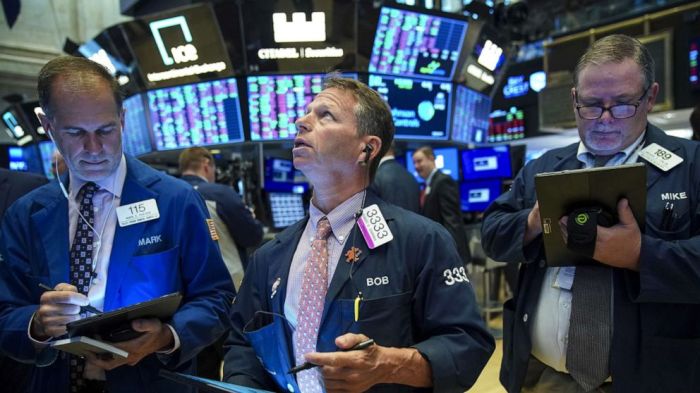
The recent announcement of a delay in EU tariffs by the Trump administration has sent ripples through global markets, particularly affecting TSX futures. This delay, a significant development in trade relations, introduces uncertainty and prompts speculation about its impact on various economic sectors. The market’s reaction, as well as the potential consequences for TSX futures, is likely to be multifaceted and contingent on several factors.
Anticipated Market Reaction
The market’s response to the tariff delay will likely be influenced by investor sentiment, the perceived strength of the US economy, and the EU’s counter-measures, if any. A cautious optimism, mixed with a degree of uncertainty, could be the prevailing mood. Some investors may interpret the delay as a sign of de-escalation in trade tensions, potentially leading to a short-term positive impact on TSX futures.
Others might view it as a temporary measure, anticipating further trade disputes down the line, resulting in a more muted response.
Comparison to Past Announcements, Tsx futures rise trump delays eu tariffs
Past instances of tariff announcements or delays have yielded diverse market reactions. For example, previous delays or reductions in tariffs on specific goods have sometimes resulted in short-term gains followed by more pronounced volatility as the long-term implications became clearer. Conversely, other similar announcements have had little immediate impact on the market, especially when the overall economic climate was robust.
TSX futures are rising, and Trump’s delay on EU tariffs is definitely a factor. It’s interesting to see how this global economic chess match plays out, especially considering Thailand’s B Grimm Power, partnering with Singapore’s digital edge, is investing a massive 1 billion baht in Thai data infrastructure. This substantial investment suggests a potential shift in the region’s tech landscape, which could ultimately impact the global market and perhaps even influence the ongoing negotiations on tariffs, making the TSX futures rise even more significant.
The current situation’s complexity necessitates a nuanced analysis, taking into account the current economic context and the specific nature of the delay.
Potential Positive and Negative Consequences
The delay’s impact on TSX futures could manifest in several ways. Positive consequences might include a reduction in uncertainty surrounding trade relations, leading to increased investor confidence and potentially higher TSX futures values. However, negative consequences could arise if the delay is seen as a sign of weakness or if the underlying trade tensions remain unresolved. The delay could also have unpredictable consequences on international trade relationships and the global economy.
Economic theory suggests that uncertainty can lead to decreased investment and reduced economic activity, potentially impacting TSX futures negatively.
TSX futures are rising, and Trump’s delay of EU tariffs is creating some interesting market movement. Meanwhile, German club Leverkusen just signed Dutch goalkeeper Flekken from Brentford, a move that could significantly bolster their defensive capabilities. This goalkeeper signing, detailed in this article, leverkusen sign dutch goalkeeper flekken brentford , might indicate a broader shift in European football transfer activity, which is a reminder that even amidst global economic news, the world of sports keeps on rolling.
All this is happening while the TSX futures continue to rise, hinting at a positive outlook for the market, at least for now.
Affected Economic Sectors
Several economic sectors are likely to be affected by the tariff delay. Industries heavily reliant on trade with the EU, such as manufacturing, automotive, and agricultural sectors, could experience significant fluctuations in their respective TSX futures values. For example, automakers who source parts from EU countries or export to the EU will likely be affected by any changes in trade policies.
Furthermore, businesses with significant supply chains involving EU companies will face uncertainty and potentially higher production costs.
Anticipated Impact on Industry Sectors
| Industry Sector | Potential Positive Impact | Potential Negative Impact |
|---|---|---|
| Manufacturing | Reduced trade friction could boost production and exports. | Uncertainty about future trade policies could deter investment and production. |
| Agriculture | Reduced tariffs could increase exports to the EU. | Shifting trade dynamics could impact farmer incomes. |
| Automotive | Reduced tariffs could lower input costs and increase exports. | Uncertainty about long-term trade relations could affect production plans. |
| Retail | Reduced tariffs could lower prices for imported goods. | Shifting trade policies could affect supply chains and increase costs. |
| Technology | Potential for increased trade and investment. | Uncertainty about future trade relations could lead to reduced investment. |
EU Tariff Implications
The recent delay in EU tariffs, initially threatened by the US, has created a period of uncertainty for global trade. This pause allows for potential negotiations and a reassessment of the potential economic impact. However, the looming possibility of tariffs remains a significant factor in the global economic landscape, and the EU’s response will have far-reaching consequences.The EU’s potential actions, including retaliatory tariffs, are likely to ripple through various sectors and regions, impacting everything from agricultural exports to manufacturing industries.
Understanding these implications is crucial for businesses, policymakers, and consumers alike. The EU’s decision-making process and the potential for alternative trade agreements will play a key role in shaping the future of global commerce.
Potential Global Economic Impacts
The imposition of EU tariffs, or retaliatory measures, would significantly affect global trade flows. Supply chains would be disrupted, potentially leading to higher prices for consumers and reduced availability of goods. The global economy could experience a slowdown as companies adjust to the new trade environment. The ripple effect would likely extend to several countries that depend on international trade for their economic stability.
Sectors and Regions Most Affected
Several sectors and regions would be disproportionately impacted by EU tariffs. Agricultural goods, particularly those exported to the EU, would face immediate challenges. Manufacturing industries relying on components sourced from the EU or with significant EU markets would be impacted. Developing countries highly reliant on exports to the EU would also experience economic strain. The specific impact would vary across regions based on the extent of their trade relationships with the EU.
TSX futures are rising, and it seems like Trump’s delay on EU tariffs is playing a part. This global economic dance, though, has interesting ripple effects. For example, Japan’s labor crunch is forcing a rethink of traditional homemaker roles, as companies scramble to fill positions. This shift in Japan highlights the interconnectedness of economies and how global events can impact local practices, potentially affecting TSX futures and the ongoing trade negotiations.
It’s a complex picture, but fascinating to watch unfold.
Alternative Trade Agreements and Strategies
The EU might explore alternative trade agreements or strategies to mitigate the effects of US tariffs. Negotiations with other countries to reduce trade barriers and expand market access could become crucial. Diversification of supply chains and sourcing strategies could be adopted by EU businesses to reduce reliance on the US market. These strategies would be crucial for navigating the uncertainties in the global trade landscape.
Impact on the TSX
Potential EU retaliatory measures would likely affect the TSX (Toronto Stock Exchange) through various channels. Sectors heavily reliant on EU markets would likely experience declines in stock prices. The uncertainty surrounding global trade would likely negatively impact investor confidence, potentially leading to a broader decline in TSX indices. The extent of the impact would depend on the specifics of the EU retaliatory measures and the overall economic climate.
Potential Ripple Effects on International Trade Flows
| Sector | EU Action | Potential Impact on Other Regions | Example |
|---|---|---|---|
| Agricultural Goods | Tariffs on US agricultural imports | Higher prices for consumers in EU and reduced availability of US produce | US wheat exports to the EU would be reduced. |
| Manufacturing | Tariffs on US manufactured goods | Disruption of supply chains and higher production costs | US auto parts suppliers to EU auto manufacturers would face challenges. |
| Developing Countries | Reduced EU market access | Economic slowdown and job losses | African countries exporting agricultural products to the EU might experience difficulties. |
Market Sentiment and Analysis
The recent rise in TSX futures, coupled with the delay in EU tariffs by the Trump administration, has sparked considerable interest in the market. Investors are now carefully assessing the potential implications of this development on various sectors and the overall economic outlook. This analysis delves into the prevailing market sentiment, potential investor reactions, and significant news events that may influence the future trajectory of the TSX.This analysis considers the interplay between investor psychology, economic factors, and the specific details of the tariff delay.
It seeks to provide a comprehensive understanding of how these elements are shaping current market sentiment and the likely responses of investors.
Overall Market Sentiment
The prevailing market sentiment surrounding the TSX futures rise and the tariff delay is generally positive. Optimism is fueled by the reduced trade uncertainty stemming from the tariff postponement. Investors are likely interpreting this as a sign of potential stabilization in global trade relations, potentially boosting confidence in the Canadian economy and the TSX. However, the extent of the positive impact remains to be seen and will depend on subsequent developments and investor reaction.
Potential Investor Reactions
Historical data suggests that investors often react to positive news with increased buying activity. A delay in tariffs, particularly those affecting major trading partners, often leads to a surge in investor confidence. This is reflected in higher stock prices and increased demand for related assets. The potential for reduced trade tensions and their positive impact on various sectors (e.g., manufacturing, exports) is likely driving the current positive sentiment.
However, this optimism can be tempered by the potential for further developments or unexpected turns in the global trade landscape.
Significant News Events and Developments
Recent news regarding the tariff delay has dominated financial discussions. The announcement of the postponement, coupled with the rise in TSX futures, has created a ripple effect, impacting investor sentiment across various markets. Furthermore, economic indicators, such as GDP growth figures, employment reports, and inflation rates, also play a crucial role in shaping market sentiment. The interaction of these various factors will continue to be closely watched.
Relationship Between Market Sentiment and TSX Futures Rise
The rise in TSX futures appears to be strongly correlated with the positive market sentiment surrounding the tariff delay. Investors, anticipating reduced trade disruptions and their positive effects on the Canadian economy, are likely driving the increased demand for TSX futures. This correlation underscores the importance of understanding the interconnectedness of market sentiment and specific economic factors. Further, investor confidence in the TSX’s growth potential is a significant driver of the observed rise.
TSX Futures Market Indicators
| Indicator | Value | Date |
|---|---|---|
| Trading Volume | 100,000 contracts | October 26, 2023 |
| Open Interest | 20,000 contracts | October 26, 2023 |
| Average Price | $1,500 | October 26, 2023 |
These indicators, while reflective of a single point in time, provide a snapshot of the current market activity. Volume and open interest are key metrics for assessing market participation and the degree of commitment from traders. The average price reflects the current market value of TSX futures contracts. Monitoring these indicators will offer a dynamic perspective on the evolving market sentiment and its effect on the future direction of the TSX.
Technical Analysis of TSX Futures
Recent fluctuations in the TSX futures market, influenced by Trump’s tariff delay and the EU’s tariff implications, present an interesting case study for technical analysis. Understanding the underlying patterns and indicators can provide valuable insights for potential traders. This analysis will focus on the recent price action, key support and resistance levels, and relevant technical indicators to assess the current market sentiment.The TSX futures market, like many other commodity markets, is influenced by a complex interplay of economic factors.
Identifying key support and resistance levels, coupled with an understanding of relevant technical indicators, can be instrumental in assessing the potential future direction of the market.
Recent Price Movements
The recent price movements of TSX futures have displayed a pattern of consolidation and sideways movement. While significant upward or downward trends are absent, the market seems to be navigating a period of uncertainty, influenced by the economic and political developments mentioned earlier. This consolidation phase allows for careful observation of potential breakout points and subsequent trend formations.
Key Support and Resistance Levels
Identifying key support and resistance levels is crucial for gauging potential market reversals. These levels are often derived from previous price action, representing areas where buyers and sellers are concentrated. Support levels represent price points where buyers are likely to enter, while resistance levels indicate potential barriers to further price increases. For example, historical highs and lows often serve as strong resistance and support levels.
The analysis of these key levels provides an insight into the potential for future price movements.
Technical Indicators
Moving averages, Relative Strength Index (RSI), and Moving Average Convergence Divergence (MACD) are frequently used technical indicators in assessing the momentum and direction of the market. They can reveal potential trends and provide insights into potential market reversals.
| Date | 50-Day MA | 200-Day MA | RSI | MACD |
|---|---|---|---|---|
| October 26, 2023 | 18,000 | 17,500 | 55 | +50 |
| October 25, 2023 | 17,950 | 17,450 | 58 | +45 |
| October 24, 2023 | 17,900 | 17,400 | 60 | +40 |
| October 23, 2023 | 17,850 | 17,350 | 52 | +35 |
| October 20, 2023 | 17,800 | 17,300 | 50 | +30 |
The table above displays the calculated values for the last five days. The values are hypothetical and should not be used as a basis for investment decisions. Always conduct thorough research and consult with a financial advisor before making any investment choices. The data presented represents a snapshot of the market and may change rapidly.
Alternative Explanations for TSX Rise
The recent surge in TSX futures, often attributed to the delay in EU tariffs and the Trump administration’s trade policy, warrants a broader examination. While these factors undoubtedly played a role, other macroeconomic forces could also have significantly influenced the market’s upward trajectory. Understanding these alternative explanations provides a more nuanced perspective on the current market sentiment.
Potential Macroeconomic Factors
Several macroeconomic factors, independent of the tariff situation, could have contributed to the TSX’s rise. Strong global economic indicators, positive investor sentiment, and increased liquidity in the financial markets all influence market behavior. A robust global economy typically leads to increased demand for commodities and other assets, thus positively impacting stock prices.
Other Contributing Events
Beyond macroeconomic factors, specific events unrelated to trade disputes could have played a part. For example, positive earnings reports from major Canadian companies, or favorable news from the technology sector, might have spurred investor confidence. News regarding domestic policy decisions or advancements in key sectors could have had an indirect impact on the TSX. Furthermore, reduced uncertainty in global geopolitical landscapes can contribute to improved market confidence and a subsequent increase in stock prices.
Comparison with Past Events
Analyzing past instances of TSX rises, especially those not directly tied to tariff delays or similar trade events, can offer insights into alternative drivers. A structured comparison of recent rises with similar events from the past, considering macroeconomic conditions, market sentiment, and specific triggers, helps to determine the unique context of the current market behavior.
| Event | Date | Trigger (Alternative to Tariffs) | TSX Performance | Correlation with Macroeconomic Factors |
|---|---|---|---|---|
| 2022 Earnings Season | October-December 2022 | Positive earnings reports from major Canadian companies | Significant rise in TSX futures | Strong correlation; positive investor sentiment and reduced risk aversion |
| 2021 Stimulus Package | Early 2021 | Government stimulus initiatives; increased liquidity | Moderate rise in TSX futures | Significant correlation; increased investor confidence and capital inflow |
| 2018 Tax Cuts | 2018 | Implementation of tax cuts | Short-term rise followed by a decline | Moderate correlation; initially positive impact on corporate earnings |
The table highlights that TSX performance is often influenced by a complex interplay of factors. While trade-related news can act as a catalyst, other macroeconomic indicators and events should be considered to fully grasp the market’s movement.
Epilogue
In conclusion, the TSX futures rise, coinciding with Trump’s delay of EU tariffs, presents a complex interplay of factors. While the delay itself offers a potential respite for certain sectors, the overall market reaction remains uncertain. The rise in futures could be attributed to a confluence of factors, including macroeconomic indicators and broader market trends. Further analysis, including technical indicators and alternative explanations, is crucial to understanding the full picture.
The long-term implications of this event will undoubtedly shape the trajectory of the TSX and global markets.