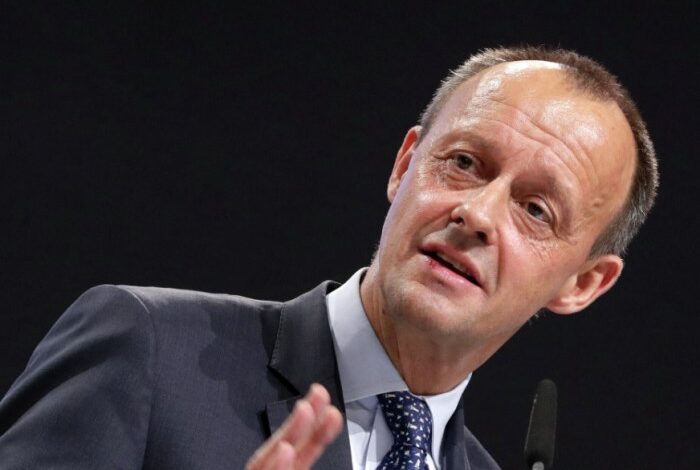
Ukraines zelenskiy talk with merz berlin wednesday – Zelenskyy’s meeting with Merz in Berlin Wednesday promises a pivotal moment in the ongoing conflict. This high-stakes discussion between the Ukrainian President and the German politician is expected to delve into crucial issues impacting the war, including Germany’s support for Ukraine and the future of the conflict. The location, Berlin, underscores the significance of Germany’s role in the international response.
Recent events leading up to this meeting, Zelenskyy’s public statements, and the current geopolitical climate all point to the importance of this conversation. Understanding the historical context of Ukraine-Germany relations and the anticipated agenda items will be crucial to interpreting the outcomes.
Background of the Meeting: Ukraines Zelenskiy Talk With Merz Berlin Wednesday
Ukrainian President Volodymyr Zelenskyy’s recent activities have been focused on securing international support for Ukraine’s defense against the ongoing Russian invasion. He has made numerous appeals to world leaders, highlighting the critical need for continued military aid, financial assistance, and diplomatic pressure on Russia. His public statements have consistently emphasized the importance of unity and resolve among allies in the face of the Russian aggression.The geopolitical situation surrounding Ukraine and Germany is characterized by Germany’s significant economic ties with Russia, and its efforts to balance its economic interests with its commitment to supporting Ukraine’s sovereignty.
This delicate balance has been tested by the ongoing war, with Germany facing pressure to increase sanctions on Russia and provide more military aid to Ukraine. The European Union is working toward a unified front against Russian aggression, while simultaneously navigating complex economic and political dynamics.The historical context of relations between Ukraine and Germany is one of evolving partnership and shared values.
Germany played a crucial role in supporting Ukraine’s independence and sovereignty after the collapse of the Soviet Union. The current crisis has tested this relationship, requiring both countries to demonstrate their commitment to democratic values and their opposition to Russian aggression.The anticipated agenda items for the meeting likely include discussions on continued military and financial aid for Ukraine, potential energy cooperation, and the implementation of sanctions against Russia.
There may also be discussions on the reconstruction of Ukraine and the long-term security of the region.
Key Events Related to the Meeting
| Date | Event |
|---|---|
| Ongoing | The ongoing war in Ukraine, influencing the political and economic landscapes of Europe, including Germany. |
| Recent | Zelenskyy’s numerous appeals to world leaders, highlighting the critical need for support. |
| Upcoming | Zelenskyy’s meeting with Chancellor Olaf Scholz in Berlin. |
Zelenskyy’s Perspectives
President Zelenskyy’s visit to Berlin signifies a crucial juncture in Ukraine’s ongoing defense against Russian aggression. The meeting with German Chancellor Olaf Scholz underscores the vital importance of continued German support, particularly in the context of substantial military aid and economic assistance. Zelenskyy likely recognizes the complexities of maintaining momentum and the need for concrete deliverables from this visit.Zelenskyy’s anticipated perspectives center on securing continued and intensified support from Germany.
He likely prioritizes tangible commitments for military assistance, including advanced weaponry and munitions, as well as sustained economic aid to mitigate the devastating impact of the war on Ukraine’s infrastructure and economy. His past rhetoric regarding Germany has emphasized the need for unwavering support and a commitment to bolstering Ukraine’s defense capabilities. The history of German aid, including past commitments and their implementation, will likely shape Zelenskyy’s expectations and potential demands during the meeting.
Zelenskyy’s Priorities and Concerns
Zelenskyy’s priorities likely encompass bolstering Ukraine’s defensive capabilities and securing Germany’s commitment to long-term support. He may express concerns about the pace of weapons deliveries, the reliability of logistical support, and potential obstacles to securing additional aid packages. Furthermore, he will likely address the ongoing humanitarian crisis and the need for substantial economic assistance to rebuild Ukraine’s war-torn infrastructure and economy.
Zelenskyy’s Past Rhetoric Regarding German Support
Zelenskyy has consistently emphasized the importance of Germany’s role in supporting Ukraine’s defense efforts. He has highlighted the need for a strong and unwavering commitment to providing essential military equipment and economic aid. His public statements reflect a desire for a comprehensive and sustained partnership with Germany, emphasizing the need for immediate and long-term support. He has stressed the critical role Germany can play in shaping the international response to the conflict.
Zelenskyy’s Potential Requests or Demands
Zelenskyy is likely to seek concrete commitments from Germany regarding specific military equipment and economic assistance. He may request expedited delivery schedules for weaponry, additional training programs for Ukrainian forces, and further economic support packages. He may also emphasize the need for Germany to play a more active role in coordinating international efforts to support Ukraine’s reconstruction and recovery.
Meeting Outcomes and Potential Impacts
| Topic | Zelenskyy’s View | Potential Impact |
|---|---|---|
| Military Aid | Zelenskyy likely seeks increased deliveries of advanced weaponry and munitions, along with enhanced training opportunities for Ukrainian forces. | Success in securing these commitments could significantly bolster Ukraine’s defense capabilities, potentially altering the trajectory of the war. Failure to achieve these objectives may lead to a perceived lack of support and potentially limit Ukraine’s military response. |
| Economic Assistance | Zelenskyy will likely request further economic support to help Ukraine recover from the war’s devastation. He may seek investments in infrastructure, energy, and other critical sectors. | Success in securing this support could aid Ukraine’s long-term recovery and resilience. Failure could hamper the rebuilding process and potentially lead to further economic hardship. |
| International Coordination | Zelenskyy may seek a stronger German role in coordinating international efforts to support Ukraine. | This could lead to greater international support and aid, enabling a more effective and sustained response to the conflict. Failure to secure this coordination may result in a less unified international response. |
Merz’s Perspectives
Friedrich Merz, leader of the Christian Democratic Union (CDU) in Germany, is expected to approach the meeting with Ukrainian President Zelenskyy with a focus on practical support and a nuanced understanding of the geopolitical landscape. He likely sees this as an opportunity to demonstrate Germany’s continued commitment to Ukraine’s sovereignty while also navigating the complex economic and social realities within Germany itself.
Merz’s Anticipated Priorities and Concerns
Merz’s priorities likely revolve around ensuring that German support for Ukraine remains robust and effective. He will likely be concerned about the long-term economic impact of the war on Germany and Europe, and how to maintain public support for continued aid. Furthermore, the potential for escalation of the conflict and its wider implications for European security will undoubtedly be a significant concern.
He will probably also consider the need to coordinate closely with other European nations to ensure a unified and consistent approach.
Merz’s Past Statements on the Conflict
Merz has consistently voiced support for Ukraine’s sovereignty and territorial integrity. He has advocated for increased military and financial aid, and he has been a strong critic of Russia’s actions. For example, in a speech before the Bundestag, he emphasized the importance of unwavering support for Ukraine. He has stressed the need for a concerted European response to the crisis, including sanctions and other forms of economic pressure on Russia.
Merz’s Potential Responses or Offers During the Meeting
Merz’s potential responses and offers will likely be focused on concrete steps to bolster Ukraine’s defense capabilities and resilience. This could include further arms supplies, strengthening existing economic assistance programs, and possibly exploring new avenues for humanitarian aid. His offers will likely be framed within the context of Germany’s national interests, ensuring that aid is provided in a sustainable manner.
Furthermore, he might propose joint initiatives with other European countries to coordinate support.
Potential Outcomes of the Meeting: A Table
| Topic | Merz’s View | Zelenskyy’s Reaction | Potential Outcomes |
|---|---|---|---|
| Military Support | Continued and enhanced provision of defensive weaponry, potentially exploring new types of equipment. Coordination with other allies is critical. | Seeking specific commitments and timelines for delivery of promised weapons and equipment. Emphasis on the need for advanced weaponry to counter Russian advances. | Agreement on further arms deliveries and potential for a joint European initiative on arms provision. |
| Economic Aid | Sustaining existing economic support programs, potentially with a focus on infrastructure development and energy security. Concerned about long-term costs for Germany. | Requesting further financial aid for reconstruction efforts, stabilization of the economy, and support for displaced populations. | Agreement to extend financial aid, potentially with a focus on specific projects and coordination with other donors. |
| Political Coordination | Promoting a united front among European allies, ensuring consistent support for Ukraine. | Seeking to strengthen international support, including securing further commitments from key European leaders. | Declaration of further support from Germany and the EU for Ukraine, with agreed-upon actions. |
| Regional Security | Exploring mechanisms to prevent future conflicts in the region. Addressing the long-term stability concerns. | Emphasis on establishing a framework for regional security that ensures Ukraine’s sovereignty and deterrents further aggression. | Agreement to explore joint security initiatives within Europe, possibly focused on peacekeeping and preventative measures. |
Potential Outcomes and Implications
The meeting between Ukrainian President Zelenskyy and German politician Friedrich Merz in Berlin holds significant implications for the ongoing conflict in Ukraine and Germany’s stance. Understanding the potential outcomes is crucial to comprehending the evolving dynamics of the war and the shifting geopolitical landscape. This discussion will explore potential scenarios, their impact on Ukraine, and the likely repercussions for German policy.
Zelenskyy’s meeting with Merz in Berlin yesterday was certainly a key diplomatic event. Meanwhile, it’s worth noting that heavy rains in southern China are prompting flood warnings, highlighting the global interconnectedness of weather patterns and the need for international cooperation. This kind of event, while seemingly unrelated, speaks volumes about the complex global challenges we face and how different crises are intertwined.
Hopefully, Zelenskyy’s discussions will yield positive results for Ukraine, considering the broader context of global events, like china issues flood warnings after heavy rain southern regions.
Potential Outcomes Summary
The meeting’s outcome hinges on the degree of shared understanding and agreement between Zelenskyy and Merz on key issues. A positive outcome could lead to increased German support for Ukraine, including potential arms deliveries or enhanced economic assistance. Conversely, a less productive meeting could result in a stalemate or a more cautious approach from Germany. The outcome also depends on the broader geopolitical context, including the evolving war in Ukraine and international relations.
Impact on the Ongoing Conflict in Ukraine
The meeting’s success in fostering closer ties between Ukraine and Germany could bolster Ukraine’s resolve and resilience in the face of ongoing Russian aggression. This could manifest in several ways, such as intensified military support or expedited delivery of crucial weaponry. Conversely, a less positive outcome could dampen Ukrainian morale and potentially influence other countries’ support. History shows that international alliances can significantly influence the trajectory of conflicts, as seen in previous wars and conflicts.
Impact on Germany’s Policies Toward Ukraine
The meeting will likely influence Germany’s policy toward Ukraine. A productive discussion could lead to a more assertive stance on supporting Ukraine, potentially leading to increased defense spending and a more significant role in the international coalition supporting Ukraine. However, domestic political considerations and concerns about economic repercussions might temper the response. Past examples of shifts in national policies towards countries in conflict often involve intricate factors.
Possible Future Developments or Responses from Other Countries, Ukraines zelenskiy talk with merz berlin wednesday
The meeting’s outcome could serve as a catalyst for other countries to reconsider their policies toward Ukraine and Russia. A successful meeting, demonstrating stronger support from Germany, could encourage other European nations and global powers to increase their support for Ukraine. A less favorable outcome, however, might prompt a more cautious or hesitant approach from other countries. The reaction of other countries is always dependent on a multitude of interconnected factors.
Zelenskyy’s chat with Merz in Berlin on Wednesday was significant, highlighting the ongoing European support for Ukraine. It’s interesting to note the parallel with Selassie Atadiika’s recent acceptance speech, selassie atadiika acceptance speech , which also underscored the importance of unity and resilience in the face of adversity. Ultimately, these kinds of high-level talks are crucial for bolstering Ukraine’s strength and securing its future.
Table of Potential Outcomes
| Outcome | Impact on Ukraine | Impact on Germany |
|---|---|---|
| Strong Agreement & Increased Support | Enhanced military capabilities, increased economic aid, bolstering resolve. | More assertive stance in international support for Ukraine, potentially increased defense spending. |
| Limited Agreement/Stalemate | Possible dampening of morale, potentially slower pace of support. | Continued cautious approach, less impactful role in international coalition. |
| Negative Outcome/Disagreement | Weakening of support, possible decrease in aid. | Potential for domestic political backlash, further questioning of the German role in international affairs. |
Contextual Information
Germany, a cornerstone of the European Union, plays a pivotal role in international affairs, particularly in shaping European policy and security. Its economic strength and historical ties with numerous nations grant it significant influence. This influence is particularly relevant in the context of the ongoing Ukrainian conflict, where Germany’s stance carries considerable weight. This meeting between President Zelenskyy and Mr.
Merz in Berlin highlights the importance of German-Ukrainian relations and the need for a coordinated response to the challenges facing Ukraine.Germany’s position on the Ukrainian conflict has evolved from initial hesitation to a more proactive stance in support of Ukraine. The German government recognizes the importance of standing with Ukraine in the face of Russian aggression, yet continues to grapple with the complex interplay of security, economic interests, and historical sensitivities.
This balancing act shapes Germany’s approach to providing support, including humanitarian aid, military assistance, and financial aid.
Germany’s Role in International Affairs
Germany’s influence in international affairs is substantial, stemming from its economic power, historical ties, and membership in key international organizations. Germany’s economy is one of the largest in the world, enabling it to exert considerable influence in global trade and economic policy. Its membership in the EU and NATO further amplifies its capacity to shape European and transatlantic security agendas.
Germany’s Historical and Current Stance on the Ukrainian Conflict
Germany’s stance on the Ukrainian conflict has shifted from a cautious approach in the early stages to a more resolute position in support of Ukraine. Initially, concerns about the economic implications of sanctions and the potential disruption of energy supplies weighed heavily on Germany’s decision-making. However, the escalation of the conflict and the evident Russian aggression led to a gradual but noticeable shift towards stronger support for Ukraine.
This shift has involved increased financial aid, military support, and diplomatic efforts to isolate Russia internationally.
Recent Developments Related to German-Ukrainian Relations
Recent developments in German-Ukrainian relations include increased military aid packages and growing political solidarity. Germany’s commitment to supporting Ukraine’s sovereignty and territorial integrity is becoming increasingly evident. These developments indicate a strengthening of the strategic partnership between the two countries.
Zelenskyy’s chat with Merz in Berlin yesterday was significant, but the UK is facing a tough choice next week regarding budget priorities. The IFS think tank’s warning about the difficult decisions between health and other spending, as detailed in this report , highlights the broader pressures on the UK. This likely influenced Zelenskyy’s discussion with Merz, underscoring the interconnectedness of global issues and the need for international collaboration.
Hopefully, these discussions will lead to constructive solutions.
Significance of the Location of the Meeting in Berlin
The meeting in Berlin carries significant symbolic weight. Berlin, the capital of Germany, is a historical center of European politics and diplomacy. Hosting the meeting in Berlin underscores the importance of Germany’s role in supporting Ukraine’s sovereignty and the ongoing efforts to address the crisis. The location itself reinforces Germany’s commitment to the European security architecture.
Historical Relationship Between Ukraine and Germany
The historical relationship between Ukraine and Germany is complex and multifaceted, encompassing periods of cooperation, conflict, and shared history. While historical ties have not always been harmonious, there are also periods of collaboration and cultural exchange.
Key Historical Events
| Date | Event | Significance |
|---|---|---|
| 1941-1945 | World War II: German occupation of Ukraine | Marked a period of immense suffering and destruction for Ukraine. |
| Post-WWII | Economic and political ties development | Post-war reconstruction saw gradual improvement in relations, with some forms of cooperation emerging. |
| 2014 | Russian annexation of Crimea and the start of the war in Donbas | Significantly impacted relations between Ukraine and Germany, marking a crucial turning point in the support Germany provided to Ukraine. |
| 2022 | Full-scale Russian invasion of Ukraine | Marked a significant escalation of the conflict and solidified Germany’s position in supporting Ukraine’s sovereignty and territorial integrity. |
Public Perception and Reactions
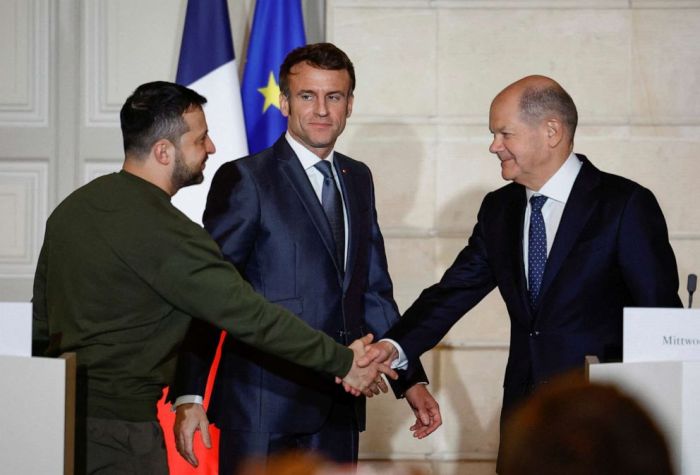
Zelenskyy’s meeting with Merz in Berlin carries significant weight, potentially shaping public opinion in both Ukraine and Germany. Public reactions will depend on the perceived outcomes and the narratives surrounding the discussions. The media’s portrayal of the event will play a crucial role in shaping public understanding.
Anticipated Public Reactions
Public reactions will be influenced by pre-existing sentiments and expectations. In Ukraine, the meeting’s perceived impact on the ongoing war, the potential for increased support from Germany, and the specifics of any agreements reached will heavily influence the public’s response. Positive outcomes, such as concrete pledges of support or increased military aid, are likely to be met with optimism and gratitude.
Conversely, perceived weakness or lack of tangible results could lead to disappointment and potentially criticism.In Germany, public reaction will hinge on the perceived value of the dialogue to German interests. Public perception will be significantly influenced by the perceived impact on German energy security, economic stability, and potential implications for the war’s duration. Success in reaching an agreement that addresses these concerns would likely be met with approval, while perceived negative outcomes or perceived concessions to Russia might generate criticism and debate.
Potential Media Coverage
Media coverage will be crucial in shaping public understanding. The meeting’s prominence will likely lead to extensive coverage in both Ukrainian and German media outlets. News agencies and major publications will analyze the meeting’s significance and potential implications. Social media will undoubtedly play a significant role in disseminating opinions and reactions in real-time. Different media outlets will likely adopt different angles and perspectives.
Some might emphasize the potential for diplomatic breakthroughs, while others might highlight potential risks or compromises.
Examples of Similar Meetings
Historical examples of similar high-profile meetings can offer insights into potential public reactions. The Normandy Format meetings, involving Ukraine, Russia, Germany, and France, offer a relevant precedent. The public reaction to those meetings varied, ranging from optimism about potential peace agreements to criticism regarding perceived lack of progress or perceived concessions to Russia. The outcome of the Ukrainian-German meeting, therefore, will likely be evaluated in the context of those previous diplomatic endeavors.
Potential Challenges and Controversies
The meeting might face challenges and controversies if it appears to favor Russia or fail to deliver on expected outcomes. Perceived concessions or compromises made by either side could generate controversy and criticism. Misinterpretations of the meeting’s objectives and outcomes could also create potential challenges and controversy.
Public Reaction Analysis
| Location | Public Reaction |
|---|---|
| Ukraine | Optimistic if tangible support is pledged, potentially critical if perceived weakness or lack of progress is seen. |
| Germany | Positive if the meeting addresses German interests, potentially negative if it is perceived as compromising German security or economic interests. |
Possible Implications for the Future
The meeting between Ukrainian President Zelenskyy and German politician Friedrich Merz holds significant potential for shaping the trajectory of the ongoing conflict and the broader European political landscape. Their dialogue, occurring amidst escalating tensions and complex geopolitical dynamics, promises to yield crucial insights into future strategies and alliances.The meeting’s significance stems from the critical role Germany plays in supporting Ukraine and the potential for this engagement to solidify the transatlantic partnership.
The implications extend beyond bilateral relations, impacting international efforts to resolve the conflict and potentially altering the course of global affairs.
Potential Consequences on the Broader European Political Landscape
The meeting between Zelenskyy and Merz reflects the evolving dynamics of European support for Ukraine. Germany, a pivotal player in the European Union, is increasingly engaging with Ukraine’s needs, potentially influencing other European nations to follow suit. This engagement could lead to a more unified European front in supporting Ukraine, strengthening collective security and potentially impacting the future direction of European foreign policy.
The collaborative efforts between Ukraine and Germany could serve as a model for future partnerships, prompting other European nations to deepen their commitment to Ukraine’s sovereignty and territorial integrity.
Impact on Global Efforts to Resolve the Conflict
The dialogue between Zelenskyy and Merz may influence global efforts to resolve the conflict. A more concerted European response, potentially bolstered by Germany’s influence, could encourage other international actors to engage in meaningful diplomatic efforts. This includes facilitating negotiations, imposing sanctions, or offering aid packages. The success of this engagement hinges on the extent to which other international actors align with a unified European stance.
Historically, unified international pressure has been effective in bringing conflicts to a resolution.
Possible Adjustments to International Alliances
The meeting underscores the evolving nature of international alliances. The strengthened partnership between Ukraine and Germany, a key player in the EU and NATO, could lead to adjustments in existing alliances. The potential for increased cooperation between Ukraine and NATO members could impact the overall balance of power in Europe and necessitate strategic recalibrations by other actors. The ongoing war in Ukraine has accelerated the need for adaptability and resilience within international alliances.
Importance of the Meeting in the Context of Ongoing Geopolitical Events
The meeting’s importance is underscored by the escalating geopolitical tensions. The war in Ukraine is a significant event reshaping the international order, and this meeting serves as a crucial opportunity to navigate the complex challenges ahead. The ongoing conflict and its impact on global energy markets, food security, and economic stability highlight the need for coordinated efforts to mitigate these risks.
The meeting between Zelenskyy and Merz is a significant step in understanding the broader implications of the current geopolitical environment.
Last Word
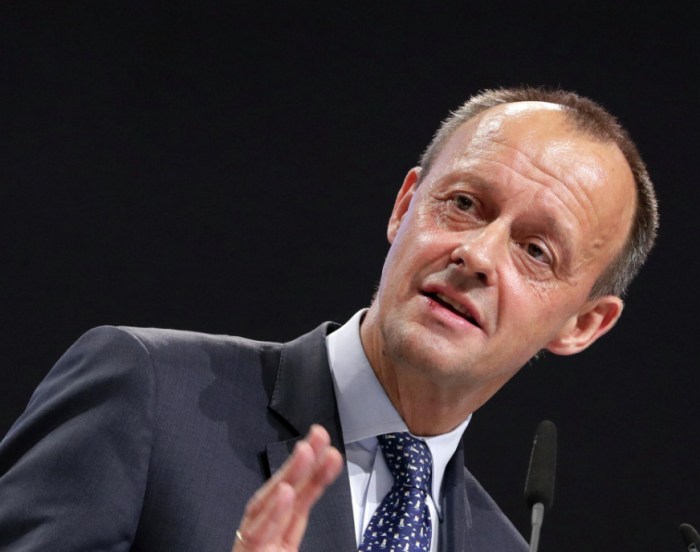
The meeting between Zelenskyy and Merz in Berlin Wednesday could have profound implications for Ukraine and Germany. The anticipated discussion on various issues, from military aid to economic support, will likely shape future policy decisions. The outcome of this meeting will be carefully scrutinized, and its impact on the conflict’s trajectory is expected to resonate far beyond the two countries involved.