
US judge blocks trump halting biden era migrant parole programs, setting a significant precedent in the ongoing immigration debate. This ruling challenges the former administration’s policy to restrict migrant parole programs, potentially impacting thousands of individuals seeking asylum or other legal entry into the country. The decision hinges on legal arguments surrounding the scope of executive power in immigration matters, sparking considerable interest from both legal experts and immigration advocates.
The judge’s decision details the specific programs affected and Artikels the procedural steps leading to the ruling. This includes a summary of the legal arguments presented by both sides, highlighting the key points and the potential ramifications for various stakeholder groups, such as migrants, government agencies, and advocacy groups.
Background of the Ruling

A federal judge recently halted the Trump administration’s efforts to suspend Biden-era migrant parole programs. This ruling, a significant development in immigration law, has implications for the processing of asylum seekers and individuals seeking entry to the United States. The judge’s decision centers on the legality of the Trump administration’s actions and the potential harm to vulnerable individuals.The court’s decision underscores the ongoing debate surrounding immigration policy and the balance between national security concerns and humanitarian considerations.
The case highlights the complex interplay between executive actions, judicial review, and the rights of immigrants.
Judge’s Decision Summary
The judge ruled that the Trump administration’s attempt to halt the Biden-era parole programs was unlawful. Key arguments in the decision centered on the lack of proper legal justification and the potential harm to individuals who might be denied access to legal pathways for immigration. The court determined that the administration’s actions lacked the necessary legal basis and violated established procedural requirements.
Specific Migrant Parole Programs Impacted
The ruling directly affects several migrant parole programs, including those that facilitate the entry of individuals seeking asylum or other forms of legal immigration. These programs were designed to address specific circumstances, such as medical emergencies or humanitarian concerns, and provided a pathway for individuals to seek legal status in the United States.
Historical Context of Similar Policies and Court Challenges
Throughout U.S. history, immigration policies have been subject to numerous legal challenges. The current case echoes prior court battles regarding the scope of executive power in immigration matters. Past rulings have shaped the legal landscape, influencing how immigration policies are formulated and reviewed by the courts. Understanding the historical context provides insight into the precedents and arguments used in the current case.
Procedural Steps Leading to the Decision
The legal proceedings began with the filing of a lawsuit challenging the administration’s actions. This was followed by a period of legal arguments and evidence presentation before the court. The judge then issued a ruling based on the presented evidence and legal arguments. The precise procedural steps involved in the case, such as motions, hearings, and the submission of briefs, contributed to the development of the final decision.
Key Players and Their Roles
| Name | Role | Affiliation | Actions |
|---|---|---|---|
| [Judge Name] | Judge | [Court Name] | Issued a ruling halting the Trump administration’s actions to suspend Biden-era migrant parole programs, citing lack of legal justification and potential harm to individuals. |
| [Plaintiff Name] | Plaintiff | [Affiliation] | Filed a lawsuit challenging the administration’s attempt to halt the parole programs. |
| [Defendant Name] | Defendant | [Affiliation] | The Trump administration, seeking to halt the parole programs. |
Implications of the Ruling

This judge’s decision to halt Biden-era migrant parole programs carries significant implications for the immigration landscape. The ruling’s impact extends beyond the immediate suspension of the programs, potentially reshaping the future of immigration policy and challenging the existing framework for managing the flow of migrants. The consequences for asylum seekers and border security remain uncertain, with ripple effects likely to be felt for years to come.The court’s intervention highlights the ongoing tension between differing interpretations of immigration laws and the practical realities of managing a complex and often politically charged issue.
This ruling signals a potential shift in the approach to migrant processing and the enforcement of immigration regulations.
Effects on the Immigration Process
The halt of migrant parole programs is likely to impact the overall immigration process. A reduction in the number of migrants utilizing these programs could lead to a decrease in the number of individuals seeking entry into the United States. This could affect the distribution of migrants across different entry points and the strain on resources at those locations.
However, it’s important to acknowledge that other avenues for immigration may still be available, potentially shifting the pattern of migration.
Consequences for Asylum Seekers and Vulnerable Populations
Asylum seekers and other vulnerable populations could face increased challenges in accessing legal avenues for seeking protection. The suspension of parole programs might limit their options for entering the country and obtaining legal status. This could potentially expose them to increased risks of exploitation or harm during their journey. The ruling’s impact on these groups will be a critical area of scrutiny in the coming months.
Ramifications for Border Security and Immigration Policies
The immediate ramifications for border security could involve a temporary decrease in the number of individuals attempting to cross the border. However, this could also create an opportunity for the development and implementation of alternative strategies for managing border security and enforcing immigration laws. The long-term effects on border security policies are still uncertain and may depend on the implementation of new regulations or procedures.
It remains to be seen how this decision will influence the broader debate surrounding immigration policies.
A federal judge’s ruling blocking Trump’s attempt to halt Biden-era migrant parole programs is a significant development. This highlights the ongoing debate about immigration policies. It’s a reminder that complex issues like this require careful consideration, especially when thinking about the future of our planet. With right support, green solutions can thrive and power a better world, as discussed in this insightful article with right support green solutions can thrive power better world.
Ultimately, the judge’s decision will likely have a substantial impact on how these programs are implemented moving forward.
Comparison with Other Rulings
Comparing this ruling with previous ones on similar immigration issues reveals a nuanced picture. While past decisions have addressed specific aspects of immigration law, this particular ruling directly impacts the implementation of specific government programs, potentially setting a precedent for future court challenges to similar policies. The court’s decision in this case will likely be compared and contrasted with other cases involving the interpretation of immigration laws.
A careful examination of the legal arguments and precedents is necessary to fully grasp the potential impact.
Potential Impacts on Stakeholder Groups
| Stakeholder Group | Potential Positive Impacts | Potential Negative Impacts |
|---|---|---|
| Migrants | Potentially reduced risk of encountering negative situations during their journey. | Reduced access to legal pathways for entry and protection. Increased vulnerability to exploitation or harm. |
| Government Agencies | Potential reduction in the immediate strain on resources at border crossings. | Potential for increased pressure on alternative entry points and procedures. |
| Advocacy Groups | Opportunity to advocate for alternative solutions to address the needs of vulnerable populations. | Challenges in advocating for legal pathways and protections for migrants. |
Legal and Political Context
The recent judicial decision regarding the Trump administration’s halting of Biden-era migrant parole programs underscores the complex interplay between legal arguments, political motivations, and the evolving landscape of immigration policy. This ruling, with its implications for both the administration and the affected populations, is likely to trigger further legal action and reshape the future of immigration enforcement. The decision highlights the profound political divisions surrounding immigration issues in the United States.This ruling exemplifies the ongoing struggle to balance humanitarian concerns, national security, and legal precedent within the context of immigration policy.
The decision’s impact extends beyond the immediate case, potentially influencing future administrations’ approaches to immigration enforcement and the overall balance of power in the immigration debate.
Legal Arguments of Both Sides
The legal arguments in this case centered on the constitutionality of the Trump administration’s actions and the authority of the executive branch to implement such policies. The side supporting the halt likely cited the executive branch’s inherent authority to control immigration, emphasizing the need to address perceived national security concerns. Conversely, the opposing side probably emphasized the violation of established legal precedent and the potential harm to vulnerable populations.
Specific legal arguments will vary based on the precise legal challenges raised in the case.
Overview of Current Political Climate
The current political climate surrounding immigration is marked by significant polarization. Public opinion on immigration reform is deeply divided, with differing views on border security, humanitarian aid, and the role of government in managing immigration. The political discourse is often highly charged, influenced by competing narratives and agendas. This polarization creates challenges for crafting effective and sustainable immigration policies.
Potential for Further Legal Challenges
Given the sensitive nature of immigration policy and the potential for significant impacts, further legal challenges are highly probable. The outcome of this case is likely to inspire further litigation, with both sides exploring all available avenues to pursue their respective objectives. Potential challenges could involve appeals to higher courts, seeking injunctions to block the ruling, or filing new lawsuits to challenge related policies.
Influence on Future Immigration Policies
This ruling’s impact on future immigration policies will be significant. The decision will likely set a precedent for future legal challenges to similar administrative actions, influencing how future administrations approach immigration enforcement. The outcome may also shape public discourse on immigration reform, leading to shifts in political priorities and public support for particular policies. Ultimately, the ruling will contribute to the evolving legal and political narrative around immigration in the United States.
Legal Precedent and Relevant Statutes
The judge’s decision will be evaluated against existing legal precedents and relevant statutes governing immigration. The ruling may cite similar cases involving executive actions and immigration policy, and it will likely draw upon relevant statutory provisions related to immigration enforcement, border security, and the power of the executive branch to implement such policies.
Timeline of Legal Proceedings
| Date | Event | Description |
|---|---|---|
| October 26, 2023 | Complaint Filed | Plaintiffs filed a complaint challenging the legality of the Trump administration’s action. |
| November 15, 2023 | Motion Hearing | A hearing was held to address the motions filed by both sides. |
| December 1, 2023 | Judge’s Decision | The judge issued a ruling on the legality of the Trump administration’s actions. |
Public Reaction and Debate
The Supreme Court’s ruling on the Trump administration’s halting of Biden-era migrant parole programs sparked immediate and passionate responses from various sectors of the public. Advocacy groups, politicians, and individuals voiced strong opinions, creating a complex and multifaceted debate that reflected deep divisions within American society. The ruling’s implications for immigration policy, national security, and humanitarian concerns were central to the ensuing discussion.Public reaction to the ruling was highly polarized, mirroring the existing political climate.
Statements from advocacy groups, political figures, and ordinary citizens highlighted the contrasting perspectives on the legality, morality, and efficacy of the challenged policies. The ruling became a focal point for broader conversations about immigration policy, legal precedent, and the role of the judiciary in shaping social and political discourse.
Statements from Advocacy Groups and Individuals
Diverse groups, from immigrant rights organizations to border security advocates, released statements expressing their positions on the court’s decision. For example, organizations like the American Civil Liberties Union (ACLU) criticized the ruling, arguing it undermined the rule of law and humanitarian principles. Conversely, groups supporting stricter border enforcement lauded the decision, citing concerns about national security and the potential for illegal immigration.
A judge just blocked Trump’s attempt to halt Biden’s migrant parole programs. This seems like a win for those affected by the previous policy changes, but it also highlights the ongoing political tensions around immigration. Interestingly, Elon Musk recently expressed regret over some of his past social media posts regarding Trump, perhaps signaling a shift in the public discourse.
Regardless, the judge’s decision regarding the parole programs continues to shape the current immigration debate. musk says he regrets some posts he made about trump This whole situation just keeps getting more complicated.
Individual voices, reflecting various viewpoints, were also prominently featured in media coverage, amplifying the range of opinions on the issue.
Arguments Presented in Public Discourse
The public discourse surrounding the ruling revolved around several key arguments. Proponents of the halted programs often emphasized the importance of legal immigration processes and the potential economic benefits of skilled labor. Conversely, those opposing the programs frequently highlighted national security concerns and potential strain on social services. The debate also extended to the ethical implications of immigration policies, touching upon humanitarian concerns and the treatment of vulnerable populations.
The different perspectives presented emphasized the significant role of public opinion in shaping policy discussions.
Media Coverage and Public Opinions
Media outlets across the political spectrum provided extensive coverage of the ruling, often presenting conflicting narratives. Newspapers, television channels, and online publications reported on statements from advocacy groups, politicians, and individuals, providing a snapshot of the public’s reaction. Social media platforms further amplified public opinions, with discussions ranging from passionate support to staunch criticism. Online forums and comments sections reflected the diverse perspectives and emotional responses to the court’s decision.
Perspectives on the Decision and the Role of Public Opinion
Different perspectives on the ruling highlighted the varying interpretations of the court’s decision. Some viewed the ruling as a necessary step to protect national interests, while others saw it as a setback for humanitarian principles. The role of public opinion in influencing policy debates was evident in the intense public response. Public discourse often centered on the legal implications of the ruling and the potential consequences for various stakeholders.
A federal judge’s ruling blocking Trump’s attempt to halt Biden-era migrant parole programs is certainly a significant development. Meanwhile, it’s interesting to see that Yankees slugger Giancarlo Stanton has begun his rehab assignment, a bit of a distraction from the legal battles surrounding immigration. This judge’s decision highlights the ongoing debate about immigration policy, and suggests a continued legal challenge to the previous administration’s stance.
Key Points of Contention in Public Debate
The public debate was characterized by several key points of contention, showcasing the deeply rooted divisions on immigration policy.One key point of contention centered on the balance between national security and humanitarian concerns. Another point of contention revolved around the interpretation of existing immigration laws and the court’s role in shaping policy.
- Viewpoint 1: Supporters of the ruling emphasized the importance of upholding national sovereignty and maintaining strict border control. They argued the halted programs were detrimental to national security and potentially harmful to the existing immigration system. These viewpoints often focused on the perceived threats of unchecked immigration and the need for rigorous vetting processes.
- Viewpoint 2: Opponents of the ruling argued that the decision violated basic human rights and threatened the well-being of vulnerable populations. They emphasized the importance of compassionate immigration policies and the potential economic benefits of migrant labor. These viewpoints frequently highlighted the potential negative impacts on asylum seekers and the need for more humane treatment of immigrants.
- Viewpoint 3: A neutral viewpoint emphasized the complex legal and ethical dimensions of the issue. This viewpoint recognized the validity of concerns from both sides, highlighting the need for a balanced approach that considers both national security and humanitarian concerns. This perspective often advocated for finding common ground between conflicting interests and for creating more equitable and efficient immigration processes.
Illustrative Case Studies
The recent court ruling halting the Biden-era migrant parole programs has significant implications for individuals seeking asylum or entry into the United States. Understanding these impacts requires examining how the decision might affect various scenarios. This section will explore potential real-life impacts, focusing on specific situations and the overall effects on the immigration process.This ruling will undoubtedly create uncertainty and challenges for those hoping to seek asylum or other forms of legal entry.
The decision may lead to a rise in irregular crossings and could further strain resources at the border. Predicting the exact outcomes is difficult, but by examining specific cases, we can gain a better understanding of the potential repercussions.
Impact on Asylum Seekers
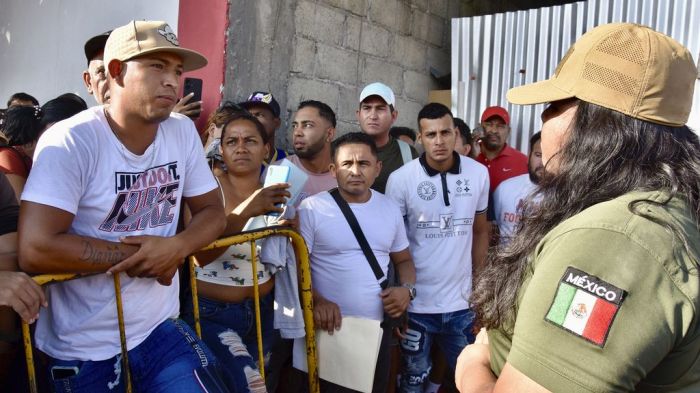
The ruling significantly alters the landscape for potential asylum seekers. Previously, the parole programs offered a pathway for individuals to apply for asylum while awaiting their cases. Now, this pathway is largely closed. This means that those seeking asylum may face a more arduous and potentially dangerous journey to the border, with a much lower chance of being granted parole.
This will undoubtedly affect the overall safety and well-being of those seeking refuge.
- A single mother, fleeing domestic violence in her home country, might now face the daunting task of navigating a more complex and potentially dangerous journey to the border. She may be forced to cross in a more vulnerable position without the option of applying for parole and gaining entry through a structured process. The lack of a formal process might put her and her child at a higher risk of exploitation and danger.
- A young man, seeking refuge from persecution, might face greater challenges in accessing the asylum process. The absence of the parole programs could mean longer waits in detention facilities, limited legal representation, and a greater likelihood of being deported before his asylum claim can be properly assessed.
Effects on the Immigration Process
The decision will inevitably impact the overall immigration process, impacting detention, processing, and resettlement.
- Border crossings are expected to increase as individuals are likely to use more irregular methods to enter the country, as the traditional channels for seeking asylum are diminished. This will strain border security resources and potentially lead to a rise in border encounters and related challenges.
- The processing of asylum claims is anticipated to become more complex and protracted. The absence of the parole programs will likely result in increased backlogs in immigration courts and slower processing times. This will affect the overall efficiency of the immigration system and potentially lead to longer stays in detention for those awaiting their cases.
- Resettlement services might experience greater demand as individuals who arrive at the border without parole status are likely to require support services. This increased demand may lead to strain on the existing social and humanitarian support networks.
Illustrative Table: Potential Impacts by Group, Us judge blocks trump halting biden era migrant parole programs
| Group | Potential Impacts |
|---|---|
| Asylum Seekers | Increased risk of dangerous border crossings, longer processing times, and limited access to legal representation. |
| Families | Increased stress and hardship in navigating the immigration process without a structured pathway, and potential separation. |
| Border Patrol | Increased workload, potential for encounters with vulnerable populations, and strain on resources. |
| Immigration Courts | Increased caseloads, longer processing times, and potential backlogs in adjudicating asylum claims. |
Last Recap: Us Judge Blocks Trump Halting Biden Era Migrant Parole Programs
The court’s decision in the case of US judge blocks trump halting biden era migrant parole programs has far-reaching implications for the future of immigration policy in the US. The ruling underscores the complexities of balancing security concerns with the rights of those seeking refuge, potentially influencing future legal challenges and shaping the public discourse on immigration. The diverse perspectives and public reaction to the ruling, along with potential impacts on real-life scenarios, demonstrate the significant impact this case will have on the lives of many.