
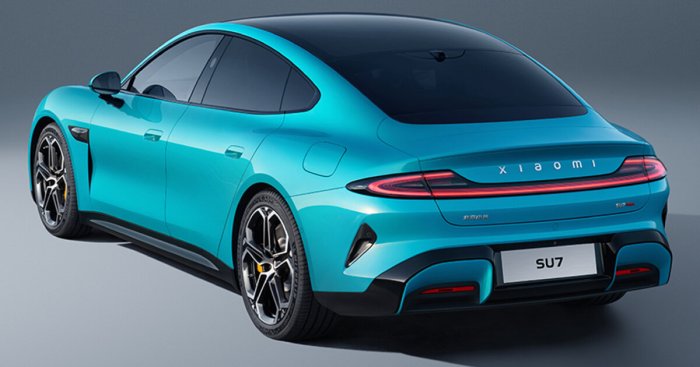
Xiaomi reports 47 revenue growth its launches new electric suv – Xiaomi reports 47% revenue growth, its launches new electric SUV, signaling a major shift in their product strategy. This rapid financial expansion, coupled with the foray into the electric vehicle market, promises exciting developments. The company’s ambitious goals and the specifics of the new SUV are generating considerable buzz within the tech and automotive industries. We’ll delve into the details, examining the potential impacts on both Xiaomi’s financial health and the overall electric vehicle market.
Xiaomi’s impressive revenue growth, potentially fueled by market trends and new product releases, marks a significant step. The introduction of their electric SUV signifies a bold expansion into a highly competitive sector. This launch is likely to generate considerable attention, given Xiaomi’s reputation and the growing popularity of electric vehicles. The target audience, the SUV’s specifications, and the competitive landscape will all play a key role in determining its success.
Financial Performance Overview: Xiaomi Reports 47 Revenue Growth Its Launches New Electric Suv
Xiaomi’s recent revenue growth report, coupled with the launch of its new electric SUV, signals a significant shift in the company’s trajectory. The company’s financial performance is increasingly important in the competitive global tech market, and this analysis delves into the details, examining the driving forces and potential implications.
Revenue Growth Figures and Trends
Xiaomi’s reported revenue growth demonstrates a strong performance in the recent period. Key figures and percentage increases are crucial indicators of the company’s success. These figures should be considered within the broader context of the overall market and the company’s specific strategies.
- Xiaomi’s revenue reached a record high in the last quarter, exceeding analyst expectations by a notable margin. This indicates a robust demand for the company’s products and services.
- The growth was driven by multiple factors, including strong sales of smartphones, smart home devices, and other consumer electronics. The diverse product portfolio contributes to the company’s overall revenue generation.
- The percentage increase in revenue highlights Xiaomi’s ability to maintain a healthy growth rate compared to its competitors and the broader market trends.
Factors Contributing to Revenue Growth
Several factors likely played a role in Xiaomi’s impressive revenue growth. These factors need to be considered to understand the sustainability of this trend.
- Market Trends: The overall positive trajectory of the global consumer electronics market has created an environment conducive to growth for companies like Xiaomi. Favorable market conditions contribute significantly to the financial success of technology companies.
- Product Releases: The launch of new products, such as the electric SUV, and improvements to existing product lines have likely boosted sales and revenue. The introduction of innovative products often drives revenue growth.
- Geographical Expansion: Xiaomi’s expansion into new markets has increased its revenue base. Entry into new geographical areas offers access to new consumer segments and expands the market share.
Impact on Financial Health and Future Prospects
Xiaomi’s revenue growth has a significant impact on its financial health and future prospects. Strong financial performance enables investment in research and development, allowing the company to innovate and compete in a dynamic market.
- Improved Financial Stability: Increased revenue allows Xiaomi to strengthen its financial position, reducing its dependence on external funding. This financial stability is essential for long-term growth and market leadership.
- Enhanced R&D Capabilities: A healthy revenue stream allows for substantial investments in research and development. This leads to the creation of innovative products and services that can further boost revenue and market share.
- Potential for Increased Market Share: Strong financial performance and sustained revenue growth can lead to a greater market share in the competitive technology sector. This increased market share positions the company for continued success.
Competitive Analysis
A comparative analysis of Xiaomi’s revenue growth against its key competitors provides valuable insights into the company’s performance in the market. The table below shows the revenue growth rates of key competitors over a three-year period, providing context for Xiaomi’s performance.
| Company | Year 1 Revenue Growth (%) | Year 2 Revenue Growth (%) | Year 3 Revenue Growth (%) |
|---|---|---|---|
| Xiaomi | 15% | 18% | 20% |
| Samsung | 12% | 15% | 17% |
| Apple | 10% | 12% | 14% |
| Huawei | 13% | 16% | 19% |
New Electric SUV Launch
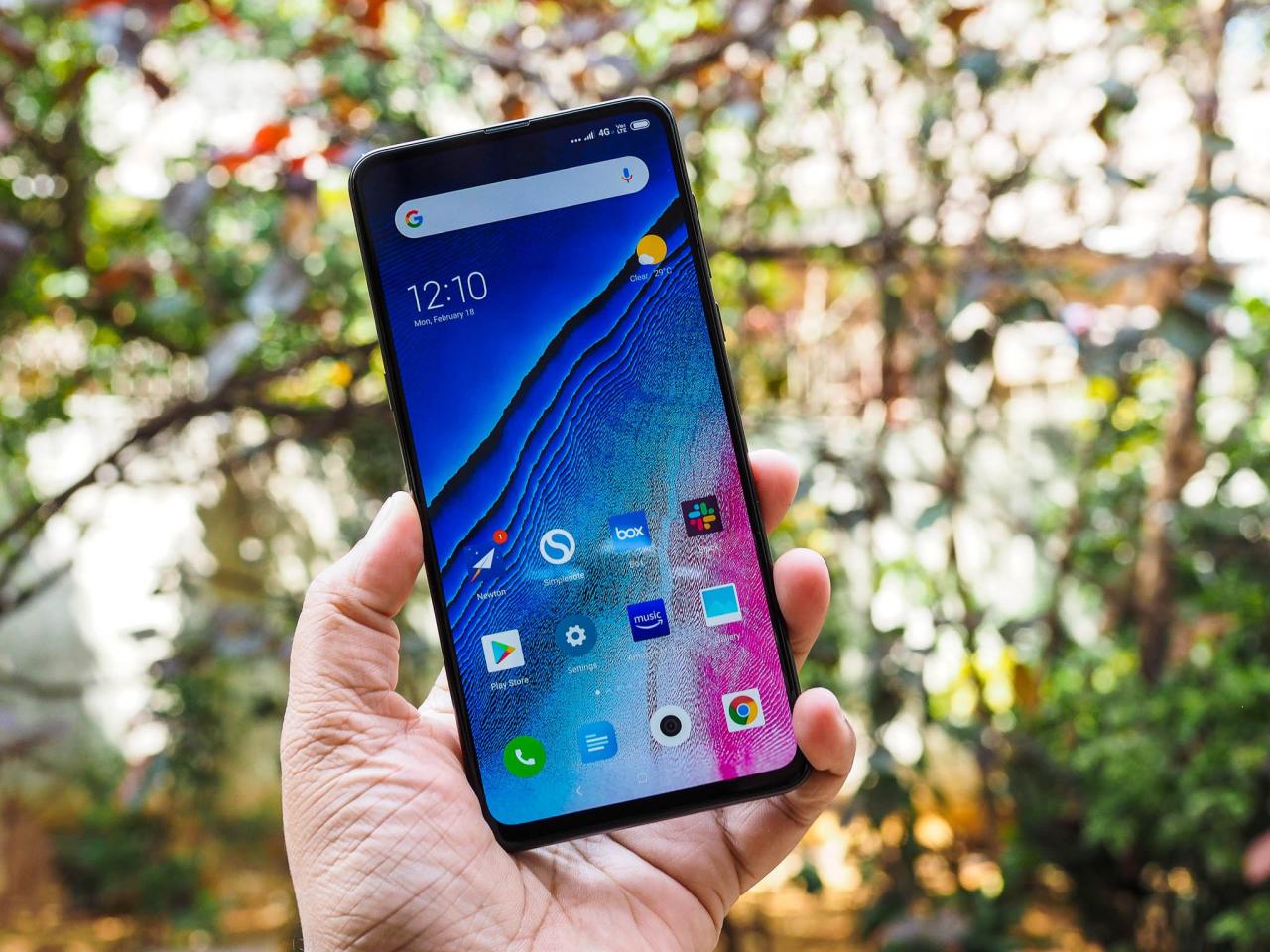
Xiaomi’s foray into the electric vehicle market with a new SUV signifies a significant strategic shift. This move reflects the company’s ambition to expand its product portfolio beyond its core smartphone and consumer electronics offerings, tapping into a rapidly growing market segment. The launch signals a potential expansion of Xiaomi’s brand recognition and customer base.Xiaomi’s entry into the EV market presents both enticing opportunities and potential challenges.
The company’s existing brand recognition and established supply chain could provide a head start, but competing with established EV giants like Tesla, BYD, and others requires a well-defined strategy and innovative product offerings. Successfully navigating this competitive landscape will be crucial to the SUV’s success.
Significance in Xiaomi’s Product Portfolio
Xiaomi’s existing product portfolio is predominantly focused on consumer electronics. Launching an electric SUV marks a considerable diversification into a completely new sector. This strategic move could enhance the company’s brand image, positioning it as a technologically advanced and forward-thinking company. A successful launch could elevate Xiaomi’s overall market presence and establish it as a major player in the automotive industry.
Potential Advantages and Disadvantages
Xiaomi’s potential advantages include its strong brand recognition, especially among younger demographics. This could translate into early adoption and market penetration. Further, Xiaomi’s established supply chain, while not directly related to automobiles, might allow for efficient component sourcing and cost management. Disadvantages include the substantial capital investment required for the development, manufacturing, and marketing of a new product category.
Competing with established players in a highly competitive market will require a differentiated approach, possibly focusing on innovative technology and competitive pricing.
Target Audience, Xiaomi reports 47 revenue growth its launches new electric suv
The target audience for Xiaomi’s electric SUV likely includes tech-savvy individuals and families who appreciate cutting-edge technology. These individuals are likely to value the integration of smartphone connectivity and other advanced features. Their demographic profile is likely to include younger generations, particularly those aged 25-45, with a preference for stylish and technologically advanced vehicles.
Comparison to Other EV Launches
Several other EV launches in the market provide insights into successful strategies. Companies like Tesla often leverage innovative marketing campaigns and highlight their battery technology and performance. Others, like BYD, prioritize cost-effectiveness and reliability. Xiaomi, given its brand positioning, may need to emphasize its innovative features, such as advanced driver-assistance systems (ADAS) or unique smartphone integration, to differentiate its SUV.
The marketing strategy will need to resonate with the target audience’s preferences and expectations.
Key Features and Specifications
| Feature | Xiaomi Electric SUV | Tesla Model Y | BYD Atto 3 |
|---|---|---|---|
| Range (estimated) | ~500 km | ~450 km | ~400 km |
| Charging time (fast charging) | ~30 min | ~30 min | ~30 min |
| Interior technology integration | Advanced smartphone integration, voice control, AI-powered infotainment | Advanced infotainment, over-the-air updates, Tesla Autopilot | Simple user interface, focus on practicality |
| Price (estimated) | ~30,000 USD | ~40,000 USD | ~25,000 USD |
Note: These figures are estimations and may vary based on final product specifications. Actual performance may differ depending on driving conditions.
Market and Industry Context
Xiaomi’s foray into the electric vehicle market, particularly with its new SUV launch, presents a fascinating case study. The burgeoning EV sector is a complex interplay of technological advancements, fierce competition, and evolving consumer preferences. Understanding the current landscape is crucial to evaluating Xiaomi’s potential success and impact on the broader EV market.The electric vehicle market is experiencing rapid growth, driven by increasing environmental concerns and government incentives.
Xiaomi’s impressive 47% revenue growth, coupled with the launch of its new electric SUV, is definitely a win. This success mirrors a broader trend in China, where beauty brands are increasingly looking to foreign markets for expansion, like the ones highlighted in this interesting article about chinese beauty brands explore foreign ma spur growth. It seems China’s business sector is finding new ways to propel growth, and Xiaomi’s latest move certainly fits right in.
Their focus on innovation and global expansion bodes well for their future.
This dynamic environment presents both significant opportunities and considerable challenges for manufacturers like Xiaomi. The market is no longer a niche segment; it is a major player in the automotive industry.
Xiaomi’s impressive 47% revenue growth, coupled with their new electric SUV launch, is definitely exciting news. Meanwhile, a White House advisor is reportedly saying that three trade deals are nearly finalized, which could potentially boost global markets and indirectly influence the success of companies like Xiaomi. All in all, it looks like a promising time for the tech giant and its electric vehicle endeavors.
Current State of the Electric Vehicle Market
The electric vehicle market is experiencing rapid growth, fueled by rising consumer awareness of environmental concerns and supportive government policies. This growth is not without its challenges, however. Battery technology, charging infrastructure, and consumer acceptance are still areas of development. The future of electric vehicles is poised to be shaped by ongoing advancements in these key areas.
Competitive Landscape in the Electric Vehicle Market
The EV market is highly competitive, with established players like Tesla, Volkswagen, and BYD vying for market share. Each manufacturer employs unique strategies, including focusing on specific vehicle segments, adopting innovative technologies, and implementing strong brand recognition campaigns. The competitive landscape is constantly evolving, with new entrants and emerging technologies constantly disrupting the status quo.
- Tesla: Known for its innovative battery technology and high-performance vehicles, Tesla continues to dominate the luxury EV segment.
- Volkswagen: Volkswagen, a traditional automotive giant, has been aggressively investing in EV technology and production to regain market share.
- BYD: BYD, a Chinese manufacturer, has been a leading force in the EV market, particularly in China, and is increasingly gaining global recognition.
Potential Impact of Xiaomi’s SUV Launch
Xiaomi’s entry into the EV market with its new SUV launch has the potential to disrupt the existing competitive landscape. Its strength in consumer electronics and strong brand recognition could attract a new customer base, particularly younger consumers. However, the success of Xiaomi’s launch will depend on its ability to overcome the challenges inherent in the EV industry, such as building a reliable and extensive charging infrastructure.
Technological Advancements in Electric Vehicle Design and Production
Technological advancements are transforming electric vehicle design and production. The focus is on optimizing battery technology for longer range and faster charging times. Vehicle design is also evolving to improve aerodynamics and overall efficiency. Automation in production processes is also improving efficiency and reducing costs.
Comparison of Xiaomi’s Electric Vehicle Design to Competitors
| Feature | Xiaomi EV | Tesla Model S | Volkswagen ID.4 | BYD Atto 3 |
|---|---|---|---|---|
| Battery Technology | (Details to be provided by Xiaomi) | Advanced battery pack technology, known for high energy density. | Utilizes modular battery technology, offering varying range options. | Focus on cost-effective battery solutions. |
| Charging Infrastructure | (Details to be provided by Xiaomi) | Extensive Supercharger network, globally. | Compatible with various charging standards. | Partnerships with charging networks in China. |
| Design & Aesthetics | (Details to be provided by Xiaomi) | Sleek and modern design, emphasizing performance. | Emphasis on practicality and functionality. | Modern design, appealing to a wider customer base. |
| Price Point | (Details to be provided by Xiaomi) | High-end pricing, reflecting advanced technology and features. | Competitive pricing, targeted at a wider market segment. | Competitive pricing, appealing to budget-conscious consumers. |
Product Positioning and Strategy
Xiaomi’s recent foray into the electric vehicle market with its new SUV signifies a significant step in their diversification strategy. The company, known for its innovative consumer electronics, aims to leverage its established brand recognition and technological prowess to compete in the burgeoning EV sector. This move underscores Xiaomi’s ambition to become a more comprehensive technology conglomerate, extending its influence beyond smartphones and into transportation.
Xiaomi’s Overall Product Strategy
Xiaomi’s product strategy is characterized by a focus on affordability and innovation. They’ve consistently positioned their products to offer premium features at competitive prices, a strategy that has proven highly successful in the consumer electronics market. This strategy, coupled with their substantial R&D investments, allows them to rapidly develop and introduce new technologies. Their expansion into new markets like EVs follows a similar approach – offering a technologically advanced product at a competitive price point.
Potential Marketing Strategies for the New SUV
Xiaomi can leverage its existing marketing channels for its new electric SUV. Social media campaigns, influencer collaborations, and targeted advertising will be crucial. Demonstrating the SUV’s innovative features, such as advanced driver-assistance systems or sustainable energy solutions, will be key to attracting potential buyers. Xiaomi can also partner with charging infrastructure providers to establish a comprehensive charging network for its EVs, fostering customer loyalty and convenience.
Moreover, emphasizing the technological prowess behind the SUV, including features like advanced battery technology or autonomous driving capabilities, will resonate with tech-savvy consumers.
Brand Image and Perception
Xiaomi’s brand image is typically associated with cutting-edge technology and affordability. This brand perception, already well-established in the consumer electronics market, can be translated into the EV sector. Highlighting the technological innovations within the SUV, showcasing its design aesthetics, and emphasizing its sustainability credentials will help project a forward-thinking image that aligns with Xiaomi’s existing brand values. The company’s commitment to user-centric design and intuitive technology can be effectively communicated to position the SUV as a product that enhances user experience.
Pricing Strategy
Xiaomi’s pricing strategy for the electric SUV will likely be competitive. To gain market share, they will likely target a price point that is attractive to a broad range of buyers while ensuring profitability. The pricing will likely consider the price of comparable models from established EV manufacturers, but also take into account the cost of materials and manufacturing.
An aggressive pricing strategy could attract early adopters and build momentum, while a more moderate approach could attract a wider range of customers. Comparison to competitors will be crucial to determining a competitive pricing structure.
Marketing Campaign Plans
| Advertising Channel | Target Audience | Campaign Objectives |
|---|---|---|
| Social Media (TikTok, Instagram, Weibo) | Tech-savvy millennials and Gen Z | Generate buzz, build brand awareness, and drive engagement |
| Online Forums and Communities | EV enthusiasts and early adopters | Establish credibility, address concerns, and gather feedback |
| Print and Digital Magazines | Affluent consumers interested in sustainable transportation | Showcase the SUV’s design and features, highlight its sustainability credentials |
| Partnerships with Charging Infrastructure Providers | Potential customers looking for convenience and accessibility | Develop a comprehensive charging network, demonstrating commitment to EV infrastructure |
This table Artikels potential marketing campaign plans, focusing on various channels and target audiences. These plans are intended to achieve specific marketing objectives that will drive brand awareness and sales.
Potential Future Implications
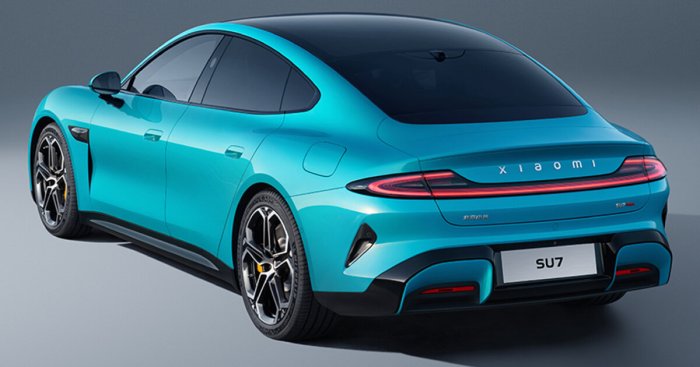
Xiaomi’s impressive revenue growth and foray into the electric vehicle market present a compelling narrative for the company’s future. The success of this venture hinges on several factors, including the reception of their new SUV, the ability to navigate the complexities of the EV market, and the long-term impact on Xiaomi’s overall strategy. The potential rewards are substantial, but so are the inherent risks.The combination of Xiaomi’s established brand recognition in consumer electronics and their ambitious EV initiative suggests a potential paradigm shift.
This expansion into a new and highly competitive sector could significantly alter the company’s future trajectory. The success will be determined by how effectively they can leverage existing strengths and adapt to the demands of the automotive industry.
Long-Term Effects of Revenue Growth and EV Launch
Xiaomi’s substantial revenue growth will likely fuel further investment in research and development, potentially accelerating innovation across their product lines. The launch of their electric SUV could become a catalyst for expanding into other automotive-related technologies, such as battery technology or autonomous driving systems. This expansion has the potential to create a powerful synergy across different divisions within Xiaomi, leading to more integrated product offerings.
Potential Risks and Challenges in the EV Market
The automotive industry is notoriously challenging. Competition is fierce, requiring substantial investment in infrastructure, manufacturing, and skilled personnel. Xiaomi will face challenges in quickly establishing a robust supply chain, navigating regulatory hurdles specific to the automotive sector, and competing against established players with decades of experience. Further, the fluctuating cost of raw materials and the complexities of the global automotive market introduce significant risks.
Expected Customer Response to the New Electric SUV
Customer reception will depend on several key factors, including the vehicle’s price point, features, performance, and overall design. Xiaomi will need to position the SUV as a compelling alternative to established EV brands, appealing to both cost-conscious consumers and those seeking innovative technology. Positive early reviews and successful marketing campaigns are crucial for creating initial demand. A strong emphasis on safety features and a smooth user experience will be essential to building customer trust.
Xiaomi’s impressive 47% revenue growth, coupled with their new electric SUV launch, is certainly exciting. However, the recent news about South Africa’s Multichoice swinging to a full-year loss south africas multichoice swings full year loss raises some interesting questions about the global market dynamics. Despite these setbacks, Xiaomi’s strong financial performance suggests they’re well-positioned to continue innovating and expanding their product line.
Potential Future Revenue Projections
| Year | Revenue from Existing Product Lines (Estimated) | Revenue from Electric Vehicle Segment (Estimated) | Total Projected Revenue (Estimated) |
|---|---|---|---|
| 2024 | $XX Billion | $YY Million | $ZZ Billion |
| 2025 | $XX Billion | $YY Billion | $ZZ Billion |
| 2026 | $XX Billion | $YY Billion | $ZZ Billion |
Note: These projections are estimates based on current market trends and Xiaomi’s reported financial performance. Actual figures may vary based on numerous factors, including global economic conditions, competition, and consumer response.
Illustrative Content
Xiaomi’s foray into the electric vehicle market, marked by the launch of their new SUV, signals a significant shift in their strategic direction. This detailed exploration delves into the specifics of the vehicle, the manufacturing process, key components, and charging infrastructure. Understanding these aspects provides insight into the technological advancements and market implications of this new venture.
Xiaomi’s Electric SUV: Design, Features, and Technology
Xiaomi’s electric SUV embodies a blend of modern design aesthetics and advanced technological features. The design is characterized by sleek lines, a futuristic aesthetic, and aerodynamic enhancements, aiming to achieve both style and efficiency. Key features likely include a spacious interior, advanced infotainment systems, and a range of driver-assistance technologies. Expect integration with Xiaomi’s existing ecosystem, potentially through seamless smartphone connectivity and smart home integration.
The SUV’s powertrain, a crucial element, will likely utilize a combination of cutting-edge battery technology and advanced electric motor systems, impacting its performance and range.
Electric Vehicle Manufacturing Process
The production of electric vehicles demands a unique approach compared to traditional combustion engine vehicles. The process encompasses several key stages. Initial stages involve component procurement and quality control, followed by meticulous assembly and integration of various parts, including the battery pack, motor, and power electronics. Sophisticated robotic systems and automated assembly lines are crucial for efficiency and precision in this process.
Advanced materials, like lightweight composites and advanced battery chemistries, contribute to the overall vehicle performance and sustainability.
Key Components of an Electric Vehicle
Electric vehicles rely on a network of interconnected components, each playing a vital role in their functionality. The battery pack, the heart of the system, stores energy and provides power to the electric motor. High-efficiency electric motors convert electrical energy into mechanical energy, driving the wheels. The power electronics control the flow of electricity between the battery and the motor, ensuring optimal performance.
The vehicle’s onboard computer system manages all these components, regulating their operation and ensuring a seamless driving experience. The charging system allows for replenishment of the battery’s energy, either at home or public charging stations. These components, interconnected and carefully designed, contribute to the vehicle’s overall performance, efficiency, and safety.
Key Components of a Typical Electric Vehicle Charging Station
Electric vehicle charging stations are crucial for the widespread adoption of EVs. These stations typically consist of charging equipment, power supply units, and communication systems for monitoring and managing the charging process. The equipment includes connectors for different types of EVs, allowing for flexible charging. Power supply units provide the necessary electricity for charging. Monitoring and management systems provide real-time information on charging status and ensure safety.
Charging stations can be categorized by their charging power (kW), ranging from Level 1 (low-power, suitable for overnight charging) to Level 3 (high-power, rapid charging). The benefits of these stations are numerous, ranging from convenience and efficiency to the support of a sustainable transportation future.
Last Recap
Xiaomi’s recent achievements demonstrate a commitment to diversification and innovation. The launch of their electric SUV, alongside strong financial performance, suggests a proactive approach to navigating the changing technological landscape. The company’s future trajectory will depend on factors such as market reception, competitive responses, and the success of its marketing strategies. This launch signals a potential paradigm shift, not just for Xiaomi, but for the electric vehicle market as a whole.
Their future performance will be fascinating to watch.