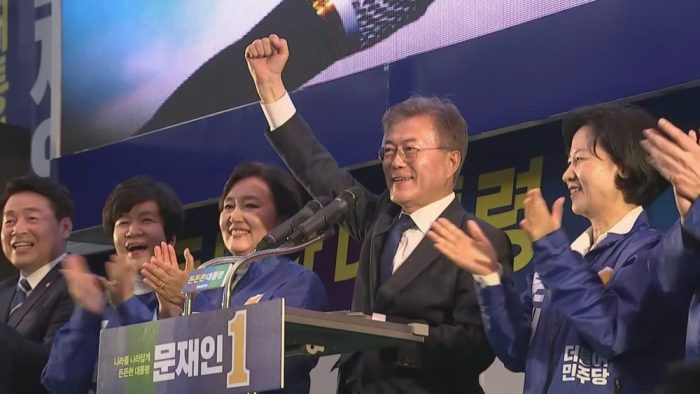
South koreas liberal candidate lee holds clear lead week before presidential – South Korea’s liberal candidate Lee holds a clear lead week before the presidential election. This is a fascinating moment in South Korean politics, offering a glimpse into the country’s current political landscape. The election is shaping up to be a close contest, with several key factors influencing the outcome. We’ll explore the historical context, the candidate’s support base, potential opposition, and the possible implications for the future.
This election promises to be a pivotal moment for South Korea. Lee’s lead, while significant, is not insurmountable. The campaign is likely to heat up in the final week, with intense campaigning and debate. The potential impact on the economy and social issues is also likely to play a key role in the outcome.
Candidate Lee’s Lead: South Koreas Liberal Candidate Lee Holds Clear Lead Week Before Presidential
South Korea’s upcoming presidential election is generating significant buzz, with candidate Lee holding a substantial lead in the polls just a week before the vote. This lead, while seemingly strong, needs to be examined within the context of South Korean political history, current issues, and the candidate’s platform. Understanding these factors provides a more nuanced perspective on the potential outcome of the election.The South Korean presidential election landscape is complex, shaped by a history of shifting political alignments and public opinion.
The country has witnessed various political coalitions, economic booms and busts, and social movements throughout its recent history, all influencing voting patterns and the success of candidates. Analyzing these trends provides a critical baseline for understanding the current race.
Historical Overview of South Korean Presidential Elections
South Korean presidential elections have often been characterized by periods of significant change. Historically, elections have been influenced by economic performance, social issues, and the personalities of the candidates. For instance, economic crises have often led to shifts in voter preference, as seen in past elections. Candidates emphasizing specific economic policies have often resonated with voters during times of economic hardship.
Key Political Issues and Debates
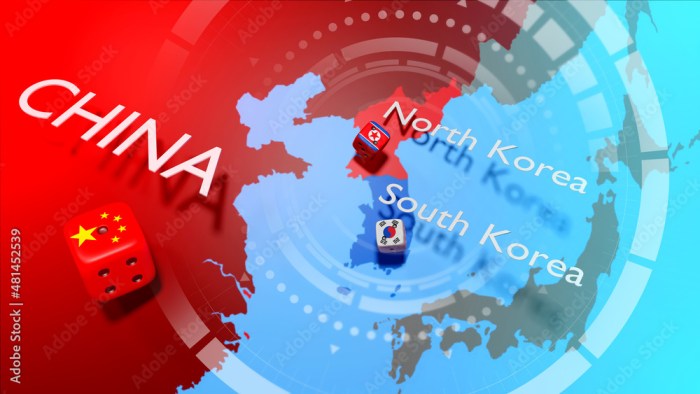
The current political landscape is shaped by several key issues. These include economic inequality, growing concerns about national security, and differing views on North Korea policy. The country’s aging population and the challenges it presents are also major topics of debate among political parties. These issues influence the public’s perception of the candidates and their policies.
Recent Political Events and Their Impact, South koreas liberal candidate lee holds clear lead week before presidential
Recent political events, such as high-profile policy announcements and debates, have significantly influenced the election discourse. The impact of these events on voter sentiment and candidate support needs careful consideration. A critical evaluation of these events reveals how they have shifted public opinion and affected the race.
Candidate Lee’s Background and Platform
Candidate Lee’s background and platform are significant factors in understanding his appeal. Lee’s political experience, policy positions, and proposed solutions to pressing issues are all key considerations for voters. For example, his stance on economic reform and his vision for national security are important aspects of his platform.
Current Political Climate and Public Opinion
The current political climate in South Korea is characterized by a complex interplay of factors. Public sentiment is influenced by economic conditions, social trends, and international relations. Understanding these elements is crucial for analyzing the impact on public opinion and voter behavior. This analysis requires careful examination of public discourse and media coverage.
Significance of the Lead in the Context of South Korean Politics
Candidate Lee’s lead is significant in the context of South Korean politics due to the nation’s complex history and the critical issues facing the country. His lead underscores the importance of addressing these challenges through concrete policies and effective governance. The lead also reflects public sentiment on various issues, highlighting the importance of policies for the future.
South Korea’s liberal candidate Lee is looking strong, holding a clear lead just a week out from the presidential election. While health concerns are always a factor in a high-stakes race like this, it’s worth noting that understanding ovarian cyst diagnosis and treatment options is important for overall well-being. Ovarian cyst diagnosis treatment is a complex area with many nuances, but thankfully, there are excellent resources available.
This focus on health, combined with Lee’s strong campaign, suggests a compelling picture for the upcoming election.
Analyzing Lee’s Support Base
Lee’s strong lead in the South Korean presidential race raises questions about the demographics and motivations driving his support. Understanding these factors is crucial for comprehending the current political landscape and predicting the election outcome. Voters’ choices are rarely monolithic, and Lee’s support base likely encompasses a variety of individuals with diverse backgrounds and priorities.Lee’s support appears to be particularly strong among specific segments of the population.
South Korea’s liberal candidate Lee is looking strong, holding a clear lead just a week out from the presidential election. Meanwhile, BP has appointed US oil and gas veteran Dave Hager as a non-executive director, a move that could signal shifting priorities in the energy sector. This could potentially impact global energy markets, though it’s unlikely to significantly sway the outcome of the Korean election.
Lee’s momentum seems undeniable, though.
Examining the reasons behind this support can reveal potential weaknesses and strengths for the other candidates. Furthermore, it provides insight into the underlying political and social currents shaping the election. This analysis seeks to illuminate the motivations behind the support for Lee and contrast them with the motivations of those supporting other candidates.
Demographic Breakdown of Lee’s Support
Lee’s support base likely includes a mix of demographics, with varying levels of support among different groups. The degree of support might vary by age, region, socioeconomic status, and other factors. Understanding the specific segments driving Lee’s strong showing is key to understanding the overall election dynamics.
- Younger Voters: Lee’s appeal to younger South Koreans might be linked to his perceived progressive policies on social issues and economic reforms. Recent polls suggest a significant portion of young voters are drawn to his promise of economic revitalization, particularly for future job prospects.
- Urban Populations: Urban areas often lean toward candidates with progressive stances, which might align with Lee’s approach. The presence of young professionals and tech-savvy individuals in urban areas could also be a factor in his support base.
- Specific Socioeconomic Groups: Lee’s policies might resonate with those experiencing economic hardship or seeking improvements in their economic situation. This could include lower-income households and those feeling the pressure of rising living costs.
Reasons for Lee’s Strong Support
Several factors contribute to the perception of Lee’s strong support. These reasons may be intertwined and reinforce each other.
- Economic Policies: Lee’s economic proposals, such as plans for job creation and economic growth, likely attract voters concerned about the current economic climate. Voters may be drawn to Lee’s promise of revitalizing the economy and creating opportunities for future generations.
- Social Issues: Lee’s stance on social issues, such as gender equality and LGBTQ+ rights, may attract voters who prioritize these issues. This segment of voters likely values candidates who support policies aligning with their social values.
- Political Ideology: Lee’s political ideology, likely encompassing liberal or centrist principles, could attract voters who identify with similar beliefs. Voters might be drawn to Lee’s ability to unite different factions and ideologies, potentially bringing together disparate groups.
Comparison with Other Candidates
Comparing Lee’s support with other candidates provides a broader context. Differing policy platforms, and the specific issues that each candidate prioritizes, influence the composition of their respective support bases.
| Candidate | Demographic Profile (Estimated) | Support Level (Estimated) |
|---|---|---|
| Lee | Younger urban populations, economically disadvantaged groups | Strong |
| Kim | Older generations, rural communities, traditional values | Moderate |
| Park | Middle-aged voters, concerned about economic stability | Moderate |
Note: The table above presents estimations of support levels and demographic profiles, based on available information. Actual support levels may vary and fluctuate.
Opposition to Lee’s Candidacy
The race for South Korean president is heating up, and while Candidate Lee enjoys a significant lead, opposition to his candidacy is undeniably present. Understanding the arguments against him is crucial for a complete picture of the political landscape. This analysis delves into the key criticisms leveled against Lee, exploring potential concerns about his policies and platform, and providing examples of public statements or actions that may be fueling opposition.The opposition to Lee’s candidacy stems from various sources, including differing political ideologies, specific policy disagreements, and concerns about his past actions or statements.
Analyzing these points of contention allows a deeper understanding of the complexities surrounding the election and the motivations behind opposing viewpoints.
Key Arguments Against Lee’s Candidacy
The opposition to Lee’s candidacy is multifaceted. Concerns range from perceived inconsistencies in his policy stances to criticisms of his past actions and statements. Understanding these concerns is vital to comprehending the complexities of the South Korean presidential race.
- Policy Disagreements: Critics argue that Lee’s proposed economic policies may not adequately address the needs of all segments of South Korean society. Specific concerns include potential negative impacts on certain industries or social groups. For example, some argue that his emphasis on deregulation could lead to environmental damage or harm workers’ rights.
- Past Actions and Statements: Certain past actions or statements by Lee have drawn criticism, including alleged conflicts of interest or controversial stances on social issues. These historical records are scrutinized by opponents and used to paint a picture of inconsistencies in Lee’s positions or intentions.
- Perceived Lack of Transparency: Some voters express concerns about a lack of transparency in Lee’s campaign or his past political conduct. This is frequently cited by opponents as a reason for distrust.
Specific Policy Criticisms
The criticisms of Lee’s policy platform center on potential drawbacks or unforeseen consequences. Critics often pinpoint specific proposals, highlighting concerns about their impact on different sectors of society.
| Policy Area | Lee’s Position | Opponent’s Position (Example) | Criticisms |
|---|---|---|---|
| Economic Growth | Focus on deregulation and market liberalization | Emphasis on targeted social programs and job creation | Concerns about potential job losses and negative environmental impact. |
| Social Welfare | Incremental adjustments to existing programs | Expansion of social safety nets and benefits | Criticisms of inadequate support for vulnerable populations. |
| Foreign Relations | Maintaining existing alliances with a focus on trade | Strengthening regional partnerships and international cooperation | Concerns about isolationism and lack of global engagement. |
Examples of Public Statements/Actions
Certain public statements and actions by Lee have been cited as evidence of alleged inconsistencies or shortcomings in his approach. These examples, often highlighted by opponents, are key elements in their arguments. For instance, Lee’s comments on certain social issues have sparked debate and are used by opponents to portray him as inflexible or out of touch.
Potential Impact on Election Outcome
Lee’s substantial lead in the South Korean presidential race, a week out from the election, significantly alters the landscape. This isn’t just a numerical advantage; it represents a shift in voter sentiment and could dramatically reshape the strategies of competing candidates. The implications are far-reaching, influencing everything from campaign tactics to the overall election atmosphere.
Implications on Overall Election Outcome
Lee’s strong lead increases the likelihood of a decisive victory. Historically, substantial leads in the final week of campaigning often translate into decisive wins. Factors like voter confidence and momentum play a crucial role. Voters are more likely to support a candidate who seems to be gaining support, creating a self-fulfilling prophecy effect.
Influence on Other Candidate Strategies
The other candidates now face a critical challenge. Their strategies must adapt to the reality of Lee’s lead. This may involve shifting their focus to specific voter demographics, highlighting differences on key issues, or even a shift in tone towards more aggressive campaigning. The goal is to attract undecided voters or to appeal to specific segments who might be disenchanted with Lee’s platform.
Opposition Reactions to Lee’s Strong Showing
The opposition is likely to respond with intensified efforts to highlight perceived weaknesses in Lee’s campaign or platform. They might employ negative campaigning tactics, focusing on specific policy disagreements or potential character flaws. There might be an increased use of social media and targeted advertising campaigns. The intensity and effectiveness of these counter-measures will depend on the nature of the opposition’s resources and strategies.
Potential Election Scenarios
Several scenarios are plausible, given the current situation. A landslide victory for Lee is a possibility, based on the early projections. A tighter race, however, isn’t impossible, if the other candidates successfully mobilize support in the final days. A surprise surge from an underdog candidate is another potential outcome, but less likely considering Lee’s lead. Ultimately, the final outcome will depend on the decisions and actions of both candidates and the electorate.
Impact on Voter Turnout and Election Atmosphere
Lee’s lead could impact voter turnout. A perceived inevitable victory might discourage some voters from participating, especially if they’re already committed to supporting other candidates. Conversely, a tightening of the race might energize voters and increase turnout. The overall atmosphere surrounding the election could become more intense, with a rise in political discourse and potentially heightened anxiety.
Potential Election Outcomes
| Scenario | Lee’s Result | Other Candidates’ Result | Voter Turnout | Election Atmosphere |
|---|---|---|---|---|
| Landslide Victory | >60% | Significant underperformance | Potentially lower | Quiet, but intense final days |
| Close Race | 50-60% | Strong showing by other candidates | Higher | Energetic, high-stakes race |
| Surprise Upset | <50% | Significant surge from a challenger | Higher | Shocking, dramatic finish |
Economic and Social Factors
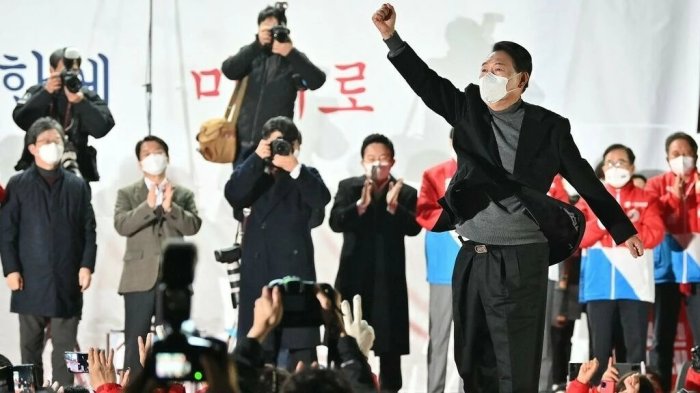
South Korea’s upcoming presidential election is deeply intertwined with the nation’s economic realities and the social anxieties of its citizens. Candidate Lee’s lead, while significant, doesn’t guarantee victory. The current economic climate, evolving social issues, and the perceived effectiveness of various policy approaches will all play crucial roles in shaping voter preferences. Understanding these factors is vital to comprehending the potential election outcome.The economic trajectory of South Korea significantly impacts voter choices.
Public perception of the government’s handling of economic challenges, such as inflation, unemployment, and income inequality, directly influences the electorate. Social issues, ranging from concerns about generational gaps to debates on social policies, also exert a substantial influence on voting decisions. The interplay between these economic and social forces will be a critical determinant of the election’s outcome.
South Korea’s liberal candidate Lee is looking strong, holding a clear lead just a week out from the presidential election. Meanwhile, basketball fans are buzzing about Tyrese Haliburton’s impressive triple-double performance for the Pacers, helping them take a commanding 3-1 lead in their series against the Knicks , but the focus remains squarely on Lee’s campaign as election day draws near.
It’s going to be an interesting race.
Economic Situation and Election Influence
South Korea’s economy, while robust in some sectors, faces challenges. Inflation remains a concern, and recent global economic uncertainties cast a shadow over future growth prospects. The potential for a recessionary period is a key worry for many voters. Government efforts to mitigate these challenges and provide economic stability will be a major factor in shaping voter attitudes.
Specific policies addressing income inequality and job creation will likely play a critical role.
Social Issues and Voter Concerns
Social issues are profoundly impacting voter choices. Generational differences, especially concerning housing affordability and future career prospects, are influencing voting decisions. The ongoing debate about social policies, including those related to education, healthcare, and family support, also significantly impacts voter preferences. The perception of government responsiveness to these social concerns will likely influence the election’s outcome.
Impact of Economic Policies on Political Climate
Government economic policies directly influence the political climate. Voters assess the effectiveness of policies aimed at boosting economic growth, creating jobs, and addressing income inequality. The perceived success or failure of these policies significantly impacts the public’s trust in the government and, consequently, candidate preferences. Policy proposals related to taxes, investment, and international trade relations will be central to the election discourse.
Impact of Social Trends and Public Opinion on Lee’s Standing
Social trends and public opinion significantly shape Lee’s standing. Voter responses to his stance on various social issues and his approach to economic management are critical. Public perception of his leadership and competence, based on past actions and policy pronouncements, directly influences voter choices.
Analysis of Economic Forecasts and Election Impact
Several economic forecasts predict moderate growth for South Korea in the coming years, but caution about potential global headwinds. The extent to which the government can mitigate these headwinds will directly impact voter confidence. Historical examples of economic downturns and the government’s responses to them provide valuable context for analyzing the potential impact on the election. For instance, the 1997 Asian Financial Crisis profoundly shaped the political landscape.
The current economic climate bears similarities, raising concerns about the government’s ability to manage the economy effectively.
Key Economic Indicators and Election Trends
| Economic Indicator | Trend | Correlation with Election Trends |
|---|---|---|
| GDP Growth Rate | Moderately positive | Potential impact on voter confidence in the government’s economic management |
| Inflation Rate | Rising | Significant concern for voters, impacting support for policies aimed at price stability |
| Unemployment Rate | Stable but slightly elevated | Potential impact on support for job creation and economic policies |
| Income Inequality | Persistent | A significant social issue influencing voter preferences for policies addressing income disparities |
Media Coverage and Public Perception
South Korea’s upcoming presidential election is generating significant media attention, particularly focusing on the strong lead held by candidate Lee. The media’s portrayal of Lee, and the overall election narrative, plays a crucial role in shaping public opinion and influencing the final outcome. Understanding how the media is covering the campaign is essential to analyzing the potential impact on voter choices.
Media Coverage of Lee’s Campaign
The media landscape is filled with various news outlets, each with its own perspective and approach to reporting on Lee’s campaign. Coverage ranges from detailed analysis of his policy positions to reports on his public appearances and interactions with voters. This diverse range of coverage offers a multifaceted view of the candidate, but also presents challenges in discerning the true public perception.
Public Perception of Lee
Recent media reports suggest a mixed public perception of Lee. Some view him as a strong and decisive leader, capable of addressing the nation’s economic and social challenges. Others express concerns about his policies, particularly his stance on certain economic issues. The media’s portrayal of Lee’s strengths and weaknesses is crucial in shaping public opinion and influencing voting behavior.
Media Strategies Employed by Lee
Candidate Lee’s campaign likely employs various media strategies to connect with voters. These strategies could include targeted advertising campaigns, social media engagement, and participation in televised debates. The effectiveness of these strategies is difficult to measure directly but can be inferred from public reaction and shifts in poll numbers. Assessing the impact of these strategies requires careful analysis of media coverage and voter sentiment.
Impact of Public Statements and Interactions
Public statements and interactions are vital components of Lee’s campaign. Comments on economic policies, social issues, and foreign relations can significantly influence voter perceptions. A well-received public address or a thoughtful response to a question can bolster support, while a misstep or controversial statement could negatively impact his image. The media’s reporting on these interactions significantly shapes public understanding.
Media’s Portrayal of the Candidate and Election
The media’s portrayal of Lee and the election is complex and multifaceted. While some outlets focus on his strong lead and potential policy achievements, others highlight concerns about his past decisions or potential future challenges. The election is presented as a crucial juncture for the nation, with various perspectives offered regarding the candidates and the issues at stake.
The tone and focus of media coverage, including news articles, social media posts, and televised broadcasts, contribute to the overall perception of the election and candidate.
Table of Media Coverage
| News Outlet | Coverage Focus | Tone |
|---|---|---|
| National Broadcasting Corporation (NBC) | Policy positions, public appearances, potential impact on economy. | Balanced, analytical |
| South Korea Times | Analysis of Lee’s support base, focus on demographics and potential voter turnout. | Neutral |
| Online News Portal A | Extensive social media analysis, candidate’s online interactions. | Neutral to slightly positive |
| News Channel B | Focus on Lee’s past statements and potential controversies. | Critical |
Concluding Remarks
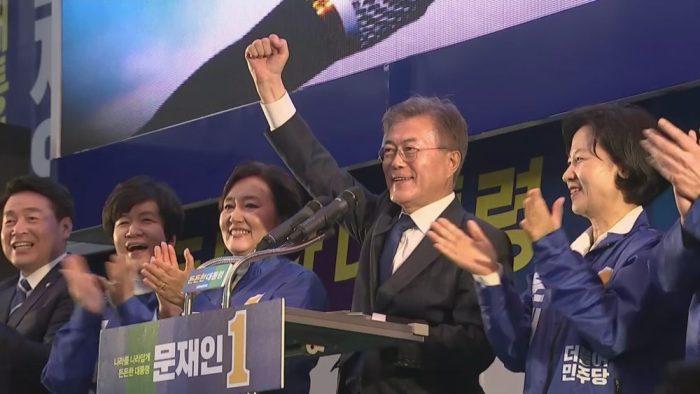
In conclusion, South Korea’s upcoming presidential election is a significant event with potential far-reaching consequences. Candidate Lee’s strong lead presents a compelling narrative, but the opposition’s arguments and the evolving political climate could still shift the trajectory. Economic and social factors are intricately interwoven, and the media’s role in shaping public perception is crucial. Ultimately, the election outcome will be determined by a multitude of factors, including voter turnout and the final arguments made by each candidate.