Elon Musk Trump Leaving Administration Doge
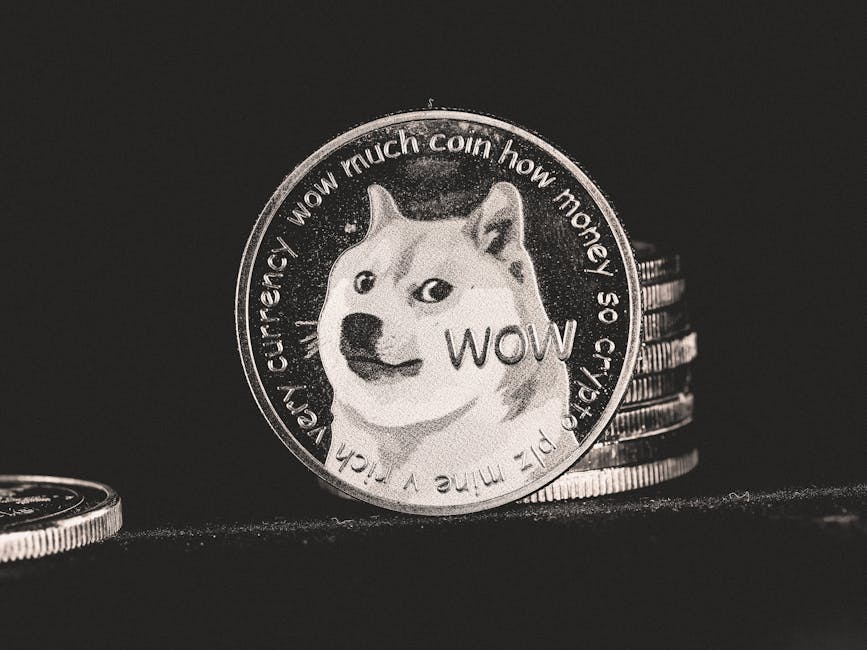
Elon Musk, Donald Trump, and the Doge Dynamic: A Post-Administration Crypto Confluence
The convergence of Elon Musk, the mercurial tech titan, and Donald Trump, the former U.S. President, around the meme-inspired cryptocurrency Dogecoin (DOGE) represents a fascinating intersection of celebrity influence, political discourse, and the burgeoning digital asset market. While neither figures have held formal positions within the Trump administration during their most vocal DOGE endorsements, their public pronouncements have undeniably shaped market sentiment and propelled the cryptocurrency into mainstream consciousness. This article will explore the symbiotic relationship between these prominent personalities and Dogecoin, examining the motivations behind their engagement, the impact on DOGE’s valuation and adoption, and the broader implications for cryptocurrency regulation and investor behavior.
Elon Musk’s fascination with Dogecoin is well-documented and has been a primary driver of its meteoric rise at various points. His playful and often audacious tweets, frequently referencing the Shiba Inu-themed coin, have acted as powerful catalysts, generating massive interest and speculative buying. Musk’s involvement transcends mere endorsement; he has actively integrated Dogecoin into his business ventures, notably announcing that Tesla would accept DOGE for merchandise. This move, seemingly incongruous with a high-tech automotive manufacturer, signals a deliberate attempt to legitimize and normalize the cryptocurrency, pushing it beyond its meme origins. His influence is so potent that even a single tweet can trigger significant price swings, illustrating the profound impact of celebrity endorsement in the volatile crypto landscape. The "Doge" community, a vibrant and dedicated online following, often rallies around Musk’s pronouncements, interpreting them as signals of the coin’s future success and potential to disrupt traditional finance. This creates a feedback loop where Musk’s enthusiasm fuels community engagement, which in turn generates more positive buzz, further enhancing the coin’s visibility and perceived value.
Donald Trump’s engagement with Dogecoin, while perhaps less consistent and more politically charged, has also contributed to its notoriety. While his direct involvement with DOGE is less about technical integration and more about leveraging its cultural cachet, his public statements have nevertheless drawn attention. During his presidency, Trump’s administration was largely skeptical of cryptocurrencies, viewing them with suspicion and concern over their potential for illicit use and financial instability. However, in the post-presidency era, and particularly as he has engaged in efforts to rebuild his political base and explore new avenues for fundraising, a subtle shift in his rhetoric, or at least a willingness to acknowledge and even playfully engage with popular trends, has been observed. His association with DOGE, even if indirect or through proxies, taps into a younger, digitally-native demographic that may be more receptive to his political messaging. The perceived "outsider" status of Dogecoin, akin to Trump’s own political brand, might also create an unexpected synergy. This dynamic is further complicated by the fact that Trump’s own digital endeavors, such as his Truth Social platform and NFTs, have sought to capitalize on similar trends of digital ownership and community engagement. The intersection of Trump and DOGE, therefore, can be viewed through the lens of political branding and an attempt to connect with a modern electorate through unconventional means.
The economic impact of Musk and Trump’s involvement with Dogecoin is undeniable. During periods of heightened attention from these figures, DOGE has experienced dramatic price surges, often reaching all-time highs. This volatility, while exciting for some investors, also presents significant risks. The speculative nature of Dogecoin, originally conceived as a joke, means its valuation is heavily reliant on sentiment and hype rather than fundamental utility. The "pump and dump" phenomenon, where prices are artificially inflated through coordinated buying and then quickly sold off, is a recurring concern in the crypto market, and celebrity endorsements can exacerbate this risk. For individuals who invest based solely on the pronouncements of high-profile figures, the potential for substantial financial losses is considerable. However, for the Dogecoin ecosystem itself, this increased attention has led to greater developer interest, a larger user base, and more mainstream acceptance, albeit still on a nascent level. The accessibility and low transaction fees of Dogecoin have also made it attractive for micro-transactions and as a tipping mechanism on social media platforms, further solidifying its niche appeal.
The regulatory implications of celebrity involvement in the cryptocurrency space are a growing concern for governments and financial watchdogs worldwide. The U.S. Securities and Exchange Commission (SEC), for instance, has previously investigated the impact of social media on financial markets, particularly in cases where celebrity endorsements may have misled investors. The Federal Trade Commission (FTC) also has a role in policing deceptive advertising. While Musk and Trump are not directly employed by Dogecoin or its developers, their public endorsements can be construed as implicit endorsements, raising questions about transparency and investor protection. The decentralized nature of cryptocurrencies makes them inherently difficult to regulate, and the influence of charismatic individuals adds another layer of complexity. Regulators are grappling with how to distinguish between genuine technological innovation and speculative marketing schemes, and the involvement of figures like Musk and Trump forces a reevaluation of existing frameworks. The lack of clear guidelines around celebrity endorsements of digital assets creates a regulatory gray area, leaving investors vulnerable.
The psychological impact of Musk and Trump’s influence on Dogecoin investors cannot be overstated. They tap into a desire for quick wealth, a fascination with disruptive technologies, and a sense of belonging to an online community. For many, investing in Dogecoin becomes less about financial analysis and more about participating in a cultural phenomenon. The "HODL" (hold on for dear life) mentality, prevalent in crypto communities, is often fueled by unwavering faith in the vision and influence of key figures. This reliance on personality rather than fundamentals can lead to irrational exuberance and a detachment from realistic investment principles. The meme culture surrounding Dogecoin, with its emphasis on humor and community, further amplifies this psychological effect, making it appealing to a demographic that may be less risk-averse. The desire to be part of something "big" and to be associated with influential personalities can override sound financial judgment, making investors susceptible to market manipulation.
Looking ahead, the long-term trajectory of Dogecoin will likely remain intertwined with the public activities and pronouncements of figures like Elon Musk and, to a lesser extent, Donald Trump. The sustainability of Dogecoin’s valuation will eventually depend on its ability to move beyond speculative hype and establish tangible utility and widespread adoption. While Musk’s continued engagement with cryptocurrency, including his broader interest in blockchain technology, suggests a continued, albeit unpredictable, influence. Trump’s future engagement is more difficult to ascertain and will likely be dictated by his ongoing political endeavors and evolving digital strategies. The impact of these personalities highlights a broader trend: the democratization of financial influence, where individuals, through their social capital and digital reach, can exert significant power over markets that were once the exclusive domain of institutional investors. This necessitates a more informed and cautious approach from individual investors, emphasizing due diligence and a critical assessment of information, regardless of its source. The Doge dynamic serves as a potent case study in the evolving relationship between celebrity, technology, and finance in the digital age. The continued evolution of the cryptocurrency landscape will undoubtedly be shaped by such influential figures, demanding ongoing scrutiny and adaptation from both investors and regulators. The interplay between Elon Musk’s technological evangelism and Donald Trump’s populist appeal, when directed towards an asset like Dogecoin, creates a powerful, albeit volatile, force that has reshaped perceptions and continues to test the boundaries of traditional financial markets.
