Brussels Museums Face Extensive Closures as Antiquities Wing Undergoes Major Ceiling Renovation

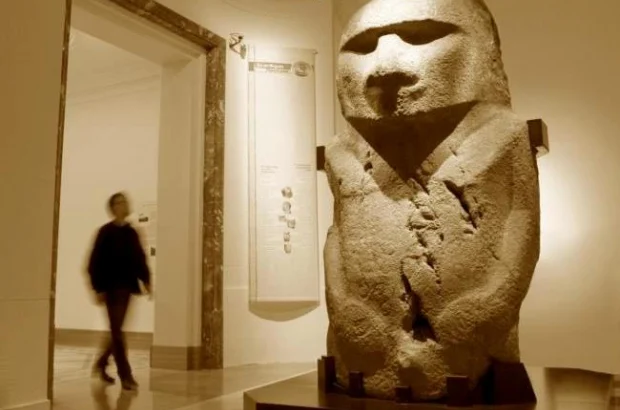
The entire antiquities wing of the Museum of Art and History at Cinquantenaire Park in Brussels has been closed for an extended period, with its reopening uncertain, due to critical safety concerns stemming from its deteriorating ceilings. The indefinite closure, which began in February, impacts the highly regarded Rome, Greece, and Egypt galleries, as well as the Near East and Islamic art collections, leaving these invaluable cultural treasures inaccessible to the public for the foreseeable future. The situation has prompted a significant operational overhaul for the museum, affecting staff, academic institutions, and the broader art-loving public.
A Sudden Collapse Triggers Urgent Investigations
The crisis was precipitated by a dramatic incident last summer when the ceiling of the Petra Room, a small meeting space on the ground floor of the antiquities wing, unexpectedly collapsed. Fortunately, no one was present at the time, averting a potential tragedy. This alarming event served as a stark warning, prompting the museum to immediately engage the Buildings Agency.
Following the collapse, a comprehensive inspection was commissioned. The Buildings Agency enlisted the expertise of a specialist firm to meticulously assess the structural integrity of the numerous false ceilings throughout the wing. Initial findings from this investigation raised further concerns about the potential presence of asbestos fibres within the insulating glass wool used in the construction of these ceilings. This possibility necessitated an additional, thorough investigation by the firm to ascertain the extent of any asbestos contamination.
During the initial stages of these investigations, before the full scope of the problem was understood, museum staff were relocated to alternative workspaces within the building. Visitors and personnel who needed to be in the vicinity of the antiquities wing were required to wear FFP2 face masks as a precautionary measure against potential fibre exposure. This measure, while prudent, highlighted the gravity of the emerging safety issues.
No Asbestos Found, But Structural Instability Confirmed
In a significant development, subsequent tests definitively revealed that no asbestos fibres were present in the ceiling insulation. This finding, while alleviating immediate health concerns related to asbestos, did not resolve the underlying structural problem. The investigation confirmed that several false ceilings across the wing were indeed unstable and posed a significant risk.
"An FFP2 face mask is therefore no longer required for anyone entering the building," confirmed Bart Suys, a spokesperson for the museum. "But a hard hat is still necessary," he added, underscoring the continued and immediate safety risks posed by the compromised ceilings.
The museum’s management, in light of these findings, has made the decision to proceed with the complete removal of all unstable false ceilings throughout the antiquities wing. This extensive undertaking is deemed essential to ensure the long-term safety and preservation of the collections and the building itself.
Phased Renovation Plan and Uncertain Timeline
The process of appointing a specialized contractor to undertake the complex renovation work is currently underway. The goal is for the physical construction to commence imminently, with the aim of starting work this month. However, the sheer scale of the project means that the reopening of the antiquities wing will not be immediate.
Museum spokesperson Bart Suys outlined a meticulously planned, three-phase approach to the renovations, working methodically from the bottom of the building upwards. The first phase will focus on the Near East galleries and the area surrounding the impressive Apamea mosaic, located on the ground and first floors. Subsequently, the Greece, Rome, and Egypt galleries, situated on the upper floors, will undergo renovation. The final phase will address the Egypt storage area on the fifth floor. Crucially, all office spaces within the wing will also be renovated during this period. Each phase necessitates the careful clearing of the galleries to protect the exhibited works.
"It’s a massive undertaking," Suys emphasized, acknowledging the significant logistical challenges involved.
The exact duration of the antiquities wing’s closure remains uncertain. While the museum’s official website currently indicates an reopening "at least until the end of June," reports from educational institutions whose planned visits have been cancelled suggest a much longer timeframe, with some being informed that the closure could extend up to a year. This disparity in information highlights the ongoing fluidity and complexity of the situation.
"Work on the first phase is due to start this month. In the meantime, we have already begun moving the exhibited works downstairs," Suys stated, providing a concrete update on immediate actions. However, he cautioned that the scheduling of the subsequent two phases and the renovation of office spaces are still subject to discussion with the yet-to-be-appointed contractor. "There are still many uncertainties and questions," he admitted.
The Buildings Agency, responsible for overseeing the renovation project, has also been unable to provide a definitive completion date. However, they have assured that their "aim is to carry out the works as quickly as possible," reflecting a commitment to minimizing the disruption.
Broader Museum Operations and Impact
While the antiquities section remains inaccessible, visitors can still explore other significant departments within the Museum of Art and History. These include the prehistory, Art Nouveau and Art Deco, America, and Asia galleries, ensuring that the museum continues to offer a diverse range of cultural experiences.
However, the closures extend beyond the antiquities wing. The museum’s three libraries are also indefinitely closed, according to the museum’s website. The antiquities library and the volunteer-run China library are located within the now-closed antiquities wing, making their closure a direct consequence of the renovation project. The central library, situated elsewhere in the building, is reportedly closed due to staff shortages, compounding the impact on access to the museum’s resources.
Historical Context of the Antiquities Wing
The antiquities wing is often referred to by the museum as the "new" wing, a designation that carries a poignant historical weight. The original antiquities pavilion at the Cinquantenaire Park dates back to the late 19th century. Tragically, this historic structure was completely destroyed by a devastating fire in 1946, necessitating the construction of a replacement. The current wing, therefore, stands as a testament to resilience and reconstruction, now facing its own significant structural challenges.
Supporting Data and Analysis
The closure of such a significant portion of a major cultural institution like the Museum of Art and History at Cinquantenaire Park has several implications.
Economic Impact: While direct visitor numbers to the antiquities wing are not publicly detailed, its closure undoubtedly impacts the museum’s overall visitor economy. Reduced footfall can affect revenue from ticket sales, concessions, and gift shop purchases. Furthermore, the extended closure of the libraries impacts researchers, students, and academics who rely on these specialized collections for their work, potentially hindering scholarly pursuits and contributing to a less vibrant academic environment in Brussels.
Cultural Preservation: The physical removal and storage of priceless artifacts from the Rome, Greece, Egypt, Near East, and Islamic art galleries represent a significant logistical and financial undertaking. Ensuring the optimal conditions for the safekeeping of these objects during the renovation period is paramount. The potential for damage or deterioration, however minimal, remains a constant concern for curators and conservators. The delay in public access also means a loss of educational opportunities for a generation of students and enthusiasts.
Reputational Impact: While the museum is acting responsibly by prioritizing safety, prolonged closures can affect its reputation as a reliable destination for cultural tourism and academic research. Effective communication and transparent updates regarding the renovation progress will be crucial in managing public perception and maintaining stakeholder confidence.
Infrastructure Investment: The necessity of these extensive ceiling renovations highlights a broader issue concerning the upkeep of aging public infrastructure. The Buildings Agency’s involvement signifies a recognition of systemic issues within historical buildings, requiring substantial investment in structural integrity and modernization. The cost of such renovations, while essential for preservation, can place significant financial strain on public budgets. The decision to remove all false ceilings across the entire wing, rather than just addressing specific areas, suggests a proactive approach to prevent future incidents, but also indicates a substantial capital expenditure.
The Museum of Art and History at Cinquantenaire Park, a cornerstone of Brussels’ cultural landscape, is currently navigating a challenging period of extensive renovation. The indefinite closure of its renowned antiquities wing, driven by urgent safety concerns related to its ceilings, underscores the critical importance of maintaining and investing in the structural integrity of historical and cultural institutions. As the phased renovation commences, the museum community and the public alike await the day when these treasures of human history can once again be shared and appreciated in a safe and secure environment.