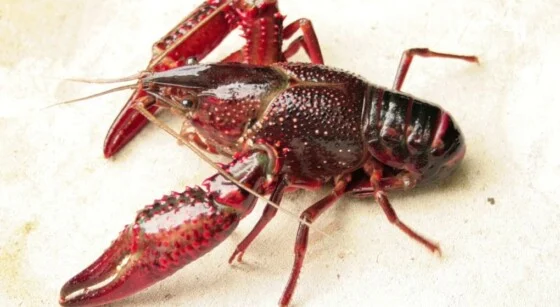
Red American crayfish have been identified in the Ten Reuken pond in Auderghem, posing a significant threat to the local ecosystem. This invasive species, likely introduced by private individuals, is systematically displacing native species, leading to a decline in biodiversity. Brussels Environment has implemented a trapping and euthanasia program to manage the population, and currently, the issue appears confined to this single location within Brussels. Citizens are encouraged to report any sightings on observation.org.
The Growing Threat of Invasive Species in European Waterways
The discovery of red American crayfish (often referring to the Louisiana red swamp crayfish, Procambarus clarkii) in the Ten Reuken pond in Auderghem, a commune within the Brussels-Capital Region, marks a significant ecological concern for Belgium and potentially the wider European continent. This vibrant, yet problematic, crustacean is notorious for its adaptability and aggressive nature, qualities that make it a formidable invasive species. Its presence in a seemingly tranquil urban pond like Ten Reuken underscores a broader, persistent challenge: the impact of human-introduced species on delicate natural balances.
Red American crayfish are not native to Europe. They originate from the southeastern United States and northeastern Mexico, regions with warmer climates and specific hydrological conditions. Their introduction to Europe, primarily through the aquarium trade and aquaculture, began in the mid-20th century. Once established outside their native range, these crayfish have demonstrated a remarkable ability to survive and reproduce in a wide array of freshwater environments, from slow-moving rivers and lakes to canals and ponds. Their resilience is partly due to their omnivorous diet, which allows them to consume almost anything, including aquatic plants, insects, fish eggs, and even other crayfish. This voracious appetite, coupled with their rapid reproduction rate, allows them to quickly outcompete native species for food and habitat.
A Timeline of Concern and Action
While the precise date of the initial introduction of red American crayfish into the Ten Reuken pond remains unconfirmed, the official acknowledgment and intervention by Brussels Environment suggest a recent escalation or confirmation of their presence. Typically, the detection of invasive species requires a period of observation and identification, often initiated by reports from the public or environmental monitoring programs.
Initial Sightings and Confirmation: It is plausible that isolated sightings of these distinctive red crayfish occurred prior to the official intervention. However, it is the confirmation of a breeding population that triggers formal action. This likely involved ecological surveys or targeted investigations by Brussels Environment, potentially prompted by anecdotal reports of unusual aquatic life or declining native populations.
Brussels Environment Intervention: Upon confirming the presence of a significant population of red American crayfish, Brussels Environment, the regional public body responsible for the management of nature and biodiversity in Brussels, initiated a response. This response, as stated, involves the deployment of traps. These traps are designed to capture the crayfish, which are then humanely euthanized. This measure is a standard protocol for managing invasive species that pose a direct threat to native fauna and flora. The urgency of such interventions is often dictated by the species’ reproductive cycle and its rate of spread.
Current Status: As of the reporting, the problem is described as being "circumscribed to this single Brussels site." This implies that current monitoring efforts have not detected widespread populations of red American crayfish in other aquatic bodies within the Brussels-Capital Region. However, the dynamic nature of invasive species means this circumscription is a snapshot in time and requires continuous vigilance. The potential for spread, either through natural means (water currents) or human activities (accidental or intentional relocation), remains a critical concern.
The Ecological and Economic Ramifications
The implications of red American crayfish establishing themselves in European freshwater systems are multifaceted and often severe.
Ecological Impacts:
- Biodiversity Loss: The most immediate and significant impact is the direct threat to native species. Red American crayfish are known to prey on native invertebrates, fish eggs, and young fish. They also compete aggressively for food resources, leaving native species with insufficient sustenance. Furthermore, they can outcompete native crayfish species, leading to their decline or local extinction. For instance, in many parts of Europe, native crayfish populations have already been decimated by diseases like the crayfish plague, and the introduction of a robust invasive competitor like P. clarkii exacerbates this vulnerability.
- Habitat Degradation: Red American crayfish are prolific burrowers. They dig extensive burrow systems, particularly in soft substrates along riverbanks and pond edges. These burrows can destabilize banks, leading to erosion, increased turbidity in the water (which harms aquatic plants and fish), and the destruction of habitats for other aquatic organisms.
- Disease Transmission: Invasive crayfish can act as vectors for diseases and parasites that native species have no immunity against. The crayfish plague (Aphanomyces astaci), a devastating fungal disease that has impacted European crayfish, is a prime example. While P. clarkii is often resistant to this plague, it can carry the pathogen and transmit it to susceptible native populations.
Economic Impacts:
- Fisheries: The decline of native fish populations due to competition and predation by invasive crayfish can have significant economic consequences for commercial and recreational fisheries.
- Infrastructure Damage: The burrowing activities of crayfish can damage water infrastructure, including irrigation systems, dams, and flood defenses, leading to costly repairs and maintenance.
- Control Costs: Managing and eradicating invasive species is an expensive undertaking, involving monitoring, trapping, and potentially extensive habitat restoration efforts.
Official Responses and Public Engagement
Brussels Environment’s proactive stance in deploying traps and euthanizing specimens is a critical step in containing the spread of the red American crayfish. This approach, while necessary for immediate control, highlights the challenges of managing established invasive populations.
Expert Opinion (Inferred): Officials at Brussels Environment likely view this situation with considerable concern. A spokesperson for Brussels Environment, if contacted, would likely emphasize the ecological damage caused by invasive species and the importance of public cooperation. They would reiterate that the introduction of non-native species, whether intentional or accidental, has far-reaching and often irreversible consequences for local biodiversity. They might also point out the difficulty and expense associated with complete eradication once a population is well-established.
The Role of Citizen Science: The call for citizens to report sightings on observation.org is a crucial element of any effective invasive species management strategy. Citizen science initiatives leverage the eyes and ears of the public to extend the reach of environmental monitoring. Early detection of new introductions or the spread of existing populations is vital for timely and effective intervention. The platform observation.org serves as a central hub for collecting such data, allowing authorities to map the extent of the problem and allocate resources efficiently.
Broader Context: A European-Wide Challenge
The presence of red American crayfish in Brussels is not an isolated incident but rather a symptom of a larger, ongoing ecological crisis affecting freshwater ecosystems across Europe. Several other invasive crayfish species, including the signal crayfish (Pacifastacus leniusculus), have also been introduced and have caused similar ecological disruptions in various European countries.
The European Union has recognized invasive alien species as one of the major drivers of biodiversity loss. Regulations such as the EU Regulation on the prevention and management of the introduction and spread of invasive alien species of Union concern aim to address this threat. This regulation provides a framework for identifying, monitoring, and controlling invasive species, including those that pose a significant risk to native ecosystems, economies, and human health.
The Ten Reuken pond incident serves as a stark reminder of the interconnectedness of our environment and the responsibility that individuals and authorities share in protecting it. The sustained effort required to manage invasive species necessitates ongoing research, robust monitoring, and a committed public awareness campaign. The ultimate goal is not just to control populations in specific locations like Auderghem but to prevent further introductions and to foster a greater understanding of the delicate balance of our natural world. The success of Brussels Environment’s efforts will depend not only on their technical interventions but also on the continued vigilance and cooperation of the public.