2026 Toyota Yaris Cross Facelift Strengthens Market Position with Enhanced Hybrid Powertrains and Refined Aesthetics

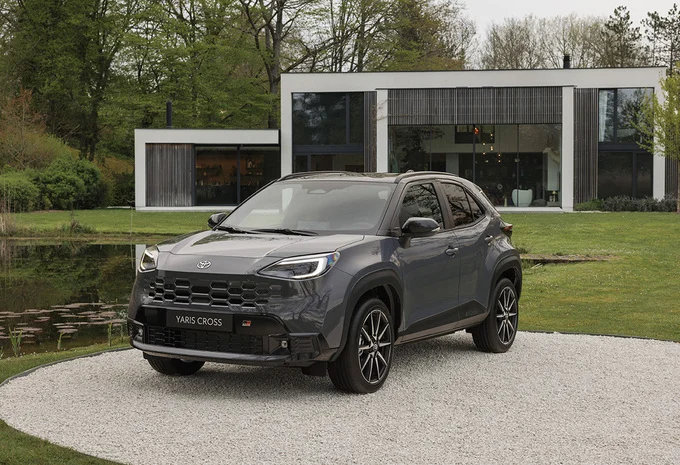
Since its initial global launch in 2021, the Toyota Yaris Cross has rapidly evolved from a newcomer in the crowded B-SUV segment to a dominant force in the European automotive landscape. The model’s success reached a significant milestone in 2025, with sales figures exceeding 200,000 units across Europe, effectively crowning it as Toyota’s best-selling vehicle on the continent. This commercial momentum has been particularly evident in markets like Belgium, where the Yaris Cross has ascended to the top spot within the Toyota portfolio. To maintain this competitive edge against a growing field of rivals, Toyota has unveiled a comprehensive facelift for the 2026 model year, focusing on powertrain efficiency, interior sophistication, and a more cohesive exterior identity.
The 2026 update represents a strategic refinement of the "Big-Small" concept that defined the original Yaris Cross. Built on the TNGA-B (Toyota New Global Architecture) platform, the vehicle continues to offer the high seating position and rugged appeal of a traditional SUV while maintaining the compact dimensions necessary for urban maneuverability. The latest revisions are designed to address consumer demand for higher material quality and more diverse performance options, ensuring the model remains relevant as the industry pivots toward increasingly sophisticated hybrid solutions.
Exterior Design: A Masterclass in Controlled Evolution
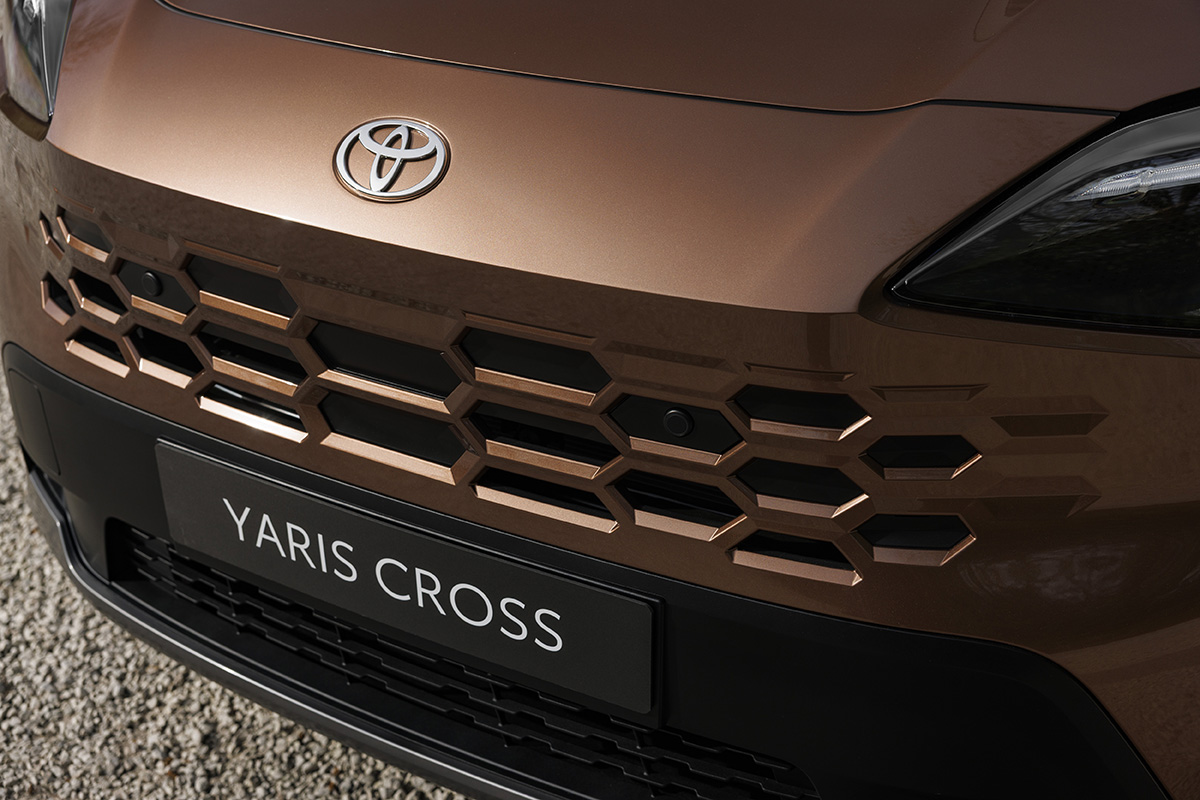
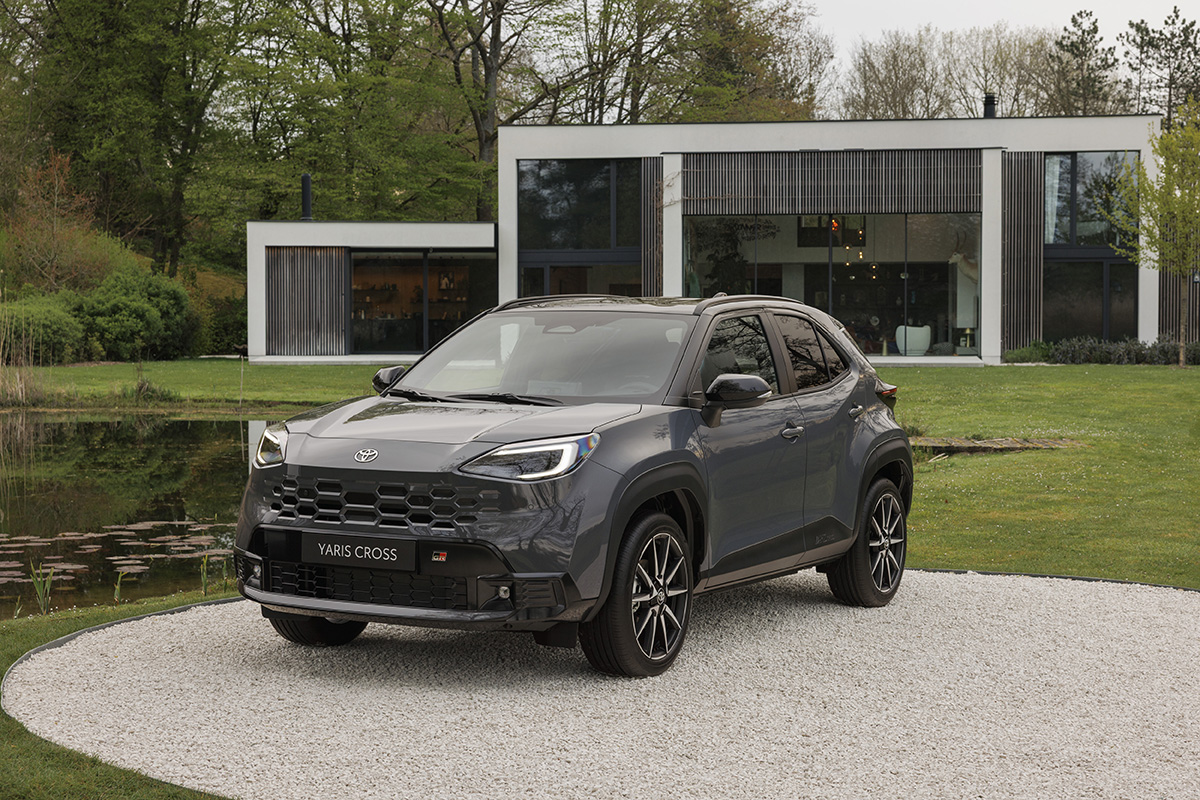
The exterior modifications for the 2026 Toyota Yaris Cross are characterized by a philosophy of "restrained modernization." Rather than a radical departure from the successful original design, Toyota designers have focused on sharpening the vehicle’s visual presence. The most prominent change is found at the front fascia, where the grille has been reimagined with a sophisticated honeycomb motif. In a move toward a more integrated aesthetic, the grille is now color-matched to the bodywork, creating a seamless and more premium appearance compared to the previous contrast-heavy design.
Complementing the revised grille are redesigned LED headlamp clusters. These units now feature integrated daytime running lights (DRLs) that provide a more modern light signature while improving visibility. Despite these refinements, the Yaris Cross retains the core SUV DNA that contributed to its initial popularity. The pronounced wheel arches and the black protective cladding along the lower body remain, emphasizing the vehicle’s "go-anywhere" character.
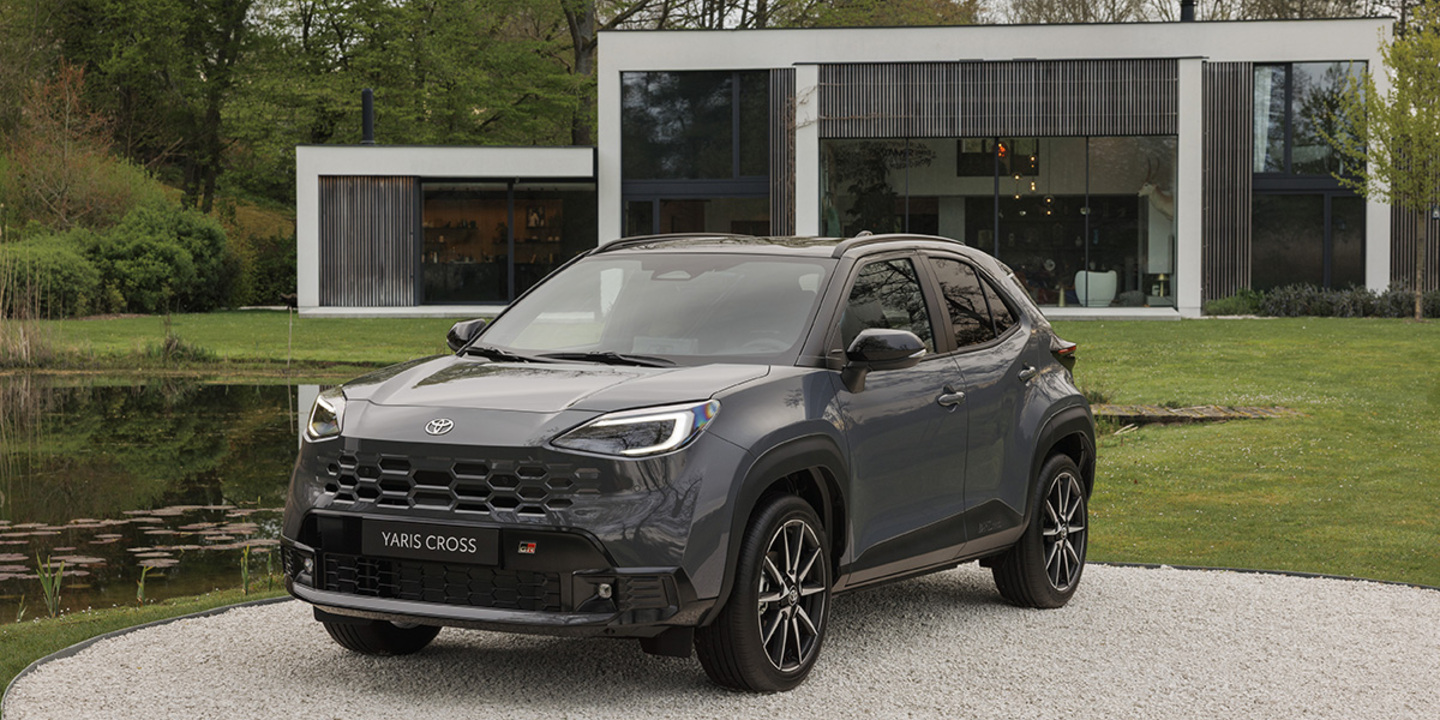
To further distinguish the 2026 model, Toyota has introduced new alloy wheel designs in 17-inch and 18-inch sizes, depending on the chosen trim level. The color palette has also been expanded to include "Precious Bronze," a high-end finish that can be specified in a bi-tone configuration with a contrasting black roof. A new "Storm Grey" option also joins the lineup, providing a contemporary, industrial aesthetic that highlights the vehicle’s muscular creases and character lines.
Interior Refinements and Sustainable Innovation
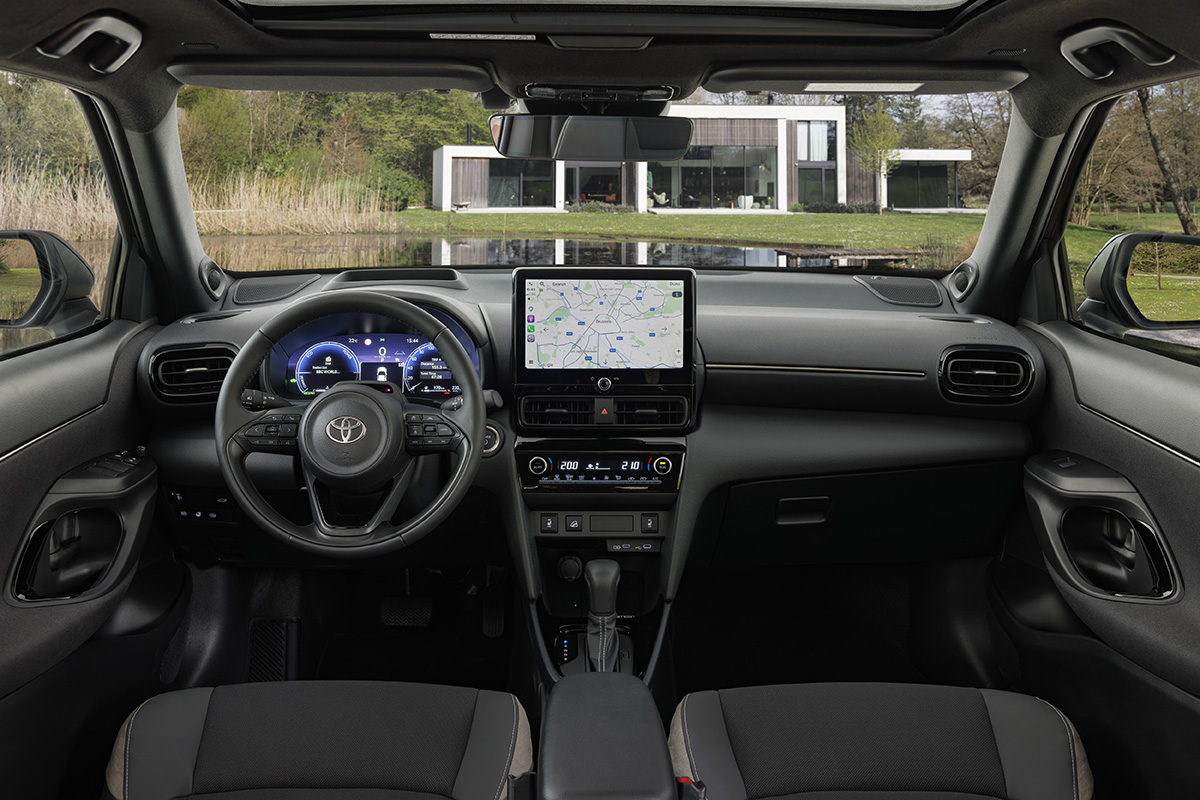
Inside the cabin, the 2026 Yaris Cross receives updates aimed at elevating the tactile experience and improving long-distance comfort. Toyota has responded to market feedback by introducing higher-quality materials throughout the interior. A new platinum-colored finish has been applied to the door panels and dashboard accents, replacing some of the harder plastics found in earlier models and contributing to a more upscale atmosphere.
Ergonomics have also been a focus of the update. On the Executive trim levels, the front seats have been reshaped to offer enhanced lateral support, which is particularly beneficial during cornering or on unpaved surfaces. For the Style trim, Toyota has introduced a pioneering material known as SakuraTouch®. This partially synthetic upholstery is crafted from recycled and bio-based materials, reflecting Toyota’s broader commitment to environmental sustainability and reducing the carbon footprint of its manufacturing processes.
Technological integration has been bolstered across the range. Depending on the specification, the 2026 Yaris Cross now features customizable ambient lighting, a dedicated wireless charging pad for smartphones, and a hands-free electric tailgate—features that were previously reserved for higher-segment vehicles. These additions are designed to meet the expectations of "downsizing" customers who are moving from larger SUVs but do not wish to sacrifice premium amenities.
The GR Sport Variant: Bridging Efficiency and Dynamics
For drivers seeking a more engaging experience, the GR Sport remains a vital part of the Yaris Cross lineup. This variant is not merely a styling package; it incorporates mechanical adjustments inspired by Toyota Gazoo Racing. The 2026 GR Sport is distinguished by a unique front bumper, exclusive 18-inch alloy wheels, and discrete GR badging.
Inside the GR Sport, the sporty theme continues with bespoke seats featuring red contrast stitching and specialized trim accents. However, the most significant updates are found beneath the skin. Toyota engineers have recalibrated the suspension system and the electronic power steering to provide a more direct and communicative driving feel. By reducing body roll and sharpening turn-in response, the GR Sport offers a more "vivid" driving experience without compromising the fuel efficiency inherent in the hybrid system. Notably, this variant is offered exclusively with the more powerful Hybrid 130 powertrain to align its performance with its aggressive styling.
Advanced Hybrid Powertrain Strategy
The 2026 Yaris Cross continues to champion Toyota’s fifth-generation self-charging hybrid technology, offering two distinct power outputs to suit different driving needs. Both systems utilize a 1.5-liter three-cylinder Atkinson-cycle engine paired with an electric motor-generator and a lithium-ion battery.
The flagship Hybrid 130 system has been optimized to deliver 130 hp (96 kW) and a peak torque of 185 Nm. This powertrain enables the Yaris Cross to accelerate from 0 to 100 km/u in 10.7 seconds. Despite the increase in performance, efficiency remains a priority; the Hybrid 130 records a combined fuel consumption of 4.5 to 5.2 liters per 100 km, with CO₂ emissions ranging between 101 and 116 g/km (WLTP cycle).
For those prioritizing maximum efficiency and lower entry costs, the Hybrid 115 remains in the catalog for specific trim levels. This unit produces 116 hp (85 kW) and 141 Nm of torque. Its fuel consumption figures are marginally lower, ranging from 4.5 to 5.1 liters per 100 km, with CO₂ emissions strictly controlled between 101 and 115 g/km. Both powertrains benefit from an enhanced transaxle that reduces internal friction and improves energy recovery during deceleration.
Chronology of the Yaris Cross Development
The journey of the Yaris Cross is a testament to Toyota’s ability to adapt its core models to changing consumer tastes.
- 2020: The Yaris Cross was officially revealed as a more versatile sibling to the Yaris Hatchback, designed specifically with European urban environments in mind.
- 2021: Production commenced at the Toyota Motor Manufacturing France (TMMF) plant in Valenciennes. The model immediately gained traction due to its standard hybrid powertrain.
- 2023: Toyota introduced minor technological updates, including a more modern infotainment system and expanded safety features under the Toyota Safety Sense umbrella.
- 2024: The model achieved record-breaking sales, becoming the best-selling SUV in several European markets and overtaking the traditional Yaris Hatchback in volume for certain regions.
- 2025/2026: The current facelift is launched, introducing the Hybrid 130 powertrain and the "SakuraTouch" interior materials to solidify its market-leading position.
Safety and Technological Integration
Safety remains a cornerstone of the Yaris Cross value proposition. The 2026 model is equipped with the latest iteration of Toyota Safety Sense (TSS). This suite of active safety technologies includes an improved Pre-Collision System (PCS) that can now detect motorcyclists and pedestrians in a wider range of lighting conditions.
The update also brings "Proactive Driving Assist," which helps the driver maintain a safe distance from other vehicles and assists with steering and braking in certain scenarios. Over-the-air (OTA) software updates are now standard, ensuring that the vehicle’s safety systems and multimedia features can be improved throughout the car’s lifecycle without requiring a visit to the dealership.
Market Analysis and Economic Implications
The 2026 facelift arrives at a critical juncture for the European automotive market. As manufacturers face stricter Euro 7 emission standards and increasing pressure to electrify, Toyota’s "multi-pathway" strategy—focusing on hybrids alongside battery-electric vehicles (BEVs)—has proven highly effective.
Industry analysts suggest that the Yaris Cross’s success is largely due to its ability to offer low CO₂ emissions and high fuel economy without the "range anxiety" or infrastructure hurdles associated with full EVs. By refreshing the model now, Toyota is positioning itself to capture customers who are hesitant to commit to pure electric vehicles but want the tax benefits and efficiency of a hybrid. Furthermore, the localized production in France provides Toyota with a logistical advantage, allowing for faster delivery times and a smaller supply-chain carbon footprint compared to vehicles imported from Asia.
The introduction of more premium materials and the Hybrid 130 variant also signals a move to protect profit margins. By offering higher-spec versions like the GR Sport and Executive, Toyota is successfully attracting buyers from more expensive segments who are looking to downsize without compromising on quality or performance.
Conclusion
With the 2026 facelift, the Toyota Yaris Cross does not reinvent the wheel; instead, it perfects a formula that has already proven to be a resounding success. By focusing on the details—refined aesthetics, sustainable interior materials, and a more potent hybrid option—Toyota has ensured that its B-SUV remains the benchmark in a highly competitive category. The Yaris Cross continues to strike a difficult balance between practicality, efficiency, and emotional appeal, securing its future as a cornerstone of Toyota’s European lineup for years to come.
Related posts: