Portugal Win Second Nations League Title After Shootout Success Over Spain
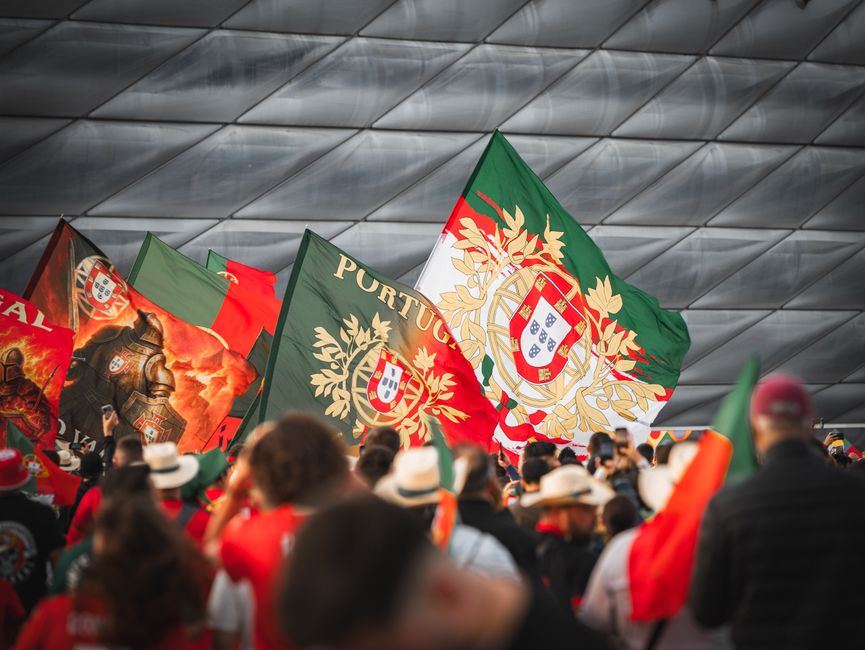
Portugal Clinch Second Nations League Title in Dramatic Shootout Victory Over Spain
In a pulsating final that etched itself into the annals of international football, Portugal emerged victorious, claiming their second UEFA Nations League title after a nail-biting penalty shootout against fierce rivals Spain. The Estádio da Luz, a fortress of Portuguese football, vibrated with an electric atmosphere as both nations battled through 120 minutes of intense, tactical warfare, ultimately unable to separate themselves. The decisive moments arrived from the penalty spot, where Portugal’s composure and clinical finishing proved superior, extinguishing Spain’s hopes of a maiden Nations League triumph and igniting jubilant celebrations across Portugal. This victory solidifies Portugal’s status as a modern European powerhouse, adding another significant trophy to their impressive cabinet and underscoring their pedigree in major tournaments.
The journey to this grand finale was a testament to the resilience and strategic brilliance of both Portugal and Spain. Portugal, under the astute guidance of their manager, navigated a challenging group stage, showcasing a blend of defensive solidity and potent attacking flair. Their semi-final encounter, a hard-fought victory against a formidable Italy, set the stage for this high-stakes showdown. Spain, similarly, had demonstrated their credentials with a commanding performance in their own path to the final, dispelling any doubts about their resurgence as a major international force. The pre-match narratives were rich with anticipation, pitting two of Europe’s footballing giants against each other in a contest that promised tactical masterclasses and individual brilliance. The stakes were immense: not just silverware, but continental bragging rights and invaluable momentum heading into future competitions.
The opening exchanges of the match were characterized by a cagey, tactical battle, a true chess match played out on the hallowed turf. Both teams, aware of the magnitude of the occasion and the strengths of their opponent, approached the game with caution. Spain, true to their philosophy, sought to control possession, patiently probing for openings with their intricate passing patterns. Rodri and Gavi, the midfield linchpins for La Roja, attempted to dictate the tempo, while Pedri’s elusive movement offered a constant threat in the final third. Portugal, conversely, adopted a more pragmatic approach, absorbing Spanish pressure and looking to exploit the counter-attacking opportunities that would inevitably arise. Bernardo Silva and Bruno Fernandes, the creative engines of the Portuguese side, were tasked with unlocking the Spanish defense when the chance presented itself. The early stages saw few clear-cut chances, with both defenses marshaling their lines effectively, denying any easy inroads. Tackles were firm, positioning was disciplined, and the tension was palpable, a reflection of the immense defensive capabilities on display.
As the first half wore on, Spain began to assert a degree of dominance in midfield, their superior ball retention forcing Portugal to defend deeper. Álvaro Morata, the experienced striker, provided a focal point for their attack, constantly making intelligent runs and stretching the Portuguese backline. Ferran Torres and Nico Williams, on the wings, looked to utilize their pace and dribbling ability to create overloads. However, Portugal’s defensive structure, marshaled by the experienced Pepe and the emerging talent of Rúben Dias, remained largely resolute. The Portuguese goalkeeper, Diogo Costa, proved an imposing presence, commanding his area and instilling confidence in his defenders. Despite their territorial advantage, Spain struggled to translate their possession into concrete goal-scoring opportunities, with Portugal’s disciplined shape making them difficult to break down. The first half concluded goalless, a testament to the tactical discipline and defensive strength of both sides, leaving the outcome hanging precariously in the balance.
The second half witnessed an increase in tempo and urgency from both teams. Portugal, perhaps sensing the need to inject more attacking impetus, started to press higher up the pitch. The introduction of Gonçalo Ramos, a dynamic young forward, brought a new dimension to Portugal’s attack, his physicality and directness posing different questions for the Spanish defense. Spain, in response, continued their patient build-up, but also began to embrace a more direct approach when the opportunity arose. The midfield battle intensified, with both teams committing players forward in search of a breakthrough. The emergence of tactical shifts became evident, as managers looked to exploit perceived weaknesses and gain a crucial advantage. Substitutions were strategically deployed, aimed at either rejuvenating tired legs or introducing fresh attacking threats. The flow of the game became more end-to-end, with both sides having moments of promising attack, but the final pass or shot often lacked the precision to find the back of the net. The anxiety in the stands mirrored the tension on the pitch, as the prospect of extra time loomed large.
As the clock ticked towards the final whistle of regulation time, the intensity reached its zenith. Chances, though still scarce, became more gilt-edged. A speculative long-range effort from a Spanish midfielder narrowly whistled past the post, drawing a collective gasp from the Spanish supporters. Portugal responded with a swift counter-attack, culminating in a stinging shot from Bruno Fernandes that forced a spectacular diving save from the Spanish goalkeeper. The referee’s whistle for full-time signaled that the Nations League final would be decided in extra time, a scenario that added another layer of drama to an already captivating contest. The physical and mental demands on the players were immense, but the dream of lifting the trophy spurred them on.
The grueling 30 minutes of extra time offered little respite, with both teams exhibiting signs of fatigue. The tactical battles continued, but the energy levels were visibly depleted. The pace of the game naturally slowed, with more emphasis placed on maintaining defensive shape and avoiding costly errors. Spain, perhaps sensing a slight dip in Portuguese intensity, pushed forward, seeking to capitalize on any lapse in concentration. Their attacking forays were met with determined defending, with Portuguese players throwing their bodies on the line to block shots and make crucial clearances. Portugal, in turn, looked to absorb the pressure and hit on the break, their experienced campaigners using their nous to conserve energy. The sheer will and determination on display were remarkable, as players battled through the pain barrier, their eyes fixed on the ultimate prize. As the second period of extra time drew to a close, it became increasingly clear that the destiny of the Nations League trophy would be decided by the ultimate test of nerve and skill: the penalty shootout. The anticipation was unbearable, the crowd hushed, and the fate of two nations rested on the shoulders of their chosen eleven.
The penalty shootout itself was a microcosm of the entire match: tense, dramatic, and ultimately decided by fine margins. The pressure on the penalty takers was immense, the weight of expectation palpable. Portugal’s penalty takers stepped up with remarkable composure, demonstrating a steely resolve that had clearly been honed in training. Their strikes were powerful and precise, leaving the Spanish goalkeeper with little chance. Spain, while also displaying moments of quality from the spot, faltered at critical junctures. A crucial miss, a save from Diogo Costa, or perhaps a shot that rattled the woodwork, proved to be the turning point. The Portuguese goalkeeper, Diogo Costa, emerged as the hero for his nation, making a string of crucial saves and showcasing an exceptional temperament under immense pressure. His agility and instinct proved instrumental in thwarting Spain’s efforts, ultimately tipping the scales in Portugal’s favor. Each successful Portuguese penalty was met with an explosion of noise from the home crowd, their hopes of glory growing with every conversion. Conversely, each Spanish miss was met with a collective groan, their aspirations dwindling with each passing moment.
The final penalty, clinically dispatched by a jubilant Portuguese player, sealed their second Nations League crown. The eruption of joy from the Portuguese players, staff, and fans was a sight to behold, a release of pent-up emotion after a grueling contest. Tears of joy flowed freely as they celebrated a victory hard-earned and richly deserved. The Spanish players, though crestfallen, displayed sportsmanship in defeat, acknowledging the superior performance of their opponents from the penalty spot. This victory for Portugal is not just about a trophy; it’s a testament to their consistent excellence on the international stage, their ability to perform under pressure, and the enduring legacy of their footballing nation. The win further cements their reputation as a continental powerhouse, capable of challenging for and winning major honors. For Spain, the pain of defeat will be acute, but they can take solace in their strong performance and the knowledge that they possess the talent to compete at the highest level for years to come. The second Nations League title for Portugal, secured in such dramatic fashion, will undoubtedly be celebrated for years to come, a shining example of their enduring footballing spirit and unwavering determination. The impact of this victory extends beyond the immediate euphoria, providing a significant boost for Portuguese football and inspiring a new generation of players to dream big.
