Threats To Press Freedom
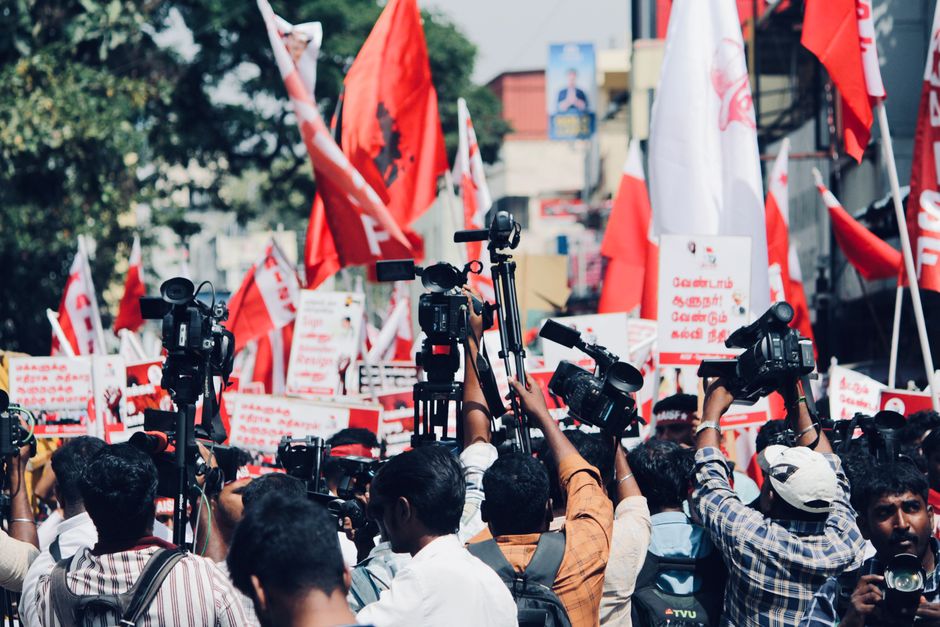
The Erosion of Truth: A Comprehensive Examination of Threats to Press Freedom
Press freedom, the bedrock of informed societies and a critical check on power, is facing an unprecedented and multifaceted assault globally. This erosion is not a singular event but a systemic unraveling driven by a confluence of political, economic, technological, and social forces. Understanding these threats is paramount to safeguarding the essential function of journalism in holding governments and corporations accountable, exposing corruption, and providing citizens with the information necessary for meaningful participation in democracy. The consequences of a diminished press freedom are far-reaching, leading to increased authoritarianism, unchecked abuses of power, and the proliferation of misinformation, ultimately weakening the fabric of societal trust and stability.
One of the most pervasive and direct threats to press freedom emanates from state-sponsored repression and political interference. Authoritarian regimes, and increasingly even ostensibly democratic governments, actively seek to control the narrative and silence dissenting voices. This manifests in a variety of insidious and overt tactics. Journalists are routinely subjected to arbitrary arrests, prolonged detention, and politically motivated prosecutions under vague laws such as those criminalizing defamation, sedition, or the spread of “fake news.” These legal instruments, often weaponized, create a chilling effect, forcing journalists to self-censor for fear of legal repercussions. The physical safety of journalists is also under severe attack. Assassinations, extrajudicial killings, and targeted physical assaults, often carried out with impunity by state security forces or affiliated groups, serve as stark warnings to others. The International Federation of Journalists (IFJ) consistently reports alarming numbers of journalists killed annually, with a significant portion remaining unpunished. Beyond direct violence, governments employ systematic harassment, including smear campaigns in state-controlled media, surveillance, and the disruption of journalistic activities through intrusive investigations and raids on newsrooms. The confiscation of equipment, denial of access to information, and the revocation of press credentials further cripple the ability of journalists to report effectively. In some countries, direct censorship is employed, with authorities blocking websites, shutting down media outlets, and pre-emptively censoring content deemed undesirable. This deliberate stifling of independent reporting creates information vacuums that can be easily filled by propaganda and disinformation, distorting public perception and undermining democratic processes.
The economic precariousness of the media industry presents another significant, albeit often less visible, threat to press freedom. The traditional advertising-based revenue model for news organizations has been decimated by the rise of digital platforms. Large technology companies, such as Google and Facebook, have siphoned off advertising revenue, leaving many news outlets struggling financially. This economic pressure forces news organizations to make difficult choices, often leading to budget cuts, newsroom layoffs, and a reduction in investigative journalism, which is time-consuming and expensive. The pursuit of clicks and engagement in the digital age can incentivize sensationalism over substance, and the need to produce content quickly and cheaply can compromise journalistic quality. Furthermore, this economic vulnerability makes media outlets susceptible to external influence. News organizations facing financial hardship may be more inclined to accept funding from private benefactors, corporations, or even foreign governments, which can compromise their editorial independence. The rise of “state-affiliated” media outlets, often funded by governments and disguised as independent news sources, further blurs the lines and disseminates state propaganda under the guise of objective reporting. The focus on profitability above all else can also lead to a decline in public service journalism, which prioritizes informing the public over generating revenue. This economic vulnerability is a fertile ground for the manipulation of information and the erosion of trust in legitimate news sources.
Disinformation and misinformation campaigns, amplified by social media, represent a corrosive force that directly undermines the work of credible journalists and pollutes the information ecosystem. Malicious actors, including state-sponsored entities, extremist groups, and individuals with ideological or financial motives, deliberately create and disseminate false or misleading content. These campaigns exploit the speed and reach of digital platforms to spread narratives that sow division, erode trust in institutions, and manipulate public opinion. The algorithms of social media platforms, designed to maximize engagement, often inadvertently amplify sensational and emotionally charged content, including disinformation, over factual reporting. This creates an environment where false narratives can gain traction and spread rapidly, often outpacing the ability of journalists to fact-check and debunk them. The sheer volume of misinformation can overwhelm consumers of news, making it difficult to discern truth from falsehood. This phenomenon is particularly dangerous during elections, public health crises, or periods of social unrest, where the manipulation of information can have devastating real-world consequences. The erosion of trust in established media outlets, fueled by these disinformation campaigns, leaves citizens vulnerable to manipulation and less equipped to make informed decisions.
The weaponization of the legal system and SLAPP suits (Strategic Lawsuits Against Public Participation) are increasingly employed to silence journalists and news organizations. While defamation laws are intended to protect individuals from false and damaging statements, they are often weaponized by powerful individuals, corporations, and governments to intimidate and bankrupt journalists who report on their activities. SLAPP suits are designed not to win cases on their merits, but to inflict financial and emotional distress on the defendant through the costly process of litigation. Even if the lawsuit is ultimately dismissed, the legal fees and the sheer stress of defending oneself can be ruinous for journalists and smaller news organizations. This creates a powerful deterrent against investigative reporting and critical commentary, as the risk of facing a protracted and expensive legal battle becomes too great. The chilling effect of SLAPP suits extends beyond the immediate target, warning other journalists to steer clear of controversial topics or powerful subjects. Many jurisdictions lack robust protections against these vexatious lawsuits, allowing them to persist as a tool of censorship and intimidation, effectively silencing inconvenient truths.
Digital surveillance and data exploitation pose a growing threat to the privacy and safety of journalists. Governments and corporations can access vast amounts of personal data through digital devices, online activity, and metadata. This information can be used to identify sources, track the movements of journalists, and expose their confidential communications. The knowledge that one’s activities are being monitored can inhibit investigative journalism, as journalists may fear that their sources will be identified and retaliated against, or that their own work will be used against them. The potential for state actors to access private communications through hacking or legal mandates, such as national security letters, creates a climate of fear and can lead to the abandonment of crucial investigations. Furthermore, the aggregation and analysis of data can be used to profile journalists, identify their vulnerabilities, and target them for harassment or manipulation. This creates a power imbalance where those with access to vast data reserves can exert undue influence and control over the flow of information, potentially compromising the independence and integrity of journalistic work.
The concentration of media ownership is a significant structural threat that can lead to a homogenization of news coverage and a reduction in diverse perspectives. When a few powerful corporations control a large portion of the media landscape, there is a greater risk that editorial decisions will be driven by corporate interests rather than the public’s right to know. This can result in a lack of critical reporting on issues that might affect the parent company’s bottom line or its political connections. Smaller, independent media outlets, which often provide vital alternative viewpoints and cover local issues neglected by larger conglomerates, are often squeezed out of the market or acquired, further reducing media diversity. This consolidation also makes the media more vulnerable to political pressure. If a few key media entities are aligned with a particular political agenda, their influence can disproportionately shape public discourse, limiting the space for dissenting voices and nuanced debate. The absence of a robust and independent press, driven by diverse ownership structures and a commitment to public service, weakens the democratic accountability of both government and corporations.
Finally, the erosion of public trust in the media, often deliberately fostered by political actors and amplified by disinformation, is a critical threat that weakens the very foundation of press freedom. When a significant portion of the population distrusts or dismisses legitimate news sources, they become more susceptible to propaganda and less able to engage in informed civic discourse. This distrust can be manufactured through sustained attacks on journalists’ credibility, labeling them as biased, dishonest, or purveyors of "fake news." This tactic aims to delegitimize independent reporting and create an environment where official narratives, however unsubstantiated, are accepted without question. The decline in trust makes it harder for journalists to access information and sources, as individuals may be hesitant to speak out for fear of being associated with a disfavored media outlet. It also creates a societal divide, where different groups inhabit separate information realities, making constructive dialogue and consensus-building exceedingly difficult. Rebuilding this trust is a complex and long-term endeavor that requires transparency, accountability, and a sustained commitment to ethical journalism, alongside robust efforts to counter disinformation and protect the independent media. The interconnectedness of these threats means that addressing them requires a multi-pronged and sustained global effort, involving governments, civil society, technology companies, and citizens alike, to ensure that the essential role of a free press is preserved for the health of democracies and the pursuit of truth.
