A Disappointing Finale: World Cup 2026 Concludes Amidst Controversy and Underwhelming Spectacle

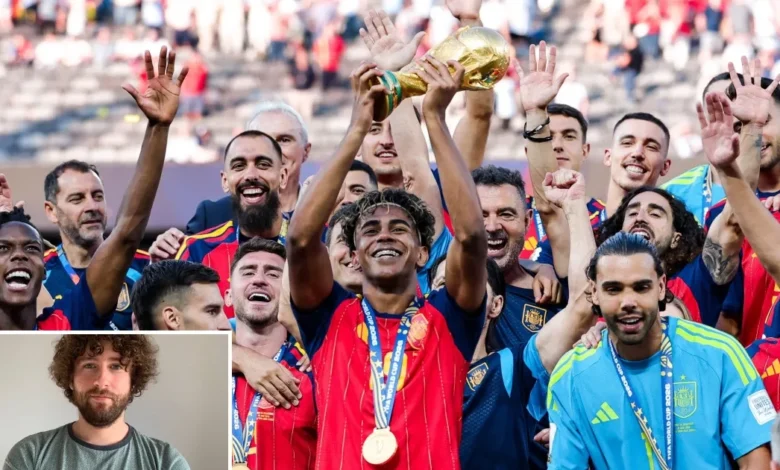
The curtain has fallen on the 2026 FIFA World Cup, a tournament that promised to be a global spectacle but concluded with a final match widely described as a profound disappointment, overshadowed by pre-tournament anxieties and a lackluster on-field performance, save for the jubilant celebrations of the Spanish champions. The closing ceremony and the decisive match at the MetLife Stadium in New York, intended to be the zenith of global football, instead provided a stark contrast to the vibrant energy that had characterized much of the preceding month, leaving many to question the legacy of this particular iteration of the world’s most prestigious sporting event.
Pre-Tournament Concerns: A Shadow Over the Global Game
As the 2026 World Cup approached, a palpable sense of apprehension permeated discussions among fans, pundits, and human rights organizations alike. Concerns were voiced about the tournament’s suitability, citing the geopolitical climate, the potential for political interference from the Trump administration, the stringent immigration policies enforced by ICE (Immigration and Customs Enforcement), and the exorbitant ticket prices that seemed to contradict the ideal of a "people’s World Cup." These anxieties were not unfounded, as previously highlighted in analyses that questioned whether this tournament would be remembered as one of the "worst" in history.
The tournament, extended to a record length of over a month, certainly presented a mixed bag of experiences. While the fears regarding exorbitant pricing were largely validated, with ticket costs reaching unprecedented levels, the stadiums themselves were consistently filled, and a genuine sense of popular celebration did emerge in fan zones and host cities. However, these positive aspects were marred by instances of what many perceived as disrespect towards certain nations, notably Iran and several African teams, whose supporters faced significant challenges in attending matches on American soil, with some effectively being denied the chance to cheer on their teams.
The "Trump Show" That Wasn’t, and the "Infantino Show" That Was
A significant pre-tournament fear was the potential for overt political interference, particularly from the then-incumbent Trump administration. While Donald Trump remained relatively discreet throughout much of the tournament, an unexpected subplot emerged involving Folarin Balogun, whose choice of national allegiance inadvertently positioned Belgium as an unlikely global hero. However, Trump’s direct involvement in the final proceedings was notably absent, a stark contrast to the specter some had anticipated. Instead, the narrative shifted to the omnipresent figure of FIFA President Gianni Infantino. His frequent appearances were met with consistent and vocal disapproval from the crowds, a recurring soundtrack to the tournament’s later stages, offering a cathartic, albeit negative, release for many attendees.
The Sporting Narrative: A Tournament of Ups and Downs
On the sporting front, it is difficult to label the 2026 World Cup an outright failure. The tournament showcased a constellation of global superstars, including Kylian Mbappé, Harry Kane, Lionel Messi, and Erling Haaland, whose individual brilliance illuminated many matches. The group stage, while lengthy, was punctuated by dramatic upsets and compelling narratives. Host nations performed admirably, and unexpected contenders like Cape Verde, Egypt, and Norway captured imaginations. Conversely, traditional powerhouses such as Germany, Brazil, and the Netherlands endured surprising early exits, adding an element of unpredictability. The tournament had, up until the final whistle of the championship match, delivered moments of genuine excitement and celebrated a number of spectacular goals.
The Anticlimactic Finale: A Stumble at the Finish Line
Rarely does the World Cup final fail to be the most memorable match of the tournament. In recent history, fans had been treated to thrilling encounters, such as the six-goal thriller in 2022 and the high-scoring 4-2 affair in 2018. The 2026 final, however, saw Spain and Argentina revert to a pattern of tense, low-scoring affairs that culminated in a truly underwhelming spectacle. This match, intended to be the crowning glory of the tournament, instead felt like a regression to a less engaging era of finals.
Pre-Match Pomp and Circumstance: A Missed Opportunity
Beyond the on-field action, the pre-match proceedings at the MetLife Stadium, a venue often criticized for its aesthetic and functionality for football, raised eyebrows. The tournament was jointly hosted by three nations – the United States, Canada, and Mexico – yet the pre-match ceremony conspicuously focused solely on the United States. The playing of the "Star-Spangled Banner" without acknowledging the national anthems of Canada and Mexico felt like an early indicator of a tournament that, from this point forward, would lean heavily into its American identity. This emphasis was perhaps foreshadowed by the fact that all knockout stage matches from the quarter-finals onwards were scheduled to be held in the United States.
The half-time show, a staple of American sporting events, proved to be another point of contention. While the idea of incorporating such entertainment was not inherently problematic, given its tradition in events like the Super Bowl, the execution fell far short of expectations. Chris Martin of Coldplay, tasked with leading the performance, delivered a show that was widely perceived as disjointed and uninspired.
The performances, including those by Shakira, whose energetic routines were overshadowed by the overall lack of cohesion, and cameo appearances by figures like Ronaldinho and Ronaldo, seemed out of place and lacked the polish typically associated with such high-profile events. The inclusion of the Muppets and a Venezuelan conductor further contributed to a sense of bewildering randomness, leaving many questioning the artistic direction and thematic coherence of the entire segment. Justin Bieber’s performance, while representing Canada, did little to salvage the overall impression of a poorly conceived spectacle.
The Sporting Disappointment: Argentina’s Passive Approach
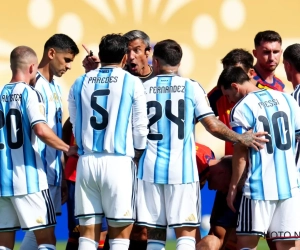
The sporting aspect of the final itself offered little to celebrate. Argentina’s game plan appeared to be centered on waiting for extra time or a moment of individual brilliance from Lionel Messi. This reliance on the "messiah complex" seemed to have permeated the team, with teammates perhaps believing that Messi would, as he had in previous matches, find a way to overcome any deficit. However, against an organized Spanish side that maintained its attacking intent throughout the match, this passive approach proved fatal.
The statistic that emerged late in the game – sixteen shots for Argentina with zero on target – became a source of disbelief and even dark humor. Such a pronounced lack of offensive threat in a World Cup final was virtually unprecedented. While the Belgian national team has been criticized for similar tactical approaches in the past, the narrative here was that the Albiceleste, possessing a wealth of talent, chose not to engage in a meaningful footballing contest. Their attitude was as disappointing as their on-field performance. While the referee resisted being drawn into controversy, the incident involving Leandro Paredes, which many felt warranted a red card during the match, only added to the sense of frustration.
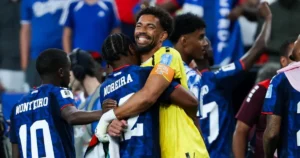
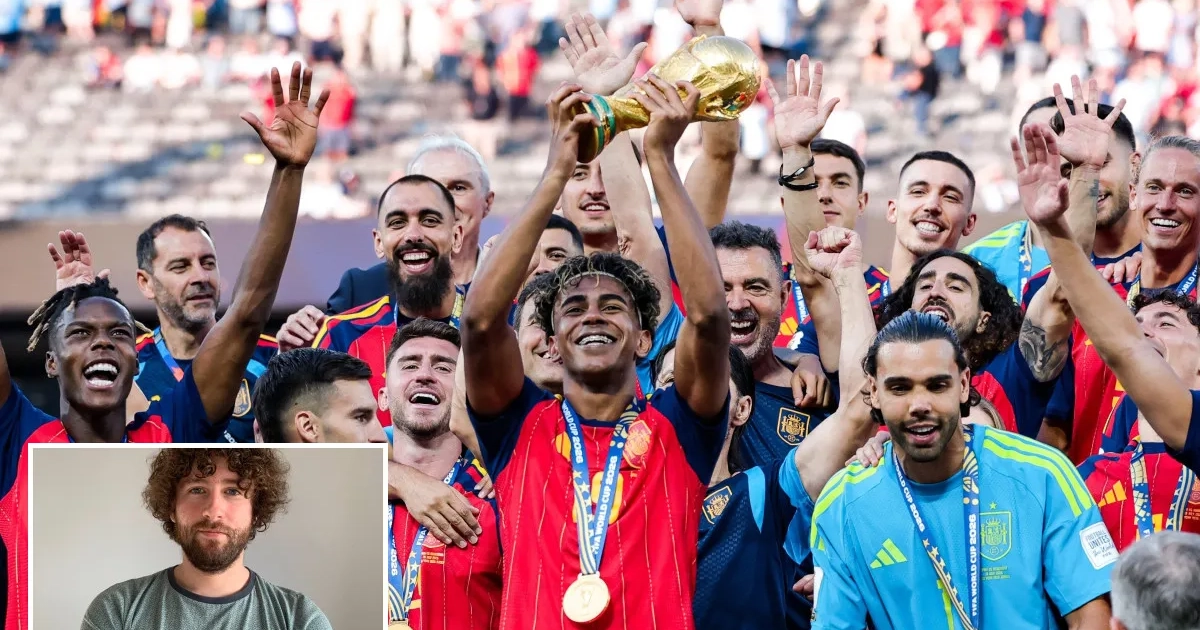
Ultimately, football itself was the victor, with Spain securing the title. While Lionel Messi deserved a more fitting conclusion to his World Cup journey, having been a standout performer throughout the tournament, his final match was an anomaly. The Spanish players, in a subtle but powerful act of defiance against any lingering political posturing, hoisted the trophy without acknowledging Donald Trump, who was present and seemingly seeking the spotlight. Gianni Infantino was also conspicuously ignored. This final act served as a microcosm of the tournament: a celebration of the sport and its connection with the global fanbase, definitively distanced from the self-serving machinations of those in positions of power.