Firefly and Kia EV2 Challenge the Status Quo by Redefining Space and Value in the Electric Compact Segment

The transition to electric mobility was initially heralded as a revolution that would fundamentally redesign the automotive landscape. Industry experts and engineers promised that the inherent advantages of electric drivetrains—specifically their compact nature and the absence of bulky internal combustion engines, multi-speed transmissions, and exhaust systems—would usher in an era of unprecedented design flexibility. The theory was simple: cars could become smaller on the outside while offering interior dimensions that rivaled vehicles from two segments above. However, as the first decade of mass-market EV adoption concludes, the industry has faced a sobering reality regarding consumer psychology and market positioning.
In the premium and executive segments, size remains a significant indicator of status. Buyers who traditionally opt for large luxury sedans or flagship SUVs are rarely inclined to downsize, regardless of how much interior room an electric powertrain might free up. For these consumers, the external footprint of a vehicle is inextricably linked to prestige and presence. Yet, as the market shifts toward the mass-market "B-segment" and entry-level categories, a different logic prevails. In these lower regions of the market, the financial bottom line often dictates purchasing decisions. For the average urban commuter or small family, the prospect of purchasing a compact electric vehicle that offers the utility of a much larger car for the price of a traditional internal combustion engine (ICE) hatchback is a compelling proposition.
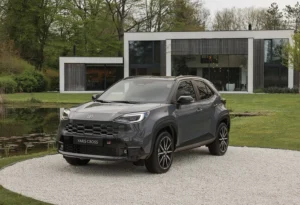
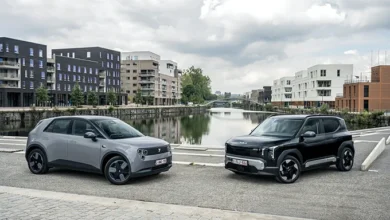
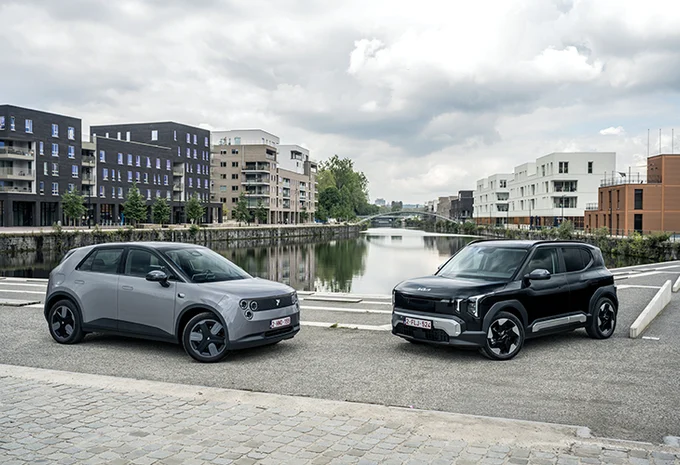
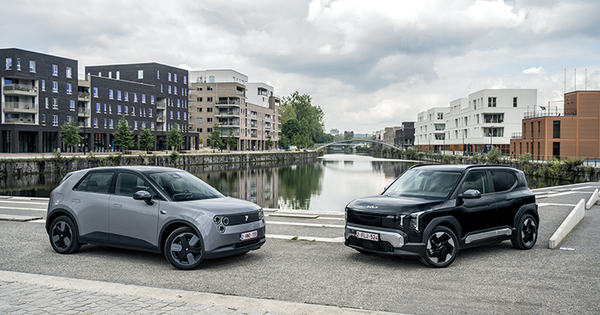
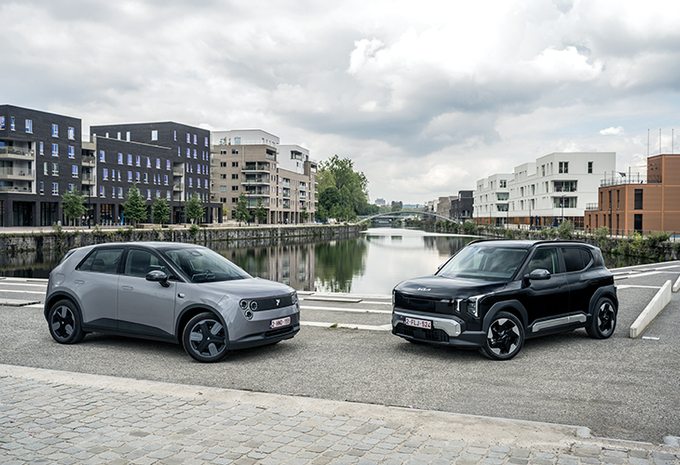
This shift in market dynamics sets the stage for a critical confrontation between two highly anticipated models: the Nio-backed "Firefly" project and the Kia EV2. Both vehicles aim to bridge the gap between external agility and internal cavernousness, promising the exterior dimensions of a Renault 5 with the interior volume of a Renault Megane.
The Strategic Importance of the B-Segment Electric Vehicle
The automotive industry is currently navigating a "second wave" of electrification. While the first wave focused on high-priced early adopters and performance-oriented flagship models, the second wave must address the needs of the middle class to ensure long-term viability. This requires the democratization of electric technology, bringing prices down to the €25,000 to €30,000 range.
The Firefly and the Kia EV2 are central to this strategy. They represent a move away from "compliance cars"—small EVs built on repurposed ICE platforms—toward dedicated electric architectures. By utilizing "skateboard" platforms where the battery is integrated into the floor and the wheels are pushed to the extreme corners, manufacturers can maximize the wheelbase. A longer wheelbase relative to the total length of the car is the "secret sauce" that allows a vehicle like the EV2 or the Firefly to provide legroom typically reserved for much larger vehicles.
Nio’s Firefly Project: A Chinese Challenger in the Heart of Europe
Nio, the Chinese electric vehicle manufacturer known for its premium positioning and innovative battery-swapping technology, is expanding its reach with the "Firefly" sub-brand. This project is specifically designed to conquer the European market, where small, efficient hatchbacks have historically dominated.
The Firefly brand is expected to launch formally in Europe in 2025. Unlike Nio’s primary brand, which competes with BMW and Mercedes-Benz, Firefly targets the budget-conscious consumer. However, Nio intends to maintain its unique selling proposition: battery swapping. By integrating Firefly models into its Power Swap Station (PSS) network, Nio hopes to eliminate range anxiety and long charging times, which are often cited as the primary barriers for apartment-dwelling Europeans who lack access to home charging.
Data suggests that Firefly will utilize Lithium Iron Phosphate (LFP) batteries. While LFP batteries have lower energy density than the Nickel Cobalt Manganese (NCM) cells found in high-end EVs, they are significantly cheaper to produce and offer superior longevity. This choice is critical for maintaining a price point that can compete with established European players and the upcoming influx of budget models from other Chinese manufacturers.
Kia’s EV2: Completing the "EV" Numerical Lineup
Kia has been on an aggressive trajectory with its "Plan S" strategy, aiming to establish a full lineup of electric vehicles ranging from the EV1 to the EV9. Following the success of the EV6 and the launch of the flagship EV9, the South Korean automaker is turning its attention to the entry-level segment.
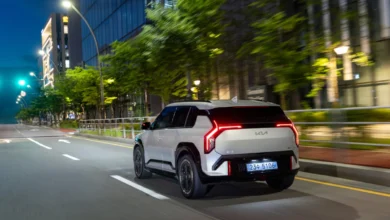
The Kia EV2 is envisioned as a rugged, yet compact, urban crossover or hatchback. Expected to be manufactured at Kia’s Zilina plant in Slovakia, the EV2 is strategically positioned to benefit from local European production, potentially insulating it from tariffs that might affect imported Chinese rivals.
While the EV2 may not feature the 800-volt ultra-fast charging architecture found in the EV6—due to cost constraints—it is expected to utilize a 400-volt version of the E-GMP platform or a new, dedicated small-car architecture currently under development by the Hyundai Motor Group. This will ensure that the EV2 maintains a flat floor, providing the "Megane-level" interior space mentioned by industry observers.

Chronology of Development and Market Entry
The timeline for these vehicles highlights the increasing pressure on traditional European manufacturers to accelerate their own development cycles:
- 2021-2022: Nio begins internal development of "Project Firefly" alongside "Project Alps" (now known as the Onvo brand). Kia announces its intention to fill the lower gaps in its EV lineup.
- 2023: Spy shots of the Firefly testing in China and Europe begin to circulate, revealing a compact, rounded hatchback silhouette. Kia confirms that the EV2 will follow the release of the EV3 and EV5.
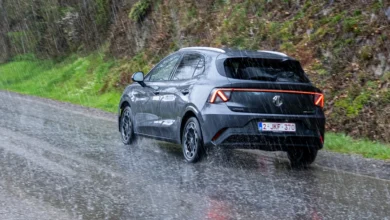
- Late 2024: Anticipated world premiere of the Firefly brand and its first production model. Kia begins final road testing of the EV2 prototypes in extreme weather conditions.
- 2025: The "Year of the Compact EV." Firefly is scheduled to begin deliveries in select European markets (starting with Germany, Norway, and the Netherlands). The Kia EV2 is expected to see a full commercial launch toward the end of the year.
Comparative Analysis: Specifications and Market Positioning
To understand how these vehicles might perform in the "real world," it is necessary to look at the projected data points that define their competitive edge.
| Feature | Nio Firefly (Estimated) | Kia EV2 (Estimated) |
|---|---|---|
| Length | ~3.9 – 4.1 meters | ~4.0 – 4.2 meters |
| Wheelbase | ~2.65 meters | ~2.70 meters |
| Battery Capacity | 45 kWh – 60 kWh (LFP) | 42 kWh – 58 kWh (LFP/NCM mix) |
| Target Range (WLTP) | 320 – 400 km | 300 – 420 km |
| Charging Tech | Battery Swap + 100kW DC | 100-150kW DC Fast Charging |
| Target Price | €25,000 – €28,000 | €25,000 – €30,000 |
The "Tardis effect"—the phenomenon of being bigger on the inside than the outside—is achieved through a combination of a high roofline and a maximized wheelbase. For the Firefly, Nio has reportedly focused on a "vertical" design language to ensure that even with a short exterior, four adults can sit comfortably with ample headroom. Kia, conversely, is expected to lean into its "Opposites United" design philosophy, giving the EV2 a more boxy, SUV-lite appearance that maximizes every cubic centimeter of the cabin.
Official Strategic Directions and Industry Reactions
Executive statements from both companies underscore the high stakes involved in this segment. William Li, CEO of Nio, has frequently remarked that for the brand to achieve global scale, it must offer products that cater to the unique urban constraints of Europe. "The Firefly project is our response to the European need for agile, smart, and affordable mobility without compromising on the technology that defines Nio," Li stated during a recent investor briefing.

On the other side, Kia’s leadership has emphasized the role of the EV2 in achieving the company’s goal of 1.6 million EV sales annually by 2030. Ho-Sung Song, President and CEO of Kia, has noted that "democratizing the electric vehicle experience" is the brand’s primary mission. Industry analysts suggest that Kia’s advantage lies in its established dealer network and brand trust in Europe, whereas Nio’s Firefly must build a brand identity from scratch.
European manufacturers have not remained silent. The arrival of the Firefly and EV2 is seen as a direct threat to the Volkswagen ID.2all and the Renault 5 E-Tech. "The pressure from Asian manufacturers in the B-segment is intense," noted one industry analyst from Frankfurt. "They are not just competing on price anymore; they are competing on clever packaging and software integration."
Broader Implications for Urban Mobility
The success of the Firefly and Kia EV2 could signal a permanent shift in how urban dwellers perceive car ownership and vehicle size. If these models can prove that a 4-meter car is sufficient for a family’s primary needs, the trend toward "SUV-ification" may finally begin to plateau.
Furthermore, the introduction of high-tech, small EVs has significant implications for urban infrastructure. Smaller footprints mean less congestion and easier parking in dense European city centers. If Nio succeeds with its battery-swapping infrastructure for the Firefly, it could force a re-evaluation of how cities plan for public charging, moving away from a reliance on curbside pedestals toward centralized energy hubs.

However, challenges remain. The profitability of small EVs is notoriously thin. Manufacturers must balance the high cost of batteries with the low price expectations of the segment. The Firefly and EV2 will serve as a litmus test for whether dedicated EV platforms and economies of scale have matured enough to make the €25,000 electric car a sustainable business model rather than a loss-leader.
In conclusion, while the prestige of large sedans continues to influence the top end of the market, the Firefly and Kia EV2 represent the true front line of the electric transition. By prioritizing interior volume and price over external "status," these vehicles are designed for the "real world"—a world where space is a luxury, but the budget is a reality. As they head toward their 2025 debuts, the automotive industry watches closely to see if they can truly deliver on the promise of the electric revolution: more car in less space.
Related posts: